
A Guide to Exotic Pet Mouse Species
Have you ever felt drawn to the idea of keeping a pet mouse but hesitated because common varieties seem too familiar? This guide draws from my years of hands-on experience to provide a trusted roadmap, helping you explore the fascinating diversity of exotic mice with clarity and confidence.
We will cover the standout traits and temperaments of various exotic species, specialized habitat and dietary needs for each type, and practical advice for selecting a mouse that fits your lifestyle to ensure a joyful and healthy relationship.
Which Exotic Mouse Species Can You Actually Keep as Pets?
African Pygmy Mouse
These miniature marvels are among the tiniest rodents kept as pets, often weighing less than a grape. Their incredibly small size means their habitat needs meticulous planning to prevent escapes through the tiniest of gaps. I’ve found they thrive in heavily planted terrariums with deep substrate for burrowing, mimicking their natural grassland homes. Their diet is heavily insect-based, requiring a steady supply of tiny live foods like fruit flies and pinhead crickets alongside a quality seed mix.
Spiny Mouse
Instantly recognizable by their coarse, bristly fur that feels surprisingly rough to the touch, spiny mice possess a unique desert heritage. Their care revolves around replicating arid conditions with low humidity and plenty of rocky outcrops for climbing and hiding. Unlike most rodents, they are precocial, meaning their babies are born furred and active. A fascinating quirk I’ve observed is their tendency to autotomize, or shed, their tail skin when grasped, so handling requires extreme gentleness.
Harvest Mouse
The Eurasian harvest mouse is a breathtaking acrobat, weaving intricate spherical nests high amid tall grasses. Keeping these mice successfully means providing a tall, vertically complex enclosure filled with tall stems, reeds, and grasses for them to climb and build their delicate homes. Their diet consists mainly of small seeds and insects, and they have a particular fondness for millet sprays. They are exceptionally light and agile, making them a true spectacle to watch but a challenge to handle.
How These Differ from Fancy Mouse Breeds
The common fancy mouse, like my curious Kenny, is a domesticated subspecies bred over centuries for life with people. They descend from the wild house mouse, once considered a household pest. Over centuries of taming and selective breeding, these rodents were transformed from pest into pet, producing the many colors and temperaments seen today.
- Domestication Level: Fancy mice are fully domesticated, while exotic species are much closer to their wild relatives, often displaying more skittish and instinct-driven behaviors.
- Social Needs: Most fancy mice crave large, mixed-sex or same-sex groups, whereas many exotic species have specific pair or colony structures that differ greatly.
- Environmental Complexity: Exotic species frequently demand highly specialized habitats that mirror their native ecosystems, far beyond a standard rodent cage setup.
- Dietary Specialization: While fancy mice do well on a commercial pellet, exotic mice often need live food, specific seeds, or native plants to truly flourish.
What Are the Social Behavior Differences Between Exotic Mouse Species?
Social Structure of African Pygmy Mice
These tiny creatures often live in loose, peaceful colonies in the wild, and this can sometimes be replicated in captivity. I’ve found success keeping them in small, same-sex groups or pairs, but introductions must be slow and monitored, as hierarchies can be subtle. They are not as intensely social as fancy mice, and you may see them foraging and nesting more independently, coming together for warmth and general company rather than constant interaction.
How Spiny Mice Interact Differently
Spiny mice exhibit a fascinating social dynamic that is both communal and carefully structured. They often form tight-knit family groups and can be territorial, so introducing new adults can be challenging and is not always recommended. Their interactions are less about playful tussling and more about coordinated activities like sentinel duty, where one mouse will watch for danger while others feed. This creates a colony that feels more like a vigilant, cooperative unit, unlike other social mice species.
Harvest Mouse Colony Needs
Harvest mice are truly social, but their needs are specific. They flourish in large, established colonies where they can express their natural nest-building and foraging behaviors as a community. A single pair or a trio often does not provide the complex social fabric they require for long-term mental well-being. Watching a colony work together to weave nests from the materials you provide is one of the most rewarding aspects of keeping this species, a stark contrast to the simpler pair bonds of some other types. If kept as pets, it’s best to house them in a well-sized communal setup rather than as lone pairs. Thoughtful enclosure design and provision of nesting materials let owners enjoy these natural behaviors while supporting the mice’s welfare.
How Does Enclosure Setup Vary by Exotic Mouse Species?
Cage Sizing Requirements for Each Species
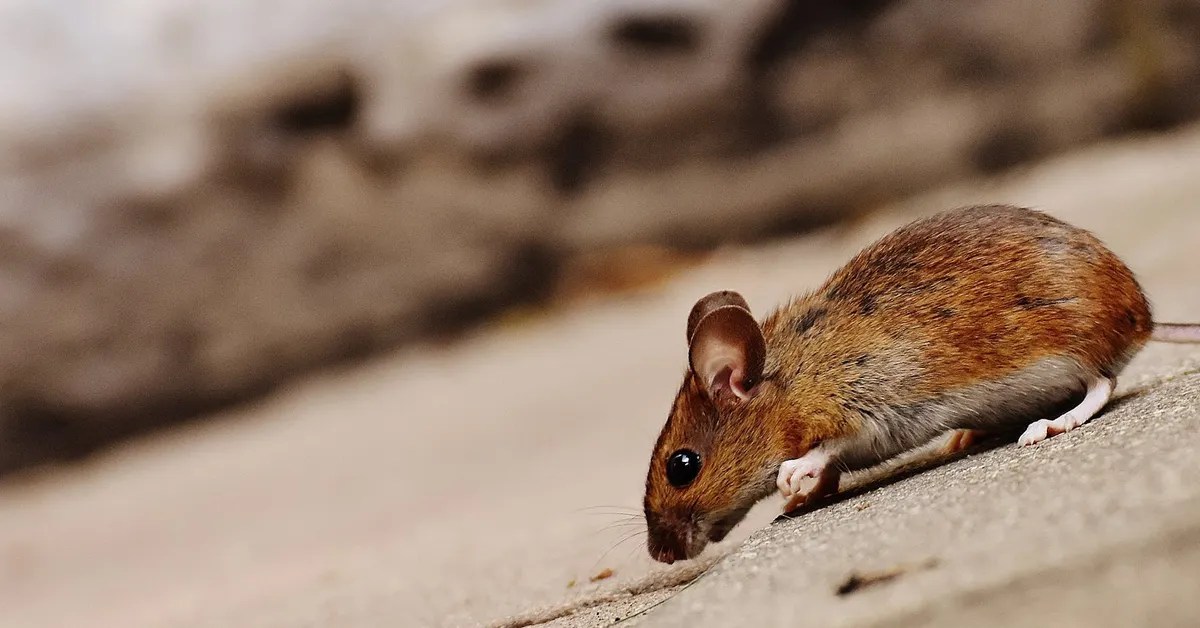
Exotic mouse species have unique space needs based on their natural behaviors and sizes. African Pygmy Mice thrive in taller enclosures with multiple levels for climbing, while Spiny Mice prefer wider, ground-based setups to accommodate their social running habits. Harvest Mice, being semi-arboreal, benefit from a mix of vertical and horizontal space to mimic their wild environments.
- African Pygmy Mouse: Minimum 10-gallon tank with added height; they love to scale vines and shelves.
- Spiny Mouse: At least 20-gallon long tank; these active rodents need room to forage and play in groups.
- Harvest Mouse: A 15-gallon tall enclosure works well; include branches and platforms for nesting and exploration.
I’ve noticed that my mouse Kenny, with his adventurous spirit, always seeks out high perches, so I ensure his cage has ample vertical elements to satisfy that instinct.
Bedding Options That Work Best
Choosing the right bedding is crucial for comfort and health, as some species have sensitivities to dust or moisture. Paper-based or aspen shavings are generally safe for most exotic mice, avoiding cedar or pine which can cause respiratory issues. For species like African Pygmy Mice, which originate from arid regions, a drier bedding helps maintain appropriate humidity levels.
- African Pygmy Mouse: Use paper pellets or recycled paper bedding; it holds minimal moisture and reduces mold risk.
- Spiny Mouse: Aspen shavings are ideal; they provide good burrowing material without irritating their sensitive skin.
- Harvest Mouse: Soft, fibrous bedding like hemp or shredded paper; it supports their nest-building and keeps them cozy.
In my setup, I mix in some hay for texture, which my mice enjoy rearranging-it’s a simple way to mimic their natural foraging behaviors.
Temperature and Humidity Needs
Maintaining the correct environment prevents stress and health problems, so monitor these factors closely. African Pygmy Mice do best in warmer temperatures around 75-80°F with low humidity, while Harvest Mice need cooler, more humid conditions similar to their grassland homes. Spiny Mice fall in between, preferring a stable, moderate climate.
- African Pygmy Mouse: Keep humidity below 50%; use a heat mat if needed, but avoid direct drafts.
- Spiny Mouse: Aim for 70-75°F and 40-60% humidity; they adapt well but sudden changes can cause issues.
- Harvest Mouse: Temperature of 65-75°F with higher humidity around 60-70%; misting lightly can help replicate dew.
I use a digital hygrometer in each enclosure to track levels, and it’s made a big difference in keeping my mice like Gregory content and healthy.
Enrichment and Toys for Different Species
Enrichment keeps exotic mice mentally stimulated and reduces boredom-related behaviors. Tailor toys to their instincts: climbing structures for agile species, and hiding spots for those with shy tendencies. Rotating items regularly prevents habituation and encourages natural exploration. Puzzle feeders, foraging toys, and chewable tunnels are some of the best enrichment items to stimulate a mouse’s mind, promoting problem-solving and natural foraging behaviors. Always choose safe, appropriately sized materials and supervise new toys until you’re sure they’re safe.
- African Pygmy Mouse: Add lightweight ladders, rope bridges, and small hanging toys; they enjoy acrobatic play.
- Spiny Mouse: Include tunnels, running wheels, and foraging puzzles; their social nature means group activities are enriching.
- Harvest Mouse: Provide natural materials like twigs, grasses, and seed pods for nest-building and climbing.
Watching Jeffery, with his cheerful but anxious personality, I’ve found that adding quiet hideaways helps him feel secure while still engaging with his surroundings.
What Should You Feed Different Exotic Mouse Species?
African Pygmy Mouse Diet
These tiny rodents have high metabolic rates and need a diet rich in variety to mimic their insectivorous and granivorous habits. Offer a base of high-quality seed mix supplemented with live insects like mealworms or crickets for essential protein. Fresh veggies and fruits should be given in small amounts to avoid digestive upset.
- Staple foods: Millet, canary seed, and crushed pellets designed for small rodents.
- Protein sources: Dusted insects twice a week; this supports their energy levels and overall health.
- Treats: Tiny pieces of apple or carrot; limit to once or twice weekly to prevent obesity.
I always check that food is finely chopped to prevent choking, and it’s rewarding to see how eagerly they hunt for insects-it brings out their wild side.
Feeding Spiny Mice Properly
Spiny Mice are omnivores with a need for balanced nutrition to support their active lifestyles. Combine a commercial rodent block with fresh greens and occasional protein boosts to keep their diet diverse and nutritious. Avoid overfeeding fruits, as their sugar content can lead to health issues over time.
- Main diet: Rodent lab blocks provide essential vitamins; supplement with leafy greens like kale or spinach.
- Protein additions: Cooked egg or tofu a few times a week; this helps maintain muscle and coat condition.
- Hydration: Always have fresh water available; they drink frequently, especially in warmer settings.
From my experience, varying their food daily keeps them interested and prevents picky eating-it’s a simple habit that pays off in their vitality.
Harvest Mouse Nutritional Needs
Harvest Mice primarily consume seeds and grains in the wild, but captivity requires a more controlled approach to prevent deficiencies. Focus on a seed-based diet enhanced with occasional insects and greens to replicate their natural foraging. Ensure calcium sources are included to support bone health, especially as they age.
- Core foods: Mixed seeds (e.g., sunflower, flax) and small rodent pellets; these form the bulk of their intake.
- Supplements: Offer mealworms or waxworms weekly for protein; it encourages natural hunting behaviors.
- Fresh elements: Dandelion leaves or broccoli florets; provide vitamins and keep their diet engaging.
I’ve found that scattering food encourages them to forage, which not only meets nutritional needs but also provides mental stimulation-a win-win for their well-being.
How Do You Handle Health and Veterinary Care for Exotic Mice?
Finding Veterinary Care for Exotic Species
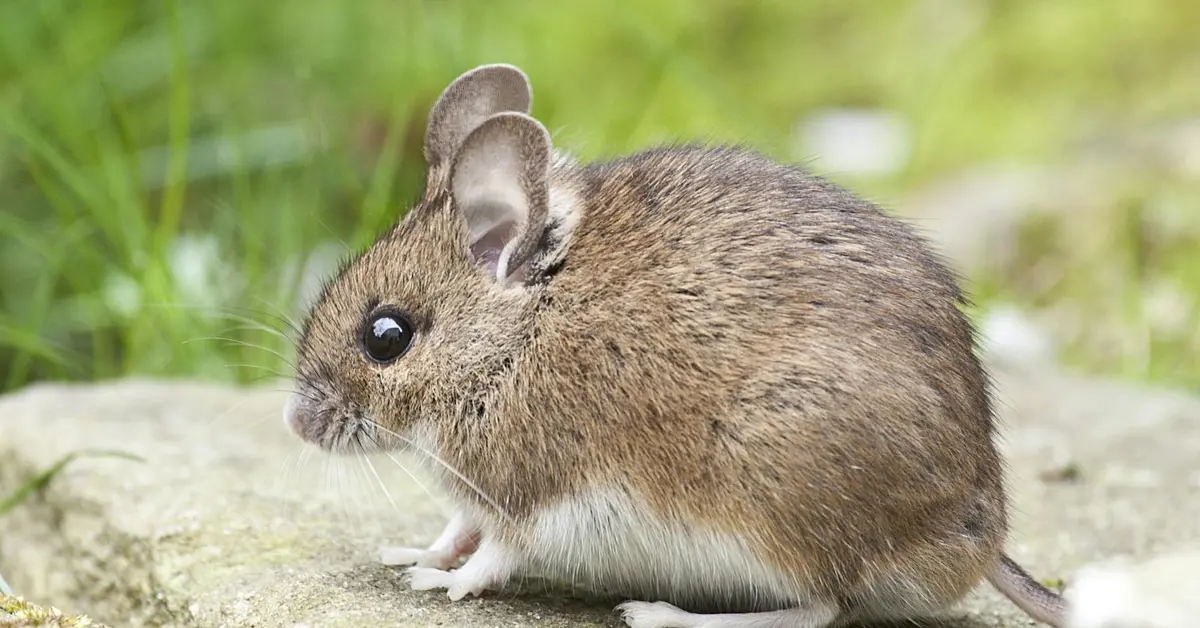
Locating a vet experienced with exotic mice can be challenging but is essential for proactive care. Start by searching for veterinarians who specialize in small mammals or exotics, and ask for recommendations from local pet groups or breeders, or use our recommended directory to find one in your area. Always schedule a check-up soon after adoption to establish a health baseline.
- Research: Use online directories like the Association of Exotic Mammal Veterinarians to find qualified professionals.
- Questions to ask: Inquire about their experience with specific species, emergency services, and common treatments.
- Preparation: Keep a record of your mouse’s diet, behavior, and any symptoms; it helps the vet diagnose issues faster.
When I first got Jeffrey, his nervous nature made vet visits stressful, but finding a calm, knowledgeable vet made all the difference in his care routine.
Common Health Problems by Species
Each exotic mouse species has predispositions to certain ailments, so early detection is key. African Pygmy Mice are prone to respiratory infections in damp conditions, while Spiny Mice may develop skin issues if bedding isn’t changed regularly. Harvest Mice often face dental problems from inadequate chewing materials.
- African Pygmy Mouse: Watch for sneezing or lethargy; these can signal respiratory distress from humidity or drafts.
- Spiny Mouse: Look for hair loss or scratching; mites or fungal infections are common without proper hygiene.
- Harvest Mouse: Check teeth for overgrowth; provide hard chews to naturally wear them down and prevent malocclusion.
Regularly observing your mice’s habits helps catch issues early-I’ve learned that subtle changes in appetite or activity often hint at underlying problems.
Lifespan and Aging Expectations
Exotic mice generally live 1-3 years, but species variations and care quality influence their longevity. African Pygmy Mice may reach up to 2 years with optimal care, while Spiny Mice can sometimes live slightly longer due to their hardy nature. As they age, adjust their environment and diet to support comfort and mobility.
- Youth to adulthood: Focus on preventive care; regular vet visits and a balanced diet set the foundation for a healthy life.
- Senior years: Reduce cage clutter to ease movement, and offer softer foods if dental issues arise.
- End-of-life care: Provide warmth and quiet spaces; aging mice may sleep more and need gentler handling.
With my older mouse Gregory, I’ve seen how small adjustments like lower perches and extra bedding make his golden years more peaceful and dignified.
What Are the Legal Considerations for Keeping Exotic Mice?
Before you fall in love with a particular exotic species, you must check your local laws. Many municipalities have specific ordinances regarding “fancy” or non-native rodents, and it’s heartbreaking to set up a perfect habitat only to find out your new friend isn’t welcome. I always start by calling my city’s animal control department for a direct answer.
Regulations can vary dramatically, even between neighboring towns. Some areas classify certain mice as potential pests or agricultural threats, leading to outright bans. A simple online search for your city’s exotic pet laws can save you from future legal trouble and ensure your pet’s safety. Always verify the information directly with an official source, as online forums can sometimes provide outdated advice.
Where Can You Find and What Do Exotic Mice Cost?
Finding Responsible Breeders
Locating a reputable source for your exotic mouse is the most critical step for their long-term health. Responsible breeders prioritize the well-being and genetics of their animals over profit, and they will be a fountain of knowledge for you. You can often find them through specialty rodent clubs or recommendations from exotic veterinarians. That background and breeder guidance make it far easier to follow a preventative mouse health guide, since you’ll have accurate history and recommended husbandry. Those details help you implement proper diet, housing, and monitoring to prevent common problems.
Be prepared to ask a lot of questions when you contact a potential breeder. A good one will welcome your curiosity. Look for breeders who can provide a full health history of their lineage and who keep their animals in clean, spacious, and enriched environments. I’ve found that breeders who show their own mice are often deeply passionate and knowledgeable. Avoid pet stores that cannot provide specific background information on their animals.
- Ask to see the parent mice and their living conditions.
- Request details on the typical lifespan and common health issues in their specific line.
- A good breeder will often ask you questions about your planned setup to ensure you’re prepared.
Initial and Ongoing Cost Breakdown
Bringing an exotic mouse home involves more than just the purchase price. The initial setup cost is the most significant financial outlay, often ranging from $150 to $300 depending on the quality and size of the habitat you choose. This investment lays the foundation for a happy and healthy life for your new companion, but it’s important to remember that ongoing veterinary expenses can add to the overall cost of ownership.
Here is a breakdown of what to expect for your initial setup:
- Habitat: A large tank or specialized cage ($60 – $150)
- Wheel & Enrichment: A solid-surface wheel, hides, and climbing toys ($40 – $80)
- Bedding & Substrate: A safe, absorbent material like aspen or paper ($20 – $30)
- Food & Water: A quality food mix, water bottle, and food dish ($25 – $40)
- The Mouse Itself: The purchase price from a breeder ($15 – $50)
The monthly costs are much more manageable but are a lifelong commitment. Ongoing expenses for food, bedding, and the occasional new toy typically run between $20 and $40 per month. It’s also wise to have a small vet fund set aside, as even a routine check-up for an exotic pet can be an unexpected cost. My little Jeffery, for instance, has a particular fondness for pricey dried mealworms, which is a small but recurring luxury in his budget.
Frequently Asked Questions
Are exotic pet mice difficult to handle compared to fancy mice?
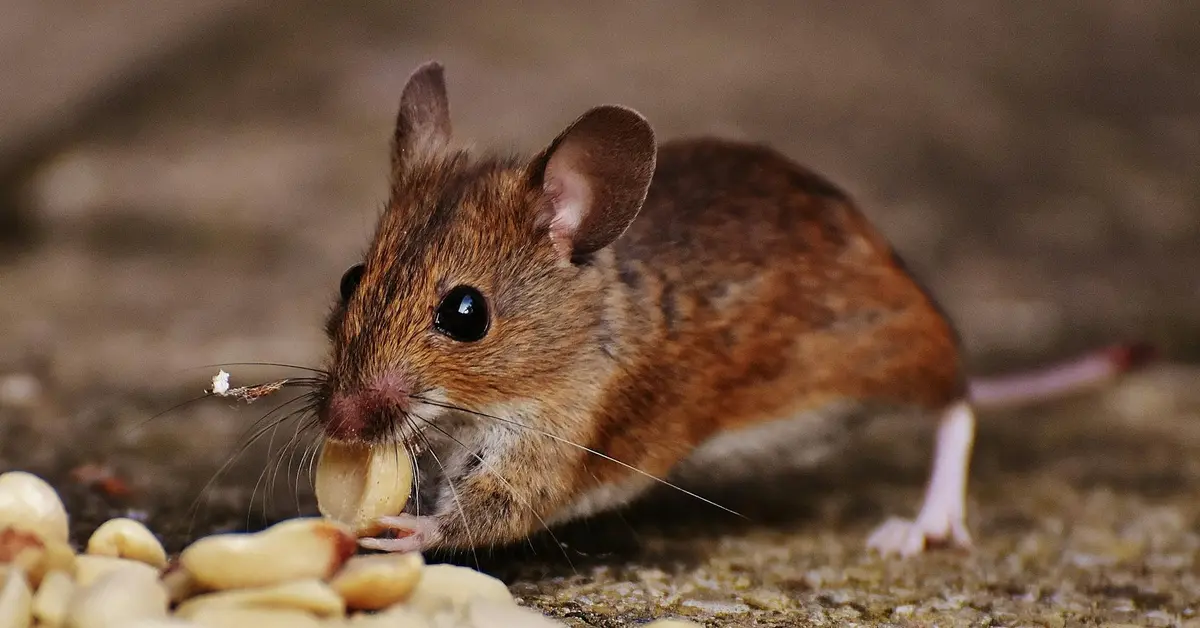
Exotic mice are generally more challenging to handle than domesticated fancy mice. Species like the African Pygmy Mouse and Harvest Mouse are incredibly small, fast, and skittish, making them prone to escaping and difficult to hold securely. Their behavior is much closer to their wild relatives, so they often view handling as a stressful event rather than a form of interaction.
Patience and gentleness are crucial. It’s best to focus on gaining their trust through positive reinforcement with treats rather than forced handling. For many exotic species, they are best considered as “look but don’t touch” pets, valued for their fascinating natural behaviors observed in a well-setup enclosure.
What is the average lifespan of the different exotic mouse species?
Lifespans vary slightly between species but are generally shorter than many other pets. African Pygmy Mice typically live for 1.5 to 2 years, while the hardy Spiny Mouse can sometimes reach 2 to 3 years with excellent care. Harvest Mice also generally have a lifespan of around 1.5 to 2 years.
Their longevity is heavily influenced by the quality of their specialized care, including a proper diet, a stress-free environment, and proactive veterinary attention. Providing species-specific husbandry that meets their unique needs is the most significant factor in helping them reach their full lifespan potential.
Do all exotic mice require live insects in their diet?
While not all exotic mice are strictly insectivorous, many require live insects as a crucial part of a balanced diet. African Pygmy Mice have a high need for insect protein and should be offered small live foods like fruit flies and pinhead crickets regularly. Harvest Mice also benefit greatly from occasional insects like mealworms to supplement their seed-based diet.
In contrast, Spiny Mice, being omnivores, require less frequent insect intake. Their protein needs can be met with items like cooked egg or tofu, though they may still enjoy the occasional insect. Always research the specific dietary requirements of your chosen species, as a proper diet is non-negotiable for their health.
Your Path Forward
Choosing an exotic mouse is the beginning of a delightful journey, one filled with the quiet joy of observing their unique quirks and vibrant personalities. The most important choice you will make is selecting a companion whose natural temperament and needs align with your lifestyle and home. This includes ensuring they are healthy and active before bringing them home.
Your commitment to providing a thoughtful habitat and attentive care is what transforms a simple pet into a cherished friend. With patience and observation, you will be rewarded with a surprisingly deep and rewarding bond with your tiny companion.
Further Reading & Sources
Isabella is a passionate small pet enthusiast with over 8 years of experience in caring for mice. She loves sharing practical tips and heartfelt stories to help fellow mouse owners provide the best care for their tiny companions.
Mice Breeds & Varieties