
Helping Your Mouse Through the Loss of a Cagemate
Have you noticed your mouse acting differently, perhaps seeming quieter or less interested in their favorite treats after their friend has passed? The silence in the cage can feel heavy, and it’s natural to worry about the emotional well-being of your remaining pet. This guide will help you recognize the signs of mourning in mice and provide clear, compassionate steps you can take to support them.
We will cover how to identify behaviors that indicate grief versus normal adjustment, the practical steps for supporting your remaining mouse’s emotional and physical health, and the thoughtful considerations for introducing a new companion when the time is right.
How Mice Experience Grief After Companion Loss
Mice form deep, complex social bonds with their cagemates, and the loss of a companion creates a tangible void in their world. I have observed that their grief often manifests as a quiet, palpable shift in the group’s daily rhythm. The boisterous evening play sessions might cease, and the familiar, comforting pile of sleeping bodies may look smaller and more scattered. They are not just missing a body in the cage; they are missing a relationship, a playmate, and a source of warmth.
Your mouse’s world is built on scent, sound, and routine, and a death disrupts all three. You might notice them spending an unusual amount of time in their late friend’s favorite hideout, seemingly waiting. They may also vocalize differently, with fewer of the happy, ultrasonic chirps we cannot hear and more of the audible, searching squeaks. This behavior isn’t just confusion; it is a genuine search for a friend who is no longer there. Learning what different squeaks mean can help you tell whether they’re calling for a companion, expressing distress, or searching, and paying attention to these sounds can guide how you comfort them.
- Decreased activity and a loss of interest in exploration or toys.
- Changes in eating habits, such as picking at food or eating less enthusiastically.
- Altered sleep patterns, sleeping more or at odd times away from the group.
- Increased self-grooming or, conversely, a neglected, ruffled coat.
- Quieter vocalizations and less social chatter with remaining cagemates.
Recognizing Signs of Depression and Stress in Your Surviving Mouse
While grief is a natural process, it can sometimes deepen into a state of depression that requires your gentle intervention. Watch for a persistent change in your mouse’s fundamental personality-the spark is what goes out first. A once bold and curious mouse like my Kenny might become withdrawn, hesitant to even approach the cage door for a treat. The change can be subtle but profound.
Stress in mice often shows up in physical ways that are easy to overlook. A depressed mouse may develop what I call a “worried” posture: hunched back, ears slightly pinned, and eyes that seem less bright. You know your mouse’s normal, healthy gleam, and its absence is a powerful signal. They might also startle more easily at normal household sounds that never bothered them before. Stress often manifests through changes in both visual and behavioral cues.
Behavioral Red Flags of Depression
- Lethargy that lasts for days: A sleepy afternoon is normal; a complete lack of energy is not.
- Neglecting grooming: A messy, unkempt coat is a classic sign something is wrong.
- Social withdrawal: Actively avoiding other cagemates or sleeping alone consistently.
- Loss of appetite: A mouse that turns down its absolute favorite treats is sending a major distress signal.
- Repetitive behaviors: Excessive bar-climbing, pacing, or circling can indicate high anxiety.
When Grief Becomes a Medical Emergency
It is vital to know when sadness crosses the line into a health crisis. A mouse that stops eating and drinking is in immediate, life-threatening danger, and this requires a vet visit without delay. Their tiny metabolisms are incredibly fast, and they cannot go for long without sustenance. Dehydration and starvation can set in with frightening speed.
Listen to your instincts as a pet owner. If your mouse shows any signs of physical illness—like wheezing, diarrhea, or visible weight loss—alongside behavioral changes, treat it as a medical emergency first. Grief can weaken their immune system, making them susceptible to respiratory infections and other ailments. What starts in the heart can quickly affect the body. In mice, prolonged stress or grief can trigger “stress illness”—where emotional distress produces real, measurable health problems. Watch for lethargy, ruffled fur, or a loss of appetite as early warning signs and seek veterinary care promptly.
- Complete refusal of all food and water for more than 12 hours.
- Rapid, noticeable weight loss where the spine and hip bones become prominent.
- Lethargy so profound the mouse is difficult to rouse or seems weak.
- Any signs of respiratory distress: sneezing, porphyrin (red crust) around the eyes or nose, or audible breathing.
- Self-inflicted injury from over-grooming, causing bald patches or sores.
Immediate Actions to Support a Grieving Mouse
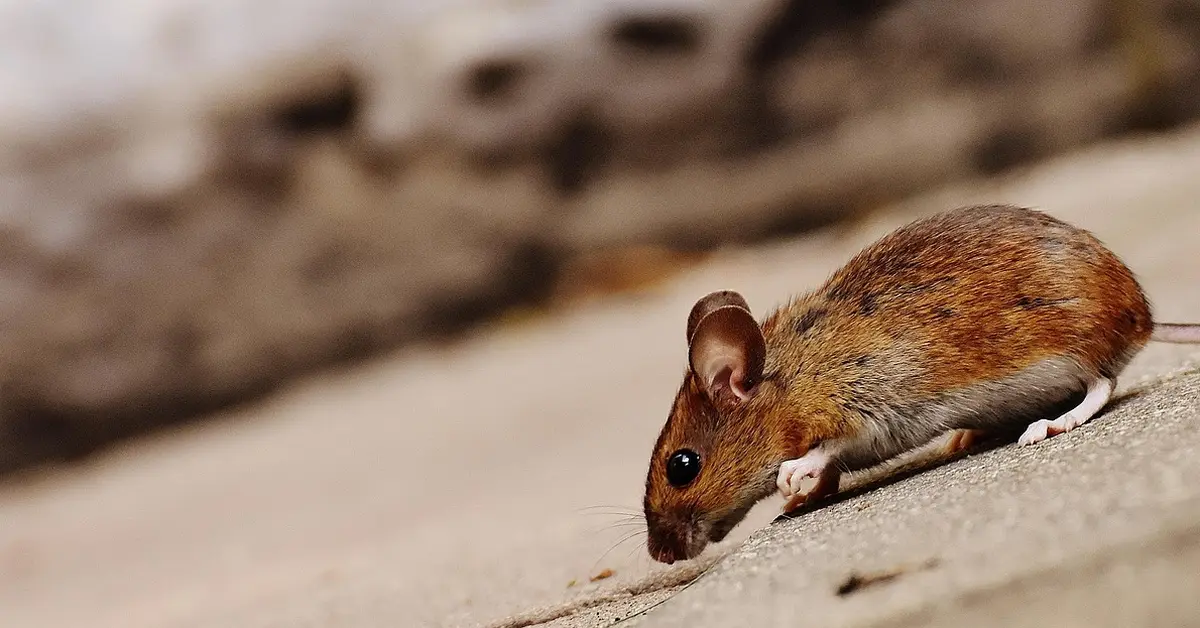
When a mouse passes, the remaining cagemate needs your gentle support more than ever. Your first and most vital task is to simply be present, offering quiet comfort through your familiar scent and voice. I often sit by the enclosure and speak softly, letting my mice know they are not alone in this strange new quiet – especially since mice are inherently social creatures and can feel the loss deeply.
Environmental Enrichment During Bereavement
A suddenly emptier habitat can feel vast and intimidating. You can create a sense of security and distraction by thoughtfully enhancing their living space. I focus on providing new, gentle stimuli to occupy their mind without causing stress.
- Rearrange familiar toys and tunnels to create a novel landscape for exploration.
- Introduce new, safe-foraging opportunities by hiding their favorite treats inside cardboard tubes or paper bags.
- Offer novel, mouse-safe items like a sea grass mat or a pumice stone to investigate.
- Ensure there are multiple, cozy hiding spots filled with extra nesting material.
After a recent loss, I noticed my mouse, Jeffery, found great solace in a new, plush sleeping cube I placed in his favorite corner.
Monitoring Appetite and Physical Health
Grief can manifest physically, making close observation of their eating and drinking habits non-negotiable. A grieving mouse might simply forget to eat, so your vigilance is their safety net. Watch for any significant changes in their daily patterns.
- Weigh your mouse daily using a small kitchen scale to track for any sudden weight loss.
- Hand-feed tempting, high-value foods like a bit of scrambled egg, baby food, or their absolute favorite seed.
- Ensure water is accessible and consider offering water from a shallow dish if they normally use a bottle.
- Look for signs of lethargy, such as staying in one spot for hours or a lack of interest in any enrichment.
A dip in energy is expected, but a prolonged refusal of food and water requires immediate veterinary attention.
Should You Introduce a New Companion?
This is one of the most complex decisions a mouse owner faces. While mice are profoundly social creatures, a new friend is not always an instant solution and can sometimes add stress. The personality of your remaining mouse is the most critical factor in this choice.
Timing Considerations for Companion Replacement
Rushing this process can backfire. The ideal timeline depends entirely on your mouse’s unique response to the loss and their inherent temperament. An older, more settled mouse like my Gregory may need a longer adjustment period than a bold, young mouse like Kenny.
- Wait at least a few days to a week to properly assess your mouse’s emotional state.
- Consider age and health; a young, healthy mouse will likely benefit more from a new companion than an elderly one.
- Observe for signs of loneliness, like constant searching or excessive sleeping, which indicate a need for company.
- Trust your intuition; you know your pet’s normal behavior better than anyone.
Safe Introduction Methods After Loss
p>If you decide to proceed, a slow and neutral introduction is the only path to success. Proper introductions are a careful dance, not a simple meeting, and they require immense patience from you. I always use the “split-cage” method for the highest chance of a peaceful new bond.
- Thoroughly clean the entire main habitat to remove all established scents.
- Set up a separate, neutral introduction area or use a divider within the clean cage.
- House the mice on either side of the divider, allowing them to see and smell each other without physical contact.
- Swap their sides daily so they become accustomed to each other’s scent throughout the space.
- After several days of no aggressive posturing, allow a short, supervised meeting in the neutral area.
- Only house them together permanently once you are confident they are comfortable and non-aggressive.
This process can take anywhere from a few days to a couple of weeks. Rushing it risks injury and creates a negative association, setting back the bonding process significantly.
Long-Term Monitoring and Grief Management
After the initial days of loss, your attention must shift to the subtle, ongoing signs of grief in your remaining mice. Watch for sustained changes in eating habits, a persistent lack of interest in play, or a mouse that sleeps far more than usual. These can be quiet indicators of a heart that is still hurting. Providing support to your grieving cagemate during this time is crucial.
Creating Stability While Preventing Social Isolation
Your primary goal is to provide a secure environment that encourages re-engagement without forcing it. A predictable daily routine is the single most comforting gift you can offer a grieving mouse. Stick to the same feeding times, gentle handling sessions, and even the way you turn on their habitat light. These same routines form the foundation of any complete guide to taming a scared, skittish mouse, since predictability reduces fear and builds trust. Start with short, calm interactions—hand-feeding treats and gradual approach exercises—to gently encourage confidence.
- Maintain Their Territory: Avoid a full, deep clean of the entire habitat for at least a week or two. Preserving familiar scents is profoundly reassuring.
- Introduce Gentle Novelty: Place a single new toy or a novel nesting material in one corner. This offers a low-pressure invitation to explore without overwhelming their space.
- Facilitate Scent Connection: If you have a item that still carries the scent of the mouse who passed, such as a fabric pouch or a favorite hide, leave it in the main living area for comfort.
- Observe Social Dynamics: Watch how your mice interact. Are they huddling together for sleep? Is one mouse being excluded? Their social structure will shift, and you are there to ensure no one is left behind.
From my own experience, I saw my bold Kenny become uncharacteristically withdrawn after a loss. It was his more serene cagemate, Gregory, who eventually initiated play, demonstrating that mice can and do support each other through grief. Your role is to set the stage for these natural healings to occur.
Finding Support as a Grieving Mouse Owner
Your own feelings of sadness are valid and deserve attention. Caring for a small creature in its final moments is a profound responsibility, and your grief is a testament to your love. You are not just a pet owner; you are a guardian who has experienced a loss. Grieving the loss of a small pet is real and your sorrow is meaningful. Allow yourself time and compassion as you mourn. Two alternatives: “feelings of sadness are valid” (5 words) or “loss of a small pet” (5 words).
- Connect with a Community: Online forums and social media groups dedicated to mouse care are filled with people who understand this specific type of heartache. Sharing your story can be incredibly cathartic.
- Talk to Understanding Friends: Seek out friends or family members who appreciate the deep bond you share with your pets, even if they are small.
- Create a Small Memorial: Planting a flower, framing a favorite photo, or simply writing down your favorite memories of your mouse can provide a sense of closure and peace.
- Channel Your Care: Pour your emotional energy into providing extra comfort and enrichment for your remaining mice. Your attentive care for them is a beautiful tribute to the one you lost.
Allow yourself to feel the loss while also finding solace in the vibrant lives still under your care. The cheerful, twitchy antics of my Jeffery often served as a gentle reminder that life, in all its forms, continues forward, asking for our presence and love.
Frequently Asked Questions
Is there a Reddit community for mouse cagemate grief?
Yes, there are several Reddit communities where mouse owners can find support and share experiences related to cagemate loss. Subreddits like r/PetMice or r/RATS (which often includes mouse care) are active spaces where you can post about your situation, read others’ stories, and receive compassionate advice from people who understand the unique bond between mice.
These online forums allow you to ask specific questions, such as how to handle introductions of new companions or ways to comfort a grieving mouse, and connect with a global community. Engaging here can provide validation and practical tips during a difficult time, helping you feel less alone in your grief.
How can I cope with mouse cagemate grief and loss?
Coping with the loss of a mouse cagemate involves acknowledging your own feelings while focusing on supportive actions. Allow yourself to grieve by talking to understanding friends or family, and consider creating a small memorial, like planting a flower in honor of your pet, to help process emotions and find closure.
Additionally, channel your care into activities that benefit your remaining mouse, such as providing extra enrichment or maintaining a consistent routine. This not only supports their well-being but can also give you a sense of purpose, turning your grief into positive actions that honor the memory of the mouse you lost.
What should I include in a mouse cagemate grief journal?
A mouse cagemate grief journal can include entries about your favorite memories with the deceased mouse, such as playful interactions or unique habits, to celebrate their life. You might also note daily observations of your surviving mouse’s behavior, like changes in appetite or activity, to track their emotional recovery and identify any concerns.
Including your personal reflections on the grieving process, such as how you’re feeling and coping strategies you’re trying, can provide emotional release. This journal serves as a therapeutic tool to document the journey, helping you and your pet heal while preserving precious memories for the future.
Your Path Forward
When a tiny life passes, the path forward is paved with quiet observation and gentle support. The most powerful thing you can do is watch your remaining mice closely, providing stability and comfort through their familiar routines. Their world has shifted, and your steady presence is their anchor—especially because mice often form strong social bonds and mate for life.
From my time with Kenny, Gregory, and Jeffery, I’ve learned that mouse bonds run deep, and their healing is a quiet, gradual process. Trust your instincts, offer extra treats and soft bedding, and know that with patience, your little mischief will find its new rhythm. Look for telltale signs of a strong bond—mutual grooming and cuddling, and coordinated play—which show they’re comforting one another. Noticing these behaviors helps you know when to step in and when to give them space. Your care makes all the difference in their small, grieving world.
Further Reading & Sources
- The Unique Stages of Grief: Losing a Pet After 15+ Years
- Stages of Grief – Losing a Pet | Life with Pets | Blog | Animal League
- r/PetMice on Reddit: Do mice mourn?
Isabella is a passionate small pet enthusiast with over 8 years of experience in caring for mice. She loves sharing practical tips and heartfelt stories to help fellow mouse owners provide the best care for their tiny companions.
Common Behavioral Issues