
When and How to Wean Mouse Pups from Their Mother
Are you feeling a mix of excitement and nervousness as your mouse pups grow, unsure when to start the weaning process? Drawing from my own experiences with mice like Kenny and Gregory, I’ve crafted a gentle, evidence-based method to help you navigate this milestone with confidence.
You’ll learn to spot the key developmental cues that signal weaning readiness, master a gradual food introduction plan, and create a calm environment that supports both mother and pups.
When Is the Right Time to Wean Mouse Pups?
Typical Weaning Age for Baby Mice
Most mouse pups are ready to begin the weaning process around three weeks of age. I’ve found that the three-to-four-week window is the sweet spot, where their natural curiosity about solid food truly ignites. This can vary slightly depending on the litter’s size and the individual development of each pup, but aiming for this timeframe sets everyone up for a smooth transition.
Signs Your Mouse Pups Are Ready to Wean
You don’t need to mark a calendar to know when weaning should start; your mice will show you. Look for these clear behavioral cues:
- Pups are actively nibbling on the mother’s food or bedding.
- Their eyes are open, and they are exploring the cage beyond the nest.
- You observe them attempting to drink from the water bottle.
- They appear sturdy on their feet and are noticeably more active.
Watching for these specific actions is far more reliable than relying on age alone, as it confirms the pups are developmentally prepared.
Why Weaning Too Early Is Risky
Separating pups from their mother before they are ready can have serious, lasting consequences. Premature weaning often leads to malnourished, underweight pups who lack crucial social skills taught by their mother and siblings. They miss out on essential nutrients from the mother’s milk that bolster their immune systems, making them far more susceptible to illness. I’ve also observed that pups weaned too early can develop nervous, skittish temperaments that are difficult to overcome. If you must raise orphaned mouse pups, it’s essential to replicate maternal care as closely as possible. Controlled feeding, warmth, and social interaction are crucial to giving them a chance at healthy development.
How to Wean Mouse Pups Step by Step
Step 1: Introduce Solid Food While Pups Are Still Nursing
Begin by offering small, manageable foods directly into the nesting area. Scatter a tiny amount of moistened lab block pellets or oatmeal directly in their nest around the two-and-a-half-week mark. This allows the pups to stumble upon and investigate solid food in the safety of their home while still having full access to their mother’s milk. You’ll be amazed at how quickly they start mimicking her eating habits, just as shown in our visual guide on pup development and pinkie weaning.
Step 2: Establish a Feeding Schedule for Weaning Pups
Consistency is your best friend during this phase. Create a simple routine:
- Provide a high-protein weaning mash (moistened pellets) twice daily.
- Always offer fresh, dry lab blocks for gnawing.
- Ensure a shallow water dish is available in addition to the bottle.
- Remove uneaten moist food after an hour to prevent spoilage.
A predictable feeding schedule helps the pups learn when and where to find their meals, building their confidence and independence.
Step 3: Begin Gradual Separation from Mother
This step is about short, supervised periods of independence. I start by placing the pups in a small, secure play area within sight of their mother for just 15-30 minutes at a time. You can use a critter carrier or a partitioned section of the cage. This allows the mother a brief rest and encourages the pups to rely on each other and the food you’ve provided, not just her. This also provides ideal moments for brief, gentle handling and for watching how they interact, helping build confidence and a friendly temperament. Consistent, positive exposure to people and littermates during these sessions jumpstarts socialization. Slowly increase this time over several days.
Step 4: Monitor Transition to Full Independence
Keep a close watch on each pup’s progress before considering permanent separation. Look for these signs of success:
- Pups are eating solid food enthusiastically and have full, rounded bellies.
- They are drinking water reliably from a bottle.
- They are maintaining or gaining weight.
- They are grooming themselves and interacting playfully with their littermates.
Only when you are confident every pup in the litter is thriving on solid food should you move them to their own permanent home. Rushing this final step can undo all your careful work.
What to Feed Weaning Mouse Pups
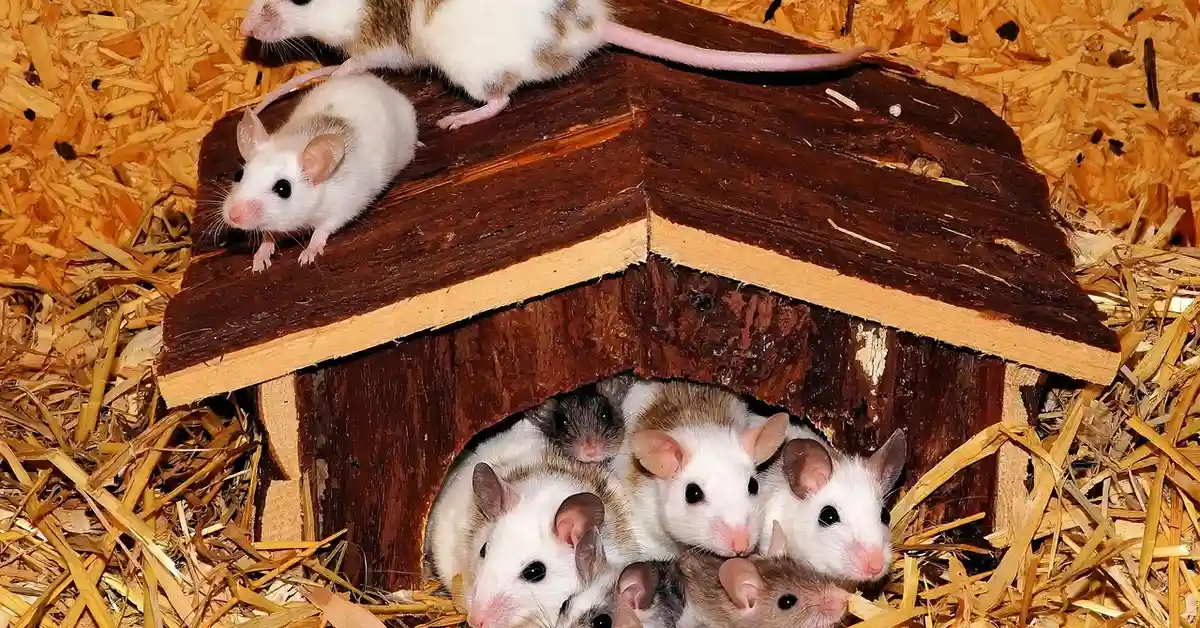
Best First Foods for Baby Mice
When pups first start nibbling, offer soft, easily digestible options that mimic the texture of milk. I always begin with tiny portions of moistened high-quality lab blocks or rodent pellets softened in water until they resemble a mushy paste. This gentle introduction helps their tiny digestive systems adjust without stress. You can also provide finely grated vegetables like carrot or zucchini, which are mild and hydrating. Avoid anything hard or sharp that could cause choking.
- Moistened lab blocks or pellets
- Finely grated carrots or zucchini
- Cooked, plain oatmeal without sugar
- Small amounts of unsweetened baby food (fruit or vegetable based)
Introduce one new food at a time and watch for any adverse reactions like diarrhea or lack of interest. Patience is key here, as some pups might take a day or two to show curiosity toward solid items. I’ve noticed that my mouse Jeffery, being the cautious type, often needs extra encouragement with these first bites.
Puppy Nutrition Needs During Weaning
Weaning is a critical growth phase, so their diet must be rich in protein and fat to support development. Mouse pups require approximately 18-20% protein in their diet to build strong muscles and maintain energy. Look for foods that list high-quality ingredients like whole grains, seeds, and animal-based proteins. Including a small amount of hard-boiled egg or plain cooked chicken can boost their intake safely. Adjusting the diet for different life stages is important; special nutritional considerations are needed for babies, pregnant, nursing, and senior mice.
Calcium is vital for bone health, so consider sprinkling a tiny bit of crushed cuttlebone over their food. Balancing nutrients helps prevent issues like stunted growth or weak immunity during this vulnerable time. Always provide fresh options and remove uneaten food within a few hours to keep their environment clean.
Transitioning to Adult Mouse Food
Gradually mix adult mouse food with their weaning diet over 7-10 days to avoid digestive upset. Start by replacing about 25% of their soft food with crushed adult pellets, increasing the proportion every couple of days. This slow shift allows their gut bacteria to adapt and reduces the risk of diarrhea or refusal to eat. By the end of the transition, they should be eating primarily dry, adult-formulated food. Expect brief changes in poop consistency and frequency as their digestion adjusts, so check their droppings daily. If you see persistent diarrhea, very soft stools, or blood, consult a veterinarian.
- Days 1-3: 75% weaning food, 25% crushed adult food
- Days 4-6: 50% weaning food, 50% crushed adult food
- Days 7-10: 25% weaning food, 75% crushed adult food
- After day 10: Offer full adult diet, monitoring for consistent eating
Keep an eye on their behavior-if a pup seems hesitant, slow the transition. I’ve found that mice like Gregory, who prefers routine, adapt better when changes are introduced gently and predictably.
Health and Safety During the Weaning Process
Keeping Weaning Pups Hydrated
Hydration is just as important as nutrition, especially when pups are learning to drink on their own. Provide a shallow water dish with fresh, clean water changed daily, or use a small, low-profile water bottle they can easily access. You can add a drop of water to their soft food to increase fluid intake subtly. Watch for signs of dehydration, such as sunken eyes or lethargy, and act quickly if you notice them.
In my experience, younger pups might play in water dishes, so check frequently for spills or contamination. Ensuring constant access to water supports kidney function and helps process new solid foods efficiently.
Tracking Puppy Weight Gain During Weaning
Regular weighing helps you catch any issues early and ensures each pup is thriving. Use a small digital scale to weigh pups every other day, aiming for a steady increase of about 1-2 grams per week. Record the weights in a simple log to spot trends-if one pup isn’t gaining, it might need supplemental feeding or a vet check.
| Age (Weeks) | Expected Weight Range (Grams) |
|---|---|
| 3 | 10-15 |
| 4 | 15-20 |
| 5 | 20-25 |
If a pup loses weight or plateaus, review their diet and environment for stressors. Consistent monitoring gives you peace of mind and allows for timely adjustments to their care routine.
Signs of Weaning Complications
Be alert for symptoms that indicate the weaning process isn’t going smoothly. Diarrhea, weight loss, or refusal to eat are red flags that require immediate attention. Other signs include excessive squeaking, lethargy, or the mother rejecting certain pups. These could point to infections, nutritional deficiencies, or environmental stress.
- Diarrhea or wet tail around the rear
- Noticeable weight loss or failure to gain
- Lethargy or lack of movement
- Aggression from cage mates or mother
If you observe any of these, isolate the affected pup if safe, and consult a veterinarian familiar with small animals. Early intervention often makes all the difference in helping a struggling pup recover and continue developing healthily.
Common Weaning Challenges and Solutions
When Mouse Pups Refuse Solid Food
It can be worrying when your tiny pups show no interest in the solid food you offer. This is a common hurdle, but patience and a few simple tricks usually solve it. Young mice are often intimidated by the size and texture of standard food blocks, so making it more accessible is the key. I often take a high-quality lab block and grind it into a fine powder using a clean coffee grinder. I then mix this powder with a tiny amount of unsweetened apple sauce or plain baby food to create a mushy, easy-to-lap paste.
Place a small dab of this mixture on a bottle cap or a very shallow dish right in the center of their nest area. Their natural curiosity, combined with the enticing smell, will eventually lead them to investigate and taste. You can also try offering tiny, soft foods like a crumbled, cooked pea or a piece of scrambled egg no bigger than a pinhead. The goal is to provide options that require no chewing, bridging the gap between milk and solid nutrition.
Dealing with Maternal Aggression During Weaning
Sometimes, a mother mouse who has been perfectly gentle can become snappy or aggressive toward her growing pups. This behavior is her way of setting boundaries and encouraging independence. Maternal aggression is a natural signal that she needs more personal space and a break from her energetic offspring. If you notice her consistently chasing pups away or hearing distressed squeaks, it’s time to intervene for everyone’s well-being.
My first step is always to provide an abundance of hiding spots and a second, separate sleeping area for the mother. A small clay hut or a tissue box with a single entrance gives her a sanctuary. Ensure she has private access to high-value food and water, away from the scrambling pups, to reduce competition-related stress. During the first three weeks mothers commonly shift between nurturing and setting boundaries as the pups become more mobile, so close monitoring is essential. If the aggression seems severe or is directed at one particular pup, you may need to separate that pup earlier and provide supportive care, as the mother is clearly communicating she is done nursing.
Managing Underweight Pups During Weaning
Spotting a pup that is smaller, less active, or noticeably thinner than its siblings requires immediate and gentle action. These little ones often get pushed out of the way during feeding times. An underweight pup needs supplemental, high-calorie nutrition to catch up, which you must provide separately from the litter. I prepare a special “pup booster” by mixing a high-protein, powdered critical care formula (made for herbivores) with water until it’s a thin, liquidy consistency.
Using a small, sterile paintbrush or a 1ml syringe without the needle, I offer this mixture to the pup several times a day. Dip the brush tip in the mixture and let the pup lick it off, or place a single, tiny drop on its lips; never force-feed, as aspiration is a serious risk. Weigh the pup daily on a small kitchen scale to monitor progress. Once it starts steadily gaining weight and actively seeking solid food, you can gradually reduce the supplemental feedings.
Separating Males from Females After Weaning
This is the single most critical logistical step in the weaning process. Mice can reach sexual maturity astonishingly early, sometimes as young as four to five weeks old. You must separate the pups by sex before they are five weeks old to prevent immediate and continuous breeding. I always do this check at the three-week mark to be absolutely safe.
To sex the pups, look for two key physical differences:
- Nipple Presence: Female pups will have visible nipples forming in two rows along their belly. Males will not.
The Anogenital Distance: This is the most reliable method. In males, the distance between the anus and the genital papilla is significantly greater than in females.
Once identified, house the males and females in separate, established social groups. Never house a male mouse alone, as they are intensely social and will become lonely and stressed. The male pups from the litter can live together happily, while females can often be introduced to an existing female group or form their own new mischief.
Caring for the Mother Mouse During Weaning

Supporting Mother Mice Through the Weaning Process
Weaning is a physically and emotionally demanding time for the mother. Her body is shifting from high-energy milk production back to a maintenance state. Supporting the mother mouse means focusing on her nutritional needs and her need for rest and recovery. I make a point of offering her extra protein during this period, which helps her rebuild her body reserves.
Some of my go-to treats for a nursing mother include:
- A small piece of hard-boiled egg.
- Mealworms or other dried insects (sold for reptile food).
- A little bit of plain, cooked chicken.
- Her usual lab block, which should always be available.
Beyond food, provide a calm environment and minimize major cage cleanings or rearrangements to lower her stress levels. Watch her behavior; if she is sleeping more or seems less engaged, she is likely just taking a well-deserved rest.
When to Fully Separate Mother from Weaned Pups
The decision to make the final separation is guided by the pups’ independence and the mother’s demeanor. Most litters are fully weaned and no longer nursing between four and five weeks of age. The clearest sign it’s time for full separation is when the pups are consistently eating and drinking on their own and are roughly two-thirds the size of their mother. You might also observe that the mother is actively avoiding the pups or no longer allowing them to nest with her. Practically, pups usually leave the nest soon after they are fully weaned—most commonly around four to six weeks of age. Those behavioral and size cues therefore indicate roughly when baby mice will disperse from the nest.
I usually plan for the separation to occur around the fifth week. When you move the pups to their new home, do a final check to ensure you haven’t accidentally left a tiny female with the male litter or vice versa. Do the check quickly and calmly while the mother is temporarily distracted or out of the nest, handling each pup briefly and returning it immediately so you don’t alarm her. This lets you inspect sexes and condition without disrupting maternal care. The mother can often be reintroduced to her original cage mates if she lived in a group, as she will likely be eager for some adult company after her busy month of motherhood.
Frequently Asked Questions
What is the recommended age to start weaning mouse pups?
Mouse pups should generally begin the weaning process around three weeks of age, as this is when they naturally start exploring solid foods and become more independent. However, it’s crucial to assess each pup’s development, as some may be ready slightly earlier or later based on their growth and behavior.
How early is it safe to wean a mouse pup from its mother?
Weaning a mouse pup before three weeks of age is unsafe and should be avoided, as they are not yet developmentally prepared. Early weaning can compromise their health, leading to issues like poor nutrition and increased stress, so it’s best to wait until they show clear readiness signs.
Is weaning at 6 weeks appropriate for mouse pups?
By six weeks, mouse pups should already be fully weaned and independent, so weaning at this stage is unnecessary and may indicate a delay. If pups aren’t weaned by this age, it could signal health or feeding problems that require evaluation and intervention.
Your Path Forward
Watching a litter of pups grow from helpless pinkies into curious, independent mice is one of the most rewarding experiences a pet owner can have. Trust the natural process, follow the signs of readiness, and provide a safe, nutritious environment for the transition.
You are now equipped with the knowledge to guide your mouse family through this important developmental stage with confidence and care. Soon, you’ll have a bustling cage full of healthy, weaned youngsters ready for their next adventures.
Further Reading & Sources
- Rodent Breeding and Weaning – Institutional Animal Care and Use Committee – Wayne State University
- Institutional Animal Care and Use Committee Page 1 of 5 IACUC #12-001
- Weaning Mice and Rat Pups | UK Research
Isabella is a passionate small pet enthusiast with over 8 years of experience in caring for mice. She loves sharing practical tips and heartfelt stories to help fellow mouse owners provide the best care for their tiny companions.
Diet Basics