
DIY vs. Professional Mouse Control: Comparing Costs and Benefits
Have you noticed droppings in your pantry or heard faint scratching behind your walls? Choosing between tackling a mouse problem yourself or calling in experts can feel overwhelming, especially when you’re weighing expenses against peace of mind. This guide offers a clear, practical comparison to help you decide which route fits your budget and situation best.
We’ll examine the real price tags-from traps and baits to service calls and guarantees. You’ll see how time, safety, and long-term results stack up for each option. And we’ll highlight when a DIY fix makes sense versus when professional intervention saves you more in the long run.
Understanding DIY Mice Control Methods
Essential Tools and Supplies for DIY Rodent Control
Gathering the right gear is your first line of defense against uninvited wild mice. A well-stocked DIY kit empowers you to act quickly and effectively, often resolving minor issues before they escalate. Your shopping list should be both practical and humane, focusing on prevention and safe removal.
- Humane Live Traps: These allow for catch-and-release far from your home, a method I always prefer to avoid harm.
- Classic Snap Traps: While more final, they are a definitive solution; I recommend placing them in protective boxes to keep pet paws safe.
- Sealants and Exclusion Materials: High-quality silicone caulk, steel wool, and metal mesh are non-negotiable for plugging holes.
- Secure Food Storage: Heavy-duty glass or thick plastic containers with locking lids are vital for denying access to food sources.
- Natural Deterrents: Items like peppermint oil-soaked cotton balls can act as a first-wave repellent in areas your pets don’t frequent.
Step-by-Step DIY Mouse Prevention Plan
Tackling a mouse problem yourself requires a systematic and patient approach. A successful DIY strategy is less about a single action and more about a consistent, multi-phase process. I’ve found that rushing this often leads to overlooked entry points and recurring visitors. To keep this under control, follow a daily mouse care checklist with 5 tips. This simple routine helps prevent re-infestation and keeps you proactive.
- Phase One: The Thorough Inspection. With a flashlight, get on your hands and knees and search every inch of your baseboards, cabinets, and utility lines. Look for greasy marks, droppings, or any opening larger than a pencil’s width.
- Phase Two: Fortification and Sanitation. Seal every crack and hole you found with steel wool packed tightly and covered with caulk. Deep clean your entire space, paying special attention to kitchen floors and pantries where crumbs accumulate.
- Phase Three: Strategic Trap Placement. Set your chosen traps perpendicular to walls, with the trigger end facing the baseboard, as mice prefer to run along edges. Bait them with a tiny amount of peanut butter or nesting material like cotton.
- Phase Four: Persistent Monitoring. Check traps daily. For live traps, release the mouse at least a mile from your home in a suitable habitat. Reset and relocate snap traps until you stop catching anything.
Exploring Professional Pest Control Services
What to Look for in a Professional Rodent Control Service
Hiring a professional is a significant decision, especially when you have beloved pets in the home. The right service will not only solve the immediate problem but will also provide you with long-term peace of mind and a customized prevention plan. Their expertise can identify issues you might never have noticed on your own.
- Pet-Safe Practices and Guarantees: Always ask specifically about the chemicals and methods they use. A reputable company will be transparent and have protocols for homes with small animals.
- Certifications and Insurance: Look for state-required licenses and proof of insurance, which protects you and your home in case of any accidents.
- Integrated Pest Management (IPM) Focus: Seek out companies that emphasize exclusion and habitat modification over simply laying down poisons, which pose a severe risk to curious pets like my Jeffrey.
- Clear Communication and Detailed Reports: A good technician will walk you through their findings, show you the entry points they’ve sealed, and explain their action plan in simple terms.
- Follow-Up and Warranty: Rodent control is rarely a one-time event. Ensure their service includes follow-up visits and a warranty on their exclusion work.
Cost Comparison: DIY vs. Professional Rodent Control

Initial Investment and Recurring Expenses
Choosing between tackling a mouse issue yourself or calling a professional often comes down to your budget. The upfront price of DIY methods is almost always lower, but the long-term value can swing dramatically based on the severity of your problem, especially if it involves mouse droppings.
Let’s break down the typical costs you’ll face with each approach.
DIY Pest Control Costs
- Initial Setup: A basic starter kit with a few snap traps, a glue board, and a small bait station typically runs between $15 and $30.
- Recurring Supplies: You’ll need to replace bait, disposable traps, and cleaning supplies. This can add another $10 to $20 per month during an active infestation.
- Hidden Costs: Your time is a major factor. A thorough inspection, setup, and daily monitoring can take hours each week.
Professional Pest Control Costs
- Initial Inspection & Treatment: A one-time professional service for a standard home usually costs between $150 and $450.
- Ongoing Prevention Plans: Many companies offer quarterly or monthly plans ranging from $40 to $70 per visit, which include monitoring and exclusion work.
- Value-Added: This fee includes expert identification of entry points, powerful commercial-grade products, and a warranty on the work performed.
The financial picture is clear for a minor, one-time issue. For a quick, isolated problem, a DIY approach is undeniably the most budget-friendly path forward. You can solve it with a single trip to the store. I’ve successfully handled many such scares over the years with my own mice, like the time a curious Kenny led an expedition behind the kitchen cabinets.
However, for a recurring or widespread infestation, the math changes. Constantly buying traps and bait without solving the root cause turns DIY into a money pit, making a professional’s one-time solution more economical in the long run.
Effectiveness and Success Rates in Mouse Elimination
When DIY Mouse Control Falls Short
Effectiveness isn’t just about killing a few mice; it’s about completely resolving the infestation and preventing its return. DIY methods excel at addressing the symptoms you can see, but they often miss the underlying cause of the invasion. When you call pest control for mice, expect a thorough inspection to locate entry points and nests. They’ll outline a plan for exclusion, trapping, and follow-up visits to prevent a rebound.
From my experience, here are the most common reasons a do-it-yourself strategy fails to provide a lasting solution.
- Incomplete Elimination: You might catch the bold, adventurous mice, but the cautious, older ones-like my Gregory-are often trap-shy and will continue breeding.
- Misidentified Entry Points: Professionals are trained to find tiny gaps you would never notice. A mouse can squeeze through a hole the size of a dime.
- Improper Bait and Trap Placement: Mice travel along walls and in dark spaces. Placing a trap in the middle of a room is almost always ineffective.
- Lack of Follow-Through: The work isn’t done when the trap snaps. You must sanitize the area thoroughly to remove scent trails that attract new mice.
I learned this the hard way early on. You can win many battles with store-bought supplies, but you risk losing the war without a strategic plan for exclusion and sanitation. A professional brings that comprehensive strategy, ensuring that every potential entry point is sealed and nesting areas are properly treated.
If you’ve set multiple traps for over a week and are still seeing signs of mice, your DIY approach has likely plateaued. This is the critical point where professional intervention becomes the most effective and, ironically, the most cost-efficient choice to regain control of your home. In many cases, mice hide in walls, attics, and crawl spaces. Professional help is often essential to eradicate them.
Safety Considerations for Your Pet Mice
Pet-Safe Products and Practices
When you share your home with curious creatures like mice, every pest control decision must be filtered through their safety. Their tiny bodies and fast metabolisms make them incredibly vulnerable to common toxins. Your first and most vital step is to completely avoid traditional rodenticides and poison baits, as these pose a severe, often fatal, risk to your pets. For pest control mice, this means prioritizing safer, integrated strategies that deter and trap rather than poison. This approach protects both your home and the mice you’re trying to manage.
I learned this lesson early on when my mouse, Kenny, once found a way into a cabinet I thought was secure. His adventurous nature nearly led him to trouble, reinforcing that no barrier is truly mouse-proof without diligent checking. For a pet owner, the goal is to manage pests without introducing new dangers into your mouse’s environment. That experience highlights why an ultimate guide to mouse cages can help prevent such escapes. In that guide, you’ll find practical tips for choosing, assembling, and maintaining secure, escape-proof enclosures for a safe, happy mouse.
Here are the methods and products I trust and use in my own home:
- Snap Traps: While they seem old-fashioned, well-placed snap traps are highly effective and contain no harmful chemicals. The key is placement-put them in areas completely inaccessible to your pets, like inside walls via small holes or deep inside secured cabinets.
- Live Catch Traps: These humane traps allow for the capture and release of intruder mice without harm. Check them frequently, as a trapped mouse can become stressed quickly.
- Exclusion and Proofing: This is your most powerful tool. Use steel wool, caulk, or metal kick plates to seal every crack, hole, or gap you can find, even ones that seem impossibly small. Mice can squeeze through openings the size of a dime.
- Ultrasonic Repellents: The effectiveness of these devices is debated, but they are perfectly safe to try around pet mice. They emit a high-frequency sound that is unpleasant to pests but inaudible to humans and our pets.
Always remember that prevention is the cornerstone of safe pest control. Maintaining a scrupulously clean habitat and food storage area removes the attractants that bring wild mice inside in the first place. A single spilled bag of seed or a few crumbs can be a feast that draws unwanted visitors, so I am meticulous about cleaning up after my boys’ meals and properly storing food to prevent mice.
Making the Choice: DIY or Professional Help?
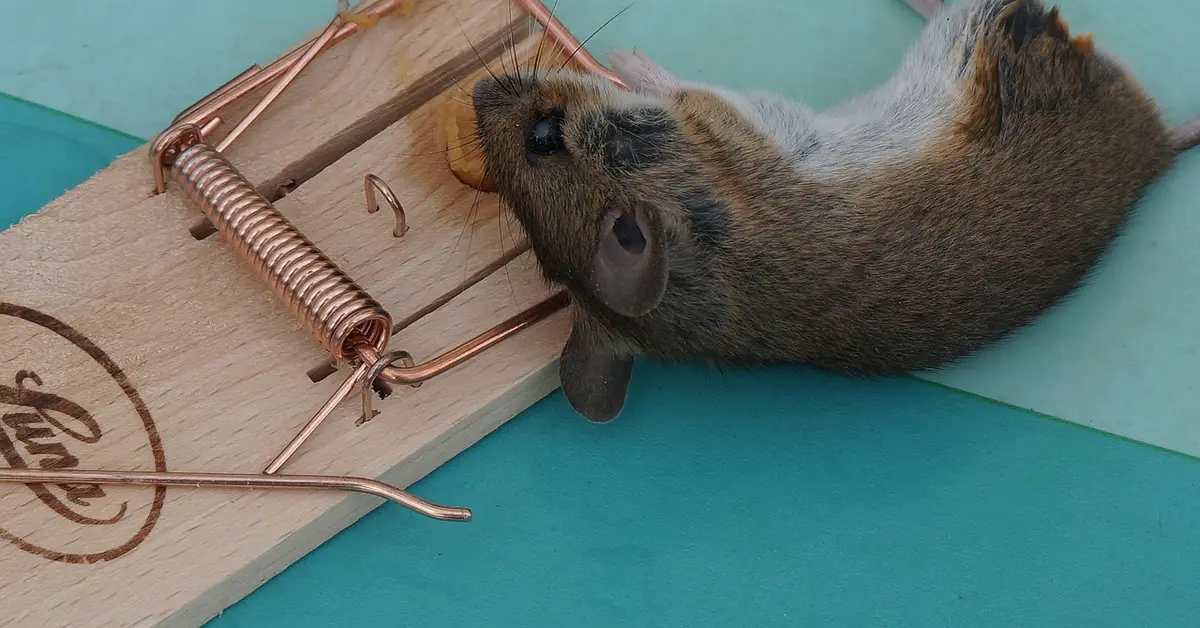
Signs It’s Time to Call a Professional
While the DIY route can be cost-effective and satisfying, there are certain situations where the expertise of a professional becomes necessary for the well-being of your pets and your peace of mind. Knowing when to call for backup is a sign of a responsible pet owner.
You should seriously consider hiring a professional pest control service if you notice any of the following:
- You Have a Large or Recurring Infestation: If you are consistently seeing droppings, hearing noises in the walls, or finding evidence of nesting despite your best DIY efforts, the problem is likely beyond a few simple traps.
- There is Significant Structural Damage: Discovering chewed wires, gnawed pipes, or shredded insulation is a major red flag. This indicates a established, breeding population that requires a more comprehensive strategy to eradicate.
- You Are Unsure About the Safety of Products or Methods: A reputable professional will have access to pet-safe integrated pest management (IPM) strategies and know exactly how to apply them without endangering your animals.
- You Feel Overwhelmed or Anxious: Your mental health matters. The stress of dealing with a persistent pest problem while worrying about your pets’ safety is immense. Bringing in an expert lifts that burden from your shoulders.
When you do contact a professional, your first question must always be about their experience with homes that have small pets. A qualified technician will have a clear, detailed plan for using pet-safe exclusion, trapping, and monitoring instead of relying on broad-spectrum poisons. My anxious mouse, Jeffery, is very sensitive to changes in his environment, so I would need absolute confidence that any treatment would not disrupt his sense of security. With mice in mind, you should expect a rodent control plan focused on rodent exclusion, quick trapping, and ongoing monitoring to prevent reinfestation. This approach should balance effective control with pet safety and minimal disruption to your home environment.
Ultimately, the choice hinges on the scale of the problem and your own capacity to manage it safely. A small, new issue is often a perfect candidate for a careful DIY approach, while a persistent, large-scale infestation almost always warrants a professional’s touch. Trust your instincts-if the situation feels out of your control, it probably is.
Frequently Asked Questions
How can I ensure DIY mice control methods are safe for my pet mice?
To keep your pet mice safe, always use non-toxic, pet-friendly products and methods. Avoid any rodenticides or chemical sprays, and opt for humane live traps or carefully placed snap traps in areas your pets cannot access. Additionally, maintain a clean environment to reduce attractants and regularly inspect for any signs of stress or exposure in your mice during the process.
What should I look for in a DIY pest control supply store when I have pet mice?
Choose a store that offers a range of pet-safe options, such as humane traps, natural deterrents like peppermint oil, and exclusion materials like steel wool and caulk. Look for knowledgeable staff who can guide you toward products specifically labeled as safe for use around small animals, and consider stores that prioritize eco-friendly or integrated pest management supplies to minimize risks to your pets.
Can I trust advice from online forums like Reddit for DIY pest control with pet mice?
While Reddit and similar forums can provide helpful DIY tips and personal experiences, always verify the advice with reliable sources, such as veterinarians or certified pest control professionals, to ensure it’s safe for your pet mice. Be cautious of unverified methods, and focus on threads with active discussions and positive community feedback that emphasize pet safety and humane practices.
Your Path Forward
Ultimately, the best choice for managing mice depends on your unique situation and comfort level. For minor, contained issues, a well-researched DIY approach can be both empowering and cost-effective. You know your home and your pets’ routines better than anyone, allowing you to implement solutions with precision. These same principles apply to keeping a storage unit free of mice. To do that, seal gaps, use rodent-proof containers, and avoid leaving food or scented items visible in the unit.
When the problem feels overwhelming or the safety of your own mice is a primary concern, calling a professional is a wise investment. Their expertise provides a comprehensive, long-term solution that protects the sanctuary you’ve created for your small companions. Trust your judgment, weigh the costs beyond just money, and choose the path that brings you and your mice the most peace.
Further Reading & Sources
- How Much Does a Mice Exterminator Cost? (2025)
- How Much Does a Mouse Exterminator Cost in 2025?
- Get the Best Mouse Pest Control Prices for Your Home – Vinx Pest Control
Isabella is a passionate small pet enthusiast with over 8 years of experience in caring for mice. She loves sharing practical tips and heartfelt stories to help fellow mouse owners provide the best care for their tiny companions.
Professional Pest Control