
Can Bearded Dragons Eat Pinky Mice?
Are you concerned about whether pinky mice are a safe and healthy choice for your bearded dragon’s diet? It’s a common question that many reptile caregivers ponder when exploring feeder options for their scaly companions.
This guide offers straightforward, evidence-based guidance to address your concerns and provide practical feeding advice. We will examine the nutritional profile of pinky mice, outline any associated health risks, and detail the correct way to introduce them to your bearded dragon.
What Are Pinky Mice in Reptile Feeding?
In the world of reptile care, the term “pinky mouse” refers to a newborn mouse, typically one to five days old. These very young feeder mice are named for their soft, pink, hairless appearance and their small, manageable size. They are often sold frozen by pet stores and online suppliers specifically for the purpose of feeding carnivorous and omnivorous reptiles. From my perspective as a mouse owner, it’s a subject that requires a sensitive and pragmatic approach, acknowledging the natural dietary cycle while respecting the life of the feeder animal.
Pinky mice are categorized by their developmental stage, which directly impacts their nutritional content.
Are Pinky Mice Actually Suitable for Bearded Dragons?
Understanding Bearded Dragon Dietary Needs
Bearded dragons are fascinating omnivores, meaning their health depends on a careful mix of plant and animal matter. A balanced diet for a bearded dragon changes significantly as they grow from a speedy juvenile into a more sedentary adult. Juvenile dragons need a diet heavier in protein to support their rapid growth, often consisting of up to 80% live insects like crickets and dubia roaches. Adults, however, thrive on a diet that is primarily leafy greens and vegetables, with protein making up a much smaller portion.
Their digestive systems are designed to process a variety of foods, but they are not built for consistently heavy, fatty meals. Offering the wrong type or amount of protein to an adult dragon can lead to serious health complications, including obesity and organ strain. I always observe my own pets’ eating habits; just as my mouse Kenny is impulsive with sunflower seeds, a bearded dragon might eagerly eat something that isn’t ultimately good for its long-term health. The key is thoughtful moderation and understanding their life stage.
Nutritional Profile of Pinky Mice as Feeders
When considering pinky mice as food, it’s vital to look at what they provide nutritionally. A pinky mouse is essentially a packet of high-fat, high-protein, and high-calcium nourishment, as their bones are not yet fully calcified and are easily digested. They are much softer and contain a different fat-to-protein ratio compared to an adult mouse or even a large insect.
Let’s break down the primary nutritional components:
- Protein: Crucial for muscle development and overall body function.
- Fat: Provides concentrated energy, but too much leads to weight gain.
- Calcium: Absolutely vital for a bearded dragon’s bone health and preventing Metabolic Bone Disease (MBD).
- Hydration: Pinky mice have a high moisture content, which can contribute to a reptile’s fluid intake.
While the calcium content is a benefit, the high fat level is the primary reason pinky mice should be considered a rare treat rather than a staple food. Feeding them too often is like offering rich, decadent dessert at every meal-it might be enjoyed in the moment, but it will cause problems down the line.
When You Should Feed Pinky Mice to Bearded Dragons
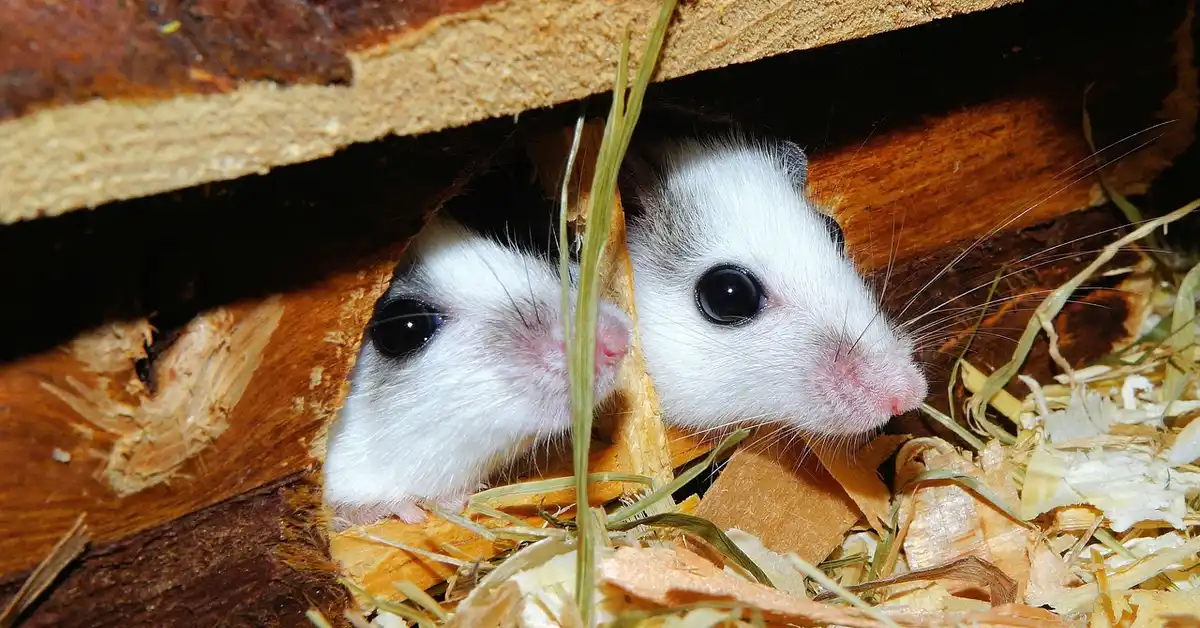
Offering a pinky mouse is a very specific decision for a very specific situation. This should be considered a rare, targeted supplement, not a regular part of their diet. From my own experience observing reptile nutrition, the only time I would ever consider this is for a severely underweight, gravid (egg-carrying), or recovering female who is struggling to regain condition. The sheer density of fat and protein in a single pinky can provide a massive caloric boost that insects alone sometimes cannot match for an animal in dire need. Baby mice used as feeders are commonly called “pinkies”—they’re newborn, hairless mice—while “pup” is a more general term for a young mouse. In this context, “pinky” specifically refers to that newborn stage, not older pups.
Think of it as a medical intervention rather than a treat. You might offer one to a dragon that has been ill and has visible hip bones or a sunken spine. Even then, it is a one-time event to jumpstart weight gain, followed by a return to a balanced insect and vegetable regime. I have only done this a handful of times in decades of keeping reptiles, and it was always with veterinary guidance for a specific, frail animal.
When You Should Never Feed Pinkies to Your Bearded Dragon
Knowing when to avoid pinky mice is far more critical for your dragon’s long-term health. If your bearded dragon is a healthy adult, a growing juvenile, or even slightly overweight, pinky mice are entirely off the menu. Their bodies are not designed to process such rich, fatty meals regularly.
- Healthy Adult Dragons: Their nutritional needs are perfectly met by a staple of gut-loaded insects and fresh greens. Adding pinkies introduces unnecessary and harmful fats.
- Juveniles and Babies: Their tiny digestive systems are incredibly vulnerable. A pinky mouse is a massive, dense item that can easily cause life-threatening impaction.
- Overweight or Obese Dragons: If your dragon already has fat pads on its head or a bulging belly, a pinky mouse is like pouring grease on a fire, accelerating serious health decline.
- As a Regular Treat: This is a dangerous habit. The cumulative effect of extra fat and protein will inevitably lead to liver and kidney strain.
Health Risks of Feeding Mice to Bearded Dragons
While the idea of a whole prey item might seem “natural,” the reality for a captive bearded dragon is far from it. Their lifestyle lacks the immense space and constant activity of the wild, making high-fat foods a significant hazard.
Impaction Risk from Pinky Mice
A pinky mouse is not a soft, easily digested insect. The tiny bones and dense flesh of a pinky mouse form a large, firm mass that can clog your dragon’s digestive tract like a cork in a bottle. This condition, called impaction, is a medical emergency. A dragon’s gut relies on muscular contractions to move food, and a blockage can lead to paralysis, severe pain, and death if not treated urgently. I have seen dragons struggle for days after a single inappropriate meal, a stressful situation for both pet and owner that is entirely preventable.
Nutritional Imbalance and Obesity
Bearded dragons thrive on a balanced ratio of protein, vitamins, and fiber. Pinky mice are nutritional powerhouses in the worst way, delivering a concentrated blast of fat and protein that completely skews their dietary balance. Think of it as feeding a human athlete a diet of pure butter and steak-it lacks the crucial vitamins and roughage found in greens. This leads directly to obesity, fatty liver disease, and gout, a painful condition caused by excessive protein.
Choking and Digestive Issues
The physical size and texture of a pinky mouse present a real mechanical danger. Even a small pinky can be a choking hazard if your dragon tries to swallow it too quickly or from an awkward angle. Beyond that initial danger, the sheer workload of breaking down such a dense item can overwhelm their digestive system, leading to regurgitation, bloating, and profound lethargy as their body dedicates all its energy to a futile digestive battle.
Parasite and Disease Concerns
This is a risk many owners do not consider. Feeder mice, even frozen ones, can carry parasites and bacteria that are not present in a standard insect-and-greens diet. While reputable suppliers minimize this risk, introducing a new animal protein always opens a potential pathway for Salmonella, pinworms, or other pathogens that can sicken your scaly friend, especially if you’re buying from less reliable sources. Sticking to cleaner feeder insects is a much safer bet for maintaining a healthy internal ecosystem.
How to Safely Feed Pinky Mice to Bearded Dragons
Choosing Between Live and Frozen-Thawed Pinkies
When offering pinky mice to your bearded dragon, the choice between live and frozen-thawed options is a big one. Frozen-thawed pinkies are widely recommended because they eliminate the risk of injury to your pet from a live mouse fighting back. Live prey can bite or scratch, causing stress or harm, while thawed pinkies are safer and more convenient to store. From my own observations with small pets like my mouse Jeffery, who is quite timid, I’ve seen how even gentle creatures can react defensively when scared. If you plan to feed frozen mice to snakes, proper thawing and warming frozen mice and handling are important to ensure the prey is safe and readily accepted. Below I’ll include quick tips on thawing and warming frozen mice before feeding. Here’s a quick comparison to help you decide:
- Frozen-thawed: Safer, easier to handle, and reduces ethical concerns about live feeding.
- Live: Can stimulate natural hunting instincts but carries higher risks of injury and stress.
Proper Preparation and Feeding Method
Getting pinky mice ready for your bearded dragon requires careful steps to ensure safety and digestibility. Always thaw frozen pinkies slowly in the refrigerator or a sealed bag in warm water to prevent bacterial growth. Never use a microwave, as it can create hot spots that might burn your pet. Once thawed, pat the pinky dry with a paper towel to remove excess moisture, which helps your dragon grip it better. Offer the pinky with feeding tongs to avoid accidental bites, and place it in a clean feeding dish to keep the enclosure tidy. Watching my curious mouse Kenny explore new objects reminds me how important it is to introduce unfamiliar items slowly and safely for any animal — unlike what you’d want to do if you unexpectedly find a nest of baby mice.
- Thaw the pinky mouse gradually in the fridge or lukewarm water.
- Check that it’s fully defrosted and at room temperature before serving.
- Use tongs to present it, and supervise your dragon during feeding.
Feeding Frequency and Portion Guidelines
Pinky mice should be an occasional treat, not a regular part of your bearded dragon’s diet. Feed pinkies no more than once every two weeks to adult dragons, as they are high in fat and can lead to obesity if overused. For younger dragons, limit it to once a month or less, and always adjust portions based on your pet’s size—a single pinky is usually enough. Overfeeding can cause digestive issues, much like how my older mouse Gregory gets grumpy if he eats too many rich treats. Likewise, pet mice should receive a measured daily portion of staple pellets and only small treats once or twice a week to avoid weight gain. Adjust amounts for age and activity level. Here’s a simple guideline to follow:
- Adults: One pinky every 10-14 days.
- Juveniles: Half a pinky or less monthly, if at all.
- Always monitor your dragon’s weight and behavior to adjust as needed.
Better Protein Alternatives to Pinky Mice
Staple Feeder Insects for Bearded Dragons
If you’re looking for healthier, everyday protein sources, insects are a fantastic choice for bearded dragons. Staple feeders like dubia roaches and crickets provide lean protein and are easier to digest than pinky mice. These insects mimic the natural diet of wild bearded dragons and come in various sizes to suit your pet’s age. I’ve found that variety keeps pets engaged-similar to how my mice enjoy different textures in their food. Here are some top options to include regularly:
- Dubia roaches: High in protein, low in fat, and less likely to carry parasites.
- Crickets: Great for encouraging movement and hunting behavior.
- Black soldier fly larvae: Rich in calcium, reducing the need for supplements.
Supplementation for Nutritional Balance
To keep your bearded dragon thriving, supplements are key for filling any nutritional gaps. Dust insects with a calcium powder containing vitamin D3 a few times a week to support bone health and prevent metabolic bone disease. Multivitamin supplements can be added once or twice weekly, but avoid overdoing it-too much can be harmful. Think of it like balancing the diet for my mice, where a mix of seeds, fruits, and veggies keeps them healthy. A simple routine might look like this:
- Calcium with D3: Dust feeders 2-3 times weekly.
- Multivitamin: Use once weekly, especially for growing dragons.
- Always provide fresh greens and vegetables as a base diet.
Sourcing and Storing Feeder Mice Safely
When it comes to providing feeder mice for reptiles like bearded dragons, ensuring they come from safe, reputable sources is your first line of defense for your pet’s health. I always look for suppliers who prioritize animal welfare and transparency in their breeding practices, even for feeder animals. A clean, well-managed source reduces the risk of introducing parasites or diseases to your reptile.
Finding Trustworthy Suppliers
Not all feeder mice are created equal, and where you get them matters immensely. Reputable pet stores, specialized reptile shops, or certified online breeders are typically your best bets for healthy, humanely raised feeder mice. Avoid sources that cannot provide clear information on the mice’s origin, diet, or living conditions. If you’re seeking a pet mouse rather than feeders, prioritize responsible breeders or rescue groups over pet stores — they often provide better socialization, health histories, and long‑term support. Ask each source about origin, care, and temperament so you can compare breeders, rescues, and stores and choose the best fit.
- Check for clean enclosures and active, alert mice at physical stores.
- Read reviews and ask for recommendations from other reptile owners or veterinarians.
- Ensure the supplier follows ethical guidelines, even if the mice are destined as feeders.
Safe Storage Practices
Proper storage is crucial to maintain the nutritional value and safety of frozen feeder mice. I store my feeder mice in a dedicated freezer compartment to prevent cross-contamination with human food. Always keep them sealed in airtight bags or containers to avoid freezer burn and preserve freshness. Sealing food in airtight containers and keeping storage areas clean also helps prevent attracting mice. Avoid leaving any exposed food nearby that could lure rodents.
- Label bags with the date of purchase to track freshness.
- Thaw frozen mice slowly in the refrigerator or in a sealed bag under cool running water-never use a microwave, as it can create hot spots and degrade nutrients.
- Discard any mice that have been thawed for more than a few hours to prevent bacterial growth.
The Ethics of Feeding Mice to Reptiles
This topic often sparks strong feelings, especially among mouse enthusiasts like myself. While I adore my pet mice Kenny, Gregory, and Jeffery as companions, I recognize that in the reptile world, feeder mice serve a specific nutritional purpose for species like bearded dragons. Mice also play important roles in ecosystems as prey for many predators and as seed dispersers, helping to move and bury seeds that shape plant communities. It’s a personal decision that requires careful thought and respect for all animals involved.
Nutritional Considerations and Alternatives
Bearded dragons can eat pinky mice occasionally, but it’s not a staple in their diet. Pinky mice are high in fat and protein, which can be beneficial for growing or breeding dragons but may lead to obesity if overfed. Many reptile owners, including myself, prefer to rely on insects and vegetables as primary food sources to mimic a more natural diet.
- Offer pinky mice only as an occasional treat, not a regular meal.
- Consider gut-loaded insects like crickets or dubia roaches for balanced nutrition.
- Always monitor your bearded dragon’s health and weight when introducing new foods.
Making a Responsible Choice
As someone who cares deeply for mice, I believe in minimizing suffering wherever possible. If you choose to feed pinky mice, select suppliers who humanely euthanize pinky mice to reduce stress and pain. Be aware that some suppliers use freezing or drowning, practices widely considered inhumane; ask about and avoid those methods. Weigh the benefits against the ethical implications, and explore plant-based or insect-based diets that might better suit your reptile’s needs.
- Consult with a reptile-savvy veterinarian to tailor a diet that supports health without unnecessary feeder use.
- Reflect on your comfort level and the specific needs of your bearded dragon before deciding.
- Remember that responsible pet ownership involves making informed, compassionate choices for all animals in your care.
Frequently Asked Questions
What are bearded dragon fingers?
Bearded dragon fingers refer to the toes on their feet, which are essential for gripping surfaces and climbing. These digits can be prone to health issues like infections or injuries if not monitored, so regular checks and proper habitat maintenance are important for their well-being.
Why are my bearded dragon’s fingers falling off?
If your bearded dragon’s fingers are falling off, it could indicate a serious problem such as infection, trauma, or complications from retained shed constricting blood flow. This requires immediate veterinary care to address the cause, provide treatment, and prevent further harm to your pet.
Why are my bearded dragon’s fingers twitching?
Twitching in bearded dragon fingers may stem from nutritional deficiencies, such as low calcium levels leading to metabolic bone disease, or neurological issues. Stress or improper environmental conditions can also contribute, so consult a veterinarian for a proper diagnosis and tailored care plan.
Your Path Forward
Feeding pinky mice to your bearded dragon can be a safe, occasional option when done thoughtfully and in moderation. Always prioritize a varied, species-appropriate diet to keep your scaly friend thriving and avoid over-reliance on any single food source.
Trust your growing knowledge and consult with a reptile-savvy vet to tailor choices that support a long, healthy life for your pet.
Further Reading & Sources
- r/BeardedDragons on Reddit: Beardies and Pinkie mice 🙁
- Is it OK to Feed Bearded Dragons Pinkies? | Reptile Supply
- Feeding Bearded Dragons Frozen Mice
Isabella is a passionate small pet enthusiast with over 8 years of experience in caring for mice. She loves sharing practical tips and heartfelt stories to help fellow mouse owners provide the best care for their tiny companions.
Diet Basics