
Cage Aggression and Territoriality: How to Manage It
Have you ever watched your mice tussle over a favorite hideout or seen one guard the food bowl like a tiny, furry sentinel? As someone who’s cared for curious adventurers like Kenny and cautious mentors like Gregory, I know how worrying cage conflicts can feel-but you’re not alone in this. This guide will walk you through clear, actionable steps to ease tensions and help your mice live together peacefully.
We’ll cover recognizing the subtle signs of stress and territorial behavior, adjusting your cage setup to minimize triggers, and introducing routines that promote calm and cooperation so your little companions can enjoy a happier home.
Understanding Cage Aggression and Territoriality in Mice
Cage aggression involves hostile actions like fighting or bullying among cage mates, often triggered by stress or competition. Territoriality is when a mouse defends a specific area, such as a favorite hideout or food dish, as its own personal space.
While aggression can be a sudden, reactive outburst, territorial behavior is usually more deliberate and focused on controlling resources.
- Aggression might flare up during feeding times or when new mice are introduced.
- Territorial disputes often occur when space feels cramped or invaded.
Resource guarding is a common cause, where mice protect essentials like food, water, or nesting materials from others. To reduce these conflicts and help prevent mice, store food securely in sealed containers and keep pantry areas clean. This minimizes access to resources and lowers the motivation for guarding. Social hierarchy also plays a role; dominant mice may assert control, leading to tension within the group.
In my own mouse family, I’ve noticed that Kenny’s bold nature sometimes sparks squabbles over toys, while Gregory’s calm presence helps keep the peace.
These behaviors are fairly common in multi-mouse setups and can harm welfare by causing injuries, chronic stress, or reduced quality of life. Early attention helps prevent long-term issues.
Recognizing Signs of Aggression and Territorial Disputes
Observable behaviors include chasing, where one mouse relentlessly pursues another, often ending in scuffles. Biting is a clear red flag, and barbering—excessive fur chewing—can signal underlying tension. Distinguishing normal dominance from bullying helps spot unhealthy mouse relationships. Persistent, injurious chasing signals a welfare concern and may require intervention.
- Vocalizations like sharp squeaks, chattering, or hissing indicate discomfort or alarm.
- Watch for repeated cornering or blocking access to resources.
Body language cues are vital; piloerection, where fur puffs up, makes a mouse appear larger and more threatening. Stiff postures, arched backs, or raised tails show they’re poised for conflict. In this mouse body language head tail guide, head position and tail cues reveal intent. Learn to read these signals to understand mood and anticipate behavior.
I’ve seen Jeffery’s twitchy movements and nervous squeaks when he feels crowded, which clues me in to check the group dynamics.
Monitoring signals for early risk assessment include changes in eating habits, increased hiding, or avoiding certain cage areas. Regular observation lets you step in before minor disputes escalate.
Common Causes and Triggers of Cage Aggression
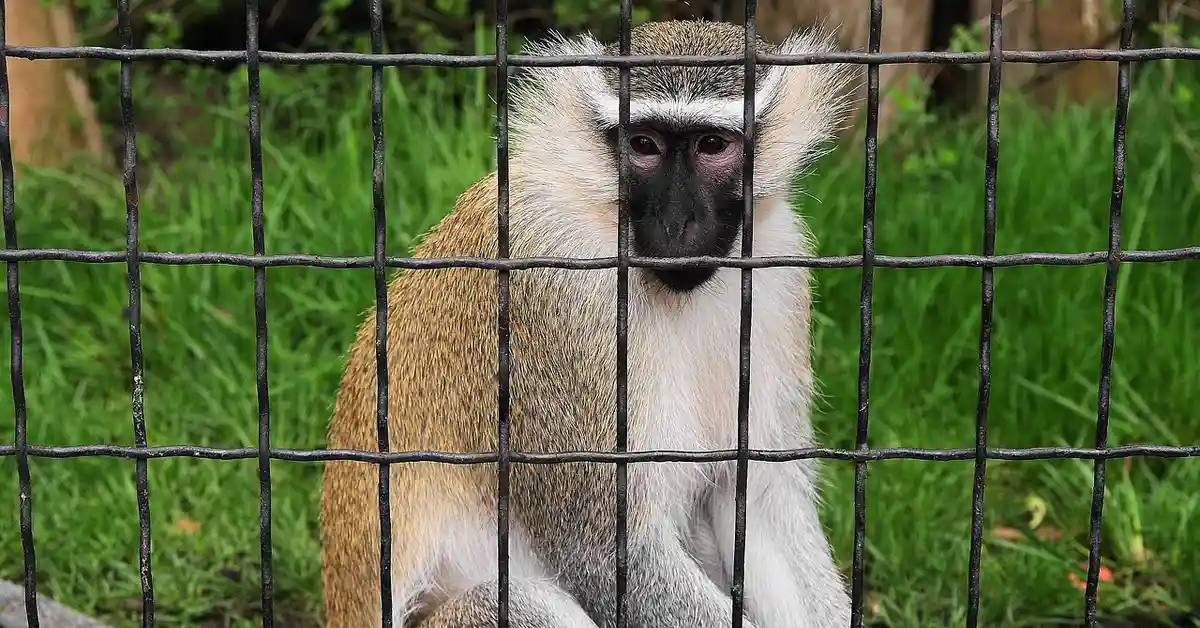
Seeing your mice squabble can be worrying, but aggression usually has a clear root cause that you can address. Understanding why fights start—like changes in space, resources, or companions—helps you target the right fixes. Pinpointing the specific trigger is your first and most powerful step toward a peaceful cage.
Environmental and Social Stressors
Mice are creatures of habit, and their small world is deeply affected by its setup and their companions.
- Overcrowding: Even mice who get along need personal space. A cage that is too small forces constant interaction and removes any chance for a mouse to have a moment alone, leading to frayed nerves and short tempers.
- Sudden Changes: A quick cage clean, moving furniture around, or introducing a new toy without a proper scent-introduction can be deeply unsettling. I’ve seen my bold mouse, Kenny, get visibly agitated after a too-thorough cleaning that removed all his familiar smells.
- Inadequate Space Needs: Mice need more than just floor space. A lack of vertical climbing opportunities or a long, flat cage can create “dead ends” where a subordinate mouse gets trapped by a more dominant one.
Resource-Related Triggers
Competition for life’s essentials is a prime driver of conflict.
- Feeding Routines: Placing one food bowl in a single location creates a bottleneck. The most assertive mouse will guard it, preventing shyer companions like my Jeffery from eating enough.
- Lack of Hiding Spots: Without multiple secure hides, a stressed mouse has nowhere to retreat and decompress. This constant state of vulnerability can make any mouse irritable and defensive.
- Scarce Resources: This extends beyond food to water bottles, the best nesting material, and even the most coveted sleeping spot. If there’s only one “prime” resource, mice will fight to control it.
Social Group Factors
The personalities in the group and how they came together set the stage for long-term harmony or friction.
- Group Dynamics: An imbalance, like having one very dominant mouse and several submissive ones, can work, but pairing two highly dominant personalities often leads to a power struggle. My calm, older mouse Gregory often acts as a neutral mediator.
- Introduction Mishaps: Rushing the process of introducing new mice is perhaps the most common mistake. Throwing a new mouse into an established group’s territory is a recipe for a territorial attack, not a friendly welcome.
Step-by-Step Management and Intervention Plans
When tensions rise, a structured and patient approach can help your mice rebuild their relationships. Consistency and patience are not just virtues here; they are your most essential tools.
A Gradual Desensitization Plan
This method slowly reacquaints mice on neutral ground, rebuilding positive associations.
- Complete Separation: House the aggressive mouse and his target(s) in entirely different cages where they cannot see or touch each other. This is a mandatory cool-down period.
- Scent Swapping: After a day or two, swap a handful of bedding or a small hide between the cages daily. This lets them get used to each other’s scent without the stress of a face-to-face meeting.
- Neutral Territory Introduction: Use a bathtub, a clean plastic bin, or a tabletop-any space neither mouse has claimed. Smear a tiny dab of something tasty like yogurt or baby food on each mouse’s fur to encourage neutral, positive interaction (grooming each other). Keep sessions short (5-10 minutes).
- Gradual Exposure: Repeat neutral territory meetings daily, slowly increasing the time as long as behavior remains calm or only involves normal, non-aggressive squabbling.
Positive Reinforcement and Counterconditioning
You can actively change how your mice feel about each other’s presence.
- Associate Presence with Good Things: During the neutral territory meetings, offer incredibly high-value treats that they only get during these sessions, like a small piece of walnut or a sunflower seed.
- Reward Calm Behavior: The moment you see them sitting near each other without tension or investigating each other without puffing up, immediately give a treat. You are teaching them that good things happen when their friend is around.
When to Use Separate Housing
Sometimes, for the safety and well-being of all involved, separation is the kindest choice.
- Safety Guidelines: Separate mice immediately if you see any biting that draws blood, relentless chasing that doesn’t stop, or any sign of injury. Do not let them “fight it out.”
- Permanent Separation: If, after multiple careful re-introduction attempts, serious aggression continues, the mice may be incompatible. It is far better to house them separately than to subject them to constant stress and risk of injury.
Environmental Enrichment to Reduce Territoriality
A thoughtfully designed cage doesn’t just look good; it actively promotes peace by eliminating reasons to fight. A busy, stimulated mouse is far less concerned with guarding territory. In the ultimate guide to mouse cages, you’ll learn how proper enclosures boost harmony and well-being. Practical tips on layout and enrichment await you.
Enrichment Devices and Structures
Fill the cage with opportunities for activity and exploration.
- Wheels: Provide at least one appropriately sized, solid-surface wheel. Ideally, offer more than one to prevent guarding. A good wheel is an excellent outlet for pent-up energy.
- Tunnels and Tubes: Create a complex network of passageways using cardboard tubes, plastic tunnels, or PVC pipes. This allows mice to move around without always being in each other’s line of sight.
- Vertical Space: Use ropes, ladders, branches, and multiple platforms to encourage climbing. Utilizing the upper area of the cage dramatically increases the usable territory and reduces congestion on the floor.
The Critical Role of Hiding Spots and Resources
This is the cornerstone of preventing resource-based conflict.
- Multiple Hiding Spots: You need at least one more hide than you have mice. Offer a variety-enclosed igloos, open platforms, woven grass huts, and tissue boxes. This ensures every mouse can find a secure place to sleep.
- Duplication of Essentials: Never have just one of anything vital. Use multiple food dishes placed far apart, and if possible, a second water source. Abundance, not scarcity, eliminates the need to fight for survival.
Cage Setup Tips for Harmony
Think like a mouse when you arrange their home.
- Prevent Dead Ends: Arrange hides and furniture so no mouse can get cornered. All pathways should have at least two exits.
- Encourage Natural Behaviors: Scatter food instead of using only bowls to promote foraging. Provide dig boxes with coconut soil or crinkled paper. A mouse engaged in natural behaviors is a content mouse.
- Minimize Stress During Cleaning: Never clean the entire cage at once. Always leave a section of old, scent-marked bedding to maintain a familiar smell and reduce post-cleaning territorial disputes.
When to Seek Veterinary or Behavioral Consultation
If your mouse’s aggression seems sudden or intense, a veterinary check can uncover hidden health problems like pain or infections that trigger defensive behavior. Sudden changes in temperament often signal underlying issues that need professional diagnosis, especially if you wonder why your mouse is suddenly aggressive.
- Schedule a vet visit if you notice signs like weight loss, lethargy, or unusual vocalizations alongside aggression.
- Common health culprits include dental pain, respiratory infections, or parasites that make mice irritable.
- Regular wellness exams help catch problems early, reducing stress-related territorial disputes.
Neutering or spaying can lower hormone-driven aggression, especially in male mice who compete for dominance. This procedure often calms group dynamics but requires a vet experienced with small animals to minimize risks.
- Consider this option for persistent fighting that doesn’t improve with environmental changes.
- Recovery is typically quick, and I’ve seen it help in multi-mouse setups like my own with Kenny and Gregory.
- Weigh the benefits against the stress of surgery, as it’s not a universal solution.
When aggression continues despite your efforts, seek advice from rodent behavior specialists or online communities for tailored strategies. Persistent issues might need expert intervention to prevent injury and improve quality of life.
- Look for resources like forums or books focused on mouse ethology to deepen your understanding.
- Consult a vet if injuries occur or if one mouse is consistently bullied, as separation may be necessary.
- Educate yourself on species-specific cues-what works for dogs won’t always apply here.
Comparing Mouse Management to Other Pet Approaches
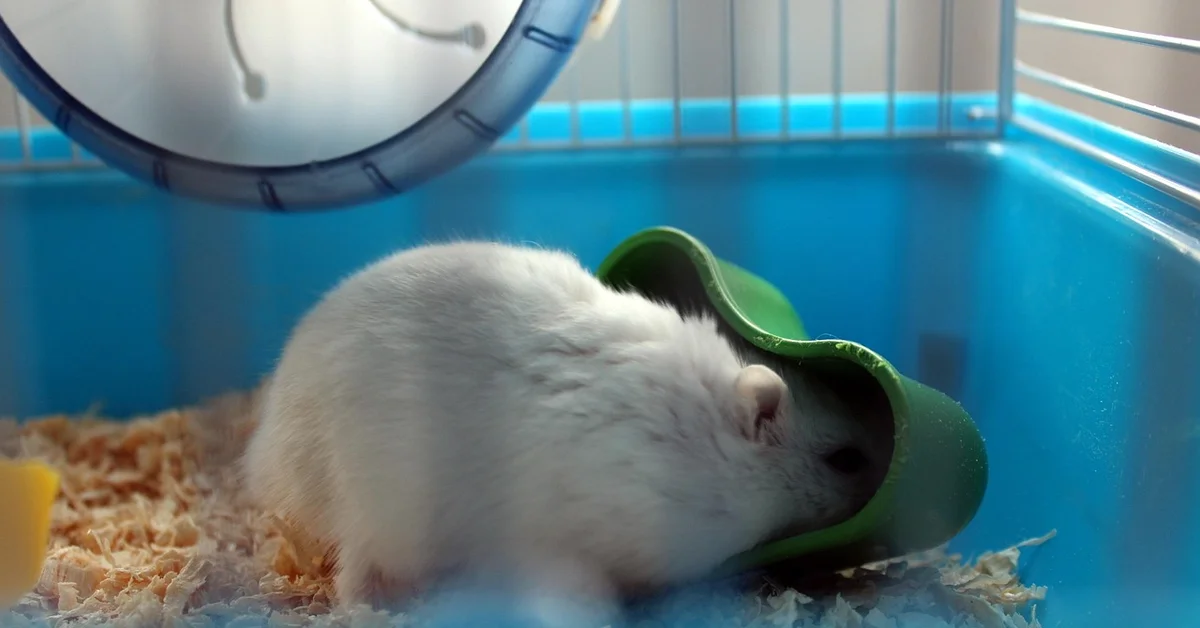
Managing cage aggression in mice differs vastly from handling dogs, where training commands and socialization play bigger roles. Mice rely more on environmental stability than obedience, making their care uniquely sensitive to small changes. In a mouse social behavior guide, some mice thrive in solitary housing due to aggression or stress. Others do well when kept in compatible social groups.
- Dogs might respond to verbal corrections, but mice interpret sudden movements or loud noises as threats.
- In my experience, gentle handling and predictable routines work better than discipline for mice like Jeffery, who startles easily.
- Focus on creating a safe habitat rather than expecting mice to learn complex behaviors.
General pet training methods often fail with mice because they’re prey animals with instinctual, not learned, aggression. Tailoring your approach to their natural behaviors prevents frustration and builds trust. A target training step-by-step guide can translate these principles into practical, easy-to-follow actions for training mice. It offers a structured way to practice patience and consistency.
- Avoid punishment-based techniques, which can increase fear and territoriality in mice.
- Instead of rewards for good behavior, use enrichment like tunnels and hiding spots to reduce stress.
- Observe their social hierarchy-what calms one group might not suit another, as I’ve seen with my trio’s dynamics.
Embrace species-specific strategies that honor mice’s needs for security and social structure. Customizing care based on individual personalities leads to happier, healthier pets. Understanding their social behavior—how mice form bonds and choose mates—can guide how you manage group housing and mating. A well-supported social life reduces stress and fosters natural mating behaviors.
- Research mouse-specific resources to avoid applying cat or bird advice that could worsen aggression.
- Simple adjustments, like adding multiple food stations, can mirror their wild foraging habits and ease tensions.
- Remember, patience and observation are your best tools for fostering a peaceful mouse home.
Frequently Asked Questions
Can I use dog training methods to manage cage aggression in mice?
No, dog training methods like verbal corrections or punishment are generally ineffective and can worsen aggression in mice. Mice are prey animals with instinctual behaviors, so techniques focused on environmental stability and positive reinforcement work better to reduce stress and territorial disputes.
What is the role of training in managing mouse cage aggression?
Training for mice involves gentle, consistent methods like counterconditioning to build positive associations between cage mates. This includes rewarding calm interactions with treats during neutral territory introductions, which helps reduce fear and aggression over time.
How does cage aggression management for mice differ from that for dogs?
Mice management prioritizes environmental adjustments, such as adding multiple hides and resources, while dog approaches often include obedience training and socialization. Mice rely on scent and habitat stability, making their care more focused on preventing triggers rather than teaching commands.
Wrapping Up
Managing cage aggression is less about fighting your mice’s nature and more about shaping their environment to promote peace. Providing ample space, multiple hideouts, and resources for every mouse can transform a tense cage into a harmonious home. There’s a common myth of minimal cage size that is enough for pet mice. In reality, more space and enrichment are key to reducing aggression and promoting welfare.
Your patient observation and willingness to adjust their living situation are the most powerful tools you have. With a thoughtful approach, you can guide your little companions toward a more settled, content coexistence.
Further Reading & Sources
- Territorial Aggression – CHICAGO EXOTICS ANIMAL HOSPITAL
- CAGE RAGE! What it is and how to manage it. – Loved at Last Dog Rescue
- Technique for producing and measuring territorial aggression using laboratory mice – PubMed
Isabella is a passionate small pet enthusiast with over 8 years of experience in caring for mice. She loves sharing practical tips and heartfelt stories to help fellow mouse owners provide the best care for their tiny companions.
Common Behavioral Issues