
Caring for Your Sick Mouse: How to Create a Hospital Cage at Home
Is your mouse feeling unwell, and you’re worried about giving them the best chance to recover comfortably and safely? Watching a tiny pet feel poorly can be incredibly stressful, but with the right setup, you can provide a huge amount of support right from home. This guide will walk you through the simple, step-by-step process of creating a “hospital cage”-a specialized environment designed to reduce stress and promote healing for your little friend.
We will cover the essential supplies you need to gather, how to set up the cage for maximum comfort and safety, and the daily care routines that make the biggest difference in your mouse’s recovery.
Recognizing When Your Mouse Needs a Hospital Cage
Your little friend can’t tell you they feel unwell, so learning to read their subtle signals is your first line of defense. A healthy mouse is a creature of busy habit, so any deviation from their normal routine is your biggest clue that something is amiss. I’ve learned to watch my own mice closely; when Kenny, who is usually a whirlwind of energy, becomes still and withdrawn, I know it’s time for extra attention.
Look for these specific changes in behavior and appearance that signal it’s time for a hospital cage setup:
- Lethargy and Hiding: A mouse that spends all day tucked in a hide, not engaging with cage mates or exploring, is likely conserving energy to fight an illness.
- Changes in Eating and Drinking: You might notice a full food dish or a dry water bottle. Weight loss can happen quickly, making their spine feel prominent or their body look pinched.
- Ruffled, Puffed-Up Fur: A sick mouse often lacks the energy to groom properly. Their coat will look unkempt and stand away from their body, a classic sign of distress.
- Squinted or Half-Closed Eyes: Bright, shiny eyes indicate wellness. If your mouse’s eyes are frequently closed or look dull, they are not feeling their best.
- Hunched Posture or Reluctance to Move: Pain or general misery will cause a mouse to sit in a hunched ball, often shivering slightly.
- Audible Breathing: Listen carefully. Any wheezing, clicking, or congestion sounds from their nose or chest are urgent signs of a respiratory issue.
What You Need Before Setting Up a Hospital Cage
Preparation is everything. Having all your supplies ready before you move your sick mouse will make the process calm and efficient, reducing stress for both of you. I keep a dedicated plastic storage bin and a box of supplies just for this purpose, so I can spring into action without a frantic search. When you need to get your mouse to the vet, have a secure, well‑ventilated carrier lined with soft bedding and a gentle heat source ready, and call the clinic on your way. Bring a small towel, any medications, and your mouse’s records to help the vet assess them quickly.
Gather these essential items to create a safe, sterile, and comfortable recovery space.
The Enclosure and Bedding
- A Small, Simple Enclosure: A 10-gallon aquarium or a plastic storage bin works perfectly. The goal is a small, single-level space that is easy to keep clean and prevents your mouse from having to climb.
- Safe, Simple Bedding: Avoid dusty shavings or fluffy bedding. Use plain, unscented paper bedding or cut-up fleece strips. These are soft, low-dust, and easy to change out frequently.
- Paper Towels or Tissues: These are invaluable for quick spot-cleaning and for providing a temporary, ultra-clean surface.
Heat and Comfort Sources
- A Safe Heat Source: Sick mice cannot regulate their body temperature well. A microwavable heat pad or a reptile heat mat placed under only one-half of the cage creates a warm zone. Always ensure there is a cool area for the mouse to move to if it gets too warm.
- Soft Hides and Nesting Material: Provide a small, enclosed hideout like a cardboard box or a plastic hut. Offer unscented tissues or toilet paper for them to shred and build a comforting nest.
Food, Hydration, and Care Items
- High-Value, Easy-to-Eat Foods: Your mouse may not have the energy for hard food blocks. Offer soft, smelly, and enticing foods like baby food (pure vegetable or meat), soaked lab blocks, oatmeal, or scrambled egg.
- Multiple Water Sources: Place a shallow water dish in addition to the water bottle. A weak mouse might not be able to reach the spout, and a dish is easier to access.
- Critical Care or Recovery Food: This is a powdered, complete nutrition formula you mix with water. It’s a lifesaver for getting calories into a mouse that isn’t eating solid food.
- A Small Syringe (1ml): For hand-feeding water, Critical Care, or liquid medication as directed by your veterinarian.
How to Set Up the Hospital Cage Step by Step
Choosing the Right Bedding for a Sick Mouse
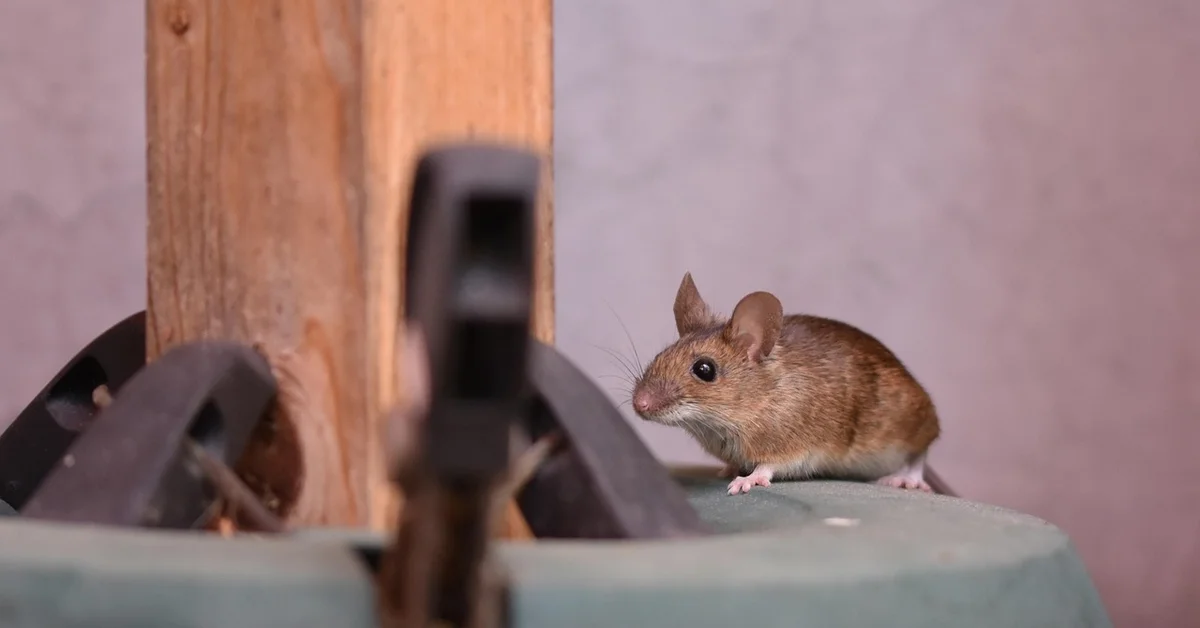
When your mouse is unwell, their usual bedding might be too dusty or difficult to navigate. I always switch to a simple, flat layer of white, unscented paper-based bedding for any of my mice needing recovery time. This type of bedding is incredibly soft, highly absorbent, and produces virtually no dust that could irritate sensitive respiratory systems. Avoid fluffy, loose substrates like cotton or hay, as these can pose a serious entanglement or ingestion risk. A thinner layer is easier for you to monitor for soiled areas and is less taxing for a weak mouse to move through. For this reason, it’s worth choosing one of the best dust-free beddings for mice. Options like plain paper pulp, compressed paper pellets, or kiln-dried aspen give low dust with good absorbency and safety.
Maintaining Proper Warmth and Temperature
A sick mouse struggles to regulate its body temperature, and chilling is a genuine danger. Providing a consistent, gentle heat source is one of the most critical aspects of supportive care. I never place a heat source inside the cage where a disoriented mouse could crawl on it and get burned. Instead, I place a microwavable heat pad or a reptile heat pad (set to low) underneath only one-half of the cage’s base. This creates a vital temperature gradient, allowing your mouse to choose the warmth it needs or move to a cooler spot if it becomes too warm. The ideal ambient temperature for the warm side should be around 75-80°F (24-27°C). Proper placement of the cage is also essential to maintain stable temperatures.
Daily Care Routines for Your Sick Mouse
Hydration and Syringe Feeding Techniques
A mouse can deteriorate quickly without proper hydration and nutrition. Offering water from a shallow dish in addition to their bottle can make drinking much less effort for a lethargic pet. If they aren’t drinking, you may need to provide fluids via a syringe. Use a 1ml syringe without a needle, and offer plain water or an unflavored pediatric electrolyte solution drop by drop onto their lips. For food, I prepare a slurry by mashing their regular lab block with water or sugar-free baby food into a smooth, liquid-consistency paste. Gently hold your mouse upright and place tiny drops on their mouth, allowing them to lick and swallow at their own pace. These techniques are especially important when raising orphaned mouse pups, who cannot feed themselves and need frequent, gentle hand‑feeding. Young pups also require close monitoring and warmth in addition to careful hydration and nutrition.
- Use a 1ml syringe for precise control.
- Offer fluids and food in tiny, frequent amounts.
- Always let the mouse swallow before offering more.
- Never squirt liquid into the back of the throat.
Medication Administration and Wound Care Basics
Giving medication requires a calm and steady hand. For oral liquid medicine, I find the most success by approaching from the side of the mouth, just behind the front teeth, rather than head-on. Gently insert the syringe tip into the gap and dispense a single, small dose. If your mouse has a wound, keeping the area clean is the top priority. Use a saline solution or warm water on a cotton swab to gently clean the site once or twice a day. Your veterinarian may prescribe a topical ointment; apply a thin layer only after the area is clean and dry. An Elizabethan collar is a last resort, as it is incredibly stressful for a mouse.
Hygiene and Cleaning Protocols for the Hospital Cage
A clean environment is non-negotiable for a mouse with a compromised immune system, but full cage cleanings can be highly stressful. I practice “spot cleaning” multiple times a day, removing only soiled bedding and wiping the immediate area with a pet-safe disinfectant. This method maintains hygiene without completely disrupting the familiar scent-scape that provides comfort. Adopt a simple daily/weekly/monthly routine: daily spot-cleaning, a weekly full substrate change, and a monthly deep clean of toys and the entire cage. This schedule helps maintain hygiene while minimizing stress for your mouse. A full substrate change should be done less frequently than usual, perhaps only once a week unless heavily soiled. Always wash your hands thoroughly before and after handling your sick mouse or any items in their cage to prevent the spread of pathogens.
- Perform spot cleans 2-3 times daily.
- Use a pet-safe disinfectant on soiled plastic surfaces.
- Replace food and water dishes with freshly cleaned ones daily.
- Schedule full cage cleanings only when necessary to minimize stress.
Monitoring Your Mouse and Knowing When to Call the Vet
Keeping a close watch on your sick mouse helps you catch subtle changes that signal improvement or decline. Daily observation becomes your most powerful tool for gauging their health and comfort. I make it a habit to sit quietly by the hospital cage multiple times a day, noting even the smallest details in behavior and appearance. To make those observations actionable, I’ve put together a simple daily mouse care checklist with five practical tips. Use it to structure your checks and record any changes so you can respond quickly.
Key Signs to Track Every Day
- Activity level: Is your mouse moving around, grooming, or mostly still?
- Appetite and water intake: Measure food and water amounts to spot decreases.
- Breathing: Listen for wheezing or labored breaths; watch for rapid chest movements.
- Posture: A hunched back or puffed-up fur often means pain or discomfort.
- Weight: Use a small kitchen scale to track grams lost or gained.
- Eyes and nose: Check for discharge, redness, or squinting.
When Gregory had a respiratory scare, his steady breathing turned shallow and quick overnight. Trust your instincts-if something feels off, it probably is, and acting fast can make all the difference. Mice hide illness well, so consistent monitoring reveals truths their brave little faces might conceal.
Red Flags That Require Immediate Veterinary Attention
- No interest in food or water for over 12 hours
- Visible weight loss or dehydration (check by gently pinching skin)
- Lethargy so severe they cannot move or respond to touch
- Blood in urine, feces, or from any orifice
- Seizures, tilting head, or circling repeatedly
- Open wounds or swelling that worsens quickly
Jeffery once stopped eating his favorite berry crumbs, and I knew it was time to call the vet right away. Waiting too long can turn a manageable issue into a critical emergency, so err on the side of caution. Have your vet’s contact handy and describe symptoms clearly, like changes in noise or movement patterns.
Reintroducing Your Mouse After Recovery

Reuniting your mouse with cage mates after illness needs patience and care to prevent stress or conflict. A slow, supervised process ensures your recovered friend settles back in smoothly and safely. I always start reintroductions in a neutral space where no mouse has established territory. Keep in mind some mice are naturally solitary while others are more social—consult a mouse social behavior guide to decide whether gradual reintroduction or a permanent solo setup is best. If you notice ongoing stress or aggression, be prepared to provide separate housing for the mouse’s well-being.
Step-by-Step Guide to Safe Reintroduction
- Choose a neutral area: Use a clean bin or playpen none of the mice recognize.
- Supervise closely: Watch for an hour, noting any chasing, biting, or excessive mounting.
- Swap bedding first: Move scented bedding between cages days before to mix smells.
- Provide distractions: Scatter treats like sunflower seeds to encourage positive interactions.
- Gradual integration: If all goes well, allow short, increasing visits in the main cage.
After Kenny’s recovery from a minor infection, his bold nature made reintroduction tricky until I used treat-based distractions. Rushing this step can undo all your nursing efforts, so prioritize a calm, step-by-step approach. Watch for happy signs like mutual grooming or sleeping together, which show acceptance.
What to Do If Issues Arise
- Separate immediately if fighting occurs, and try again later.
- Use a divider in the cage to let them see and smell each other without contact.
- Consult your vet if aggression persists; sometimes health issues linger unseen.
Mice like Jeffrey, who’s naturally anxious, may need extra reassurance during this phase. Successful reintroduction blends observation with gentle encouragement, helping your mouse family find its rhythm again. With time, most groups welcome back their member, especially if you maintain familiar routines and comforting scents. If your pet shows signs of fear or anxiety—freezing, hiding, or increased nipping—offer calm, predictable care and extra hiding spots. Gentle handling, a soft voice, and returning familiar scents can help a scared mouse settle back in.
Frequently Asked Questions
Who is typically responsible for caring for a sick mouse at home?
The primary caregiver for a sick mouse is usually the pet owner, as they are most familiar with the mouse’s normal behavior and can provide consistent, gentle support. It’s important to designate one person to handle daily routines like feeding and cleaning to minimize stress, but family members can assist with monitoring. If the owner is unavailable, a trusted person with basic knowledge of mouse care should step in, though consulting a veterinarian for guidance is always recommended to ensure proper handling.
What should be included in a sick mouse care package for emergency situations?
A well-prepared sick mouse care package should contain essentials for immediate response, such as a small, clean enclosure, paper-based bedding, a safe heat source, and soft hides for comfort. Additionally, include high-value foods like baby food or recovery formula, a 1ml syringe for feeding, and basic first-aid items like saline solution for wound care. Having this kit ready allows for quick setup of a hospital cage, reducing delay in providing critical care during sudden illnesses.
What are the most important care tips for beginners nursing a sick mouse?
For beginners, focus on maintaining a calm environment and closely observing your mouse’s behavior for any changes, as stress can hinder recovery. Start with simple steps like ensuring easy access to water and soft foods, and avoid overhandling your mouse to prevent additional strain. Always have a veterinarian’s contact handy and don’t hesitate to seek professional advice if you’re unsure, as early intervention can significantly improve outcomes.
Your Path Forward
Creating a hospital cage is a simple act of profound care that gives your small friend the best possible chance at recovery. By focusing on warmth, easy access to food and water, and a calm, quiet environment, you are providing the supportive foundation their body needs to heal. Keeping the cage clean and hygienic reduces the risk of infections and other common ailments, so your pet can recover without added complications. Regularly removing waste and sanitizing surfaces helps prevent respiratory and skin problems and supports faster healing.
Trust your instincts and watch for those small signs of improvement-a renewed interest in a favorite treat or a brighter look in their eyes. Your attentive, loving care makes all the difference in their world, transforming a scary situation into a manageable journey you take together.
Further Reading & Sources
- Health, Housing, & Husbandry | The Jackson Laboratory
- AFRMA – A House for your Mouse (or rat) (Cages) – Part 2
- Terrible Mouse (Web Animation) – TV Tropes
Isabella is a passionate small pet enthusiast with over 8 years of experience in caring for mice. She loves sharing practical tips and heartfelt stories to help fellow mouse owners provide the best care for their tiny companions.
Cage Types