
Common Complications During Breeding and Birth in Pet Mice
Have you ever lain awake at night, worrying about the health risks your mice might face during breeding or birth? That gnawing concern is completely normal, and many mouse owners share those same fears for their tiny companions.
This guide will walk you through recognizing and managing these challenges with clear, actionable steps. We will detail how to identify early signs of trouble, establish a safe environment, and determine the right time to seek expert veterinary care for your mice.
Recognizing Labor and Delivery Complications
Witnessing a mouse give birth can be a beautiful experience, but it’s vital to know when things are veering off course. Trust your gut; if something feels wrong, it often is, and your swift observation can make all the difference for the mother.
Dystocia: When Birth Doesn’t Progress Normally
Dystocia simply means a difficult or prolonged birth. A typical mouse delivery is surprisingly quick, with pups arriving in rapid succession. You should be concerned if you observe these signs:
- Active, strong straining for more than 15-20 minutes without producing a pup.
- Visible exhaustion, where the mother appears weak and stops pushing altogether.
- A pup visibly stuck at the birth canal for more than a few minutes.
- More than 30-60 minutes passing between the birth of individual pups.
This is a time-sensitive situation requiring immediate veterinary assistance, as both the mother and unborn pups are at severe risk. The stress on the mother is considerable, especially when considering how to care for orphaned pups afterward.
Malpresentation and Positioning Problems
Ideally, pups are born head-first. Sometimes, they come out breech (backwards) or with a limb stuck, which can complicate the process.
- Breech births are common and many mothers can handle them, but prolonged straining is a red flag.
- You might see a tiny foot or tail presenting first instead of the nose.
- A pup partially delivered but not progressing is a clear sign of a positioning issue.
Never attempt to pull a stuck pup yourself, as this can cause catastrophic injury; your role is to identify the problem and seek professional help.
Uterine Inertia and Weak Contractions
Sometimes, the uterus simply tires out and stops contracting effectively. This can happen at the start of labor or partway through.
- Primary Inertia: Labor never properly begins, despite obvious signs of pregnancy and discomfort.
- Secondary Inertia: Labor starts normally but then stops before all pups are delivered.
This condition is often linked to an oversized litter, a single very large pup, or poor maternal health. The mother mouse will seem listless and disinterested in the birthing process, a stark contrast to her usual focused behavior.
Hemorrhage and Bleeding Emergencies
Some bleeding during and after birth is normal, but it should be minimal. Recognizing a bleeding emergency is a critical skill for any mouse owner.
Postpartum Hemorrhage Warning Signs
This refers to excessive bleeding after all the pups have been delivered. Keep a watchful eye on the mother for the first few hours.
- Bright red blood continuously soaking into the bedding, not just small spots.
- The mother appears pale, especially around her ears, feet, and tail.
- She becomes weak, cold to the touch, and unresponsive.
- Rapid, shallow breathing is a sign of shock from blood loss.
A small amount of dark red discharge is normal for a day or two, but a constant flow of fresh blood is a dire emergency.
Uterine Rupture: A Critical Emergency
This is a rare but life-threatening complication where the uterus tears. It can be caused by a malpresented pup, a too-large pup, or excessive straining.
- The mother will show signs of acute, severe pain-hunching, crying out, or freezing.
- You may see a sudden, significant gush of blood.
- Her abdomen may become firm, swollen, or feel abnormal.
- She will deteriorate very rapidly, becoming shocky and uncoordinated.
Uterine rupture is almost always fatal without immediate surgical intervention; this is a race against the clock to get to an exotics vet.
Retained Placenta and Afterbirth Issues
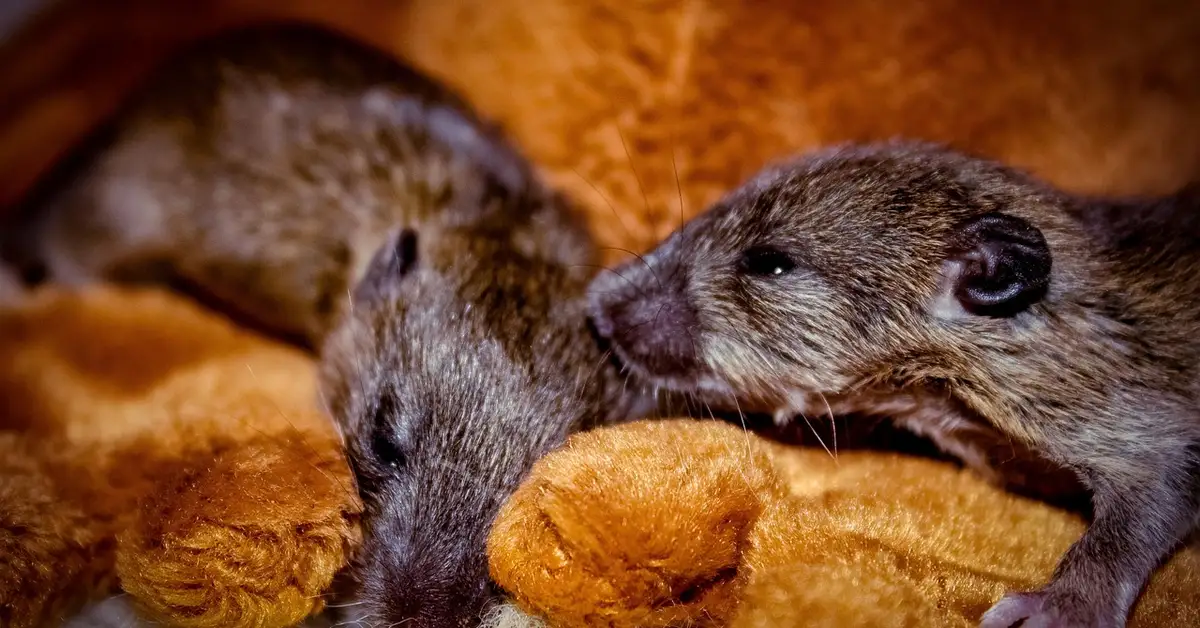
After the final pup arrives, a mouse should expel the placenta, the life-support organ for her developing babies. When this afterbirth is not passed completely, it creates a serious and urgent health situation. A retained placenta acts as a source of internal infection, releasing toxins into her bloodstream.
Watch for these specific signs in the hours following birth:
- A noticeable lump or mass remaining in her lower abdomen.
- Persistent, dark red or foul-smelling vaginal discharge.
- Visible signs of pain, such as hunching or vocalizing when moving.
- A sudden and dramatic loss of energy and appetite.
This condition is a genuine emergency that requires immediate veterinary intervention. Do not attempt to resolve this at home; a veterinarian can provide the necessary medications to help her pass the tissue or perform other life-saving procedures.
Infections Following Birth
The physical stress of giving birth can leave a mother mouse vulnerable to bacterial infections. Her body is working hard to recover, and her immune system may be temporarily compromised. This is just one example of stress negatively impacting health in mice.
Metritis and Uterine Infections
Metritis is an infection of the uterus that can develop quickly after birth. This infection starts in the uterus but can rapidly spread, becoming a systemic, body-wide illness. It often stems from a retained placenta or from bacteria introduced during the birthing process.
You might observe:
- A swollen, painful abdomen that she does not want you to touch.
- Foul-smelling, pus-like discharge from her vulva.
- Lethargy so profound she neglects her newborn pups.
- Fever, which you might detect as hot ears or general warmth to the touch.
Treatment involves prescription antibiotics from a veterinarian. Prompt antibiotic treatment is the only way to combat this severe infection effectively.
Mastitis in Nursing Mothers
Mastitis is a painful inflammation of the mammary glands, the milk-producing tissue. This condition turns the vital act of nursing into an excruciating experience for the mother. It typically occurs when a milk duct becomes blocked or bacteria enter through a tiny scratch on a nipple.
Identify mastitis by checking for:
- Swollen, red, or purple-colored mammary glands (which run along her belly).
- Glands that feel unusually hard or hot compared to the surrounding skin.
- The mother constantly licking or chewing at her own belly.
- She may actively avoid her pups or cry out when they try to nurse.
Without treatment, the gland can abscess, requiring veterinary drainage. A vet can prescribe safe antibiotics and may recommend warm compresses to provide her some comfort and help clear the blockage.
Pregnancy Loss: Abortion and Stillbirth
Not every pregnancy results in a live litter. Pregnancy loss is a sad but common reality in mouse breeding, often happening for reasons entirely outside an owner’s control.
Early Pregnancy Loss and Spontaneous Abortion
Spontaneous abortion, or miscarriage, is the loss of a pregnancy before the pups are viable. This early loss is nature’s way of ending a pregnancy that was not developing correctly. The causes are often linked to genetic abnormalities, severe stress, or underlying illness in the mother.
You may not even realize she was pregnant if the loss occurs very early. Signs of a later-term miscarriage include:
- Finding small, underdeveloped fetal tissues in the cage bedding.
- Vaginal bleeding that is more than just light spotting.
- A sudden return to a non-pregnant size and behavior.
Provide her with extra nutrition and a quiet, stress-free environment to help her body recover fully. If miscarriages happen repeatedly, it is a sign to stop breeding that particular mouse.
Stillborn Pups: Causes and Recognition
A stillborn pup is one that is born fully developed but does not breathe or show any signs of life. Finding a stillborn pup in the nest is always a heartbreaking discovery. Common causes can include a very long or difficult labor that cut off oxygen, a pup becoming stuck in the birth canal, or a congenital defect.
Recognizing a stillborn is straightforward but difficult. Look for:
- No movement or breathing efforts.
- A pale, sometimes bluish, coloration instead of a healthy pink.
- The mother will often instinctively separate it from the live pups.
You should gently and promptly remove the stillborn pup from the cage to prevent distress to the mother and potential health risks to the surviving litter. It is not uncommon for one or two pups in a large litter to be stillborn, but if an entire litter is lost, it points to a more significant problem with the pregnancy or the mother’s health.
Newborn Pup Complications
Neonatal Asphyxia and Breathing Problems
Watching a newborn mouse pup struggle for its first breath is a heart-wrenching sight. These tiny creatures are so fragile, and their respiratory systems are incredibly delicate. Pups born from a difficult or prolonged labor are at the highest risk for not getting enough oxygen during birth. You might notice a pup that is bluish in color, limp, or making no effort to move away from the nest. The most immediate action you can take is gentle stimulation; use a soft, clean paintbrush to very lightly stroke their sides, mimicking the mother’s cleaning, which can sometimes jumpstart their system, but proper care during the first weeks is crucial for their survival.
Ensuring the nesting area is warm is non-negotiable for pups with breathing troubles. Hypothermia will quickly worsen their condition. I always keep a small, reptile-style heat pad on a low setting placed under one corner of the habitat to create a temperature gradient. This allows the mother to move pups to the ideal spot. Avoid handling the pups directly if possible, as your scent can sometimes cause maternal stress, but sometimes a brief intervention for warming and stimulation is the only chance they have.
Congenital Anomalies and Birth Defects
Sometimes, pups are born with physical differences that affect their ability to thrive. These congenital issues can range from cleft palates to limb deformities or neurological conditions. It is a difficult reality of nature that not all defects are compatible with life, and our role shifts from fixing to providing comfort. A pup with a cleft palate, for instance, will be unable to nurse properly and will quickly fade without specialized tube-feeding, which is immensely challenging at such a small scale.
My approach is always one of compassionate observation. I look for pups that are consistently pushed out of the nest or are noticeably smaller and weaker than their littermates. While it’s natural to want to save every life, the kindest action is often to ensure the pup is warm and free from distress, allowing nature to take its course. Intervention in these cases is rarely successful and can cause significant stress to the entire litter and the mother.
Maternal Health Crises During Birth
Eclampsia and Calcium Deficiency Seizures
Eclampsia is a terrifying, acute emergency caused by a severe drop in blood calcium levels, typically occurring late in pregnancy or during nursing. A mother mouse experiencing eclampsia may appear restless, stiff, and uncoordinated before progressing to full-body tremors or seizures. This is a true life-or-death situation that demands immediate veterinary care. The massive calcium drain from growing fetuses and producing milk literally paralyzes her system.
Prevention is your most powerful tool. I proactively supplement my pregnant and nursing mice’s diet with calcium-rich foods like a tiny bit of plain yogurt, grated cheese, or even a liquid calcium supplement designed for small pets. If you suspect eclampsia, time is critical. A vet can administer an injectable calcium solution that can produce a near-miraculous recovery within minutes. Without this rapid treatment, the condition is almost always fatal.
Uterine Prolapse: When Tissue Emerges
Uterine prolapse is a graphic and distressing complication where the uterus inverts and protrudes from the vulva after the pups are born. This appears as a red, tubular mass of tissue and is an excruciatingly painful condition for the mother. It is often the result of an extremely strenuous labor where the mother has been pushing with excessive force. The exposed tissue can quickly become dry, necrotic, or infected.
This is not something an owner can manage at home. Your only course of action is to keep the mouse calm and contained in a small, clean carrier and seek emergency veterinary assistance immediately. The prognosis depends on the severity, but treatment often involves surgical correction or, in severe cases, an emergency spay. The focus must be on relieving the mother’s suffering as quickly as possible.
When Breeding Goes Wrong: System Failures
Beyond individual pup or mother issues, sometimes an entire litter is at risk due to broader systemic failures. One of the most common failures is maternal neglect, where a mother, often due to being first-time, overly young, or stressed, does not care for her pups. She may fail to nurse them, leave them scattered, or even cannibalize them. Providing a supremely quiet, secure environment with plentiful food and water directly next to the nest can sometimes help a nervous mother settle into her role. However, if a mother does cannibalize her pups, it’s important to act quickly to protect any survivors and address underlying causes. Best choice: “practical steps to take” — clear invitation to the instructions on what to do. The next section outlines practical steps to take if this happens.
Another systemic failure is what I call “fading litter syndrome,” where an entire litter fails to thrive and gradually perishes over the first week. This is often linked to an underlying issue with the mother’s milk supply, such as mastitis (a painful infection of the mammary glands), or a pervasive low-grade infection. The pups will seem perpetually hungry, cry constantly, and fail to gain weight. In these tragic situations, hand-rearing is an option, but the success rate for raising an entire litter from birth without a mother is dismally low, requiring around-the-clock care.
The emotional toll of these system failures is heavy, and it’s a stark reminder of the immense responsibility and potential heartbreak involved. My mouse Jeffery was from a litter where only two survived a similar situation; his anxious nature feels like a testament to that fragile start in life. That’s why ethical breeders prioritize health screening, proper socialization, and contingency plans to safeguard mothers and pups. It reinforces why meticulous planning and preparation are the only ethical foundations for considering mouse breeding.
Age-Related and Repeat Breeding Complications
Breeding mice at the wrong age or too frequently can lead to serious health challenges that affect both the mother and her pups. Young mice under six weeks may struggle with underdeveloped bodies, making pregnancy and birth physically overwhelming. I’ve observed that very young mothers, much like my curious Kenny, might appear energetic but lack the maturity for safe delivery. On the other end, older mice over eight months often face reduced fertility and higher risks of labor complications due to age-related wear. These age extremes also have specialized nutritional needs—growing pups, pregnant and nursing mothers, and senior mice often require adjusted diets with more calories, protein, and key minerals to support pregnancy, lactation, and recovery. Proper feeding can help reduce some risks and promote healthier mothers and litters.
- Prolonged labor or dystocia from weakened muscles
- Smaller litter sizes or stillbirths
- Increased likelihood of uterine infections or prolapse
Repeated breeding without adequate recovery time drains a mouse’s resources. Frequent pregnancies can lead to malnutrition, exhaustion, and a higher chance of birth defects in subsequent litters. In my care, I ensure at least two months between breeding cycles to support the mother’s health and vitality.
Inbreeding-Related Complications
Inbreeding occurs when closely related mice are bred, concentrating genetic weaknesses that can impact entire litters. This practice often results in offspring with compromised immune systems and a higher susceptibility to congenital disorders. For instance, inbred mice might develop conditions like hydrocephalus, heart defects, or skeletal abnormalities that reduce their quality of life.
- Reduced genetic diversity leading to weaker overall health
- Higher rates of neonatal mortality or failure to thrive
- Increased risk of hereditary diseases such as tumors or neurological issues
From my experience, maintaining diverse genetics helps prevent these issues. Introducing unrelated mice into breeding plans can significantly lower the incidence of inherited health problems. Observing mice like Jeffery, who is small and prone to anxiety, reminds me how genetic background influences resilience and behavior.
Signs You Need Emergency Veterinary Help
Recognizing when to seek professional care can save your mouse’s life during breeding or birth. If your mouse shows any of these signs, contact a veterinarian immediately to prevent tragic outcomes. Time is critical, and swift action often makes the difference between recovery and loss. If you’re preparing for your mouse’s first vet visit, know what to expect so you can describe the symptoms clearly. Bring any notes, photos, or videos and a brief history to help the vet assess the situation quickly.
- Labor lasting more than two hours with no progress
- Visible distress, such as constant crying or excessive grooming of the birth area
- Heavy bleeding or discharge that smells foul
- Lethargy, refusal to eat or drink, or collapse
- Pups stuck in the birth canal or not breathing after delivery
I’ve learned to trust my instincts when something feels off. Early intervention for complications like uterine infections or birthing blockages can dramatically improve survival rates. Keeping a close watch on your mouse’s behavior and physical state ensures you’re prepared to act when needed.
Frequently Asked Questions
What are the complications of inbreeding?
Inbreeding in pet mice significantly increases the risk of hereditary health issues, such as congenital defects and weakened immune systems. This can lead to pups with conditions like hydrocephalus or skeletal abnormalities, which often reduce their quality of life and survival rates.
To prevent these complications, it is essential to maintain genetic diversity by breeding unrelated mice. Responsible breeding practices help ensure healthier litters and minimize the transmission of genetic disorders.
What are the negative effects of animal breeding?
Irresponsible breeding of pet mice can contribute to overpopulation, where owners may face challenges in finding suitable homes for all offspring, potentially leading to neglect or abandonment. Additionally, it places undue stress on the mother mouse, increasing her risk of health decline and complications during pregnancy and birth.
Ethical breeding focuses on the well-being of the mice, emphasizing proper care, genetic diversity, and avoiding overbreeding to prevent suffering and promote sustainable pet ownership.
What are common breeding problems?
Common breeding issues in mice include maternal neglect, where inexperienced or stressed mothers may fail to nurse or care for their pups, and environmental factors like inadequate nesting materials that can lead to hypothermia in newborns. These problems often arise from insufficient preparation or knowledge about mouse breeding needs.
Addressing these issues involves providing a secure, stress-free environment and monitoring the mother closely after birth. Early intervention and proper husbandry can mitigate many common breeding challenges.
Your Path Forward
Facing the uncertainties of breeding and birth in mice can feel overwhelming, but your commitment to learning and adapting shows your deep care for these small lives. By staying observant and prepared, you build a foundation of trust and safety that helps your mice navigate these sensitive moments with greater ease. This is especially important when handling newborn mice.
Your role as a watchful guardian means noticing subtle changes and acting with compassion-your steady presence is their greatest comfort. Lean on reliable resources and professional guidance when needed, knowing that your efforts make a world of difference in their well-being.
Further Reading & Sources
- Do Laboratory Mouse Females that Lose Their Litters Behave Differently around Parturition? – PMC
- Mice Breeding and Weaning | Animals in Science
- Breeding and Reproduction of Mice – All Other Pets – Merck Veterinary Manual
Isabella is a passionate small pet enthusiast with over 8 years of experience in caring for mice. She loves sharing practical tips and heartfelt stories to help fellow mouse owners provide the best care for their tiny companions.
Common Diseases