
Why Do Pet Mice Eat Their Own Poop? The Surprising Truth
Have you ever watched your pet mouse and been completely bewildered to see it eating its own droppings? This behavior, while startling to us, is a normal and vital part of a mouse’s digestive health.
This guide will demystify this process, explaining the biological reasons behind it. We will cover what coprophagy is, the crucial nutritional benefits it provides, and how to tell the difference between this healthy behavior and a sign of potential illness.
What Coprophagy Actually Means for Your Pet Mouse
Seeing your mouse engage in coprophagy can be startling, but it’s a completely normal and healthy behavior. This practice is a vital part of their digestive strategy, not a sign of illness or poor cage conditions. In my years of caring for mice like my curious Kenny, I’ve observed that this habit is most common during their restful periods, a quiet and deliberate part of their routine.
The Two Types of Droppings Mice Produce
Your mouse doesn’t just produce one kind of waste. They create two distinct types, and understanding the difference is key to easing any concerns.
- Fecal Pellets: These are the small, firm, dry droppings you typically find scattered in the cage bedding. They are the final, indigestible waste product from their initial food processing and are not meant to be re-ingested.
- Cecotropes (or Night Feces): These are the special droppings meant for consumption. They are softer, glossier, and often cluster together, looking like tiny, dark grapes. Cecotropes are not waste; they are a nutrient-packed food source produced in the cecum, a special pouch in their digestive tract.
When you see your mouse curling around to eat something directly from its underside, it is almost always consuming these cecotropes, not the hard fecal pellets you clean from the cage or any leftover bedding.
The Science Behind Why Mice Eat Their Poop
This behavior, scientifically termed cecotrophy, is a brilliant evolutionary adaptation for extracting maximum nutrition. Think of it as a second pass through the digestive factory to capture precious resources missed the first time.
How Your Mouse’s Digestive System Works
A mouse’s digestion is a two-stage process designed for efficiency.
- Initial Digestion: Food first travels through the stomach and small intestine, where the body absorbs the most readily available sugars, fats, and proteins.
- Cecal Fermentation: The remaining fibrous material, along with gut bacteria, enters the cecum. Here, beneficial microbes work to break down tough plant fibers like cellulose, which the mouse cannot digest on its own.
- Cecotrope Production: This microbial fermentation process creates the cecotropes, which are rich in the byproducts of this bacterial work-namely, B vitamins and volatile fatty acids.
- Re-ingestion: The mouse then consumes the cecotropes directly from the anus, allowing these vital nutrients to be absorbed during the second journey through the digestive system.
This entire system allows your mouse to thrive on a varied diet that includes complex fibers. My older mouse, Gregory, is a perfect example of this efficient system at work, methodically going about his routine to maintain his health and steady energy. This behavior is typical of house mice (Mus musculus), which are highly adaptable to human habitats. Their foraging habits and strong incisors let them exploit seeds, grains, and plant fibers as part of their diet.
Essential Nutrients Your Mouse Gains from Cecotrophy
By consuming cecotropes, your mouse is supplementing its diet with crucial elements that are not fully available from food alone.
- B Vitamins: The microbial fermentation in the cecum is a primary source of B vitamins, especially Vitamin B12, which is critical for nerve function and energy metabolism.
- Volatile Fatty Acids: These are a key source of energy, absorbed directly from the gut to fuel your mouse’s active lifestyle.
- High-Quality Protein: The process enriches the cecotropes with microbial protein, providing a bioavailable protein source.
- Gut Flora Repopulation: Re-ingesting cecotropes helps maintain a healthy and balanced population of gut bacteria, which is fundamental for overall digestive health and a strong immune system.
This natural recycling program ensures your mouse gets a second chance to absorb these vital nutrients that would otherwise be lost. For a smaller, more anxious mouse like my Jeffery, this consistent internal nourishment helps support his growth and maintains his cheerful demeanor. Over time, a balanced diet and efficient nutrient recycling play a big role in your mouse’s long-term health and longevity. Supporting Jeffery’s nutrition now helps prevent chronic problems later in life.
Is This Normal Behavior or Should You Worry?
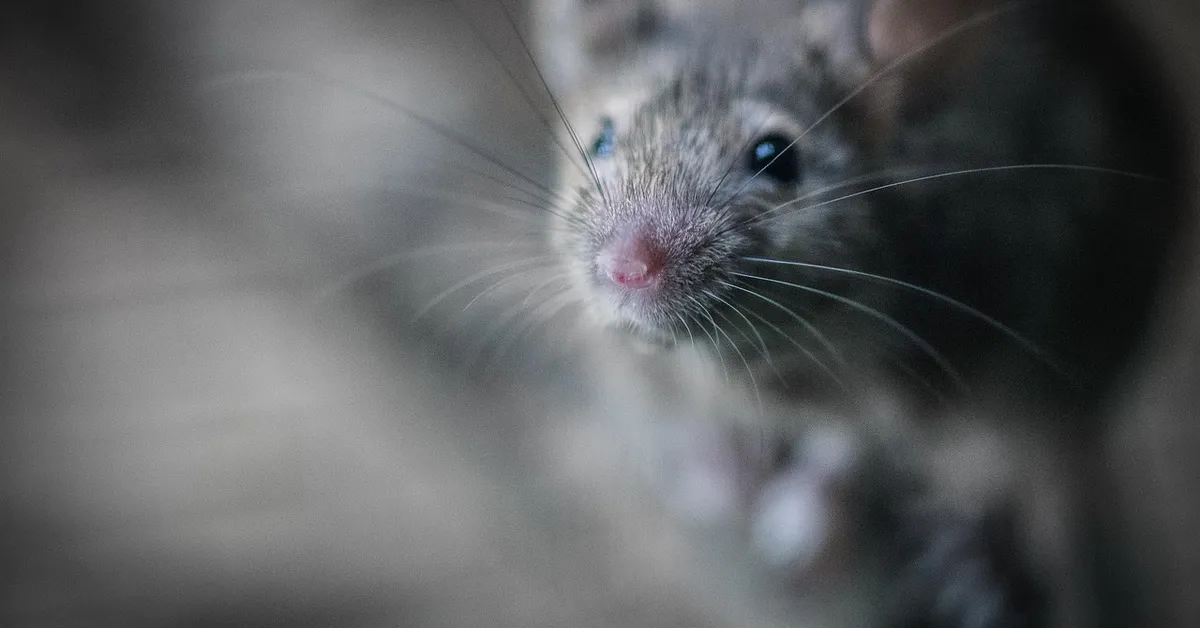
Watching your mouse engage in coprophagy can be startling, but in the vast majority of cases, it’s a completely healthy and necessary part of their digestive process. This behavior is a fundamental biological function, not a sign of poor cage hygiene or a deprived diet. Their bodies are designed to extract every last bit of nutrition on the second pass. However, changes in the appearance, frequency, or consistency of their droppings can indicate digestive issues. A simple poop-changes guide can help you tell when coprophagy is normal and when a vet visit or diet adjustment may be needed.
When Coprophagy Signals a Health Problem
While typically normal, a sudden increase in this behavior or other accompanying symptoms can be a red flag. You know your mouse’s habits better than anyone, so trust your instincts if something seems off. Pay attention to grooming changes—excessive licking, bald patches, or constant scratching can signal stress, skin issues, or illness. If you notice these signs, monitor your mouse closely and consider consulting a veterinarian.
- Drastic Changes in Poop Consistency: If the droppings are overly soft, runny, or have an unusually foul odor, this isn’t normal cecotropes. It could indicate diarrhea, an infection, or a dietary intolerance.
- Lethargy and Weight Loss: A mouse that is consuming its cecotropes but still losing weight or showing little energy is not absorbing nutrients properly. This warrants immediate attention.
- Over-Grooming the Rear End: Excessive cleaning of the anal area paired with coprophagy might suggest discomfort, irritation, or a blockage.
- Visible Signs of Stress: Bar chewing, excessive hiding, or frantic behavior can disrupt normal eating and digestion cycles, sometimes manifesting as odd coprophagy habits.
From my own experience, my mouse Kenny once had a brief period of unusual droppings and increased re-ingestion. A quick vet visit confirmed a minor bacterial imbalance that was easily treated, reinforcing that sudden changes are the real clue. Gregory, my older, steadier mouse, has maintained a consistent routine his entire life, which for me is the benchmark of normalcy. Those experiences taught me that spotting abnormal droppings is important for both pet and household health. Because rodent droppings can carry pathogens, it’s wise to treat them cautiously and follow appropriate cleanup guidance or consult a professional.
Why Young Mice Eat Their Mother’s Droppings
This particular aspect of coprophagy is one of the most fascinating and vital processes in a young mouse’s development. It’s not about hunger; it’s about building the foundation for life.
- Microbiome Inoculation: Baby mice are born with sterile digestive systems. By consuming their mother’s cecotropes, they directly ingest the essential gut bacteria needed to break down food and stay healthy.
- Immune System Training: This transfer of microbes helps educate the young mouse’s immune system, teaching it to recognize friend from foe and building robust defenses for the future.
- Learning What is Food: This behavior is a powerful form of social learning. It teaches the kits what is safe and nutritious to eat, following their mother’s prime example.
This maternal transfer is a critical step that you should never interfere with. It’s a beautiful, natural process that sets the youngsters, like my cheerful Jeffery was, on the path to a healthy and strong adulthood.
Why You Keep Finding Poop in Food Dishes
Discovering droppings right in the middle of the food bowl is incredibly common and usually has a simple, instinctual explanation.
- The Convenience Factor: Mice often eat and defecate in the same general area. If the food dish is a central, comfortable hub, it’s a logical place for a dropping to appear mid-meal.
- Natural Foraging Behavior: In the wild, food sources and latrine areas can overlap. This instinct can carry over into captivity, where they don’t make a sharp distinction between a “pantry” and a “bathroom.”
- Cecotrope Production: Your mouse might be producing a cecotrope while eating its regular food. Since these special droppings are meant to be eaten immediately, it’s efficient to have them appear right at the buffet.
- Territorial Marking: Scent is everything to a mouse. Leaving droppings in a resource-rich area like the food bowl is a way of saying, “This is mine.”
Finding a few normal, hard droppings in the food dish is generally no cause for concern and is just a quirk of mouse housekeeping. I find it happens most often with my more impulsive mice, like Kenny, who live their lives at a faster, more chaotic pace. A quick daily spot-clean of the dish is all that’s needed to keep things tidy.
Managing Cage Hygiene Without Disrupting Natural Behavior
Creating a Clean but Comfortable Environment
Your mouse’s home is their entire world, and keeping it clean while respecting their instincts is a delicate balancing act. Routine is your greatest ally; a predictable cleaning schedule helps your mouse feel secure even as their environment changes. I’ve found that my mouse, Jeffery, is particularly sensitive to sudden, total overhauls of his space, which can temporarily disrupt his normal coprophagic behavior. Small, regular tasks—daily spot-cleaning, weekly bedding changes, and a monthly deep clean—help maintain hygiene without upsetting his routine. This tiered approach preserves Jeffery’s familiar scent cues while keeping his home healthy.
Avoid stripping the cage of all scent markers during cleanings. I always practice “scent preservation” by transferring a handful of clean, dry bedding from the old cage setup directly into the new one when I deep clean the mouse cage. This maintains a familiar olfactory landscape that tells your mouse they are still home, reducing stress and encouraging them to resume their normal routines, including cecotrope consumption, much more quickly.
- Spot-Clean Daily: Use a small spoon or scoop to remove soiled bedding and visible waste piles every day, focusing on corners and under hideouts.
- Partial Bedding Changes: Instead of replacing all bedding weekly, swap out only the visibly damp or soiled sections, leaving at least one-third of the clean, dry bedding intact.
- Designate a “Safe Zone”: Never clean all hides and toys at once. Rotate cleaning them so your mouse always has access to a familiar, scent-soaked object.
- Observe Before You Clean: Watch your mice for a few days. If you notice they consistently retrieve cecotropes from a specific hide or platform, take extra care around that area during spot-cleaning.
Supporting Healthy Digestion Through Diet
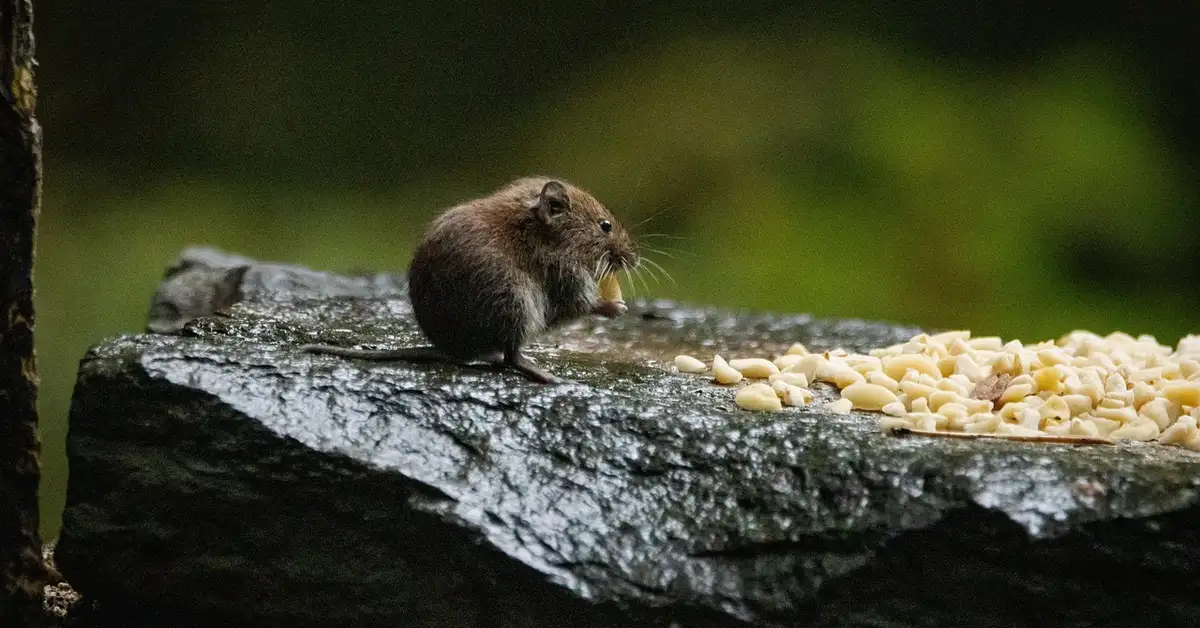
A high-quality diet is the foundation for producing the nutrient-rich cecotropes that are central to your mouse’s health. The goal is to feed a diet that supports a robust and balanced gut microbiome, which is what creates these special droppings in the first place. Think of their main food as the raw ingredients, and the cecotropes as the final, perfectly packaged nutritional supplement.
- High-Quality Lab Blocks: These should be the staple of their diet, specifically formulated to provide complete nutrition.
- Limited Seed Mixes: Offer seed mixes only as a small, supplemental treat. Too many fatty seeds can disrupt the delicate balance needed for healthy cecotrope formation.
- Digestive Fiber: Include small amounts of fiber-rich fresh veggies like broccoli florets and leafy greens. These act as prebiotics, feeding the good gut bacteria.
- Probiotic Boosters: A tiny, occasional bit of plain, unsweetened yogurt can introduce beneficial bacteria directly to their system.
Signs Your Mouse May Need Dietary Adjustments
While coprophagy itself is normal, changes in your mouse’s droppings or behavior can signal that their diet needs a tweak. You are looking for consistency in both their behavior and the physical evidence they leave behind—especially when it comes to the nutritional balance of their diet. My older mouse, Gregory, once went through a phase where his cecotropes became overly soft, which was my cue to reduce his fresh veggie intake temporarily.
Watch for these subtle hints that something is off-balance:
- Soft or Misshapen Regular Droppings: Hard, dry, or oddly shaped fecal pellets can indicate a lack of fiber or hydration.
- An Overabundance of Sticky Cecotropes: While they should be soft, if you constantly see uneaten, smearable cecotropes stuck to surfaces, their diet may be too rich.
- Lethargy or a Dull Coat: A mouse that isn’t absorbing nutrients properly from their diet and cecotropes will often show it in their energy levels and fur quality.
- Changes in Appetite: A sudden disinterest in their lab blocks or a frantic search for only the treat elements of their food is a red flag.
If you notice any of these signs, the first step is often a simple one. Returning to a baseline of just high-quality lab blocks and fresh water for a day or two can often reset their digestive system gently and effectively. Always introduce any new food in minuscule amounts to avoid shocking their sensitive gut.
Frequently Asked Questions
What is the mouse colon?
The mouse colon is a key part of the large intestine in a mouse’s digestive system, responsible for absorbing water and electrolytes from undigested food material, forming it into solid waste pellets. It works in conjunction with the cecum, where cecotropes are produced, but the colon itself handles the final stages of processing before excretion of fecal pellets.
What is a mouse colonoscopy?
A mouse colonoscopy is a medical procedure used in veterinary or research settings to visually examine the interior of a mouse’s colon using a small camera, typically to diagnose issues like inflammation, blockages, or tumors. It is not a routine part of pet mouse care and is generally reserved for specific health concerns under professional guidance, as it requires anesthesia and specialized equipment.
What is mouse coloration?
Mouse coloration refers to the natural fur color and patterns of mice, which are determined by genetics and can range from common shades like white, black, and brown to more varied hues in bred varieties. In pet care, coloration is often a matter of preference and does not directly impact behaviors like coprophagy, though a healthy diet and digestion can contribute to a shiny, well-maintained coat.
Wrapping Up
Seeing your mouse engage in coprophagy is simply witnessing a perfectly normal and healthy biological process in action. This behavior is their body’s ingenious way of extracting every last bit of nutrition from their food, and it’s a sign of a well-functioning digestive system. Coprophagy — eating their own soft feces — helps mice reclaim vitamins and beneficial gut bacteria produced during digestion. The piece “what coprophagy means” (3 words) — clear, concise, and matches “coprophagy explained” — breaks down exactly why this behavior is vital and normal.
Your focus can now confidently shift from worry to providing excellent, supportive care. Continue offering a balanced diet, a clean habitat, and plenty of enrichment, knowing that this quirky habit is just one small part of your fascinating pet’s natural wellness routine.
Further Reading & Sources
- Coprophagy prevention alters microbiome, metabolism, neurochemistry, and cognitive behavior in a small mammal – PMC
- Exp. Anim. 42(1),1-9,1993 Review Studies on Coprophagy in Experimental Animals
- Poop Matters: Making the Mouse Gut Microbiome More Human-Like – www.caltech.edu
Isabella is a passionate small pet enthusiast with over 8 years of experience in caring for mice. She loves sharing practical tips and heartfelt stories to help fellow mouse owners provide the best care for their tiny companions.
Understanding Mice Behavior