
Dilution Genes: Creating Colors Like Blue and Lilac in Pet Mice
Have you ever gazed at your mouse’s coat and wondered how genetics paint such stunning shades, from soft blues to delicate lilacs, right before your eyes? Recognizing the role of dilution genes not only answers this curiosity but also connects you more deeply to your pet’s unique characteristics.
Drawing from my experience with mice like Kenny, whose light gray fur hints at these genetic marvels, I’ll guide you through the science in a clear, accessible way. This article will explore how dilution genes transform base colors, the specific hues they produce in pet mice, and practical tips for appreciating and caring for these beautifully colored companions.
What Are Dilution Genes in Mice?
Think of dilution genes like adding a drop of water to a vibrant paint color. These special genes don’t create a new color from scratch; they work on the existing pigments in a mouse’s fur to lighten or soften them. The gene essentially tells the pigment cells to clump the color granules together instead of spreading them out evenly. This clumping allows more light to pass through the hair shaft, making the color appear paler and often giving it a softer, almost misty quality to our eyes.
In my own mischief, I’ve seen this firsthand. My mouse Kenny is a light gray, a classic example of a diluted black coat. His color isn’t a flat gray, but has a beautiful, almost silvery sheen because of how the light interacts with his altered pigment. It’s a subtle but stunning effect that makes his coat look completely different from a standard black mouse.
The Science Behind Blue and Lilac Coat Colors
How Melanin Creates Base Colors
Every mouse coat color starts with just two types of melanin pigment. Eumelanin is responsible for black and chocolate brown colors, while pheomelanin creates the yellow and red tones you see in some patterns. The specific shade a mouse displays is determined by a complex set of instructions from its genes, which tell its body how much of each pigment to produce and where to place it. One key player is the agouti gene, which controls how eumelanin and pheomelanin are arranged along each hair to create the typical agouti base coat pattern. Different agouti variants change that banding and so alter the mouse’s overall base coat color.
- Black-based mice: Produce a lot of dense, dark eumelanin.
- Chocolate-based mice: Produce a softer, warmer brown eumelanin.
- The combination and distribution of these two pigments create the incredible variety of patterns and colors we adore in our pets.
What Happens When Pigment Gets Diluted
This is where the magic happens. The dilution gene specifically targets the eumelanin (the black/brown pigment). It interferes with the pigment’s journey to the developing hair, causing the granules to be deposited in large, uneven clumps instead of fine, even particles. This clumping scatters light differently, fundamentally changing how we perceive the color.
Let’s break down the two most common and beautiful results:
- The “Blue” Mouse: This is a diluted black mouse. The rich, solid black color is transformed into a soft, slate gray that often has cool, bluish undertones. It’s a stunning and sought-after color.
- The “Lilac” or “Dove” Mouse: This is a diluted chocolate mouse. The warm milk-chocolate brown becomes a delicate, pale beige-gray with subtle pinkish or lavender hints. My Jeffrey has hints of this in his white coat, a lovely whisper of color.
The final shade can vary based on other modifier genes, making each “blue” or “lilac” mouse a unique individual. Diet, age, and overall health can also influence the intensity and sheen of the coat, adding another layer to their beautiful complexity. A visual guide to mouse color genetics can clarify how different gene combinations and modifiers produce the range of shades and sheens seen in individuals, helping to predict likely color outcomes.
Understanding Genotypes vs Phenotypes in Dilute Mice
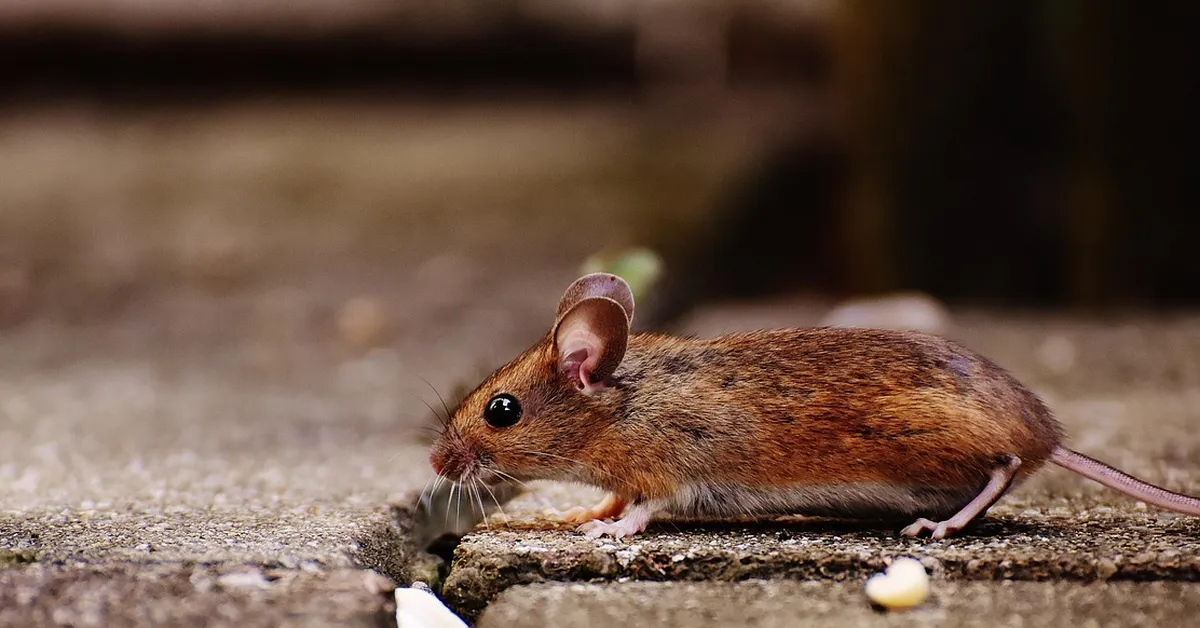
When you look at your mouse’s coat, what you see is the phenotype—the visible expression of their genetic blueprint. The genotype is the hidden genetic code that dictates everything from color to texture, and in dilute mice, it holds the key to those soft, muted shades. Think of it like a recipe: the genotype lists all ingredients, while the phenotype is the final dish served on your pet’s fur. For example, a mouse might carry genes for rich black pigment, but if dilution genes are active, the result could be a lovely blue-gray instead. Knowing a few genetics 101 terms — allele, dominant vs. recessive, and homozygous vs. heterozygous — makes it easier to describe and predict these coat variations in mice. With those basics, the relationship between genotype and phenotype becomes much clearer.
Reading Genetic Codes for Color Prediction
Predicting your mouse’s potential colors starts with understanding basic inheritance patterns. By learning to read genetic codes, you can make educated guesses about future litters or appreciate the diversity in your current group. It’s not about complex science—just recognizing how traits pass from parents to offspring. This mouse colors and markings guide highlights common color genes and how they show up as markings. A few simple examples will help you link genotypes to the coats you observe. Here’s a simple way to approach it:
- Start with the basics: many color genes in mice follow recessive or dominant patterns.
- Use resources like online genetic calculators or breed standards to map common combinations.
- Observe your mice closely; subtle hints in their coat can reveal hidden genes.
- Remember, environment and health can influence how colors appear, so genetics isn’t the whole story.
In my own mice, I’ve seen how a light gray like Kenny might hint at underlying dilution genes, even if he’s not a classic blue. This hands-on observation helps you connect theory to the living, breathing pets in your care.
Which Genes Control Dilute Colors in Mice?
Dilute colors in mice, such as blue and lilac, are primarily influenced by specific genes that modify pigment intensity. The most well-known is the dilute gene (d), which causes melanin to clump unevenly, lightening the coat from black to blue or chocolate to lilac. This gene is recessive, meaning both parents must carry it for the trait to show. But it’s not alone—other genes can interact, creating a spectrum of shades. Some modifiers do reduce the intensity of self colors, effectively diluting them, while others change pattern or pigment type without lightening the ground color. So whether a modifier “dilutes colors in mice” depends on the specific gene involved. Here are the key players: Best choice: “Dilute colors in mice”. Alternatives: “the dilute gene (d)” or “reduce the intensity”.
- Dilute (d) gene: Alters pigment distribution, turning black into blue and brown into lilac.
- Color (C) series: Affects overall pigment production; variations can intensify or soften dilute effects.
- Modifier genes: Fine-tune shades, adding warmth or coolness to the final color.
From my experience, mice with these genes often have a velvety texture that feels different under your fingers. Knowing these genetic basics empowers you to appreciate the artistry behind each mouse’s unique appearance.
How to Identify Blue and Lilac Mice
Spotting blue and lilac mice involves tuning into subtle visual and textural cues. Blue mice typically show a cool, steel-gray coat with a bluish cast, while lilac mice have a warmer, lavender-gray hue that can shift in different lighting. These colors stem from diluted versions of black and chocolate, respectively. To make identification easier, focus on these characteristics:
- For blue mice: Look for a uniform, slate-gray color that lacks brown tones; the fur often has a soft, dense feel.
- For lilac mice: Seek out a pale, pinkish-gray with a hint of lavender; it may appear almost iridescent in sunlight.
- Compare to standards: Hold them next to a black or brown mouse-the difference in saturation becomes obvious.
I’ve noticed that Jeffrey, with his white coat, makes a great contrast when I’m comparing colors in my group. Trust your eyes and hands; over time, you’ll develop an instinct for these beautiful, diluted shades.
Creating Blue and Lilac Colors Through Selective Breeding
Pairing Strategies for Dilute Offspring
Getting those beautiful, soft blue and lilac colors in a mouse litter feels like a small miracle, but it’s a process grounded in careful planning. Successful breeding for dilute colors hinges on understanding which mice carry the hidden potential for these traits. You’re not just pairing pretty mice; you’re matching specific genetic carriers. Knowing the different fancy mouse breeds and their standards helps you spot which lines are more likely to carry dilute genes. Understanding those breed differences makes predicting inheritance—and producing consistent dilute colors—much easier.
Here are the most effective pairing strategies I’ve used over the years:
- Dilute to Dilute: The most straightforward method. Breeding two visibly blue or lilac mice together will reliably produce an entire litter of dilute-colored babies. This is how I maintained a lovely blue line for several generations.
- Dilute to Non-Dilute Carrier: Breeding a dilute mouse with a normal-colored mouse that carries a hidden dilute gene. About half of these offspring will visually express the dilution. It’s a great way to introduce new genetic diversity while still aiming for your target colors.
- Non-Dilute Carrier to Non-Dilute Carrier: A bit of a genetic gamble. When both parents carry a hidden dilute gene, roughly one in four babies will be the coveted blue or lilac. The rest will be normal-colored, though some will be carriers themselves.
Patience is your greatest asset here. Keeping detailed records of parentage and offspring colors is non-negotiable for tracking these recessive genes through generations. I have a simple notebook where I sketch pedigrees-it’s old-school, but it works.
The Role of Dominant and Recessive Alleles
Think of genes as sets of instructions, and alleles as the different versions of those instructions. For coat color, every mouse has two alleles for each gene-one from each parent. The dilute gene is a classic example of a recessive allele, meaning its effect is only visible when a mouse inherits two copies of it. To understand how it works compared to dominant alleles, click here to learn about dominant vs. recessive genes in mouse coat colors.
A mouse with one normal allele and one dilute allele will appear fully pigmented. It carries the recipe for a dilute coat but doesn’t show it. We call these mice “heterozygous” for the dilution gene. The magic happens when two carriers are bred, and a pup inherits the dilute allele from both mom and dad. This “homozygous” mouse will display the beautiful, diluted coat color. In solid-colored mice this shows up as a uniform but lighter, muted shade (for example black becomes blue). Thus two carriers can produce solid-colored pups with noticeably softened hues.
This recessive nature is precisely why these colors can seem to “pop up” unexpectedly in a litter from normal-colored parents. Both parents were silently carrying the gene all along. It’s a hidden surprise waiting to be revealed.
Health Considerations for Dilute-Colored Mice
The very genes that create those stunning pale coats can sometimes be linked to other traits. While not a guarantee, some dilute-colored mice can have slightly more sensitive skin or a less robust immune response compared to their wildly colored cousins. This isn’t a reason for alarm, but rather a call for gentle, attentive care. Understanding how the B, C, D and P loci interact helps explain why coat dilutions arise and why color can be genetically tied to other traits. Studying these specific loci in mouse color genetics can point to which gene variants might influence both pigment and health-related characteristics.
From my experience, a few extra steps can make all the difference for their wellbeing:
- Dust-Free Bedding is a Must: I always use paper-based or aspen bedding for my boys, but I’m doubly careful with any dilute mice. Avoid cedar and pine shavings entirely, as the phenols can irritate their respiratory systems.
- Monitor for Skin Issues: Give their skin a quick check during handling. Look for any dryness, flakiness, or minor abrasions. I find a plain, dust-free sand bath helps them keep their coat in good condition without causing irritation.
- A Stress-Minimized Environment: A calm home supports a strong immune system. Provide plenty of hiding spots and a consistent routine. My Jeffrey, who is white, definitely appreciates his multi-chambered hideout when things get too exciting.
The key is proactive, observant ownership rather than treating them as fragile. With a little extra mindfulness, dilute-colored mice live just as happily and healthily as any other mouse.
Do Dilution Genes Affect More Than Just Color?
This is a fascinating question that goes right to the heart of how genes work. The short answer is yes, the same biological pathway that lightens fur pigment can sometimes influence other aspects of a mouse’s physiology. A gene is rarely a single-purpose instruction.
The dilution gene primarily affects melanophilin, a protein involved in distributing pigment granules in the hair shaft. When this protein doesn’t function fully, the pigment clumps unevenly, letting less light absorb and creating a paler, diluted color.
Because this process is tied to cellular transport, it can have subtle, secondary effects:
- Platelet Function: In some lines, there is a noted correlation with minor platelet storage pool defects. In practical terms, this means a dilute mouse might take a fraction longer to clot from a tiny scratch.
- Nervous System Development: The same cellular machinery is used in neuron function. While not affecting personality, some studies suggest very subtle neurological differences.
It’s vital to remember that these are often subtle correlations, not direct causes for concern in a well-bred pet mouse. You likely won’t notice any behavioral or health differences in your daily interactions. My curious Kenny, who is a light gray, shows no signs of being anything but a bold, energetic explorer. The effects are mostly of interest to geneticists, but it’s wonderful knowledge that deepens our appreciation for these complex little creatures.
Frequently Asked Questions
What is the color dilution gene?
The color dilution gene is a specific genetic sequence that lightens an animal’s coat color by reducing pigment intensity rather than creating new hues. In mice, this recessive gene modifies eumelanin distribution, turning black into blue or chocolate into lilac, and it requires inheritance from both parents to visibly express the diluted shade in offspring.
Understanding this gene helps mouse owners grasp why certain colors appear in litters and aids in responsible breeding practices. By recognizing its role, you can better appreciate the genetic diversity in your pets and make informed decisions without compromising their health or well-being.
What is the color dilution alopecia genetic test?
The color dilution alopecia genetic test is a diagnostic tool used primarily in dogs to detect mutations associated with hair loss and skin issues in breeds with diluted coat colors, such as those with blue or Isabella shades. It helps breeders identify carriers to prevent passing on this condition, which is linked to structural defects in hair follicles due to pigment clumping.
In mice, this test is not standard, as dilution genes are generally not tied to alopecia in pet lines. However, owners should still monitor dilute-colored mice for any skin sensitivities and provide optimal care, like using dust-free bedding, to maintain coat health and overall vitality.
What are the dilution genes in horses?
Dilution genes in horses include variants like the cream gene, which lightens base colors to palomino or buckskin, and the dun gene, which adds primitive markings while softening the coat. These genes act similarly to those in mice by altering melanin distribution, but horses often have multiple dilution genes that interact to produce a wide spectrum of shades, from pearl to silver.
For mouse enthusiasts, this illustrates how dilution mechanisms can vary across species, with mice primarily relying on the dilute (d) gene for colors like blue and lilac. Learning about these differences enriches your knowledge of genetics and highlights the uniqueness of your pet mice’s color inheritance.
Your Colorful Journey Ahead
Exploring the world of dilution genes opens up a beautiful new dimension to appreciating your mice. The subtle magic of seeing a simple gray transform into a soft blue or a delicate lilac is one of the great rewards of careful observation. It connects you more deeply to the intricate genetics that make each of your small companions uniquely beautiful.
Remember that the most vibrant color in any mouse is the one paired with a vibrant, healthy life. Your focus should always remain on providing exceptional care, where their lovely coats are simply a wonderful bonus. Enjoy the process of learning and the sheer delight of sharing your home with these tiny, living works of art. Use this visual guide to help choose a healthy, active mouse—look for bright eyes, a glossy coat, alert posture, and playful energy. These simple visual cues make it easier to select a pet that will thrive under your care.
Further Reading & Sources
- Mouse Genetics
- mouse coat color: Topics by Science.gov
- Mouse coat color mutations: From fancy mice to functional genomics – Steingrímsson – 2006 – Developmental Dynamics – Wiley Online Library
Isabella is a passionate small pet enthusiast with over 8 years of experience in caring for mice. She loves sharing practical tips and heartfelt stories to help fellow mouse owners provide the best care for their tiny companions.
Mice Genetics