
DIY Mouse Treats: Simple and Healthy Homemade Recipes
Do you ever wonder if your pet mouse is truly enjoying the treats you offer, or if they’re getting the best nutrition possible? As someone who has cared for mice like my curious Kenny and calm Gregory, I’ve learned that whipping up homemade treats is a fantastic way to bond with your pets while ensuring they eat well.
In this guide, I’ll share my go-to methods for creating safe, delicious snacks, covering easy-to-follow recipes with common ingredients, tips for avoiding harmful foods, and how to store treats to maintain freshness.
Why Make Your Own Mouse Treats Instead of Buying Them?
Creating your own mouse snacks puts you in complete control of what your tiny friend consumes. You can ensure every single ingredient is fresh and wholesome, eliminating the mystery fillers and artificial preservatives common in many commercial products. This direct oversight is a powerful way to support your mouse’s long-term vitality.
Homemade treats are remarkably kind to your wallet. A small bag of store-bought treats might seem inexpensive, but the cost per treat is often high. By using simple, bulk ingredients like oats and seeds, you can create a much larger quantity of healthy snacks for a fraction of the price. I find a single batch lasts my trio for weeks.
Every mouse is an individual with unique tastes and needs. My mouse Jeffery, for instance, is quite small and does best with lower-sugar options. DIY recipes let you tailor snacks to your specific mouse, adjusting sugar content and texture to suit their preferences and dietary requirements perfectly. This personalized approach is something you simply cannot buy in a store.
What Ingredients Are Safe for Homemade Mouse Treats?
Focusing on simple, whole foods is the secret to crafting nutritious and exciting treats. The best ingredients are those that mimic what a mouse might forage for in the wild, providing both mental stimulation and physical nourishment. Always introduce new foods in tiny amounts to see how your mouse’s digestion responds.
Excellent & Safe Ingredients
- Grains: Rolled oats, cooked brown rice, unsweetened puffed rice or wheat.
- Seeds: Sunflower seeds (a favorite for my Kenny), pumpkin seeds, flax seeds, millet.
- Vegetables: Peas, broccoli florets, cooked sweet potato, carrot shavings, cucumber.
- Fruits (in very small amounts): Blueberries, banana (a tiny slice), apple (no seeds), seedless watermelon.
- Protein: Plain, cooked chicken or turkey, a sliver of hard-boiled egg, mealworms.
Ingredients to Strictly Avoid
- Toxic Foods: Chocolate, caffeine, alcohol, and anything containing these.
- Problematic Produce: Citrus fruits, raw beans, onions, garlic, and leeks.
- Processed Human Foods: Anything salty, sugary, or fried. This includes chips, candy, and crackers.
- Dairy: Most mice are lactose intolerant, so avoid milk, yogurt, and soft cheeses.
- Certain Nuts: Avoid almonds and any nuts that are salted or flavored.
Remember, treats should only make up a very small part of your mouse’s overall diet. Even with safe ingredients, overfeeding treats can lead to obesity and nutritional imbalances, so moderation is your guiding principle. A piece of food the size of their ear is a good visual portion guide. On the mouse food pyramid, treats sit at the very top — the smallest section — while the base should be balanced staple foods like lab blocks, fresh vegetables and limited seeds. Use the pyramid as a simple guide for how often and how much to offer treats.
Easy No-Bake Mouse Treat Recipes You Can Make in Minutes
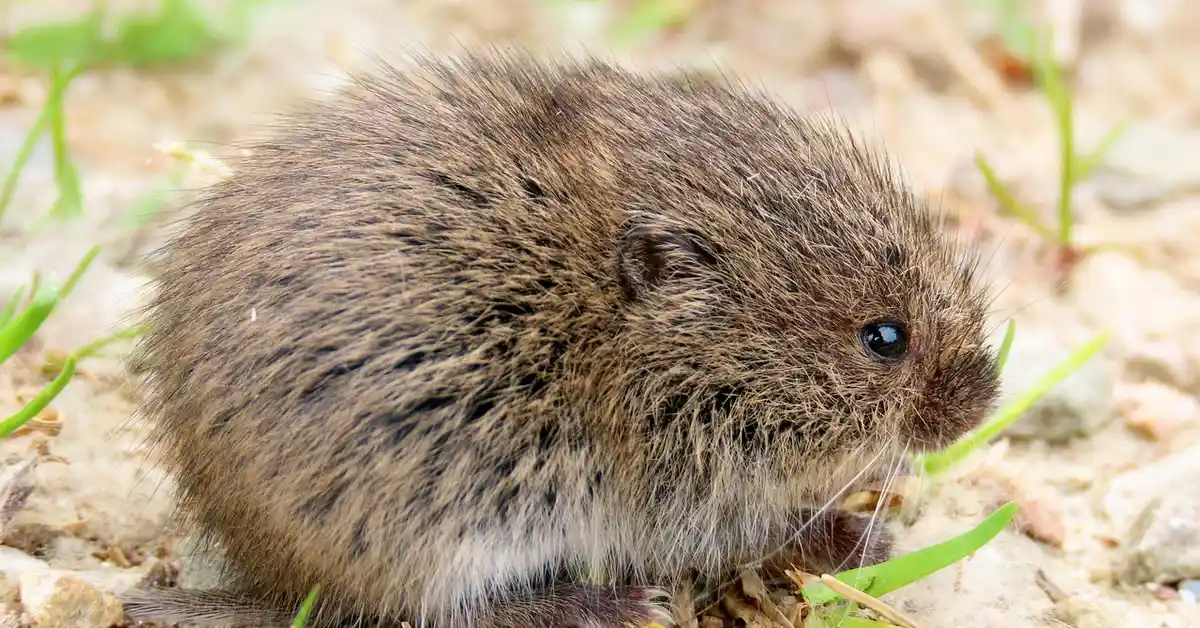
Simple Seed and Oat Clusters
My curious mouse Kenny goes absolutely wild for these crunchy clusters, and they require zero oven time. You only need three ingredients to create a snack that provides both mental and physical enrichment.
- Ingredients: 2 tablespoons rolled oats, 1 tablespoon sunflower seeds, 1 tablespoon millet, 1/2 teaspoon plain baby food (pear or squash works well) as a binder.
- Steps:
- In a small bowl, thoroughly mix the oats, sunflower seeds, and millet.
- Add the baby food one drop at a time, stirring until the mixture just starts to clump together.
- Pinch small amounts of the mixture and press firmly between your fingers to form tiny, pea-sized clusters.
- Place clusters on a plate and let them air-dry for about an hour to firm up.
- Storage: Keep these in a sealed container in the refrigerator for up to five days. The lack of preservatives means they don’t last long, so make small batches.
Fresh Veggie Mouse Bites
For a hydrating and vitamin-packed treat, these veggie bites are a hit with all my boys, especially my older gentleman Gregory. This recipe turns ordinary vegetables into exciting, hand-held snacks your mice will adore.
- Ingredients: 2 tablespoons frozen peas (thawed), 1 tablespoon finely grated carrot, 1 teaspoon cooked and mashed broccoli florets.
- Steps:
- Ensure all vegetables are thoroughly thawed and patted dry to remove excess moisture.
- Mash the peas and broccoli together in a small bowl until they form a thick paste.
- Mix in the grated carrot until fully combined.
- Roll the mixture into tiny balls, about half the size of a pea, for perfect mouse-sized portions.
- Storage: Store in an airtight container in the fridge and use within two days for maximum freshness and nutritional value.
Pumpkin Seed Energy Balls
Pumpkin seeds are a fantastic source of zinc and healthy fats, making these little energy balls a nutritious power snack. These are excellent for encouraging natural foraging behaviors in a safe and controlled way.
- Ingredients: 1 tablespoon raw, shelled pumpkin seeds, 1 tablespoon rolled oats, 1/4 teaspoon unsweetened applesauce.
- Steps:
- Grind the pumpkin seeds and oats together in a clean coffee grinder or food processor until they form a coarse meal.
- Transfer the mixture to a bowl and add the applesauce, stirring until a thick dough forms.
- Roll the dough into several very small, firm balls. If the mixture is too sticky, add a tiny bit more ground oat.
- Storage: These keep well in the refrigerator for about four days. For longer storage, you can freeze them on a baking sheet and then transfer to a freezer bag for up to a month.
Baked Mouse Treat Recipes for Longer-Lasting Snacks
Crunchy Oat Mouse Cookies
A little baking creates a satisfying crunch that helps maintain dental health. These simple oat cookies become a staple in my treat rotation because they store so well.
- Ingredients: 3 tablespoons rolled oats, 1 teaspoon plain infant rice cereal, 1/2 teaspoon vegetable oil, 1 teaspoon water.
- Steps:
- Preheat your oven to 325°F (165°C) and line a small baking sheet with parchment paper.
- Mix all ingredients in a bowl until a thick, slightly sticky dough forms.
- Drop tiny dots of dough (about the size of a pencil eraser) onto the baking sheet and flatten slightly with a finger.
- Bake for 12-15 minutes, or until the edges are lightly golden and the cookies are firm to the touch.
- Storage: Once completely cooled, store in an airtight container at room temperature for up to two weeks.
Vegetable and Grain Crackers
Transform leftover baby food or mashed vegetables into crispy, delicate crackers. Baking concentrates the flavors, making these vegetable crackers far more interesting than their raw counterparts.
- Ingredients: 2 tablespoons whole wheat or oat flour, 1 tablespoon pureed sweet potato or carrot, 1/8 teaspoon water (if needed).
- Steps:
- Preheat oven to 300°F (150°C). Combine flour and vegetable puree in a bowl to form a stiff dough.
- Place the dough between two sheets of parchment paper and roll it out as thinly as possible.
- Remove the top parchment and use a pizza cutter to score the dough into tiny, bite-sized squares.
- Bake for 20-25 minutes, or until dry and crisp. Let them cool completely on the baking sheet.
- Storage: Keep these crackers in a paper bag or cardboard container at room temperature to maintain crispness for about ten days.
Protein-Rich Seed Biscuits
This recipe combines the power of multiple seeds for a protein boost. I find these biscuits are perfect for active, growing mice who need that extra bit of fuel for their adventures.
- Ingredients: 1 tablespoon each of flax seeds, millet, and rolled oats, 1/4 teaspoon psyllium husk powder, 2 teaspoons water.
- Steps:
- Grind the flax seeds and oats into a coarse powder. Mix with the millet and psyllium husk.
- Add water and stir. Let the mixture sit for 5 minutes to thicken as the psyllium forms a gel.
- Shape the thick paste into several small, flat discs and place them on a parchment-lined tray.
- Bake at 300°F (150°C) for 25-30 minutes until hard. They will continue to harden as they cool.
- Storage: These dense biscuits can be stored in an airtight container in a cool, dark place for up to three weeks.
Seed-Free and Nut-Safe Mouse Treat Options
Grain-Based Treat Bites
For mice with sensitive systems or seed allergies, these grain-only bites are a safe and gentle option. This simple formula proves you don’t need seeds or nuts to create an engaging and tasty reward. A seed-only diet can be dangerous for pet mice, leading to nutritional imbalances and obesity. These grain-only bites offer a safer, more balanced treat alternative.
- Ingredients: 1 tablespoon cooked and cooled quinoa, 1 tablespoon rolled oats, 1/2 teaspoon mashed banana (no peel).
- Steps:
- In a small bowl, combine the cooked quinoa and rolled oats.
- Add the mashed banana and mix thoroughly until the grains stick together.
- Form the mixture into tiny, pea-sized balls. If the mixture is too wet, add a pinch more oats.
- Place the bites on a plate and allow them to dry for at least 30 minutes before serving.
- Storage: Refrigerate in a covered container and use within three days due to the fresh fruit content.
Pure Vegetable Snack Cubes
Sometimes the simplest options are the best, offering pure nutrition without any fillers. Steaming the vegetables first softens them and makes their nutrients more bioavailable for your tiny friend.
- Ingredients: 1/4 cup mixed mouse-safe vegetables (zucchini, broccoli, cauliflower), 1 teaspoon water for steaming.
- Steps:
- Chop the vegetables into small, uniform pieces and steam them until very soft.
- Drain thoroughly and mash the vegetables into a completely smooth puree.
- Press the puree into a clean ice cube tray, filling each compartment only halfway.
- Freeze until solid, then pop out the cubes and transfer to a freezer bag.
- Storage: Keep frozen for up to three months. Thaw a single cube in the refrigerator before serving it to your mouse.
Fruit Mouse Snacks: Safe Portions and Preparation Methods
Feeding fruit to your mice is a wonderful way to provide variety and vitamins, but it must be done with a thoughtful, low-sugar approach. Their tiny bodies process sugar very quickly, so moderation is the single most important rule. I always think of fruit as a special weekend event, not a daily indulgence. Over time, frequent sugary treats can lead to obesity, dental problems, and even shorten their lifespan. Keeping treats occasional and focusing on a balanced, low-sugar diet is key to your mouse’s long-term health and vitality.
Safe Fruits and Their Portions
These are the fruits my own mice have enjoyed safely for years. A single portion for one mouse should be no larger than a pea. Below are fruits that are safe for mice when offered sparingly. Wash fruit and remove any seeds or pits before serving.
- Berries (blueberries, raspberries, strawberries): 1/4 of one berry, mashed or chopped.
- Apple (seedless): A tiny sliver, roughly the size of a grain of rice.
- Banana: A minuscule piece, about half the size of a pea, as it’s quite sticky and sugary.
- Melon (watermelon, cantaloupe): One small, seedless cube.
- Peach or Pear: A tiny, peeled piece.
Creative Preparation Methods
How you prepare the fruit can turn a simple snack into a new experience. I love offering the same fruit in different ways to keep my boys guessing.
- Drying: Use a food dehydrator or a very low oven to create chewy, concentrated fruit chips. This intensifies the flavor without adding sugar.
- Freezing: Frozen berry pieces or melon cubes are fantastic for hot days. My mouse Jeffery adores chasing a frozen blueberry around his dish.
- Mashing: Mash a tiny bit of banana or berry and spread it thinly on a safe cracker. This encourages licking, a calm and engaging activity.
Fruits to Completely Avoid
Some fruits are not safe for mice. Always steer clear of citrus fruits (oranges, lemons) as they are too acidic, and never feed any fruit seeds or pits, which can be toxic. Many other common foods are harmful to mice. Below is a list of toxic foods you should not feed them.
Training Treats and Enrichment Snacks for Mental Stimulation
Treats are not just about food; they are tools for building trust and providing essential mental exercise. I separate treats into two categories: quick rewards for direct interaction and complex puzzles for independent play. This distinction has dramatically improved my bond with my mice, especially the cautious Gregory.
Tiny Treats for Hand-Taming and Training
When you are working directly with your mouse, the treat needs to be consumed in an instant so the training can continue smoothly.
- How to Make Mini Portions: Use a grater to create tiny flakes of a dried vegetable or a pinch of crumbled, baked whole-wheat pasta.
- Best Textures: Opt for dry, crumbly textures that your mouse can’t run away with. A moist treat will be stolen and hoarded, ending the session.
- Frequency Guidelines: During a 5-10 minute training session, you might offer 10-15 micro-treats. Space these sessions out, offering them only 2-3 times per week to maintain their value and a healthy diet.
Enrichment Ideas Using Homemade Treats
This is where you can get creative and turn snack time into a stimulating adventure for your mouse.
- The Toilet Paper Roll Surprise: Crumple a bit of untreated paper towel inside a toilet paper roll and hide a few oat flakes inside. They will spend happy minutes shredding and foraging.
- Frozen Fruit Pops: Mash a safe berry with water and freeze it in a bottle cap. This provides a refreshing and time-consuming challenge on a warm day.
- The Bedding Hunt: Before you clean the cage, sprinkle their usual seed mix or some crumbled treats deep into the bedding. This encourages natural digging and foraging behaviors.
How Much Homemade Treat Should I Give My Mouse?
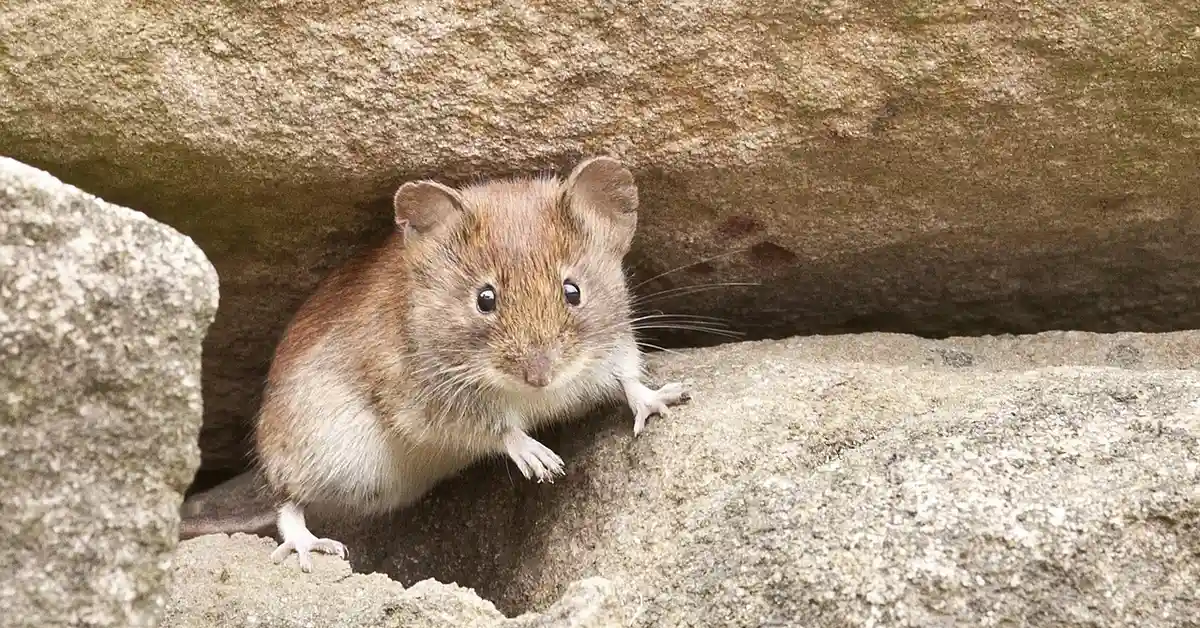
This is the question I am asked most often, and the answer is wonderfully simple once you know the visual cues. A mouse’s main diet of lab blocks should always make up 90% of their food intake; treats are just the flavorful 10%. These guidelines are exactly what I use when reviewing mouse foods: below I’ll rate the best and worst lab blocks and mixes, pointing out which formulas are true complete diets and which are mostly treats. Knowing the 90/10 rule makes it easy to spot mixes that aren’t suitable as a staple.
Clear Portion Guidelines
- Standard Portion Size: Any single treat should be no larger than a single pea. For very small or young mice like Jeffery, aim for half that size.
- Frequency: Offer these small, homemade treats 2-3 times per week at most. I have a “treat day” calendar reminder to keep myself accountable.
- Adjusting for Your Mouse: An active, bold mouse like Kenny might be fine with three small treats in a week, while my older, more sedentary Gregory does best with just one or two.
Warning Signs of Overfeeding Treats
Watch your mouse closely. If you notice they are leaving their regular lab blocks uneaten, gaining significant weight, or have softer droppings, you are likely offering too many treats. Cut back immediately and ensure their primary, nutritionally complete food is the star of their diet. When choosing store-bought treats, opt for options low in sugar and fat and specifically formulated for mice. Below is a review of the healthiest commercial treats to help you choose wisely.
Storing Your Homemade Mouse Treats Safely
Making treats is rewarding, but proper storage is what keeps your mice healthy and happy. Correct storage prevents spoilage and ensures every bite is as fresh and nutritious as the day you made it. I’ve learned through trial and error that a little organization goes a long way in keeping my boys’ snacks safe. I store treats in airtight, rodent-proof containers (directly references storage method that prevents mice from accessing food) and keep them in a cool, dry place to avoid attracting wild mice and other pests. These simple steps protect freshness and stop pests from getting into their food.
Refrigeration
Use your refrigerator for treats with high moisture content or fresh ingredients.
- Best For: Recipes containing fresh fruits, vegetables, cooked eggs, or yogurt.
- Shelf Life: Typically 3 to 5 days.
- Method: Place treats in a single layer on a paper towel inside an airtight container to manage humidity.
Freezing
Your freezer is perfect for making larger batches that you can use over time.
- Best For: Nearly all treat types, especially doughs, seed balls, and fruit/veg blends.
- Shelf Life: Up to 3 months for best quality and nutrient retention.
- Method: Portion treats onto a baking sheet to freeze individually first, then transfer to a freezer-safe bag or container to prevent a solid block.
Airtight Containers at Room Temperature
This method is ideal for dry, baked goods that lack moisture.
- Best For: Dry biscuits, baked seed bars, and dehydrated snacks.
- Shelf Life: 1 to 2 weeks in a cool, dark pantry.
- Method: Use glass jars or containers with tight-sealing lids.
Always inspect treats before serving, discarding anything with an off smell, unusual discoloration, or signs of mold. I make small batches weekly, which is easier to manage and reduces waste. Label every container with the treat name and creation date-it’s a simple habit that brings immense peace of mind.
Basic Kitchen Tools You Need for Mouse Treat Recipes
You do not need a gourmet kitchen or fancy gadgets to create wonderful treats for your mice. The most successful mouse treats I’ve made used simple tools I already had in my drawers. This list will have you ready to start baking in no time.
- Mixing Bowls: A small and a medium-sized bowl are perfect for combining dry and wet ingredients.
- Baking Sheet & Parchment Paper: Essential for evenly baking small treats without sticking.
- Small Cookie Cutters: Tiny shapes (like hearts or stars) make treats fun and the perfect size for little paws.
- Ice Cube Trays or Mini Muffin Tins: Excellent for creating uniform portions of softer treats or freezing yogurt and fruit blends.
- Airtight Containers: As discussed, these are non-negotiable for keeping your creations fresh.
If you want to get a little more advanced, a food processor can help you finely grind grains and seeds, and a rolling pin is handy for rolling out dough. My favorite tool is actually a set of tiny cookie cutters; watching Jeffery try to figure out a star-shaped seed biscuit is a daily joy. Start with the basics-you likely have everything you need already.
Frequently Asked Questions
How can I make homemade mouse toys?
Creating homemade mouse toys is easy and cost-effective using everyday household items. Start with simple options like cardboard toilet paper rolls stuffed with untreated paper or hay for shredding and nesting, or hang a string of untreated wooden beads for climbing and chewing. Always ensure materials are non-toxic, free from sharp edges, and supervise your mouse during play to prevent accidents.
What treats can I give to mice?
Safe treats for mice include small portions of fresh vegetables like broccoli and carrots, fruits such as blueberries or apple slices (without seeds), and protein sources like cooked chicken or mealworms. Avoid sugary, salty, or processed foods, and always introduce new treats gradually to monitor for any digestive issues. Remember, treats should only make up about 10% of their diet to maintain nutritional balance. To make a safe, healthy mouse treat mix, chop ingredients into tiny, bite-sized pieces and combine small amounts of vegetables, fruits, and proteins. Avoid adding sugar, salt, or oils when preparing the mix.
How can I make homemade mouse food?
To make a balanced homemade mouse food mix, combine a high-quality commercial lab block as the base (for essential nutrients) with added whole grains like oats, small seeds such as millet, and dehydrated vegetables. Avoid relying solely on homemade mixes, as they may lack complete nutrition; consult a veterinarian to ensure your recipe meets your mouse’s dietary needs for vitamins and minerals. In a seed mixes vs lab blocks deep dive, lab blocks are highlighted as the reliable, nutritionally complete foundation while seed-heavy mixes can be calorie-dense and encourage selective eating. Understanding these differences will help you safely combine the two for the best overall mouse nutrition.
Your Journey with Homemade Treats
Creating your own mouse snacks is a simple, rewarding way to show your pets you care. You control the ingredients, ensuring every nibble is free from unwanted additives and full of wholesome goodness. This small act of love directly supports their vitality and brings a special joy to your daily interactions.
Start with one simple recipe and observe how your mice respond. Watching their excited whiskers twitch and hearing their happy squeaks will be all the encouragement you need to continue this healthy habit. Your effort strengthens the unique bond you share, making every homemade treat a tiny celebration of your companionship.
Further Reading & Sources
- Extreamely Easy Mouse Treats : 7 Steps – Instructables
- DIY Mouse Treats!
- The Cutest Mickey Mouse Treats and DIY Ideas
Isabella is a passionate small pet enthusiast with over 8 years of experience in caring for mice. She loves sharing practical tips and heartfelt stories to help fellow mouse owners provide the best care for their tiny companions.
Treats and Snacks