
Mouse Parenting: Do They Eat Their Babies and Nurse Them?
Have you ever felt a surge of worry watching your pet mouse with her newborn pups, wondering if she might harm them? I’ve cared for many mice over the years and know that unsettling fear firsthand, which is why this guide offers clear, compassionate answers to ease your concerns.
We will explore the complex reasons behind infanticide and the nurturing side of mouse motherhood. You’ll learn about the environmental and stress-related factors that can lead a mouse to eat her young, and how proper nursing and care typically unfold. This article provides practical insights to help you support a healthy, safe start for mouse families.
Why Do Mice Sometimes Eat Their Babies?
Stress and Environmental Triggers for Cannibalism
If you’ve ever worried about a mother mouse eating her pups, know that this behavior often stems from external pressures rather than malice. Stress is a powerful trigger that can overwhelm a mouse’s natural instincts, leading her to consume her young as a survival response. Common environmental stressors include loud noises, frequent disturbances, or sudden changes in their habitat.
- Loud sounds or vibrations from household activities
- Overhandling or too much human interaction shortly after birth
- Inadequate nesting materials or a poorly placed cage
- Overcrowding with other mice or pets nearby
From my own care routine, I’ve seen how a calm environment helps-like when I moved Gregory’s cage to a quieter spot, his usual grumpy demeanor eased. Providing plenty of hiding spots and minimizing disruptions in the first few days after birth can make a world of difference.
Health and Biological Factors Behind Infanticide
Beyond stress, health issues play a significant role in why a mother might resort to infanticide. A mouse may eat pups that are stillborn, weak, or ill to conserve energy and protect the rest of the litter. This isn’t cruelty; it’s a hardwired biological strategy to ensure the strongest offspring survive.
- Malnutrition or dehydration in the mother, reducing her ability to nurse
- Genetic weaknesses or birth defects in the pups
- Illness or infection that could spread through the nest
- First-time mothers lacking experience in caretaking
I recall a situation where a mother mouse I cared for years ago culled a runt—it was heartbreaking, but it highlighted how nature prioritizes health. Ensuring your mouse has a balanced diet and regular vet checks can reduce these risks dramatically. This preventative mouse health guide outlines simple, practical steps—like proper nutrition, clean housing, and early warning signs—to help you prevent problems before they start. Use it as a checklist to spot issues early and keep your mice thriving.
How Do Mother Mice Nurse and Care for Their Babies?
Normal Nesting and Maternal Bonding Behavior
Watching a mother mouse care for her newborns is a gentle reminder of nature’s tenderness. She’ll spend hours building a cozy nest from shredded paper or bedding, creating a safe haven for her pups. You might notice her grooming them constantly, which strengthens their bond and keeps them clean. If you ever come across a nest of baby mice, make sure to know what to do to ensure their safety.
- Gathering soft materials to form a insulated nest
- Nuzzling and licking pups to stimulate breathing and circulation
- Keeping the pups warm by curling around them
- Nursing frequently, with pups clustering around her belly
In my experience, Jeffery’s cheerful nature made him a curious observer when another mouse nested-he’d watch from a distance, twitching with interest. A well-constructed nest and minimal interference allow the mother to focus on bonding and nurturing her litter.
How Long Do Mother Mice Breastfeed Their Pups?
Mother mice typically nurse their pups for about three to four weeks, with weaning happening gradually. A caring mother spends the first three weeks keeping them warm and grooming them. She nurses frequently and protects the litter to support rapid growth and development. During the first week, pups rely entirely on milk, nursing every couple of hours as they grow rapidly. By the second week, they start nibbling on solid food, but milk remains their primary nutrition.
- Days 1-7: Constant nursing, with pups doubling in size
- Days 8-14: Introduction to soft foods like moistened pellets
- Days 15-21: Reduced nursing as pups eat more solids
- Week 4: Full weaning, with pups independent but still near mom
I’ve watched Kenny’s adventurous spirit emerge around week three, when he’d tentatively explore beyond the nest. Offering a mix of crushed pellets and fresh veggies from day ten supports a smooth transition to independence.
Signs Your Mother Mouse May Abandon or Harm Her Litter
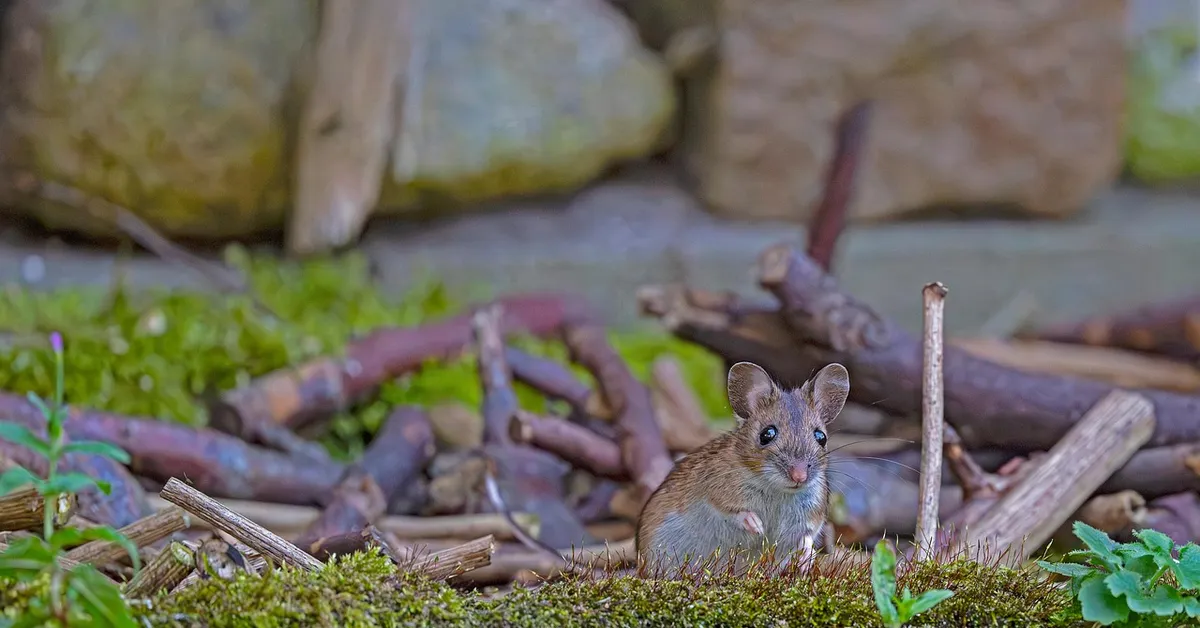
Observing your mouse’s behavior closely after birth gives you the best chance to support her. A key warning sign is when the mother consistently stays away from the nest for long periods, leaving the pinkies cold and scattered. Healthy maternal instinct keeps her returning frequently to nurse and groom. If you notice this behavior, consider raising them yourself.
Listen for changes in her usual demeanor. A distressed mother mouse might become unusually vocal, emitting high-pitched, anxious squeaks. You might notice her frantically rearranging the nesting material without settling down, or worse, carrying pups away from the main nest and not bringing them back. These vocalizations are meaningful—different pitches and patterns often indicate specific states like fear, pain, or communication with her pups. Learning common mouse squeak sounds and their meanings can help you judge whether intervention is needed.
- Pups are consistently cold to the touch and not in a tight, warm huddle.
- The mother is visibly agitated or aggressive when near the nest.
- You find injured or deceased pups removed from the primary nest area.
- She fails to respond to the quiet peeping sounds of hungry babies.
- There is a noticeable lack of milk bands (visible white milk in their tiny bellies) on the pinkies.
How to Prevent Infanticide and Support Healthy Maternal Care
Creating a stable, peaceful environment is your most powerful tool. Providing an abundance of safe, soft nesting material like shredded paper or tissue allows the mother to build a secure den where she feels in control. This simple act can drastically reduce her stress levels.
I always ensure the cage is in a quiet location, free from loud noises and sudden vibrations. Limit cage cleaning for at least the first week to avoid disturbing her delicate sense of security. If you must check on them, do so quietly and avoid direct handling of the newborns.
- Set up the nesting area in a covered, private hideaway well before the birth.
- Provide a high-protein diet, including small amounts of hard-boiled egg or cooked chicken, to support milk production.
- Ensure a constant supply of fresh food and water so she never has to leave her pups for long.
- Remove any other cage mates, including the father and other females, to eliminate social pressure.
- Use a water bottle instead of a dish to keep the nesting area dry and warm.
When to Intervene With Mouse Litters
Intervention is a last resort, but sometimes necessary for the survival of the litter. If you confirm the mother is no longer caring for the pups and they are growing cold, immediate human intervention becomes their only chance. Before intervening, try to assess the pups without disturbing the mother—observe from a distance or perform only brief, gentle checks when she briefly leaves the nest. Unnecessary disturbance can increase the risk of abandonment, so only hand-rear if those discreet checks show pups are cold, weak, or neglected. This means hand-rearing, which is a challenging, round-the-clock commitment.
I had to make this difficult decision with a litter from a first-time mother who showed no interest. Look for a complete absence of nursing over a 12-hour period, or if the mother is actively harming the pups. In these rare cases, gently move the entire litter to a separate, warm enclosure to begin hand-feeding with a specialized formula. If the mother cannibalizes pups, remove her immediately and rescue the survivors, warming and cleaning them before starting hand-feeding. Contact a veterinarian for injured pups and advice on whether the mother should be separated permanently.
- Intervene if the mother is deceased or critically ill.
- Step in if pups are visibly injured from cannibalism.
- Act when the entire litter is cold and lethargic with no mother present.
- Consider intervention if a pup is consistently pushed out of the nest and ignored.
Supporting a Stressed or First-Time Mother Mouse
A first-time mother, much like my curious Kenny, can be overwhelmed by her new responsibilities. Patience and minimal interference are the greatest gifts you can give a nervous new mom. Trust that her instincts will often kick in if she feels safe and undisturbed.
Boost her nutrition with extra fats and proteins. I’ve found that a tiny bit of plain yogurt or a sprinkle of oat flakes can be comforting. Speak to her in a soft, low voice when you approach the cage, similar to the steady tone I use with my calm mouse Gregory, to reinforce a sense of calm.
- Offer high-value treats near, but not inside, the nest to encourage her to eat without stress.
- Avoid direct eye contact with the nest, as this can be perceived as a threat.
- Ensure the ambient room temperature is warm and consistent, with no drafts.
- Provide multiple hiding spots in the cage so she can take a brief break from her pups if needed.
- Monitor her health closely, as illness or pain is a major cause of abandoned litters.
What Causes Abnormal Mouse Parenting Behaviors?
Witnessing a mother mouse display distressing behavior towards her pups is a deeply concerning experience for any owner. These actions are almost always a response to extreme stress or perceived threat, not a sign of inherent cruelty. The maternal instinct in mice is powerful, but it can be overridden by environmental pressures. It’s crucial to understand the difference between natural dominance behaviors and harmful ones in mouse social structures, especially when caring for multiple mice.
From my own observations, a peaceful nesting environment is the single most critical factor for successful pup rearing. Here are the primary stressors that can lead a mother to harm or abandon her litter.
- Lack of Privacy and Security: Constant disturbances, loud noises, or an exposed nest make a mother feel her babies are in imminent danger. Her survival instinct may push her to cull the litter to conserve resources or eliminate vulnerable offspring that might attract predators.
- Nutritional Deficiency: A mother mouse’s body works tirelessly to produce milk. If she isn’t receiving a high-protein, high-fat diet, she may instinctively reduce the number of mouths to feed to ensure her own survival and that of the strongest pups.
- First-Time Motherhood: Young, inexperienced mothers are more prone to anxiety and may not properly understand the birthing process. I’ve found that gentle, consistent care after their first litter often leads to them becoming excellent, calm mothers in subsequent pregnancies.
- An Underlying Health Issue: A mother who is sick or in pain is simply unable to cope with the demands of a litter. Her primary focus shifts to her own survival.
- Human Scent Contamination: While a common belief, this is often overstated. A confident, well-cared-for mother will rarely abandon pups touched by human hands. The real issue is the stress caused by the handling *process* itself-being chased and grabbed.
Separating Male Mice From Mothers and Newborns
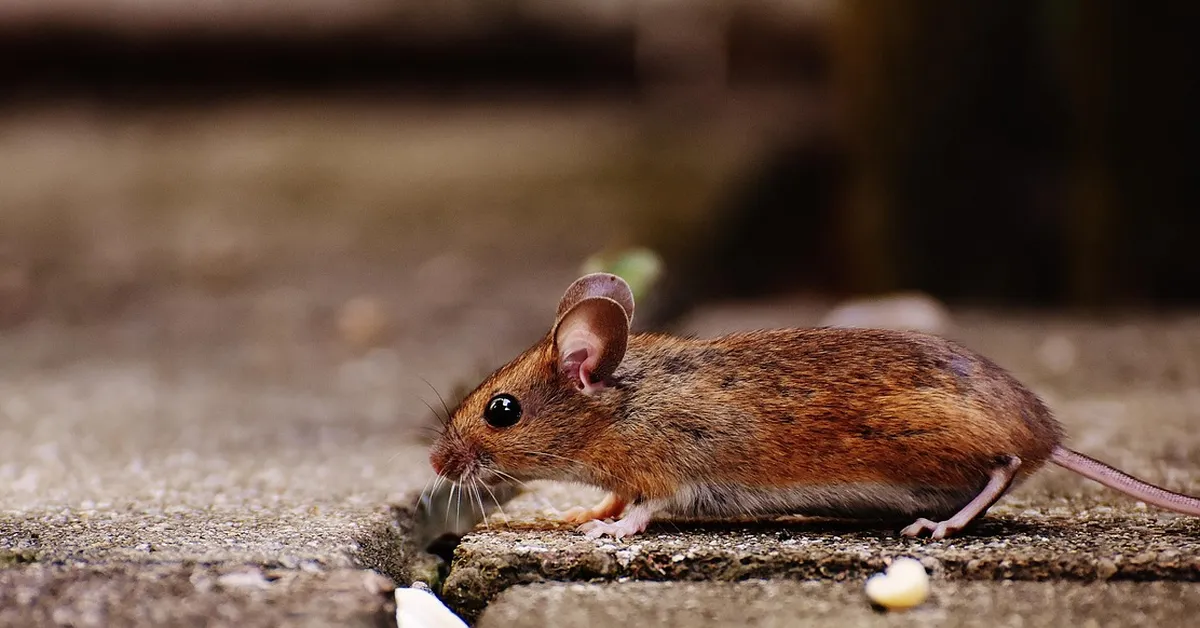
This is not a suggestion; it is an absolute necessity for the safety of the pups. You must separate the father, and any other male mice, from the mother and her litter before she gives birth. Male mice do not possess paternal instincts and pose a direct threat to newborns. If you are aiming to keep an all-female doe colony, this is why males must be excluded—maintaining female-only groups prevents accidental breeding and reduces risk to the pups. For that reason, never introduce or leave intact males with does if you want a stable, female-only colony.
Their presence creates a cascade of problems. The male may see the pups as a competing genetic line or simply as a readily available food source. Furthermore, his presence is a massive stressor for the mother, which as we’ve discussed, can trigger harmful behaviors on her part. He can also re-impregnate the mother within a day of her giving birth, placing an enormous and dangerous physical strain on her body.
Here is the protocol I follow to ensure a smooth and safe separation.
- Plan Ahead: Prepare a separate, fully-equipped habitat for the male well before the mother’s due date. This prevents last-minute scrambling that stresses both you and the mice.
- Timing is Everything: The ideal time to separate them is when you are certain the female is pregnant, typically visible by a rounded pear shape about two weeks into gestation. Do not wait until the last moment.
- Minimize Stress During the Move: Use a tube or a small cup to guide the male into his new home gently. Avoid chasing him around the cage, as the ensuing panic will alarm the pregnant female.
- Maintain Scent Familiarity: Move a handful of soiled, familiar bedding and some nesting material from the original cage into his new one. This provides immediate comfort and reduces his stress.
- Do Not Reintroduce: The male should remain separate until the pups are fully weaned and are at least four to five weeks old. Even then, reintroductions are complex and not always successful, especially with an adult male.
My mouse, Gregory, lives peacefully in his own bachelor enclosure. While he’s a calm fellow, his instincts remain, and his separation ensures the nursery cage remains a sanctuary for mother and pups. Creating this calm, single-sex environment is the most significant step you can take to guarantee a healthy, thriving litter. It’s especially important when considering whether to house male mice together.
Frequently Asked Questions
What is mouse parental care?
Mouse parental care refers to the nurturing behaviors exhibited by mother mice to ensure the survival and well-being of their pups. This typically includes building a secure nest, providing constant nursing, grooming to stimulate circulation, and keeping the young warm and protected. These instinctive actions help the pups develop and transition to independence over several weeks.
Are mice protective of their babies?
Yes, mother mice are generally protective of their babies, often displaying behaviors like staying close to the nest, grooming pups to bond and clean them, and reacting anxiously to potential threats. However, this protectiveness can be compromised by stress or environmental factors, leading to abnormal behaviors if the mother feels her litter is unsafe.
What is mouse care 101?
Mouse care 101 covers the fundamental practices for maintaining healthy pet mice, particularly during parenting phases. Essential steps include providing a quiet, low-stress habitat with ample nesting materials, offering a balanced diet rich in protein for nursing mothers, and minimizing disturbances to support natural instincts. Regular observation and proactive health checks help prevent issues and promote a thriving environment.
Your Path Forward with Mouse Parenting
Witnessing a mouse mother care for her young is a deeply rewarding experience. Trust that her powerful instincts are designed to nurture her pups, providing both milk and protection in a secure environment. By offering a calm habitat, you create the foundation for her to be the excellent parent she is naturally inclined to be.
Seeing the tiny pups nursing is a clear sign of a healthy, bonded family unit. Your role is simply to be a supportive guardian, minimizing stress and observing the beautiful, natural process from a respectful distance. With patience and understanding, you’ll be able to appreciate this incredible stage of their lives with confidence.
Further Reading & Sources
- Maternal Behaviors | Mouse Behavior Ethogram | Stanford Medicine
- Variations in Maternal Behavior in C57BL/6J Mice: Behavioral Comparisons between Adult Offspring of High and Low Pup-Licking Mothers – PMC
- Oestrogen-independent, experience-induced maternal behaviour in female mice – PMC
Isabella is a passionate small pet enthusiast with over 8 years of experience in caring for mice. She loves sharing practical tips and heartfelt stories to help fellow mouse owners provide the best care for their tiny companions.
Understanding Mice Behavior