
Do Mice Have Individual Personalities? An Exploration
Have you ever watched your pet mouse and wondered if its behaviors are just random, or if it has a true, unique character? I’ve asked this same question many times while observing my own mice, and I’m here to tell you that every mouse has a distinct personality. This guide will walk you through the clear signs and science behind their individuality, so you can better understand and connect with your tiny companions.
We will cover how to spot the specific behaviors that reveal a mouse’s personality traits, common personality types you might recognize in your own pets, and actionable ways to adapt your care to suit each mouse’s unique needs.
What Personality Actually Means for Mice
When we talk about a mouse’s personality, we aren’t suggesting they ponder deep philosophical questions. In rodent terms, personality refers to the consistent, predictable patterns of behavior an individual displays across different situations and over time. It’s the unique blend of traits that makes Kenny always the first to investigate a new cardboard tube, while Gregory hangs back to assess the situation.
Think of it as their behavioral fingerprint. My mouse, Jeffery, for instance, has a signature move: he’ll take a piece of food, squeak softly, and then dash to a specific corner to eat it. He does this every single time. That’s not a random act; that’s a facet of his personality-a specific combination of caution and ritual.
These personalities manifest in several key areas of their daily lives:
- Boldness vs. Shyness: Their initial reaction to anything new, from a treat to a toy.
- Exploratory Drive: The innate desire to investigate and map their entire territory.
- Sociability: How they interact with their cage mates, ranging from cuddly to tolerantly distant.
- Activity Level: The difference between a mouse who constantly runs on his wheel and one who prefers a leisurely stroll.
- Curiosity: A measure of their problem-solving interest, like figuring out a puzzle feeder.
Scientific Evidence That Mice Have Personalities
The idea of a mouse with a unique character isn’t just sentimental owner bias; it’s a well-documented scientific fact. Robust studies in behavioral neuroscience have repeatedly confirmed that mice, like humans, exhibit stable personality traits that can be reliably measured. Researchers have moved past wondering *if* they have personalities to actively studying *how* these personalities form and function.
One pivotal study, often cited in the field, demonstrated that individual mice have distinct “behavioral syndromes.” This means a mouse that is highly aggressive in one context is also likely to be highly active and exploratory in another. This clustering of traits forms the backbone of their individual personality. Observing my trio, this rings true: Kenny’s boldness translates directly to his high-energy exploration, creating a coherent, predictable behavioral profile.
How Researchers Measure Mouse Personalities
Scientists use standardized tests to objectively quantify these traits, removing human subjectivity. These tests are designed to present mice with mild, novel challenges to see how they consistently react. It’s a structured way to see what I see every day in my own habitat.
The most common tests include:
- The Open Field Test: A mouse is placed in a large, empty arena. Researchers measure how much it moves, how long it stays near the walls (thigmotaxis), and how often it ventures into the center. A bold mouse will explore the center quickly; a shy one will hug the edges.
- The Elevated Plus Maze: This maze has open arms and enclosed arms. The amount of time a mouse spends in the open, exposed arms is a direct measure of its anxiety-like behavior and boldness.
- Social Interaction Tests: These measure a mouse’s desire to engage with a new, unfamiliar mouse versus exploring an empty space, quantifying their sociability.
- Novel Object Tests: A new item is placed in their home cage. The latency for a mouse to approach and interact with it is a pure measure of neophobia (fear of new things) or curiosity.
Genetics vs Environment in Shaping Personality
The age-old debate of nature versus nurture is alive and well in mouse personality research. The consensus is that a mouse’s personality is a complex and dynamic interplay between its genetic blueprint and its life experiences. Psychologists often examine how mice interact with toys and novel objects to study traits like curiosity, boldness, and sociality. Observing play behavior helps researchers separate genetic predispositions from learned responses. It’s not one or the other, but a constant conversation between the two.
Genetics provides the foundational wiring. Through selective breeding, scientists have created mouse strains with remarkably consistent personalities. Some strains are notoriously high-anxiety, while others are exceptionally calm and exploratory. This proves that the propensity for certain traits is absolutely heritable.
Environment, however, acts as the sculptor that refines that raw material.
- Early Life Experience: The care a pup receives from its mother and its interactions with siblings can have lasting effects on its adult temperament.
- Social Structure: Being a dominant or subordinate mouse in a group can shape levels of aggression and confidence.
- Habitat Enrichment: A complex, stimulating environment with tunnels, wheels, and toys can foster confidence and reduce anxiety. I’ve seen Gregory become more inquisitive since I added a multi-level dig box to their cage.
- Handling and Taming: Positive, consistent interaction with a human can dramatically shift a mouse from being skittish to being trusting and calm.
The most beautiful part is that their personalities aren’t set in stone; a secure and enriching home can help a nervous mouse like Jeffery become just a little bit braver each day. You are not just a spectator to their character, but an active participant in its positive development.
Common Personality Types You’ll See in Pet Mice
The Bold Explorer
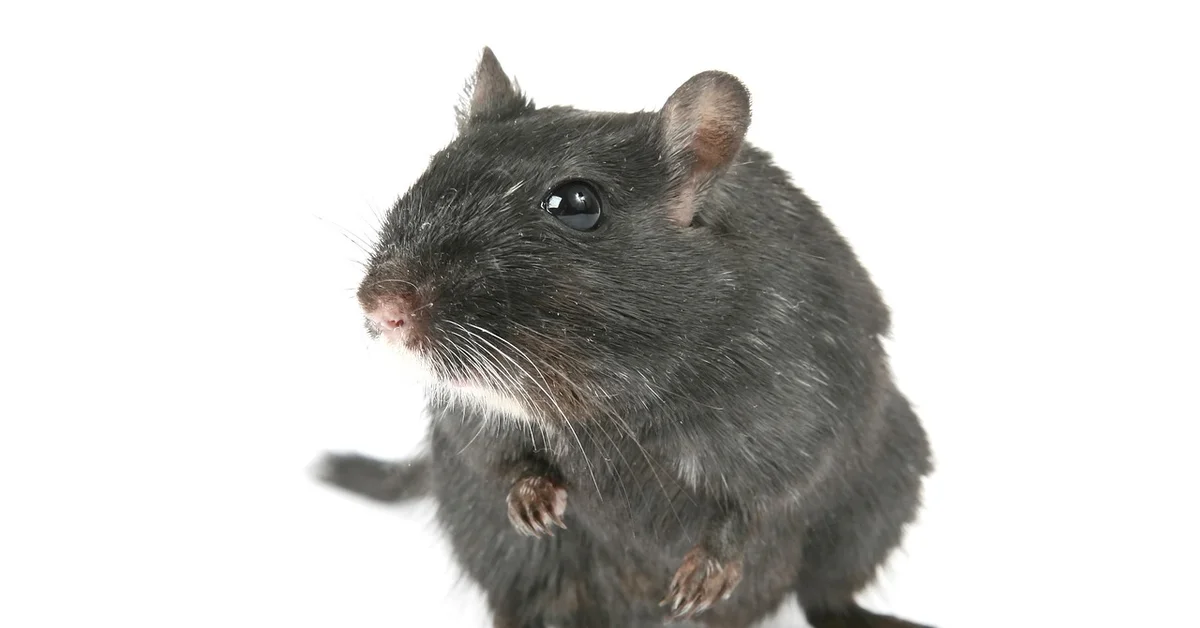
This mouse is the first to investigate every new item you place in the cage. They possess an intrepid spirit that makes them natural leaders, often initiating group adventures and testing boundaries. You’ll find them scaling the highest ropes and venturing into new tunnels without a second thought. My Kenny exemplifies this perfectly, his impulsive curiosity frequently leading him into amusing, harmless predicaments.
The Cautious Observer
This personality prefers to watch from a safe distance before committing to any action. A Cautious Observer will meticulously assess a new treat or toy, ensuring it poses no threat before approaching. They are the careful strategists of the mouse world, learning by watching the mistakes and successes of their bolder cage mates.
The Social Butterfly
These mice are the social glue of the colony, actively seeking out interaction with their companions. You’ll consistently find them sleeping in a cuddle puddle, grooming their friends, or engaging in gentle play. They thrive on constant social contact and can often be seen mediating minor squabbles or checking on others. This behavior is typical of mice as social animals, which form tight-knit groups and use grooming, scent, and touch to communicate and coordinate.
The Independent Thinker
Not every mouse is intensely social; some simply enjoy their own company. An Independent Thinker is perfectly content with solo activities, often finding unique, self-directed ways to play. They might solve a puzzle feeder on their own terms or create a solitary nest away from the main sleeping area, demonstrating a strong sense of self. When deciding whether to house a mouse alone or with companions, recognizing an Independent Thinker’s preferences is key. See the single mouse vs group social needs guide to learn how to match housing and enrichment to each personality.
The Mellow Mentor
Often an older, more experienced mouse, the Mellow Mentor provides a calming presence. Their steady, patient demeanor offers a sense of security and stability for the entire group. My Gregory is like this, his low, reassuring chirps seeming to settle the younger, more excitable mice when they get too rowdy.
The Spicy Character
This mouse has a big personality packed into a tiny body. They are not necessarily aggressive, but they are fiercely opinionated, often making their desires and dislikes known with dramatic flair. You might see them defiantly rearranging cage furniture you just set up or making a series of assertive squeaks during dinner time. It’s important to distinguish this behavior from unhealthy dominance or bullying in mouse relationships.
How to Identify Your Mouse’s Personality
Behavioral Traits to Observe
To truly know your mouse, you need to become a quiet, patient observer. Focus on these specific actions:
- Exploration Style: Does she rush into new spaces or hang back to watch first?
- Social Interactions: Is she constantly with others, or does she seek alone time?
- Vocalizations: Listen for the frequency and tone of her squeaks-are they excitable, soft, or demanding?
- Problem-Solving: When presented with a puzzle feeder, does she methodically work at it or try to brute-force it open?
- Reaction to Handling: Does she readily hop into your hand, or does she need more time and gentle coaxing?
When Personality Shows Through Most Clearly
Character isn’t always constant; it often shines brightest under specific conditions.
- During introduction of new items: The cage dynamic reveals itself when a new hammock or toy is introduced.
- At feeding time: You’ll see who is pushy, who is patient, and who tries to hoard everything.
- In new environments: Placing them in a secure playpen outside the cage is a fantastic way to see innate curiosity or caution.
- During your “quiet time” with them: Sitting calmly by the cage for 15 minutes, just watching, will show you their natural, unprovoked interactions.
Your mouse’s true self is often most visible when they think no one is watching.
Why Individual Differences Matter for Mouse Care
Matching Cage Mates by Temperament
Harmonious living arrangements depend heavily on personality compatibility.
- Pairing a hyperactive Bold Explorer with a serene Mellow Mentor often works beautifully, as one provides excitement and the other offers balance.
- Avoid housing multiple ultra-dominant “Spicy Characters” together, as this can lead to constant power struggles.
- Very timid mice often do best with at least one confident but gentle companion who can model secure behavior.
Thoughtful pairing based on personality prevents stress and fosters a peaceful, enriching environment for everyone.
Adjusting Handling for Different Personalities
A one-size-fits-all approach to handling can frighten a shy mouse or underwhelm a bold one.
- For Cautious Observers, let them come to you. Use a cup or tunnel for transport instead of direct grabbing.
- For Bold Explorers, provide more supervised free-roam time in a secure area to satisfy their need for adventure.
- For Social Butterflies, short, frequent handling sessions are often appreciated as a form of interaction.
- For Independent Thinkers, respect their space; handling might be brief and on their terms.
Tailoring Enrichment to Personality Types
Enrichment is not universal; what excites one mouse may terrify another.
- Bold Explorers & Spicy Characters: Love complex climbing structures, new obstacles courses, and dig boxes with hidden treasures.
- Cautious Observers & Mellow Mentors: Prefer predictable items like multi-entrance hideouts, stable platforms, and familiar foraging puzzles.
- Social Butterflies: Enjoy interactive toys that can be used with a friend, like a seesaw or a large, shreddable paper ball.
- Independent Thinkers: Thrive with solo challenges like intricate puzzle feeders and small, private nests.
Training Based on Individual Learning Styles
Mice are intelligent and can learn tricks, but their personality dictates the best teaching method.
- A Bold Explorer might learn a agility course quickly through sheer trial and error, motivated by the thrill of the new.
- A Cautious Observer will learn best by watching another mouse perform the task first, then attempting it themselves in a low-pressure setting.
- A Social Butterfly is highly motivated by praise and gentle interaction during training sessions.
- A Spicy Character often responds well to target training where they feel in control of the interaction and the rewards.
Recognizing how your mouse learns best transforms training from a chore into a bonding experience that respects their unique mind.
Distinguishing Personality from Health Problems
Observing your mouse’s behavior closely helps you spot the fine line between a quirky personality and a potential health issue. Regular, gentle handling and noting changes over time allow you to build a baseline for what’s normal for each mouse. Sudden shifts in activity, appetite, or social habits often signal something deeper than mere temperament. You can perform simple at-home checks — monitoring weight, coat condition, breathing, and droppings — to catch problems early. A brief daily check or checklist makes it easier to know when to seek veterinary care.
- Personality traits remain consistent: a bold mouse stays curious, while a calm one prefers routine.
- Health problems cause abrupt changes: lethargy, weight loss, or unusual vocalizations like frequent squeaking when touched.
- Monitor physical signs: ruffled fur, hunched posture, or labored breathing point to illness, not character.
I once noticed Kenny, my adventurous gray mouse, becoming unusually withdrawn; it turned out he had a minor respiratory infection needing vet care. Trust your instincts-if a behavior feels off, consult a veterinarian to rule out underlying conditions. Remember that mice often seem sleepy when relaxed. True lethargy usually shows as decreased responsiveness, hunched posture, ruffled fur, or labored breathing. This proactive approach ensures your mouse’s well-being and deepens your bond.
Choosing Mice Based on Personality
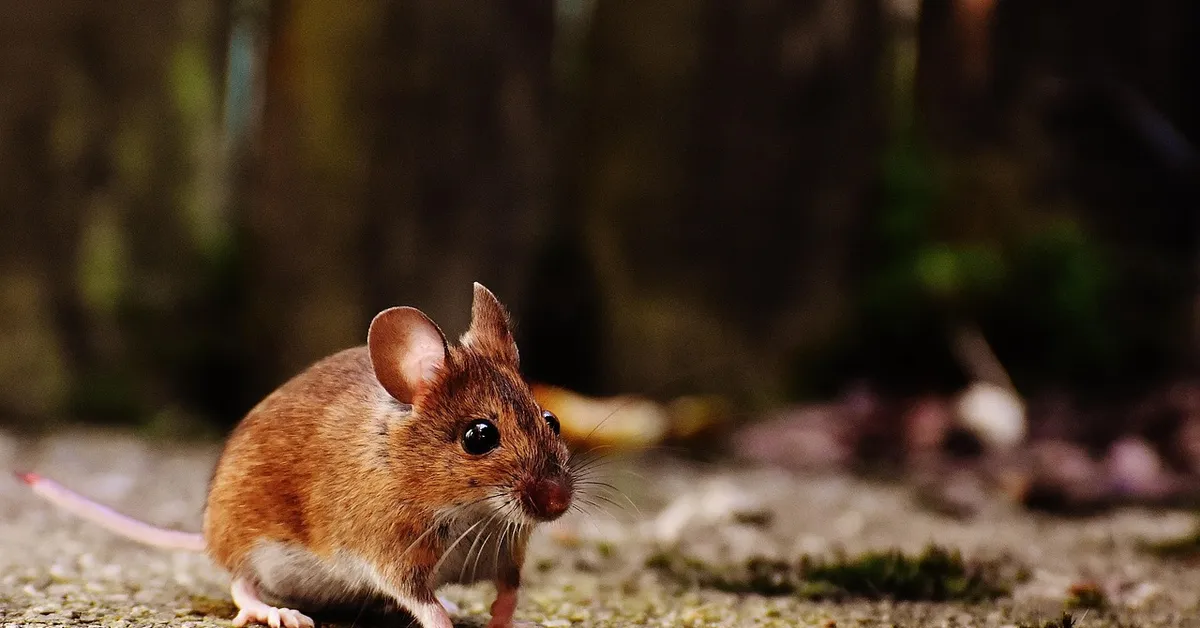
Selecting mice that align with your lifestyle and preferences makes pet ownership more rewarding. Spend time watching mice in their environment before bringing them home to gauge their natural inclinations. Look for cues like curiosity, sociability, or caution, which hint at long-term compatibility. These observations help you weigh the pros and cons of pet mice. For example, curiosity and sociability are pros, while high activity levels or short lifespans may be cons.
- Active, bold mice (like Kenny) thrive with owners who enjoy interactive play and frequent handling.
- Calm, patient mice (like Gregory) suit those preferring a quieter companion who appreciates routine.
- Anxious, observant mice (like Jeffery) do well with gentle, consistent owners who provide secure habitats.
Consider adopting from shelters or breeders who can describe individual temperaments. Matching personalities reduces stress for both you and your mice, fostering a harmonious relationship from the start. Remember, each mouse is unique, so embrace the variety to find your perfect fit. A mouse social behavior guide can help you tell whether an individual prefers to be solitary or enjoys companionship. It also offers tips on introducing roommates safely.
Living with Multiple Mouse Personalities
Managing a group of mice with diverse temperaments requires patience and thoughtful setup to prevent conflicts. Provide ample space, hiding spots, and resources to accommodate different comfort levels and social dynamics. In my experience, Kenny’s impulsiveness often sparks play, while Gregory’s steadiness keeps the peace, and Jeffery’s cheerfulness adds comic relief.
- Create multiple feeding stations to avoid competition, especially for shy or dominant mice.
- Offer varied enrichment: tunnels for explorers, cozy nests for homebodies, and puzzles for the curious.
- Observe interactions daily to intervene if bullying or stress arises, ensuring all mice feel safe.
Rotate toys and rearrange habitats occasionally to keep things engaging without overwhelming anxious individuals. Celebrating each mouse’s quirks strengthens their bond with you and each other, turning potential chaos into a delightful, dynamic family. Don’t rely solely on a running wheel. Offer varied enrichment, like tunnels, climbing branches, chew toys, and foraging puzzles, to keep them curious and active. For more ideas, check out how to offer varied enrichment. With careful attention, you can nurture a balanced environment where every personality shines.
Frequently Asked Questions
What are common health issues in mice?
Common health issues in pet mice include respiratory infections, which can cause sneezing, labored breathing, or lethargy due to their sensitive respiratory systems. Tumors, particularly mammary tumors in females, are also frequent and may appear as lumps, while dental problems like overgrown teeth can occur if they lack proper chewing materials. Regular vet check-ups and a clean habitat help prevent and address these issues early.
Who are famous mice characters?
Famous fictional mice characters include Mickey Mouse from Disney, known for his cheerful, adventurous, and optimistic personality, and Jerry from Tom and Jerry, who is clever, resourceful, and quick-witted in outsmarting his foes. Other notable examples are Stuart Little, who embodies bravery and curiosity, and Remy from Ratatouille, a rat often grouped with mice for his intelligence and passion for cooking, inspiring many pet owners.
What are the character personality traits in Of Mice and Men?
In John Steinbeck’s “Of Mice and Men,” the main characters include Lennie Small, who has a childlike innocence, immense physical strength, and a deep affection for soft things, but his mental disability leads to unintended harm. George Milton is pragmatic, protective, and weary, serving as Lennie’s caretaker while dreaming of a better life, highlighting themes of loyalty and the fragility of dreams in their friendship.
Your Journey with Your Mice
Recognizing that your mice have rich, individual personalities transforms pet ownership from simple care into a genuine relationship. You are no longer just tending to an animal; you are learning the unique quirks and preferences of a small, intelligent companion who sees the world in their own special way. That naturally leads to questions about how mice interact with humans and whether they can recognize their owners. In fact, many mice do learn to identify and respond to familiar people through scent, voice, and regular gentle handling.
Let this knowledge guide your interactions, making your care more thoughtful and your bond infinitely more rewarding. Pay close attention, be patient, and you will be continually amazed by the complex little characters sharing your home.
Further Reading & Sources
- Animal in You
- Scientists map mouse personality | ScienceDaily
- Every mouse is different: How mouse ‘personality’ sheds light on human depression | ScienceDaily
Isabella is a passionate small pet enthusiast with over 8 years of experience in caring for mice. She loves sharing practical tips and heartfelt stories to help fellow mouse owners provide the best care for their tiny companions.
Understanding Mice Behavior