
Finding an Ethical Breeder for Pet Mice
Have you ever felt unsure about where to find a mouse breeder who genuinely cares for their animals’ health and happiness? I know that search can feel overwhelming, but you’re in the right place to get clear, caring guidance that puts your future pet’s well-being first.
This article will walk you through a straightforward approach to identifying breeders who prioritize excellent care. You’ll learn how to recognize key signs of a responsible breeding environment, discover the right questions to ask to gauge a breeder’s commitment, and find out how to connect with communities that support ethical practices.
What Makes a Mouse Breeder Ethical?
Health-Tested and Genetically Sound Mice
Ethical breeders prioritize robust health by screening for common issues like respiratory infections or genetic predispositions to tumors. They avoid inbreeding and select for vitality over rare colors or traits that could compromise well-being. I’ve noticed my mouse Jeffery, who came from a careful background, has fewer health scares than others I’ve met, highlighting how genetic care pays off in longevity.
- Routine veterinary checks for parasites and infections
- Documented lineage to prevent hereditary diseases
- Focus on mice with strong immune systems and active behaviors
Proper Housing and Socialization Standards
Mice thrive in environments that mimic natural social structures, with ample space, nesting materials, and companions. An ethical breeder houses mice in groups, provides enrichment like wheels and tunnels, and handles them gently from a young age. As social animals, mice form bonds and communicate with cage-mates, so companionship supports their mental health. When kept together they display more natural behaviors and less stress. My trio—Kenny, Gregory, and Jeffery—show how early socialization leads to curious, friendly pets who adapt quickly to new homes.
- Spacious enclosures with clean, safe bedding
- Regular human interaction to reduce fear
- Opportunities for play and exploration to build confidence
Breeder Transparency and Welfare Focus
Trustworthy breeders welcome questions, share health records, and prioritize the animals’ needs over profit. They openly discuss their care practices and may even offer post-adoption support to ensure a smooth transition. Look for breeders who encourage visits and show genuine concern for each mouse’s future, much like how I’d want my own pets treated.
- Full disclosure of any past health issues in the lineage
- Clear policies on returns or assistance if problems arise
- Commitment to educating new owners on proper mouse care
Where Can You Find Reputable Mouse Breeders?
Mouse Rescue Organizations and Adoption Groups
Rescues often have mice in need of homes, and they typically vet animals for health and temperament before placement. Adopting from a rescue not only gives a mouse a second chance but also supports organizations that uphold high welfare standards. I’ve found that rescued mice, like my gentle Gregory, often come with detailed histories that help you provide tailored care from day one, including knowing what to expect for your mouse’s first vet visit.
- Search local shelters or online networks like Petfinder
- Ask about the mouse’s background and any special needs
- Many rescues socialize mice thoroughly, making them easier to bond with
Pet Stores vs. Small-Scale Breeders
While pet stores offer convenience, they often source from large-scale facilities where health and socialization may be overlooked. Small-scale breeders usually invest more time in individual mice, resulting in healthier, better-adjusted pets. For instance, my adventurous Kenny came from a hobby breeder who spent hours socializing him, which made him the bold explorer he is today. When buying from a pet store, watch for red flags such as lethargy, sneezing or labored breathing, dirty or overcrowded enclosures, or staff who can’t say where the mouse came from. These signs often indicate poor care or lack of proper socialization.
- Pet stores: Quick access but higher risk of unknown genetics or stress-related issues
- Small-scale breeders: Personalized care, transparency, and often lifelong support
- Always visit the facility to assess cleanliness and mouse behavior firsthand
Questions to Ask Before Choosing a Mouse Breeder
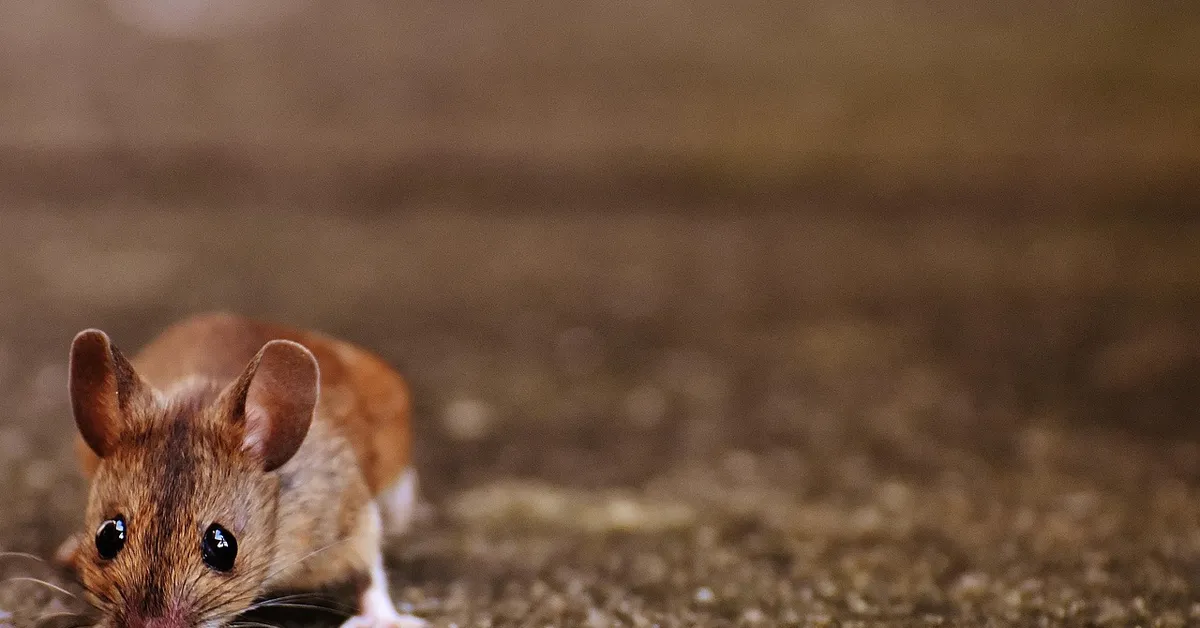
Before you commit to bringing a new mouse home, having a direct conversation with the breeder is your most powerful tool. A reputable breeder will welcome your questions and answer them with transparency and detail. Think of it as a friendly interview where you are ensuring a good future for your potential pet. Use the conversation to ask about breed-specific traits, common health issues, and care requirements. That way you’ll better understand fancy mouse breeds and pick the right one for you.
About Their Breeding Philosophy and Practices
- What is your primary goal as a mouse breeder? (Look for answers focused on health, temperament, and improving the lineage, not just producing high numbers.)
- How often do you breed your female mice, and at what age do you retire them? (Responsible breeders allow ample recovery time and retire mice young to ensure their well-being.)
- Can you tell me about the genetic history and health background of the parent mice?
- How do you socialize the babies to prepare them for life as pets?
About Mouse Health and Habitat
- What is the weaning age for your mice? (They should not be separated from their mother before 4-5 weeks of age.)
- What common health issues have you seen in your lines, and how do you work to prevent them?
- May I see where the mice are housed? (An ethical breeder will typically provide photos or a video tour, showing clean, spacious, and enriched enclosures.)
- What diet do you provide for your breeding mice and the weaned pups?
About Support and Policies
- What kind of support do you offer after I take a mouse home?
- Do you have a policy if I can no longer care for the mouse?
- Are you available for follow-up questions about care or behavior?
Taking these steps gives you immense peace of mind. Your intuition is a powerful guide; a breeder who is evasive, defensive, or unable to answer these questions clearly is likely not the right choice. I have found that the best breeders are those who become a lasting resource.
Red Flags That Signal Unethical Mouse Breeding
Recognizing warning signs can prevent the heartache of bringing home a sick or poorly-bred mouse. Trust your gut-if something feels off during your interactions, it almost always is. These red flags are consistent indicators of practices that prioritize profit over animal welfare.
- The breeder is unwilling to let you see the breeding facility or the parent mice. Transparency is a cornerstone of ethical breeding. Hiding living conditions is a major concern.
- They always have a very large number of litters available immediately. This can indicate a “mouse mill” operation where animals are bred continuously without regard for their health.
- Mice are sold at an inappropriately young age (under 4 weeks). Babies need this crucial time with their mother and siblings for proper development and socialization.
- The enclosures you do see are overcrowded, dirty, or lack enrichment. Look for soiled bedding, minimal space, and an absence of hides, wheels, or things to climb on.
- The breeder cannot provide any information on genetic history or common health issues in their lines. A lack of knowledge about lineage suggests no effort is made to breed out hereditary problems.
- They pressure you to buy quickly or offer “discounts” for multiple purchases. Ethical breeders want their mice to go to well-prepared homes, not be rushed out the door.
- The mice appear unhealthy. Watch for signs like lethargy, ruffled fur, sneezing, wheezing, or sores on their bodies.
- They are vague or defensive when you ask the questions from the previous section. An honest breeder is proud of their work and happy to discuss it.
Walking away from a questionable situation is an act of compassion. Supporting an unethical breeder perpetuates a cycle of poor health and suffering for these intelligent little creatures. Your patience in finding a responsible source is the first and most profound act of care you can provide for your future pet. As pet owners and influencers, we have an ethical duty to put mouse welfare first. Promoting responsible sourcing and humane care prevents suffering and sets a positive example.
Evaluating a Breeder’s Facility and Practices
Visiting a breeder’s facility offers the clearest window into their operation and the well-being of their animals. A reputable breeder will be transparent and welcome a scheduled visit, viewing it as a chance to showcase their high standards. You should feel like a guest, not an intrusion.
Key Signs of a Quality Environment
- Cleanliness is Non-Negotiable: The area should have a clean, fresh scent, not an overwhelming odor of ammonia or waste. Enclosures should be spot-cleaned, with no visible piles of old, soiled bedding.
- Observe the Living Spaces: Look for spacious, well-equipped cages, not small, barren containers. Mice should have access to enrichment like wheels, hides, climbing structures, and nesting material.
- Check the Mice Themselves: Healthy mice are active, have bright, curious eyes, clean fur free of bald patches, and no signs of labored breathing or discharge. They should not appear lethargic or overly fearful.
- Meet the Parents: If possible, ask to see the parent mice. Their condition is a direct reflection of the breeder’s long-term care. I always feel more confident when I see calm, healthy adult mice.
- Breeder Knowledge and Demeanor: The breeder should be able to answer all your questions about genetics, lineage, and general care without hesitation. Their passion for the animals should be evident in their detailed, caring responses.
Understanding Breeder Contracts and Guarantees
A formal contract might seem excessive for a small pet, but it is a hallmark of a serious, ethical breeder. This document protects you, the breeder, and most importantly, the mouse, ensuring it goes to a prepared and committed home. When you ethically rehome mouse pups, the contract spells out care requirements and return options to prevent them ending up in unsuitable situations. This helps safeguard the pups’ long-term welfare.
Here’s what you should find in a thorough contract:
- Health Guarantee: This outlines what the breeder will do if a genetic health issue arises within a specific timeframe. It might involve a replacement mouse, a refund, or coverage for veterinary costs.
- Return Policy: A responsible breeder will always require that you return the mouse to them if you can no longer care for it. This prevents the animal from being abandoned or rehomed unsafely.
- Care Requirements: The contract may specify minimum standards for housing, such as cage size, and prohibit practices like solitary housing (as mice are social) or unsafe wheel types.
- No-Breeding Clause: Many ethical breeders include a clause stating you will not breed the mouse you purchase. This helps control overpopulation and prevents inexperienced breeding.
Read every line carefully and ask for clarification on anything you don’t understand. A good breeder sees the contract as the start of an ongoing relationship, a promise that they are a resource for you throughout your mouse’s life.
What to Expect: Costs, Paperwork, and Bringing Mice Home
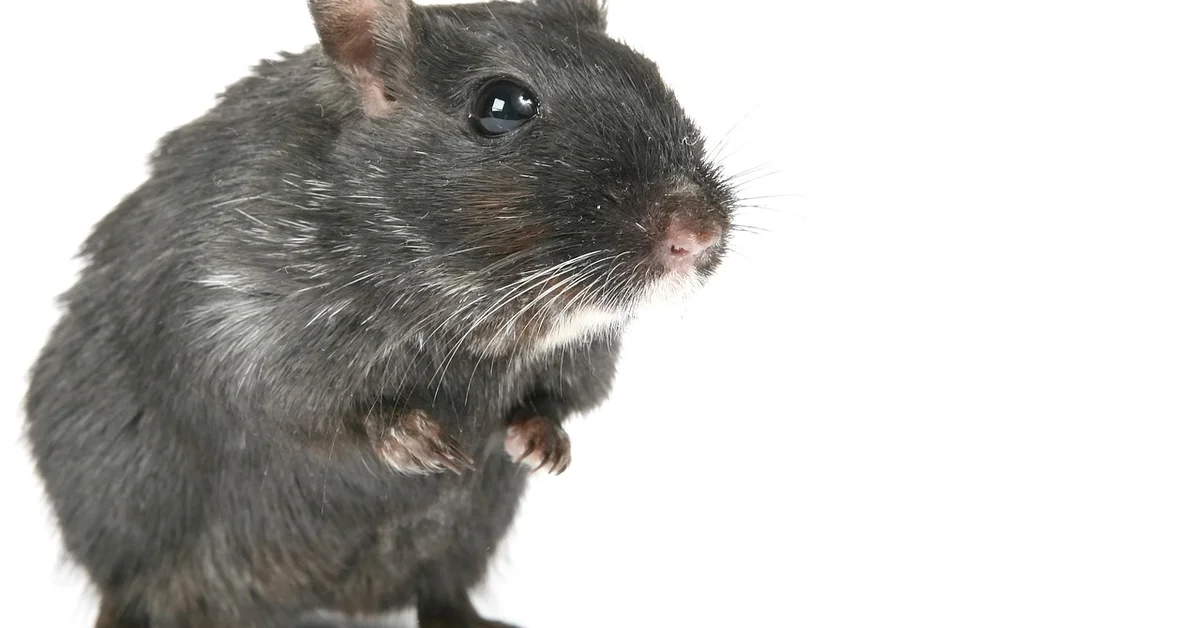
Preparing for your new companions involves more than just buying a cage. Understanding the full scope of costs and logistics beforehand makes the transition smooth for everyone.
Breaking Down the Initial Investment
- The Mice: The cost for a mouse from an ethical breeder typically ranges from $15 to $40 per mouse. This price reflects the breeder’s investment in quality food, veterinary care, and responsible genetics.
- Supplies: Your initial setup is the biggest expense. A proper tank or cage, a secure lid, a quality wheel, hides, water bottles, food, and bedding can easily cost between $100 and $200.
- Veterinary Fund: I cannot stress this enough-start a vet fund immediately. Exotic vets can be costly, and having a financial cushion for a sudden illness is part of responsible ownership.
The Adoption Process and Going Home
Once you’ve been approved, you’ll finalize the adoption. The breeder will provide you with a care package, which often includes a small amount of the food the mice are used to and sometimes a piece of used nesting material. This familiar scent is incredibly comforting during the move. If you’re going to raise orphaned mouse pups, that familiar scent and food can soothe them and ease the transition. You’ll also need to prepare for hand‑feeding and a warm nesting area, and ask the breeder for any specific care tips.
- Complete Paperwork: You will sign the contract and receive any registration or pedigree papers for your mouse.
- Final Q&A: The breeder will likely go over last-minute care tips and remind you of their contact information for future questions.
- The Journey Home: Transport your mice in a small, secure carrier with ventilation and some bedding. Keep the car ride calm and quiet to minimize stress.
- The Quiet Period: When you arrive home, place them immediately into their fully prepared habitat. I leave my new mice completely alone for at least 24-48 hours, only refilling food and water. This gives them critical time to acclimate to the new sights, sounds, and smells without the pressure of human interaction.
Watching them tentatively explore their new home for the first time is a wonderful moment. Patience in these first few days builds a foundation of trust that will last their entire lives.
Frequently Asked Questions
What is the ethics of using mice in research?
The ethics of using mice in research involves balancing scientific advancement with animal welfare, ensuring that studies are necessary, minimize suffering, and follow strict regulations. For pet owners, this highlights the importance of supporting ethical breeders who prioritize humane treatment, as opposed to facilities that may supply animals for research without adequate care standards. These concerns tie directly into debates about the ethics of animal testing, particularly the widespread use of lab mice. Advocating for transparency, stronger oversight, and alternatives to animal models can help reduce unnecessary use and improve welfare.
What is a responsible mice breeding rate?
A responsible breeding rate for pet mice involves limiting litters to prevent overbreeding, typically allowing females to have no more than 3-4 litters in their lifetime with ample recovery time between pregnancies. This practice helps maintain the health of both the mother and offspring, reducing risks like genetic disorders or stress-related issues.
How can I find ethical mouse breeders near me?
To find ethical mouse breeders locally, start by searching online directories, breed-specific forums, or social media groups dedicated to small pet enthusiasts, and look for breeders who openly share their practices and facility details. Additionally, attend small animal expos or connect with local veterinary clinics for recommendations, as they often know breeders committed to high welfare standards. When deciding where to get a pet mouse, compare breeders, rescues, and pet stores. Breeders can offer known genetics and health histories; rescues let you adopt animals in need; pet stores offer convenience but can vary widely in care and sourcing.
Your Path Forward
Finding a truly ethical breeder is a journey of patience and careful observation, but the reward is a healthy, well-socialized companion. You are not just buying a pet; you are investing in a relationship built on trust and responsible practices from the very start. Ask about controversial practices such as culling and how they handle surplus or unfit animals. Ethical breeders are transparent and favor humane alternatives like rehoming or sterilization rather than unnecessary euthanasia.
Trust your instincts during your search-if something feels off, it probably is. The right breeder will welcome your questions and share your passion for providing a wonderful life for these intelligent little creatures. Your future mouse is worth every moment of this diligent search.
Further Reading & Sources
- Ethical Breeding. | Pet Mice Forum
- Mystique Menagerie – Home
- AFRMA – Breeding – Beyond the Basics: Ethics
Isabella is a passionate small pet enthusiast with over 8 years of experience in caring for mice. She loves sharing practical tips and heartfelt stories to help fellow mouse owners provide the best care for their tiny companions.
Mice Breeds & Varieties