
Famous Mice in Animated Film: A Guide to Our Favorite Characters
Have you ever found yourself completely charmed by a tiny, animated hero, their oversized ears and determined spirit leaving a permanent mark on your heart?
This guide celebrates those unforgettable whiskered wonders, tracing their journey from classic icons to modern masterpieces. We will explore the enduring legacies of characters from Mickey Mouse’s timeless cheer to Fievel’s immigrant courage and Remy’s gourmet dreams.
Why Animated Mice Matter to Real Mouse Owners
Watching these tiny heroes on screen does more than just entertain; it builds a bridge of empathy between you and the small creature in your care. Animated stories give us a window into the mouse’s perspective, transforming our view of their seemingly random scurrying into a narrative of bravery, problem-solving, and family.
This shift in perspective is profound for pet ownership. You start to see their world not as a cage, but as a kingdom. Every cardboard tube becomes a potential tunnel to explore, every hidden treat a discovered treasure. Connecting with these characters fundamentally deepens the bond you share with your own pet, making you a more attentive and understanding guardian.
Fievel Mousekewitz: Lessons in Courage and Safe Exploration
Who Is Fievel from An American Tail?
Fievel is the tiny, big-eared star of An American Tail, a young mouse separated from his family while immigrating to a new world. His journey is one of immense bravery against overwhelming odds. He faces towering cats, treacherous sewers, and overwhelming loneliness, all while holding onto the hope of reuniting with his family. His small size never stops his enormous spirit.
What Fievel Teaches Us About Mouse Curiosity
Fievel’s entire adventure is fueled by a powerful, innate curiosity. He peeks around corners, follows strange sounds, and investigates everything. This isn’t just a cartoon trait; it’s a core part of a mouse’s nature. That insatiable need to investigate is what makes pet mice such engaging companions, but it’s also what can lead them into trouble, just like Fievel.
I see this daily with my own mouse, Kenny. His bold, impulsive nature is a constant reminder that a mouse’s curiosity is a double-edged sword. It makes life exciting but requires me to be ever-vigilant about his safety.
Creating Safe Adventures for Your Pet Mouse
You can’t stop a mouse from exploring, nor should you want to! The goal is to channel that Fievel-like spirit into secure environments. The key is to provide structured adventure that satisfies their curiosity without the real-world dangers.
- Supervised Free-Roaming Time: Use a fully enclosed playpen or a meticulously mouse-proofed room. Never leave them unattended.
- Forage-Filled Habitats: Scatter their food and hide treats inside puzzle toys, paper bags, and toilet paper tubes. This turns mealtime into a quest.
- Multi-Level Cages: A tall cage with safe ramps, platforms, and ropes mimics the vertical world mice love to navigate.
- Novelty on a Schedule: Introduce new, mouse-safe items weekly-a small ceramic cup, a new type of untreated wood-to keep their environment stimulating and new.
Think of yourself as the director of their personal animated feature. You get to design the exciting sets and remove the lurking villains, ensuring their story is one of happy exploration.
Remy from Ratatouille: Understanding Your Mouse’s Food Intelligence
Who Is Remy and Why He Matters
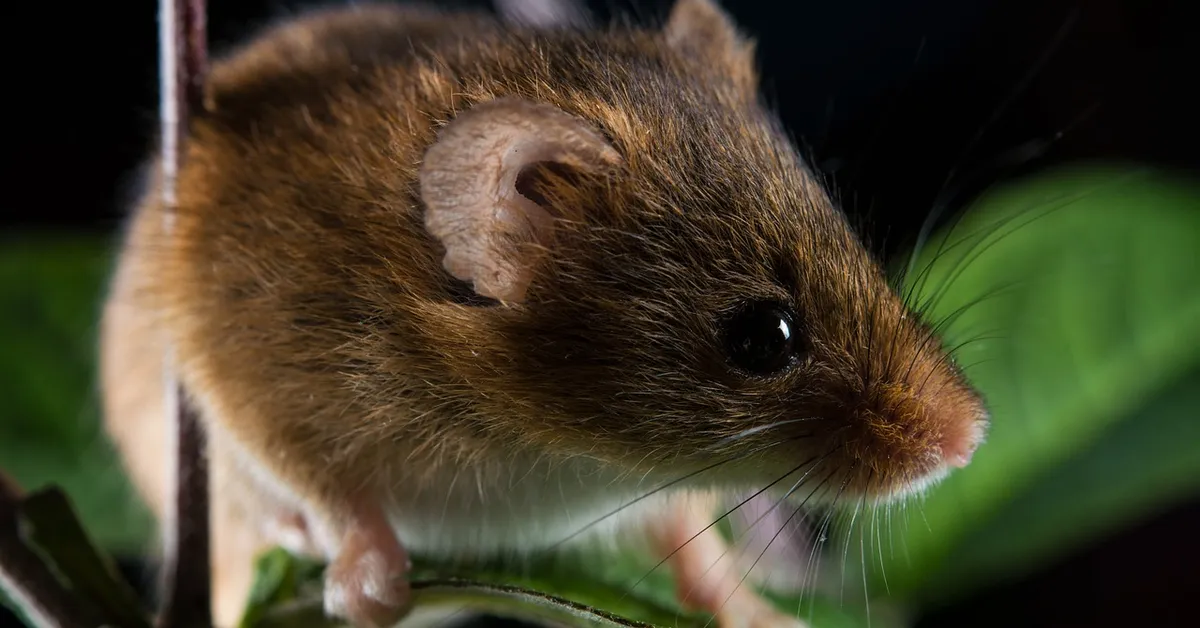
Remy is the passionate rat chef from Pixar’s Ratatouille, known for his refined palate and culinary dreams. His character beautifully illustrates that mice and rats possess sophisticated food-related intelligence, which mirrors real-life rodent behavior. In my years of caring for mice like Kenny and Jeffery, I have seen how they actively choose and savor certain foods, much like Remy’s discerning tastes. This matters because it reminds us that our pet mice are not just simple eaters; they have preferences and can even show excitement over varied, high-quality meals.
What Remy Reveals About Mouse Food Preferences
Remy’s love for fresh, aromatic ingredients highlights how mice rely heavily on their sense of smell and taste to evaluate food. Real mice, like my curious Kenny, often sniff and nibble new items cautiously, showing a natural instinct to avoid spoiled or unappealing options. They enjoy diversity in textures and flavors, from crunchy seeds to soft fruits, which keeps their diet engaging. This behavior stems from their wild ancestors who foraged for a mix of grains, vegetables, and proteins, so offering a range of foods can prevent boredom and promote health.
- Mice prefer fresh over stale food, often ignoring items that lack aroma.
- They may show favoritism, like Jeffery’s love for berry crumbs, indicating individual tastes.
- High-quality proteins and fibers mimic their natural diet, supporting digestion and energy.
Building a Balanced Diet Your Mouse Will Love
Creating a nutritious menu for your mouse involves combining commercial pellets with fresh treats to mimic their natural foraging habits. Start with a base of high-quality mouse pellets, which provide essential vitamins and minerals, then add small portions of fresh veggies and fruits for variety. I have found that Gregory, with his steady appetite, thrives on this mix, while younger mice like Kenny need more frequent, energy-rich snacks. Always introduce new foods gradually to avoid digestive upsets, and remove uneaten fresh items quickly to keep their habitat clean.
- Offer a staple of fortified mouse pellets daily for balanced nutrition.
- Supplement with fresh vegetables like carrots or broccoli, chopped into tiny pieces.
- Include occasional protein sources, such as cooked egg or mealworms, for extra energy.
- Limit sugary fruits to prevent obesity; opt for berries or apple slices in moderation.
- Ensure constant access to fresh, clean water in a drip bottle or shallow dish.
Mrs. Brisby from The Secret of NIMH: Maternal Care and Colony Health
Who Is Mrs. Brisby?
Mrs. Brisby is the brave, caring mouse mother from The Secret of NIMH, who goes to great lengths to protect her family and seek help from her colony. Her character embodies the deep maternal instincts and social bonds that are central to mouse communities in the wild and in captivity. Watching her navigate challenges reminds me of how my own mice, like the calm Gregory, often look out for younger ones, showing that these small creatures value connection and support within their groups.
What Mrs. Brisby Shows Us About Mouse Social Needs
Mrs. Brisby’s reliance on her colony for safety and resources underscores that mice are inherently social animals who thrive in groups. In a home setting, mice form tight-knit hierarchies and communicate through squeaks, grooming, and shared nesting, which reduces stress and promotes well-being. Isolating a mouse can lead to loneliness and behavioral issues, as I have noticed with Jeffery, who becomes anxious without his cage mates. Providing companionship allows them to express natural behaviors like playing, sleeping together, and even minor squabbles that strengthen bonds. For owners deciding between solitary or group housing, a mouse social behavior guide can help assess compatibility and outline safe introduction or separation steps. Following that guidance reduces stress and supports healthier, happier mice.
- Mice use vocalizations and body language to maintain social order and comfort each other.
- They groom one another to build trust and hygiene, much like human friendships.
- Introducing new mice slowly can prevent aggression and help integrate them smoothly.
Housing Multiple Mice Successfully
Setting up a habitat for a group of mice requires space, hiding spots, and resources to minimize conflict and encourage harmony. Choose a spacious cage with multiple levels and tunnels to allow for exploration and private areas, which I have seen keep my trio—Kenny, Gregory, and Jeffery—content and active. Include plenty of bedding for nesting, and place food and water stations in different locations to avoid competition. Regularly clean the enclosure to prevent odors and health problems, and monitor interactions to ensure all mice feel secure. Also, make sure to choose the right spot for their cage to provide a comfortable environment.
- Select a cage that provides at least 2 square feet per mouse for ample room.
- Add hideouts like small houses or PVC pipes for retreat and stress reduction.
- Use safe, absorbent bedding such as paper-based or aspen shavings, changed weekly.
- Provide multiple food bowls and water sources to discourage bullying over resources.
- Observe daily for signs of harmony or tension, intervening if fights occur frequently.
Basil from The Great Mouse Detective: Intelligence and Mental Stimulation
Who Is Basil of Baker Street?
Basil is the brilliant detective mouse from The Great Mouse Detective, known for his sharp mind, problem-solving skills, and deductive reasoning. His character highlights the cognitive abilities of mice, which are often underestimated in pet care but are very real and observable. Through my experiences, I have seen mice like Kenny and Jeffery solve simple puzzles and remember routes in their habitat, proving that they are quick learners who enjoy mental challenges.
Recognizing Your Mouse’s Intelligence
Mice display intelligence through their ability to navigate mazes, learn tricks, and adapt to new environments with curiosity. You might notice your mouse investigating new objects, remembering where treats are hidden, or even responding to their name over time, much like Basil’s keen observations. This cognitive engagement is vital for their emotional health, as boredom can lead to repetitive behaviors or depression. By acknowledging their smarts, you can tailor activities to keep their minds sharp and spirits high.
- Mice can learn to associate sounds or gestures with rewards, showing basic training potential.
- They explore and map their surroundings, using memory to find food and safe spots.
- Individual differences exist; for example, Gregory takes a measured approach, while Kenny dives in impulsively.
Mental Enrichment Activities for Pet Mice
Engaging your mouse’s brain with varied activities prevents stagnation and fosters a happy, active life. Incorporate puzzle feeders, obstacle courses, and novel toys into their routine to stimulate problem-solving and physical coordination. I rotate items in my mice’s cage weekly, such as cardboard tubes for tunneling or small balls with treats inside, which keeps them intrigued and reduces repetitive behaviors. Some of the best enrichment puzzle toys for mice include treat-dispensing balls, mini puzzle boxes, and hide-and-seek tubes that encourage foraging and mental stimulation. Choose chew-safe, appropriately sized toys made from non-toxic materials. Always supervise new activities to ensure safety, and adjust based on your mouse’s age and energy level.
- Create DIY mazes from cardboard or plastic containers for exploration and reward finding.
- Use treat-dispensing toys that require pushing or rolling to access food.
- Introduce safe, chewable items like untreated wood blocks to satisfy natural gnawing instincts.
- Set up climbing structures with ropes or ladders to encourage physical and mental agility.
- Spend time interacting through gentle handling or supervised play outside the cage for bonding and stimulation.
Bernard and Bianca from The Rescuers: Bonding and Partnership
Who Are Bernard and Bianca?
Bernard and Bianca are the courageous mouse duo from Disney’s *The Rescuers*, members of the International Rescue Aid Society. Bernard is the humble, slightly nervous janitor who finds his bravery, while Bianca is the confident and elegant delegate from Hungary who sees his potential. Their story isn’t just an adventure; it’s a beautiful depiction of how two very different personalities can come together, support each other, and form an unbreakable team.
Understanding Mouse Bonding and Friendship
Watching Bernard and Bianca’s relationship blossom mirrors what I observe in my own mischief. Mice are profoundly social creatures who thrive in groups, much like their animated counterparts. The deep, complex friendships mice form are vital for their mental and physical well-being, providing comfort, security, and shared warmth. In my cage, I see this with Gregory, the calm elder, often acting as a steadying presence for the more impulsive Kenny, much like Bernard grounds Bianca’s daring plans.
Signs of a strong bond between mice include: These are telltale signs that the mice share a close, trusting relationship. Noticing several of these behaviors together usually means the pair are well bonded and comfortable with each other.
- Sleeping curled up together in a pile
- Grooming each other meticulously
- Playing and chasing without any real aggression
- Sharing food peacefully
Helping Your Mice Build Strong Relationships
Facilitating these beautiful friendships requires a thoughtful approach from you, their caretaker. The single most critical factor for building strong mouse relationships is a proper, slow introduction process, never just placing new mice together. Rushing this can lead to stress and injury, undoing any chance of a Bernard-and-Bianca-style partnership. Pay attention during introductions to learn the difference between normal dominance and outright bullying. Signs of an unhealthy relationship include persistent chasing, fur loss or wounds, reduced eating or grooming, and a mouse that hides or becomes withdrawn.
My method for successful introductions involves several careful steps:
- House the new mouse in a separate, adjacent cage for a “see but don’t touch” period.
- Swap bedding between cages daily so they become accustomed to each other’s scent.
- Introduce them on completely neutral territory, like a clean bathtub, with plenty of scattered treats.
- Supervise all interactions closely, only intervening if a true fight breaks out.
- Once they are comfortable, thoroughly clean the main cage and add them both together.
Providing a spacious habitat with multiple hideouts, food bowls, and water bottles prevents resource guarding and gives everyone their own space when needed.
Mickey and Minnie Mouse: The Iconic Duo and Habitat Basics
Why Mickey and Minnie Mouse Still Matter
Mickey and Minnie are more than cartoon characters; they are the global ambassadors for all mice. Their enduring charm has, for nearly a century, shaped how the world views mice-not as pests, but as cheerful, clever, and personable individuals. They represent the joy and companionship that real mice can bring into our lives, making them incredibly important figures for anyone who loves these small pets.
Classic Mouse Care Fundamentals They Represent
While Mickey and Minnie live in a simplified world, their animated lives hint at core care principles every owner should know. A proper habitat is the foundation of your mice’s health, acting as their safe haven for all their natural behaviors. Think of it as building their very own Main Street, U.S.A.-a place designed just for them.
The essentials of a mouse’s “Main Street” include:
- Ample Space: A tall, multi-level cage is non-negotiable. Mice are active climbers and explorers.
- Deep Bedding: Provide several inches of safe, absorbent paper-based bedding for them to burrow and tunnel into, a behavior they absolutely love.
- Constant Chews: Wooden chews, cardboard tubes, and mineral blocks are vital to keep their ever-growing teeth filed down.
- Enrichment Variety: Rotate toys, wheels (solid-surface only!), ropes, and hammocks to keep their intelligent minds engaged and prevent boredom.
- A Quiet Corner: Place the cage in a peaceful area away from direct sunlight, drafts, and loud noises to reduce stress.
Offer a variety of safe chew materials—untreated hardwood, cardboard, and mineral blocks—to satisfy their gnawing instincts and maintain dental health. Avoid cedar, pine, painted, or chemically treated items, as these can be toxic or irritate their respiratory system.
Stuart Little: When Fiction Meets Reality
Who Is Stuart Little?
Stuart Little, from E.B. White’s beloved book and the subsequent films, is a charmingly well-mannered mouse born into a human family. His story captures the whimsical idea of a mouse seamlessly integrating into a human world, driving tiny cars and forming deep bonds with his human brother. He embodies the intelligence and gentle nature we adore in our pet mice.
What Stuart Little Gets Right (and Wrong) About Mice
Stuart’s character beautifully highlights the cleverness and affectionate potential of mice, traits I see daily with my own trio. Where the fiction diverges from reality is in the portrayal of a solitary mouse living harmoniously with a large, predatory species like a cat. In truth, mice are prey animals who require the company of their own kind and would find life with a cat immensely stressful.
A more realistic picture of mouse life includes:
- They are social and must live in small, same-sex groups.
- They are most active during dawn and dusk (crepuscular), not throughout the entire human day.
- Their world is governed heavily by scent, not just sight and sound.
- While intelligent, they do not comprehend complex human concepts or use human tools.
These characteristics form the basis of a mouse quality of life framework, guiding housing, husbandry, and enrichment to match mice’s social, temporal, and scent-driven needs. Welfare assessments should therefore focus on measures that reflect mice’s natural behavior and sensory world rather than human-centered assumptions.
Realistic Interaction and Handling Techniques
Building a bond with a real mouse is even more rewarding than fiction suggests, but it requires patience and respect for their nature. The key to building trust with a mouse is to let them always feel in control of the interaction, moving at their pace, not yours. My Jeffrey, for instance, was very timid and needed weeks of quiet, consistent effort before he felt safe being held.
Effective handling techniques focus on safety and trust:
- Always approach slowly and speak softly to avoid startling them.
- Let them sniff your hand first before any attempt to pick them up.
- Scoop them up from below using two cupped hands, never grab from above.
- Handle them close to a soft surface, like a bed or a sofa, in case they jump.
- Keep initial handling sessions short and positive, always ending with a tiny, high-value treat.
With time, your mice will learn that your hands mean safety and good things, creating a real-life bond that’s truly magical. These steps show how to safely pick up, hold, and handle your pet mouse. Following them reduces stress and the risk of injury for both of you.
Gus and Jaq from Cinderella: Teamwork and Play
Who Are Gus and Jaq?
In the enchanting world of Cinderella, Gus and Jaq are more than just background characters; they are a masterclass in rodent camaraderie. Jaq, the bold and resourceful leader, often takes charge of their daring missions, while the more timid and food-motivated Gus provides heart and comic relief. Their dynamic perfectly mirrors the complex social relationships you can observe in your own mouse colony, where distinct personalities create a harmonious, bustling community. Watching them work together to create Cinderella’s gown is a beautiful illustration of how mice can collaborate to achieve incredible things.
Play Behavior in Pet Mice
Mice are not just eaters and sleepers; they are naturally playful and curious creatures who need mental and physical stimulation. Play is a critical part of their daily routine, strengthening social bonds and keeping their minds sharp. You will often see behaviors that look like a miniature version of Gus and Jaq’s antics. How mice interact with toys reveals a lot about their cognition and social needs; play can show problem-solving, curiosity, and stress levels. Providing varied toys encourages exploration, reduces boredom, and supports their emotional and cognitive well‑being.
- Chase and Wrestle: Friendly chasing and gentle wrestling are common, especially among younger mice. This is how they establish social order and simply have fun, much like Jaq might playfully scold Gus.
- Exploratory Foraging: Turning mealtime into a game by hiding food encourages their natural foraging instincts. This is a Gus-approved activity that provides hours of engagement.
- Object Manipulation: Mice will push, carry, and sometimes even hoard small, safe objects. A paper ball or a cork becomes a treasured toy to be moved around their habitat.
Providing consistent opportunities for play is one of the most rewarding parts of mouse ownership, as it allows their unique personalities to truly shine. My mouse Kenny, for instance, will spend ages trying to figure out a new puzzle toy, his whiskers twitching with curiosity.
Setting Up Play Opportunities
Creating a stimulating environment doesn’t require expensive toys. You can easily build a playground worthy of any animated hero using simple, safe household items. The goal is to encourage climbing, exploring, and problem-solving.
- The Cardboard Labyrinth: Save your toilet paper and paper towel tubes. Connect them to create tunnels and mazes for your mice to navigate. It’s cheap, endlessly configurable, and completely safe to chew.
- The Foraging Festival: Instead of a food bowl, sprinkle their daily seed mix throughout their bedding or hide it inside a sealed, punched toilet paper tube. This makes them work for their supper, just as they would in the wild.
- Safe Climbing Structures: Use bird-safe wooden perches, rope bridges, and ladders to add vertical space. Always ensure falls are minimized by having plenty of soft bedding below.
- Digging Box: Fill a small, sturdy cardboard box with organic potting soil or crinkled paper bedding to satisfy their innate desire to burrow and dig.
Rotating these play elements every week or so prevents boredom and keeps your mice’s environment feeling new and exciting. I love watching my trio investigate a newly arranged cage; Jeffrey’s cautious optimism is always a delight.
Naming Your Mouse After Animated Legends
Choosing a name for your new companion is a special moment, and drawing inspiration from animated films can be a wonderful tribute to these iconic characters. A name can often feel like it fits a mouse’s personality perfectly, creating an even deeper bond.
- Classic Heroes: Names like Fievel (for a brave adventurer), Remy (for a discerning foodie), or Brisby (from *The Secret of NIMH*) suit mice with courageous and intelligent spirits.
- Dynamic Duos & Groups: If you have a pair or a trio, consider names that go together. Jaq and Gus are perfect for a bold mouse and his more relaxed friend. Itchy and Scratchy (from The Simpsons) could fit a playful, bickering pair.
- Supporting Stars: Don’t overlook the charming sidekicks! Names like Abigail (from *The Secret of NIMH*) or Bernard (from *The Rescuers*) carry a classic, gentle charm.
- Modern Picks: More recent films offer great options like Roquefort (the mouse from *The Aristocats*) or simply Mouse from *The Gruffalo* for a straightforward, sturdy name.
The best name is one that you love to say and that seems to capture your mouse’s unique essence, whether they are a bold explorer like Kenny or a serene mentor like Gregory. Watching their little ears perk up when you call them by name is one of the simple joys of sharing your life with these tiny legends.
Frequently Asked Questions
How do Fievel and Remy’s adventures highlight different aspects of mouse curiosity?
Fievel’s journey in *An American Tail* emphasizes physical exploration and bravery, showcasing a mouse’s innate drive to investigate new environments despite risks. This mirrors real pet mice’s need for safe, stimulating habitats to satisfy their wandering instincts without danger. In contrast, Remy from *Ratatouille* focuses on sensory and intellectual curiosity, particularly with food, highlighting how mice use smell and taste to evaluate their surroundings, which relates to offering varied, engaging diets in captivity.
Are animated mice like Fievel and Remy portrayed as living freely in the wild?
In their films, Fievel and Remy are often depicted in settings that blend wild and human-influenced environments, but they rarely experience true “freedom” without challenges like predators or resource scarcity. For pet mice, this underscores that while they have natural instincts to explore, a secure, enriched enclosure is essential to mimic the excitement of their animated counterparts’ adventures safely, preventing escapes or hazards.
Where can I find free online resources to learn more about mouse care inspired by these characters?
Many reputable animal welfare organizations and pet care forums offer free guides and videos that discuss mouse behavior, habitat setup, and enrichment, often drawing parallels to animated examples for clarity. Always verify information with trusted sources to ensure it aligns with current best practices, and consider joining online communities where owners share experiences related to themes from films like *An American Tail* or *Ratatouille*.
Your Path Forward
Our favorite animated heroes show us the spirit, cleverness, and heart that makes every mouse so special. Let Fievel’s courage and Remy’s passion remind you of the complex little personality living in your own habitat.
Use these stories as inspiration to provide an environment where your own mouse can be the star of their own wonderful adventure. A thoughtful home, a good diet, and your gentle companionship are the best ingredients for a happy, healthy life together.
Further Reading & Sources
- Top 10 Greatest Cartoon Mice
- List of fictional rodents – Wikipedia
- The Greatest Mouse Characters | List of Fictional Mice
Isabella is a passionate small pet enthusiast with over 8 years of experience in caring for mice. She loves sharing practical tips and heartfelt stories to help fellow mouse owners provide the best care for their tiny companions.
Mice in Culture & Media