
A Food Worker’s Guide: What to Do if You Suspect Mice
Have you ever noticed tiny droppings, chewed packaging, or heard faint scratching noises in your food preparation area and felt a knot of worry in your stomach? That unsettling feeling is completely understandable, and you’re not alone in facing this challenge. This guide is designed to transform that anxiety into confident action, providing a clear, step-by-step plan to address your concerns swiftly and safely.
We will walk you through the entire process, from initial suspicion to resolution. You will learn how to accurately identify the signs of mouse activity, the immediate and correct actions to protect food safety, and the proven methods for reporting and preventing future issues. This approach ensures your workplace remains a clean, compliant, and secure environment for everyone.
Recognizing the Signs: How to Spot Mouse Activity in Food Areas
Physical Evidence of Mice
Look for small, dark droppings that resemble grains of rice, often found along walls or near food sources. Mice leave behind telltale signs like gnaw marks on packaging or wood, which I’ve seen firsthand with my curious mouse Kenny-his chewing habits remind me how persistent they can be. Check for greasy smudges along baseboards from their fur oils, and keep an eye out for shredded materials like paper or insulation that they use for nesting.
- Droppings: Small, pellet-like, often in clusters.
- Gnaw marks: On containers, wires, or structural elements.
- Nests: Made from soft, shredded items in hidden corners.
- Tracks: Tiny footprints in dusty areas or on floors.
Behavioral Clues and Odor Detection
Listen for scratching or scurrying sounds, especially at night when mice are most active. A distinct, musky odor can signal an infestation, much like the subtle scent I notice in my mice’s habitat if I don’t clean it regularly. Watch for food spills or disturbances in storage areas, as mice are opportunistic feeders and may leave behind crumbs or partially eaten items.
- Noises: Rustling or squeaking from walls or ceilings.
- Odors: A strong, ammonia-like smell in enclosed spaces.
- Visual sightings: Quick movements, especially in low-light conditions.
- Pet behavior: If other animals seem agitated, they might sense mice nearby.
Immediate Steps When You Suspect Mice
Contain and Document the Situation
Quickly close off the affected area to prevent mice from spreading to other sections. Take clear photos or notes of any evidence you find, as this helps in addressing the issue systematically and safely. Avoid disturbing potential nesting sites to reduce the risk of scattering contaminants or causing the mice to hide deeper. If you find a nest with baby mice, avoid handling it and keep people and pets away; disturbing the nest can separate the young from their mother and increase risk. Contact a pest-control professional or local wildlife rehabilitator for guidance on safe removal or care.
- Seal doors or gaps with temporary barriers like tape or towels.
- Record the location and type of signs observed.
- Limit foot traffic to keep the area contained.
Stop Food Handling and Segregate Products
Immediately halt any food preparation or serving in the suspected zone. Move uncontaminated items to a secure, sealed location to avoid cross-contamination, just like I separate my mice’s food to keep it fresh and safe. Dispose of any open or compromised food packages properly, as they could harbor bacteria or allergens.
- Isolate exposed food in airtight containers.
- Label affected products for easy identification.
- Clean surfaces with disinfectant before resuming work.
Notify Management and Follow HACCP Protocols
Inform your supervisor or manager right away to trigger formal procedures. Adhering to HACCP plans ensures that hazards are controlled, protecting both customers and your workplace from health risks. Cooperate with any inspections or corrective actions, such as setting up monitoring stations or reviewing sanitation practices.
- Report the issue with details and documentation.
- Follow established food safety guidelines for pest control.
- Participate in training or updates to prevent future occurrences.
Protect Your Health and Safety
Wear disposable gloves and a mask when handling potentially contaminated areas. Wash your hands thoroughly with soap and water after any contact, as mice can carry germs that might affect you or others. Keep personal items like bags or coats away from the site to avoid bringing contaminants home. When cleaning up mouse droppings or nests, disinfect surfaces and follow safe cleanup procedures to avoid stirring up dust. Avoid dry sweeping or vacuuming droppings—dampen and remove them and seal waste in a bag before disposal.
- Use protective gear to minimize direct exposure.
- Avoid touching your face or eating in the area.
- Seek medical advice if you experience unusual symptoms.
Understanding Contamination: How Mice Affect Food Safety
Direct Contamination from Droppings and Urine
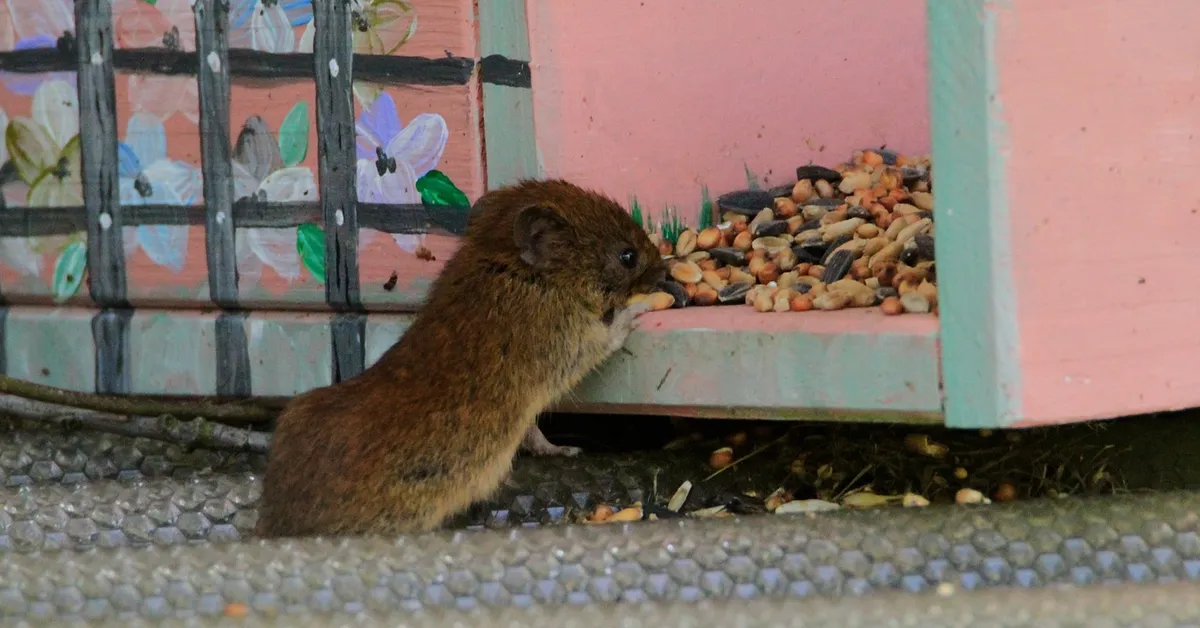
Observing my own mice, I see how their natural behaviors create contamination risks in a food setting. A single mouse can produce dozens of droppings daily, each potentially carrying harmful bacteria. Mouse urine contains proteins that can trigger allergic reactions and spreads pathogens across surfaces through their constant marking behavior. Their feet, constantly in contact with droppings and urine, track contaminants everywhere they walk.
Unlike my pet mice who live in a controlled habitat, wild mice explore drains, garbage, and other unsanitary areas before entering food spaces. The primary danger lies in the invisible trail of Salmonella and E. coli they leave across countertops, equipment, and food packaging. Their grooming habits mean contaminants from their fur transfer easily to anything they touch.
Can Mice Cause Food Poisoning?
Absolutely. Mice can transmit several pathogens known to cause foodborne illness in humans. My experience with pet mice has taught me how quickly bacteria spreads in their environment, and the same applies to food facilities.
- Salmonella: Commonly found in mouse droppings and can survive for weeks on dry surfaces
- Leptospirosis: Spread through urine contamination of food or water
- Hantavirus: Primarily airborne from disturbed droppings, but can contaminate food surfaces
- Tularemia: Less common but possible through handling contaminated food or surfaces
Even brief contact between mice and food surfaces can transfer enough pathogens to make someone seriously ill. The risk increases dramatically when mice access stored dry goods or preparation areas.
How Food Packaging Fails Against Mice
Watching my curious mouse Kenny investigate everything has shown me how determined rodents can be. Standard food packaging offers little protection against their persistent gnawing.
- Cardboard and thin plastic: Easily chewed through in minutes
- Bag closures: Twist ties and simple clips provide no real barrier
- Paper wrappers: Offer zero resistance to determined mice
- Thin plastic containers: Can be gnawed through at corners and seams
Mice have incisors that grow continuously, driving them to chew constantly on various materials including packaging. They can detect food aromas through many types of packaging, guiding them directly to the most vulnerable points. This is why they will chew through materials like plastic, cardboard and even electrical wiring. Gnawing both wears down their teeth and creates access points to food.
Cleaning and Disinfecting After Mouse Contamination
Safe Cleaning Procedures Step-by-Step
Having cleaned many mouse habitats, I’ve learned proper technique matters for complete sanitation. In food facilities, the stakes are much higher.
- Ventilate the area thoroughly by opening windows or using fans before beginning cleanup
- Wear protective gloves and a mask to prevent direct contact with contaminants
- Spray droppings and contaminated areas with disinfectant rather than sweeping or vacuuming
- Wipe surfaces carefully with disposable towels, working from clean areas toward dirty ones
- Dispose of all cleaning materials in sealed plastic bags immediately
- Wash hands thoroughly with soap and warm water after removing gloves
Never use dry cleaning methods that can aerosolize contaminated particles and spread pathogens through the air. This careful approach prevents cross-contamination to other areas.
Choosing Effective Disinfectants
Not all cleaning products work equally well against mouse-borne pathogens. From maintaining my mice’s living spaces, I’ve found some solutions work better than others. Using the right disinfectants and safe cleaning methods is essential to properly clean mouse cages and reduce the risk of disease transmission.
- Bleach solutions: Mix 1.5 cups of household bleach with 1 gallon of water for hard surfaces
- Commercial disinfectants: Look for products specifically labeled effective against rodent-borne bacteria
- Quaternary ammonium compounds: Often used in food service settings for ongoing prevention
- Alcohol-based solutions: Effective for quick surface cleaning between more thorough disinfections
Always follow product instructions for proper dilution and contact time to ensure pathogens are eliminated. Different surfaces may require specific formulations to avoid damage while maintaining effectiveness.
Working with Pest Control: Trapping and Exclusion Techniques
Trapping Methods in Food Facilities
While my pet mice live in comfortable habitats, managing wild mice in food environments requires different approaches. The methods must be safe around food products. When you call pest control about mice, expect a professional inspection and recommendations for food-safe treatments. The technician will also advise on sanitation and sealing entry points to prevent re-infestation.
- Snap traps: Provide immediate results and allow for monitoring of mouse activity
- Electronic traps: Offer contained elimination without exposure to contaminants
- Glue boards: Useful for monitoring but require frequent checking
- Multiple-catch traps: Can capture several mice without resetting
Place traps along walls where mice typically travel, with the trigger mechanism facing the wall for best results. Regular monitoring and documentation help track the effectiveness of your control program. For pest control of mice, check traps and nearby signs like droppings or gnaw marks daily. Use that information to adjust trap placement and baiting as needed.
Exclusion and Proofing Your Facility
My mouse Jeffrey can squeeze through astonishingly small spaces, reminding me how thorough exclusion efforts must be. Preventing entry is more effective than dealing with infestations.
- Install door sweeps on all exterior doors to eliminate gaps
- Seal utility penetrations with appropriate materials like copper mesh or expanding foam
- Repair damaged ventilation covers and install rodent-proof screening
- Maintain at least 18 inches of clearance between stored products and walls
- Keep vegetation trimmed back from building exteriors
Mice can enter through openings as small as a dime, making meticulous inspection and sealing critical for effective exclusion. Regular facility audits help identify new potential entry points before they become problems.
Long-Term Prevention: Keeping Mice Out of Food Areas
Food Storage Practices That Protect Inventory
Think like a mouse for a moment-they are incredible opportunists with a fantastic sense of smell. Transferring all dry goods like flour, grains, and pasta into robust, airtight glass or hard plastic containers is your single most effective defense. I watched my own mouse, Kenny, figure out how to nudge a loosely-closed plastic tub across a counter; their determination is boundless. Cardboard boxes are mere invitations, easily chewed through in minutes. For bulk items, metal bins with secure, snap-on lids are worth the investment, as even the most persistent rodent teeth cannot penetrate them.
Sanitation Routines to Reduce Rodent Attraction
Mice are drawn to the slightest food residue, which they perceive as a feast. Implementing a ‘clean as you go’ policy, especially at the end of the day, eliminates the tiny food particles that attract curious noses. This goes beyond sweeping—it means wet-mopping floors to remove sticky residues and meticulously wiping down all equipment surfaces. Emptying trash cans nightly into sealed outdoor dumpsters is non-negotiable; an overflowing bin is a five-star restaurant for a wild mouse. The same discipline applies to mouse housing. Spot-clean daily, change bedding weekly, and perform a thorough monthly deep-clean and disinfection. My cautious mouse, Gregory, would never venture into a perfectly clean, scent-free environment, and wild mice share that wariness.
Sealing Entry Points and Ongoing Maintenance
A mouse can squeeze through a hole the size of a dime, making vigilance your best tool. Conduct regular inspections of your facility’s perimeter, paying close attention to gaps around pipes, utility lines, and under doors. Use a combination of steel wool and caulk or expanding foam to seal these breaches; mice will gnaw through softer materials. Install door sweeps on all exterior doors and repair any torn window screens immediately. I check my own home for potential entry points seasonally, a habit born from caring for my pet mice and knowing exactly what they are capable of finding.
Reporting Procedures and Regulatory Compliance
Health Department and Documentation Requirements
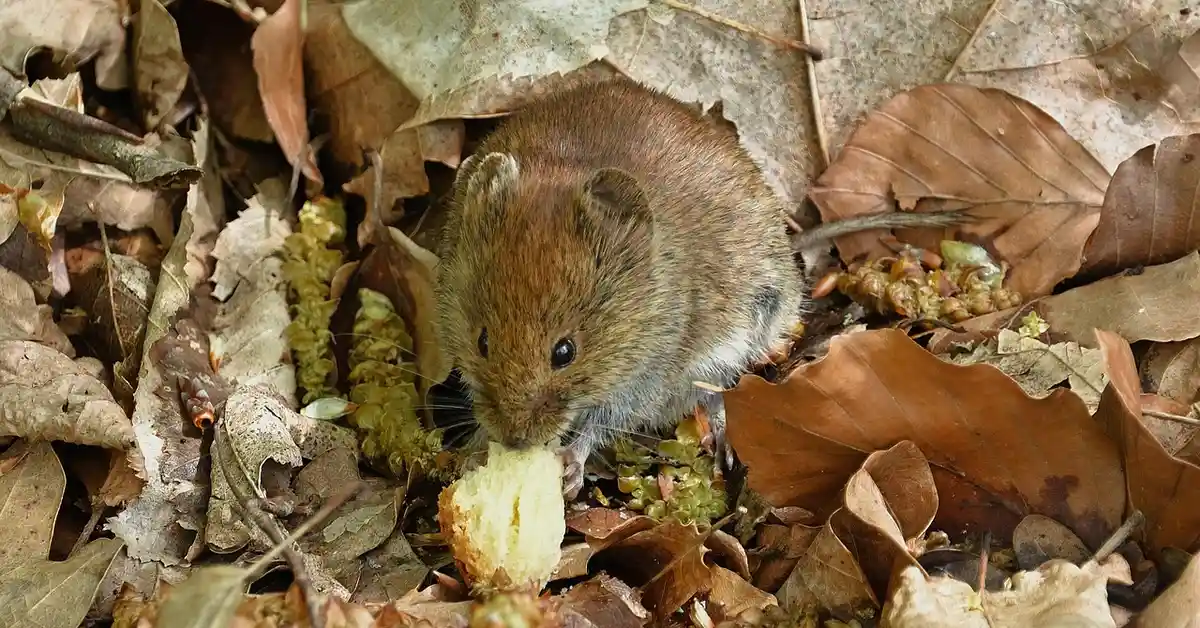
If you confirm or even strongly suspect an infestation, transparency is paramount. Immediately notify your manager or supervisor and be prepared to document everything you observed, including the date, time, location, and specific evidence. Most local health departments require food establishments to report pest issues; failing to do so can lead to significant fines and operational shutdowns. Keep a detailed log of all corrective actions taken, such as cleaning, sealing entry points, and contacting a licensed pest control professional. This paper trail demonstrates due diligence and a commitment to resolving the problem.
Employee Training and Incident Protocols
Every team member should be a frontline defender against pests. Establish clear, simple protocols that every employee can follow from day one, covering what to look for and precisely who to tell. Role-playing different scenarios during staff meetings can build confidence and ensure a calm, unified response. Training should emphasize that reporting a potential issue is a positive, responsible action, not a mark of failure. A well-trained staff acts as an early warning system, catching problems before they escalate into full-blown infestations.
Understanding Mice: Pet Care Perspective on Wild Rodents
Wild Mice vs. Pet Mice: Key Differences
While they share the same fundamental biology, their lives and risks are worlds apart. Pet mice are bred for temperament and health, living in controlled, safe environments, while wild mice are survivalists constantly facing threats from predators, disease, and scarcity. This fundamental difference in existence makes wild mice inherently more skittish, neophobic (fearful of new objects), and potential carriers of pathogens like hantavirus or salmonella. My pet mouse Jeffery, for all his cheerful anxiety, lives a life free from these dangers, which is why we must never interact with wild mice.
What Foods Are Safe for Pet Mice
Knowing what to feed your pet mouse provides a stark contrast to what attracts wild ones. A high-quality commercial lab block should form the staple of their diet, providing balanced nutrition that prevents selective eating. You can supplement this with small, mouse-safe fresh foods. Occasional, species-appropriate vitamin or mineral supplements can help fill nutritional gaps. Use only products formulated for rodents and follow your veterinarian’s advice, since overdosing can be harmful. Here is a quick guide:
- Excellent Choices: Small bits of broccoli, apple (no seeds), carrot, pea, and cooked plain chicken.
- Special Treats (Offer Sparingly): A tiny piece of banana, a single plain pumpkin seed, or a crumb of whole-wheat pasta.
- Always Avoid: Citrus fruits, sticky foods like peanut butter (a choking hazard), chocolate, onions, and anything high in sugar or salt.
This careful, nutritional approach is the opposite of the high-fat, high-carb scraps that sustain and attract their wild counterparts.
Frequently Asked Questions
Are food containers safe from mice?
No, standard food containers are not completely safe from mice, as their strong incisors allow them to chew through materials like cardboard, thin plastic, and bag closures. For pet mouse care, it’s best to use sturdy, airtight containers made of glass or hard plastic to store their food, as these are more resistant to gnawing and help keep the contents fresh and secure from pests. When children help feed or handle pet mice, supervise them and show how to open and reseal containers properly to prevent spills and contamination. Remind kids to wash their hands after handling mice and to avoid leaving food out where wild rodents could be attracted.
How can I store food so it is safe from mice?
To protect food from mice, store all items, including pet mouse food and human groceries, in robust, sealed containers like metal bins or thick plastic with tight-fitting lids. Additionally, maintain a clean environment by wiping down surfaces, sweeping up crumbs, and keeping storage areas clutter-free to eliminate attractants that might draw wild mice into your home. Proper food storage is key when it comes to preventing mice infestations.
Can mice cause food poisoning?
Yes, mice can cause food poisoning by spreading bacteria such as Salmonella through their droppings, urine, and fur, which may contaminate surfaces or food items. However, with pet mice, the risk is lower if you practice good hygiene-like washing hands after handling them and cleaning their habitat regularly-to minimize potential exposure to harmful pathogens.
Your Path Forward
Remember, being a responsible food worker and a compassionate mouse owner are not conflicting roles. The core principle is always proactive prevention and swift, humane action when needed. Your vigilance protects public health and ensures a safe environment for everyone.
Carry this knowledge with confidence, knowing you are equipped to handle the situation correctly. Your care and attention make all the difference, both in your professional duties and in the cozy habitat you provide for your own small companions.
Further Reading & Sources
- Dealing with Mice in Restaurants | Catseye Pest Control
- r/KitchenConfidential on Reddit: Manager says all restaurants have rodents and it’s normal?
- How to Get Rid of Mice in Your Restaurant
Isabella is a passionate small pet enthusiast with over 8 years of experience in caring for mice. She loves sharing practical tips and heartfelt stories to help fellow mouse owners provide the best care for their tiny companions.
Signs of Infestation