
Genetics 101: Basic Terminology for Mouse Keepers
Have you ever scratched your head over genetic terms while researching your mice’s unique traits and behaviors? As a longtime mouse keeper, I know how confusing it can feel at first, but this guide will demystify the basics and give you the confidence to understand your pets better.
We’ll walk through key concepts like alleles, phenotypes, and genotypes, and see how they relate to coat colors, patterns, and even personality quirks in mice, making genetics feel like a fun puzzle rather than a chore.
Why Should Pet Mouse Owners Learn Basic Genetics?
Learning the language of genetics transforms how you see your little companions. Knowing basic genetics helps you predict potential coat colors, understand health predispositions, and make more informed decisions for your mouse family. I’ve found it incredibly rewarding to look at my mice, like the adventurous Kenny or the calm Gregory, and understand the beautiful biological story written in their fur and behaviors.
It’s not about becoming a scientist. This knowledge empowers you to be a more observant and proactive caregiver, spotting subtle signs that others might miss. You begin to see each mouse not just as a pet, but as a unique individual shaped by a fascinating genetic code.
Core Genetic Terms Every Mouse Keeper Should Know
Genes and Alleles: The Building Blocks of Mouse Traits
Think of a gene as a single instruction in a massive recipe book for building a mouse. A gene provides the instruction for a specific trait, like fur color or ear shape. Alleles are the different versions of that same instruction. When an individual carries two different alleles, one may be dominant and mask the other, which is called recessive. This guide explains how dominant and recessive alleles interact to determine which trait appears.
For example, the gene might be for “fur color,” but the alleles could be “black,” “agouti,” or “white.” Your mouse inherits two alleles for every gene—one from each parent—and the combination they get determines their appearance. A gene is a stretch of DNA that codes for a trait, and alleles are the different versions of that gene. Knowing this makes it clear how my white mouse, Jeffery, has two alleles for a lack of pigment, which is why his coat is so brilliantly pale.
Understanding Genotype vs. Phenotype in Your Mice
This is one of the most useful distinctions for a pet owner to grasp. The genotype is the actual genetic code your mouse carries. The phenotype is the physical result of that code that you can see and touch.
- Genotype: The hidden genetic instructions (e.g., carries one allele for black fur and one for white).
- Phenotype: The visible outcome (e.g., appears with black fur because that allele is dominant).
A mouse’s phenotype is what you observe daily, but its genotype holds the secrets to what it might pass to its offspring. A mouse can look one way but carry hidden instructions for a completely different trait.
Dominant and Recessive: Why Some Traits Hide
Some genetic instructions are louder than others. A dominant allele only needs one copy to express itself and show up in the phenotype. A recessive allele is quieter; it needs two copies to be visible.
- Dominant Trait Example: The allele for standard ears is dominant over the allele for curled ears.
- Recessive Trait Example: The allele for pink eyes is recessive. A mouse will only have pink eyes if it has two copies of this allele.
This is why a trait can seem to “skip” a generation-it was hidden as a recessive allele in a parent’s genotype. I’ve seen this in past litters where a surprising color popped up that neither parent outwardly showed.
Homozygous and Heterozygous: What Your Mouse Carries
These terms describe the pair of alleles your mouse has for a specific gene. It’s a simple but powerful concept.
- Homozygous: Your mouse has two of the *same* allele for a gene (e.g., both alleles are for black fur).
- Heterozygous: Your mouse has two *different* alleles for a gene (e.g., one allele for black fur and one for white).
A homozygous mouse will always pass on the same version of that trait, while a heterozygous mouse is a genetic wildcard, capable of passing on either allele. Understanding this helps you grasp why siblings from the same litter can look so different from one another.
Chromosomes and Locus: Where Genes Live
Chromosomes are the packages that hold all the genes. Mice have 20 pairs of chromosomes, and each chromosome is like a long string of pearls.
The locus is the specific physical location or “address” of a gene on its chromosome. If a chromosome is a street, then a locus is a specific house number where a particular gene resides.
Knowing about locus helps you understand that genes for certain traits are linked because they live close together on the same chromosome. This structural understanding adds a deeper layer to appreciating the organized complexity within your tiny pet.
Sex-Linked and Autosomal Traits in Pet Mice
Understanding X-Linked Traits in Male and Female Mice
Some characteristics are carried on the X chromosome, which creates a fascinating inheritance pattern. Male mice, with their single X chromosome, will always express an X-linked trait if they inherit the gene for it. Females, having two X chromosomes, need the gene on both to show the trait visibly; otherwise, they can be carriers. This is why certain health conditions or even coat color modifiers can seem to ‘skip’ a generation, appearing more frequently in one sex. I’ve observed this in litters where a color appears predominantly in the males, a direct result of this X-linked inheritance. This is one form of inheritance pattern that explains how traits are passed down through generations. Recognizing these patterns helps predict which offspring are likely to show or carry specific traits.
Autosomal Traits: The Most Common Inheritance Pattern
The vast majority of your mouse’s looks and behaviors are governed by autosomal traits. These genes are located on the non-sex chromosomes. For an autosomal recessive trait to be visible, your mouse needs two copies of the gene-one from each parent. If it only has one copy, it becomes a carrier, hiding the trait from view. Dominant traits, on the other hand, only need a single copy to show up. Think of coat texture, ear shape, and most base colors; these are typically autosomal and follow predictable inheritance rules that you can often trace through family lines.
Decoding Mouse Coat Colors Through Genetics
The Agouti Gene: Wild-Type Coloring Explained
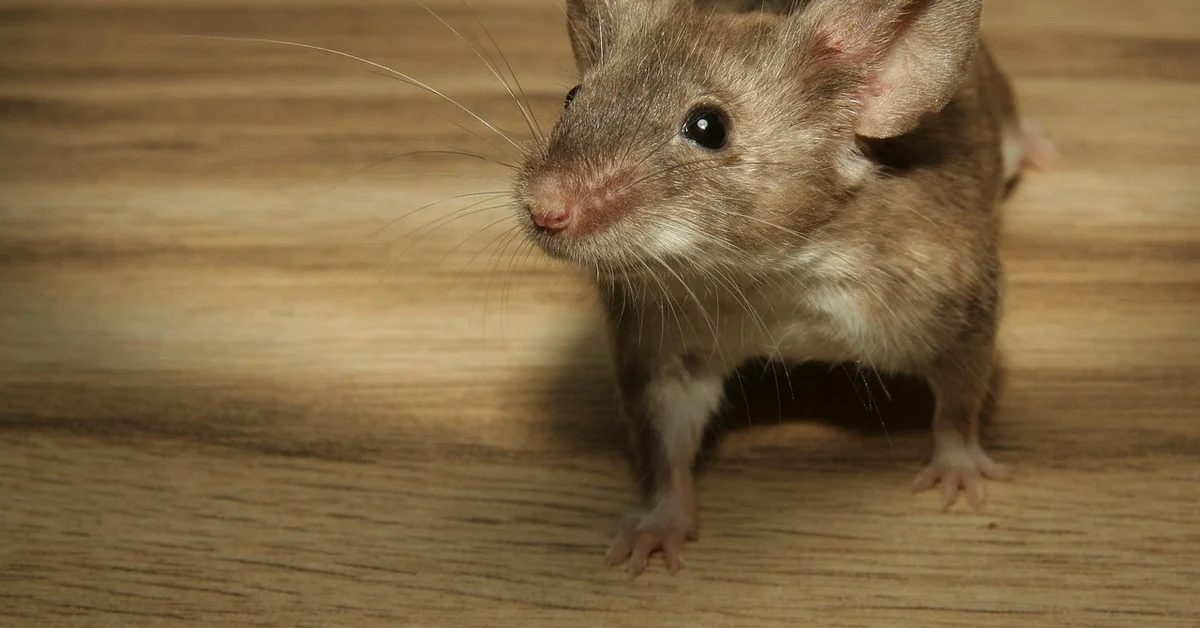
That beautiful, classic “mouse gray” or brownish-gray coat with a light belly is the agouti pattern, the wild type for mice. The agouti gene creates a fascinating banding effect on each individual hair, resulting in a camouflaging, ticked appearance. This is a dominant trait, which is why it’s so common. When a mouse does not inherit the agouti gene, it expresses a ‘non-agouti’ self-color, where the pigment is solid from the base to the tip of the hair. My Gregory has this rich, dark brown self-coat, a stunning example of a non-agouti mouse.
Albino Mice and the Absence of Pigment
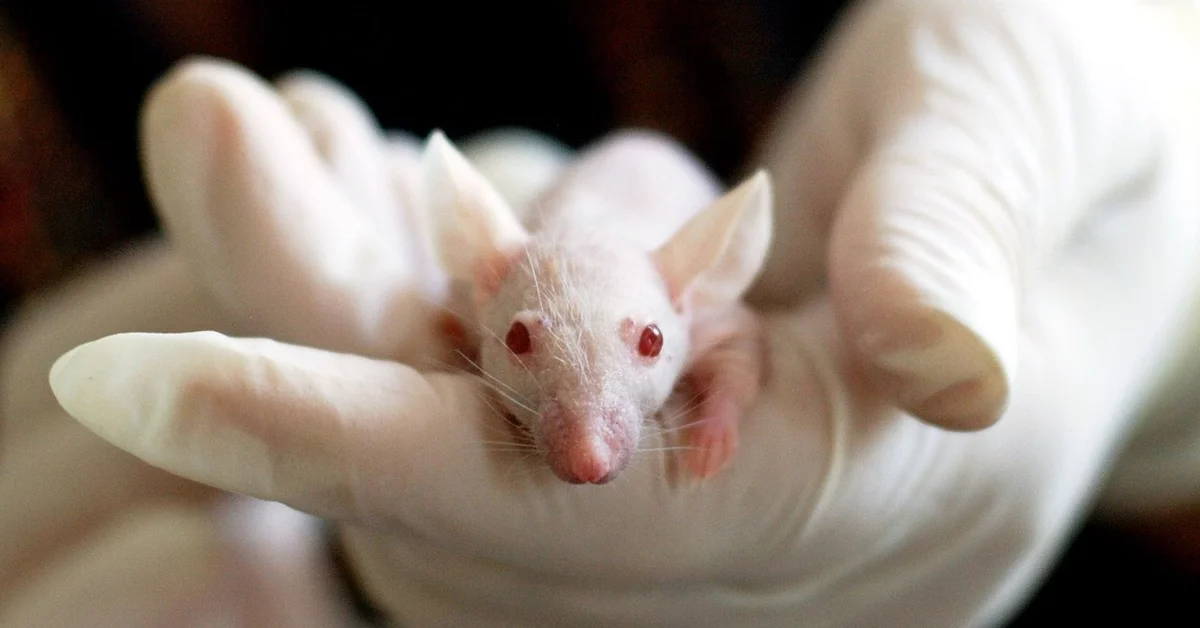
Albino mice, with their iconic white fur and pink eyes, lack all pigment. This striking look is caused by a recessive mutation in a gene responsible for the enzyme tyrosinase, which is critical for melanin production. For a mouse to be a true albino, it must inherit this recessive gene from both parents. It’s a complete absence, not a white color. Their vision is often more light-sensitive, and I always ensure my albino mice have plenty of hides and tunnels to feel secure in brighter rooms.
Common Color Variations You’ll See in Pet Mice
The palette of pet mouse colors is a direct result of genetic combinations. Here are some you’ll frequently encounter:
- Black: A recessive non-agouti color that produces a deep, solid black coat.
- Chocolate: A lovely brown variation, also recessive, that modifies black pigment.
- White with Dark Eyes: Often confused with albino, this is a different genetic combination that creates white fur but leaves the eye color dark.
- Pied or Marked: These spotted patterns are caused by genes that affect pigment migration during development, creating splashes of white mixed with another color.
- Dilute Colors: Genes like ‘dilute’ or ‘blue’ lighten a base color, turning black into a soft gray, for instance.
Use this colors and markings guide to help you identify and describe your mouse’s coat. Understanding these basics makes it easier to read breeder descriptions and appreciate the variety.
Understanding Carriers and Hidden Traits
A carrier mouse is like a genetic secret-keeper. This mouse appears perfectly normal but carries a single copy of a recessive gene hidden within its genetic code. It won’t show the trait itself, but it can pass that gene on to its offspring. The trait only becomes visible if the offspring inherits the same recessive gene from the other parent as well. This is how two black-coated mice can suddenly produce a litter with albino pups—they were both carriers for the albino gene. Recognizing that a mouse’s outward appearance doesn’t always reveal its full genetic story is one of the most important concepts for a mouse keeper to grasp. It explains the wonderful and sometimes surprising variety that can appear in subsequent generations. This understanding is essential when studying fancy mouse breeds, since breeders rely on knowledge of carriers and recessive genes to produce specific colors and patterns. By recognizing hidden genes, keepers can better predict and select for desirable traits.
Mutations: When Genes Change in Mice
Think of a gene as a specific instruction in a massive recipe book that tells a mouse how to build itself. A mutation is simply a typo or a change in one of those written instructions. Most of the time, these typos don’t change the final outcome, or they might even be harmful and not get passed on. But sometimes, a single, tiny change creates a whole new, stable, and inheritable trait that we mouse lovers find enchanting.
You’ve likely seen the results of mutations in pet stores and breeding communities. They are the source of the beautiful variety we see in our pets.
- Recessive Mutations: These are like secret instructions. A mouse needs two copies of the “typo” (one from each parent) for the trait to appear. Many classic coat color genes, like the one for pink eyes, work this way.
- Dominant Mutations: This is a very loud, bossy instruction. Only one copy is needed for the trait to show up. The satin gene, which gives a beautifully glossy coat, is a dominant mutation.
- Spontaneous Mutations: These are brand-new typos that weren’t inherited from either parent. I once had a mouse in a litter who was a completely different color from all his siblings-a spontaneous mutation had occurred!
How Mendelian Inheritance Works in Your Mouse Colony
The principles discovered by Gregor Mendel with his pea plants apply perfectly to our tiny companions. It all comes down to the genetic “lottery tickets” each parent gives to their offspring.
Every mouse carries two alleles (versions) for each gene, but they only pass one, chosen at random, to each of their babies. The other parent does the same. The combination the baby receives determines which traits it will have. Let’s use a simple example with coat color. In mice, coat color is controlled by several specific loci—commonly named B, C, D, and P—each with different alleles that interact to produce the final shade. Understanding how alleles at these loci combine helps explain why some offspring resemble one parent more than the other.
- Imagine a gene where ‘B’ stands for a dominant black coat and ‘b’ stands for a recessive brown coat.
- A mouse with two ‘B’ alleles (BB) will be black.
- A mouse with two ‘b’ alleles (bb) will be brown.
- A mouse with one of each (Bb) will be black, because ‘B’ is dominant and overrules the ‘b’.
This is why you can have two black-furred parents, like my Kenny and a hypothetical mate, unexpectedly produce a brown baby like a younger Jeffery. This only happens if both parents are carriers (Bb) of the recessive brown gene and they both happen to pass the ‘b’ allele to the same pup. It’s a game of genetic chance that makes every litter a surprise.
Penetrance and Expressivity: Why Genetics Isn’t Always Predictable
Sometimes, the Punnett squares we carefully draw don’t match the real, wiggling mice in our cages. This is where penetrance and expressivity come in-they are the reasons genetics feels more like an art than an exact science.
Penetrance answers the question: “If an animal has the genes for a trait, does the trait actually show up at all?” Think of a gene for a white spot on the forehead. If 9 out of 10 mice with that gene have the spot, we say the gene has 90% penetrance. The 10th mouse has all the right genetic instructions, but for reasons we often can’t see, the spot just doesn’t appear.
Expressivity answers the question: “If the trait does show up, how strongly does it show up?” Let’s take that white head spot again. In one mouse, it might be a tiny dot. In its sibling with the exact same genes, it could be a large, beautiful blaze. The gene is present and expressed in both, but its expression is variable.
In my own colony, I’ve seen this with a slight waviness in the coat. One mouse had pronounced curls, while another from the same litter had only a faint wave. Factors like the overall genetic background, environment, and even random developmental luck can influence how a single gene presents itself. This is a gentle reminder that our mice are living beings, not just genetic formulas, and they will always have the capacity to delight us with the unexpected.
Genetic Considerations and Mouse Health
Recognizing Inherited Health Traits in Pet Mice
Your mouse’s family history is written in their every squeak and whisker twitch. Many common health issues in pet mice have a strong genetic component, and learning to spot the signs early can make all the difference in their quality of life. I’ve cared for many mice over the years, and I’ve seen how certain traits reliably appear in specific coat colors and lineages.
Look for these potential inherited conditions:
- Neurological Issues: Mice with certain white spotting patterns, especially those with a lot of white, can be prone to balance problems or a fatal condition called megacolon. My little Jeffery, who is mostly white, is always monitored extra closely for any digestive changes.
- Respiratory Sensitivity: Some genetic lines are simply more susceptible to chronic respiratory infections. You might notice more frequent sneezing or wheezing compared to their cage mates.
- Tumor Predisposition: Female mice, in particular, can be genetically inclined to develop mammary tumors. Regular, gentle handling allows you to feel for any unusual lumps as they age.
- Dental Malocclusion: Misaligned teeth that never stop growing can be passed from parent to offspring. Watch for difficulty eating or sudden weight loss.
Why Genetic Diversity Matters for Pet Mouse Health
Think of a mouse’s gene pool like a toolbox. A diverse genetic background provides a robust toolkit for fighting disease and coping with environmental stress, while a limited one offers few specialized tools. When mice are bred from a very small or closely related group, the chance of inheriting two copies of a faulty gene skyrockets.
This “inbreeding depression” leads to tangible problems you’ll notice as an owner:
- Weakened Immune Systems: Mice from diverse backgrounds generally get sick less often and recover faster when they do.
- Lower Fertility and Smaller Litters: This is nature’s way of signaling that the genetic combination isn’t optimal.
- Higher “Fading” Rates in Young Mice: Pups that seem healthy at first may fail to thrive without a clear cause, often due to underlying genetic weaknesses.
- Amplification of Undesirable Traits: That minor nervous temperament in one mouse can become severe, chronic anxiety in its offspring if the gene pool is too shallow.
Seeking out pets from responsible sources that prioritize outcrossing different family lines is one of the most impactful health decisions you can make. Choosing a mouse with a rich genetic heritage is a direct investment in their long-term vitality and resilience.
Practical Genetics Resources for Mouse Keepers
You don’t need a lab coat to be a savvy genetic observer for your pets. The most powerful tool you have is a simple notebook dedicated to tracking the health and traits of your mice over time. I keep a log for my trio-Kenny, Gregory, and Jeffery-and it’s helped me connect dots I would have otherwise missed.
Start with this simple tracking system:
- Create a Pedigree Chart: If you know your mouse’s lineage, even just a generation or two, sketch a simple family tree. Note any known health issues next to each relative.
- Maintain a Health Journal: Record every vet visit, minor ailment, unusual behavior, and even their weight on a weekly basis. Patterns will emerge.
- Photograph Everything: Take clear pictures of your mice from multiple angles every few months. This helps you track subtle changes in body condition, coat quality, and posture.
Beyond your own observations, tap into the collective knowledge of the mouse-keeping community. Online forums and dedicated social media groups are invaluable for seeing how certain genes express in thousands of real-world pets, not just textbook examples. You can post a picture of your mouse and experienced keepers can often identify probable coat colors and point out potential health considerations associated with them. These community-shared photos make an excellent visual guide to common color-genetics outcomes, showing how specific genes affect coat patterns and offspring appearance. Use them alongside charts or genotype resources to better predict possible litter colors.
Finally, build a relationship with a veterinarian who has experience with rodents. When you can walk into a vet appointment and say, “This seems to run in his line, as his sister had a similar issue,” you empower your vet to provide faster, more targeted care. Your careful observations become critical diagnostic clues. If your vet recommends home treatment, ask for guidance on setting up a small, clean hospital cage where you can closely monitor and care for your mouse. A proper home hospital setup makes it easier to administer medications, maintain warmth, and track progress.
Frequently Asked Questions
What does the mouse genetics basics answer key include?
An answer key for mouse genetics basics typically provides the correct solutions to problems on inheritance patterns, such as Punnett squares and pedigree charts. It helps you verify your predictions about potential offspring traits, like coat color or the likelihood of recessive genes appearing in a litter. This tool is excellent for confirming your understanding of how dominant and recessive alleles interact in your pets.
What topics are covered in the mouse genetics basics Quizlet?
A Quizlet set on this subject would feature digital flashcards and games for key terms like genotype, phenotype, homozygous, and heterozygous. It helps with memorizing how these concepts determine the physical traits you see in your mice, from coat color to health predispositions. Using these interactive tools can make learning the vocabulary faster and more engaging for a pet owner.
Where can I find the mouse genetics basics PDF?
Reputable PDFs covering these fundamentals can often be found on the websites of universities with biology programs, rodent genetics research institutes, or major pet mouse enthusiast organizations. These guides offer a portable, in-depth reference for the core principles, but it’s best to start with the foundational knowledge in our main article to ensure you have the proper context for your pets.
Your Path Forward
You now hold the fundamental keys to understanding the wonderful genetic blueprint that makes your mouse so unique. Terms like genotype, phenotype, and alleles are no longer abstract concepts but practical tools that help you appreciate the beautiful complexity of your small companion’s very being.
This knowledge transforms simple observation into a richer, more connected experience with your pet. Every color, pattern, and even quirky behavior has a story written in its genes, and you are now equipped to begin reading it, deepening the bond you share every day.
Further Reading & Sources
- MGI 6.24 Introduction to Mouse Genetics
- Nomenclature for Mouse Strains | The Jackson Laboratory
- Mouse Genetic Nomenclature: Standardization of Strain, Gene, and Protein Symbols – PMC
Isabella is a passionate small pet enthusiast with over 8 years of experience in caring for mice. She loves sharing practical tips and heartfelt stories to help fellow mouse owners provide the best care for their tiny companions.
Mice Genetics