
Harvest Mice as Pets: A Realistic Guide for Curious Owners
Have you ever been captivated by the tiny, delicate charm of a harvest mouse and wondered if one could fit into your life as a pet? I’ve asked myself the same question many times, and through years of caring for various mice, I’ve learned the honest answers to help you navigate this decision with confidence.
This article will walk you through the essential considerations, covering their unique habitat needs, daily care routines, social behaviors, and health monitoring to give you a complete and truthful perspective.
What Are Harvest Mice?
Harvest mice are tiny, golden-furred acrobats, Europe’s smallest rodents, instantly recognizable by their prehensile tails that act as a fifth limb. Watching them nimbly climb grass stems with their tails wrapped securely for balance is a mesmerizing display of natural engineering. They build intricate, tennis-ball-sized nests woven from grass blades high above the ground, a testament to their delicate and specialized wild nature.
Wild vs Domesticated Mice
The distinction between a wild harvest mouse and a domesticated fancy mouse is profound, affecting every aspect of their care and your experience. Understanding those differences is essential when learning about fancy mouse breeds. Their selective breeding for color, pattern, and temperament affects handling and care.
- Temperament: Fancy mice are generations removed from their wild ancestors, bred for a calm disposition. Harvest mice remain inherently skittish and nervous, viewing large humans as predators.
- Handling: My fancy mice, like the curious Kenny, often seek interaction. A harvest mouse will almost always prefer flight over interaction, making them more of a “look, don’t touch” pet.
- Social Structure: While fancy mice thrive in single-sex groups, harvest mice have complex social dynamics. They can be kept in pairs or small groups, but introductions are delicate and space requirements are much greater.
- Hardiness: Domesticated mice are adapted to live alongside us. Harvest mice are far more sensitive to temperature fluctuations, diet changes, and stress, requiring a keeper with a vigilant, observant eye.
Can You Legally Keep Harvest Mice as Pets?
This is the most critical question, and the answer is entirely dependent on your location. In many places, including parts of Europe and some US states, it is illegal to keep native wildlife like harvest mice without special permits. These laws exist for conservation and animal welfare reasons. You must contact your local fish and wildlife department or a similar government agency for a definitive, legally sound answer before even considering ownership. Assuming ownership is legal where you live, sourcing them ethically is the next hurdle.
Harvest Mice Availability and Cost
You will not find a harvest mouse at a typical pet store. They are niche animals, usually obtained through specialized breeders, wildlife rehabilitators (in specific cases), or exotic pet expos. If you’re deciding whether to get a mouse from a breeder, a rescue, or a pet store, each source has different pros and cons. Below we’ll compare availability, health, and suitability to help you choose.
- Initial Purchase: Expect to pay significantly more than for a fancy mouse, often ranging from $50 to $150 per mouse, depending on the breeder and availability.
- Enclosure Setup: This is the largest upfront cost. A suitable tall, well-ventilated terrarium or a very large, custom-built cage can cost several hundred dollars.
- Specialized Diet: Their diet goes beyond standard lab blocks. You’ll need a variety of seeds, insects (like live mealworms and crickets), and supplements, adding to the recurring expense.
- Veterinary Care: Finding a vet experienced with such small, exotic wildlife is challenging and can be costly. Proactive budgeting for potential vet bills is non-negotiable for any responsible harvest mouse owner.
Harvest Mouse Temperament and Behavior
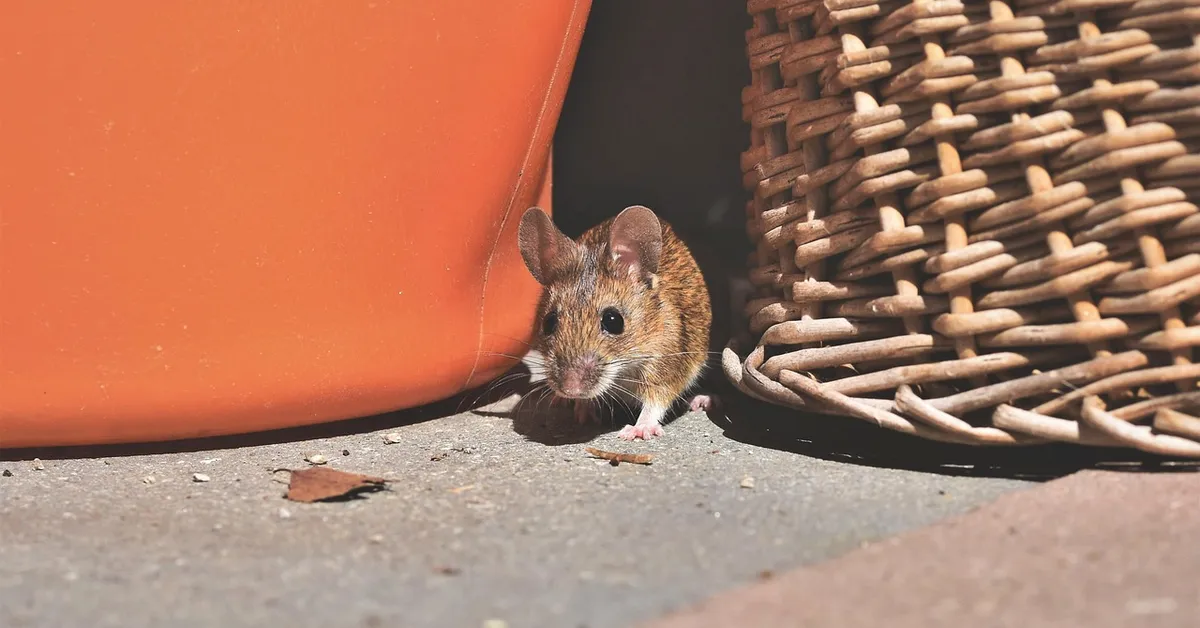
Harvest mice exhibit a delicate blend of curiosity and caution, often displaying more reserved traits compared to domesticated varieties. Their tiny size and wild origins mean they rely heavily on instinct, making them incredibly agile and observant in their surroundings. You might notice them meticulously exploring every nook, which reflects their natural foraging habits in tall grasses and shrubs.
These little creatures tend to be most active during dawn and dusk, blending bursts of energy with periods of rest. Patience is your greatest ally when building trust, as sudden movements or loud noises can startle them easily. I’ve found that speaking softly near their enclosure helps them recognize your voice as non-threatening over time.
While my own mice like Kenny show boldness, harvest mice often prefer watching from a safe perch before engaging. Creating a calm environment encourages their natural behaviors without forcing interaction, which respects their comfort zones. Expect to see lots of climbing and nest-building, as these activities are central to their daily rhythm.
Handling Harvest Mice
Gentle, consistent handling is key to helping harvest mice feel secure around you. Always approach with slow, predictable motions and let them initiate contact whenever possible to reduce stress. I usually sit near their habitat with my hand resting inside, allowing them to sniff and explore at their own pace. This approach helps in building trust before you safely pick up and handle them.
Use these steps to build positive handling experiences:
- Start by offering a small treat from your open palm to associate your presence with rewards.
- Once they willingly climb onto your hand, lift them just slightly above a soft surface to prevent falls.
- Keep handling sessions short-no more than a few minutes-to avoid overwhelming them.
Never grasp them tightly or from above, as this mimics predator behavior. Harvest mice have fragile bodies, so supporting their entire frame with cupped hands prevents injury and builds confidence. If they seem anxious, return them to their home and try again later; forcing contact can undo progress.
Housing Requirements for Harvest Mice
A well-designed habitat mimics their natural environment and keeps them safe and stimulated. Choose a tall, escape-proof enclosure with ample vertical space, as these mice are expert climbers who love to ascend and explore. Glass or acrylic tanks with secure mesh lids work wonderfully, providing visibility while preventing accidental escapes. Ensure the lid or fitted side vents provide good airflow, since poor ventilation in glass tanks can lead to humidity and respiratory issues. Use fine, sturdy mesh to balance ventilation with escape prevention.
Layer the bottom with a deep, soft substrate like aspen shavings or paper-based bedding for burrowing. Including hay or dried grasses encourages nest-building, which satisfies their instinct to create cozy, hidden retreats. I always add multiple hideouts, such as small wooden houses or cork tubes, so they can retreat when feeling vulnerable.
Maintain a consistent temperature between 65-75°F and moderate humidity to mirror their preferred meadow habitats. Regular spot-cleaning preserves freshness without disrupting their scent markers, which are crucial for feeling at home. Avoid overcrowding decorations; instead, focus on creating pathways that let them navigate freely.
Enrichment and Social Needs
Harvest mice thrive when their social and mental needs are met through thoughtful enrichment. Since they are naturally social, housing them in compatible pairs or small groups prevents loneliness and promotes natural interactions. Introduce new mice gradually in a neutral space to minimize conflicts, watching for positive signs like grooming or huddling together. To add a new mouse to an existing group, begin with scent-swapping and brief, supervised introductions in a neutral area. Increase contact slowly only if interactions remain calm, separating individuals at the first sign of persistent aggression.
Rotate enrichment items regularly to keep their environment engaging and novel. Simple additions like rope ladders, branches, and foraging toys challenge their minds and bodies, reducing boredom. Here are some enrichment ideas to try:
- Hanging treats from safe strings to encourage climbing and problem-solving.
- Providing a solid-surface exercise wheel for nighttime activity.
- Scattering food throughout the bedding to simulate wild foraging.
Observing their play can reveal individual preferences-some may love tunneling, while others prefer high perches. Tailoring activities to their unique personalities, much like I do with Jeffery’s cheerful antics, deepens their well-being and your bond. Always monitor group dynamics to ensure all mice have access to resources without competition.
Harvest Mouse Diet in Captivity
Feeding harvest mice a balanced, varied diet supports their health and mimics their natural omnivorous habits. Base their meals on a high-quality seed mix designed for small rodents, supplemented with fresh greens and protein sources. I often mix in millet, oats, and flaxseeds to provide essential fats and fibers they’d find in the wild. A deeper comparison of seed mixes versus nutritionally complete lab blocks will show the pros and cons of each and how best to combine them for consistent, balanced mouse nutrition.
Fresh foods should be offered in small quantities to prevent spoilage and digestive issues. Introduce new items slowly, watching for any adverse reactions like soft stools or disinterest. Here’s a sample daily diet plan:
- Main staple: 1-2 teaspoons of seed mix per mouse.
- Vegetables: leafy greens like spinach or kale, chopped finely.
- Protein: occasional live or dried insects such as mealworms or crickets.
- Fruits: tiny bits of apple or berry as weekly treats.
Always provide fresh, chlorine-free water in a shallow dish or bottle to ensure easy access. Fresh, clean water is vital for harvest mice—it supports hydration, digestion and overall health. Replace and clean water containers daily to prevent bacterial buildup. Monitoring their weight and adjusting portions prevents obesity, especially since harvest mice have high metabolisms. Remove uneaten fresh food within a few hours to maintain cleanliness and discourage pests.
Supplements like calcium blocks can support bone health, but consult a vet for specific needs. Offering a diverse menu not only meets nutritional requirements but also keeps mealtime exciting and engaging for these lively little friends. Watching them nibble and explore new foods is one of the joys of caring for such dynamic creatures.
Health, Lifespan, and Veterinary Care
The delicate nature of harvest mice means their health can be a fragile thing. Their incredibly small size makes them susceptible to rapid health declines, and even a minor illness can become serious in mere hours. I’ve learned to be hyper-vigilant with any new small pet, watching for the subtlest changes in behavior or appearance.
You must be prepared for a short, albeit beautiful, companionship. A harvest mouse’s lifespan typically ranges from just 12 to 18 months, a fleeting period that requires you to cherish every moment. This brief timeline is a natural aspect of their biology, not a reflection on the quality of care you provide. That said, attentive care can help maximize pet mouse lifespan. Balanced diet, a safe habitat, and prompt veterinary attention often make the difference.
Common Health Issues
- Respiratory Infections: Look for wheezing, sneezing, or discharge around the eyes and nose.
- Injuries from Falls: Their climbing antics are charming but risky; a bad fall can cause serious harm.
- Parasites: Mites can be an issue, causing excessive scratching and skin irritation.
- Digestive Problems: Sudden changes in diet can lead to an upset stomach or more severe issues.
Finding a vet for a harvest mouse is its own unique challenge. You absolutely need to locate an exotic veterinarian with specific experience in treating very small rodents before you ever bring a mouse home. Many general vets simply lack the equipment and knowledge to properly diagnose and treat an animal this tiny. It is a non-negotiable part of responsible ownership.
Pros and Cons: Should You Keep Harvest Mice?
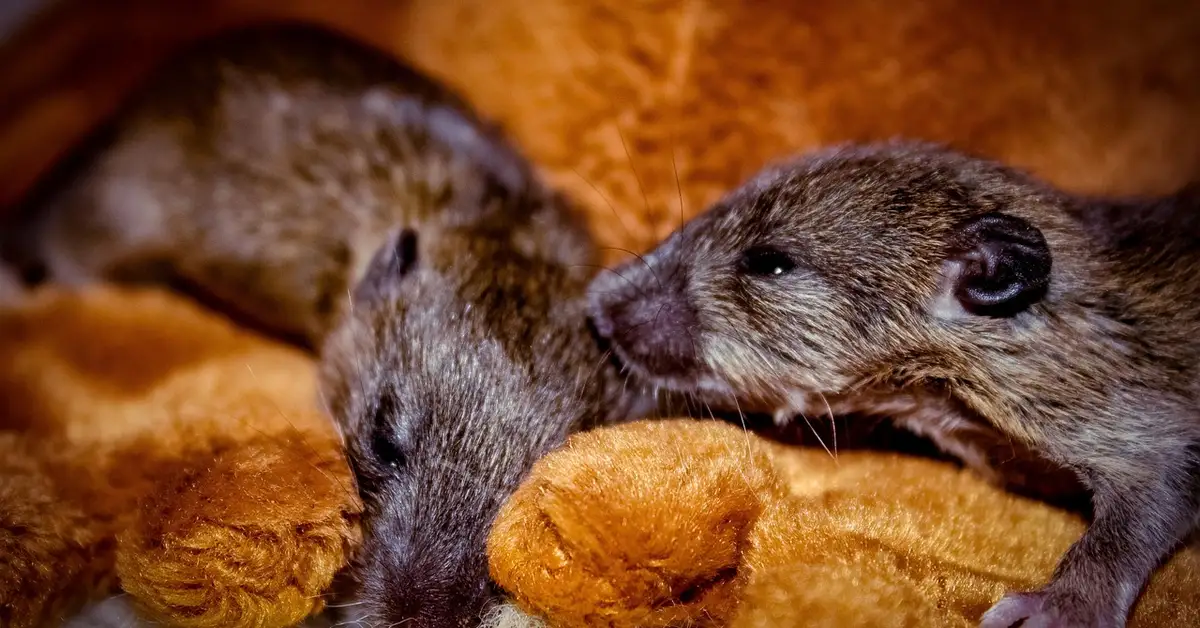
Deciding to welcome a harvest mouse is a decision that deserves careful thought. Let’s weigh the enchanting benefits against the very real challenges.
The Pros
- Mesmerizing Behavior: Watching them weave intricate nests from grasses and deftly climb stems is a truly captivating experience.
- Minimal Space: Their enclosure doesn’t require the vast footprint needed for larger pets.
- Quiet Companions: They are virtually silent, making them ideal for apartments or quiet homes.
The Cons
- Extreme Fragility: Their tiny bodies are easily injured, and they are not suitable for frequent handling.
- Short Lifespan: The heartbreak of losing a pet comes around much sooner than with many other animals.
- Specialist Vet Needs: Routine and emergency care requires a specific and sometimes hard-to-find veterinarian.
- Elusive Nature: They are often hiding or sleeping during the day, which can limit interaction.
The choice ultimately hinges on whether you are seeking a pet to observe and appreciate or one to hold and interact with physically. For hands-on companionship, there are better options, which we will explore next.
Better Alternatives to Pet Harvest Mice
If the challenges of harvest mouse care give you pause, know that there are other wonderful rodent companions that might be a more suitable fit for a home environment. These alternatives often provide similar joys with greater resilience and a more interactive personality.
Fancy Mice as an Alternative
For most people, the fancy mouse is the perfect alternative. Fancy mice are domesticated, which means they are genetically predisposed to be comfortable around humans. My three boys—Kenny, Gregory, and Jeffery—are fancy mice, and their individual personalities are a constant source of delight. That naturally raises the question: do mice have individual personalities? From watching mine, it certainly seems so. Unlike their wild cousins, they are curious about my presence and eagerly await treats.
- Hardier Health: They are generally more robust and have a slightly longer average lifespan of 1.5 to 2.5 years.
- Social and Interactive: They can form deep bonds with their human caregivers and are often active during the evening when you are home.
- Easier to Handle: Their comfort with people makes taming and handling a much more straightforward and rewarding process.
- Readily Available Care: Most exotic vets are very familiar with fancy mice, making healthcare far less stressful to manage.
You get all the intelligence and charm of a mouse in a package that is truly designed for life as a companion animal. Watching my curious Kenny explore a new toy or seeing gentle Jeffery carefully take a seed from my hand provides the connection many people seek without the high-stress care of a wild species.
Frequently Asked Questions
Are harvest mice pets?
Harvest mice can be kept as pets in some regions where it is legal, but they are not domesticated animals like fancy mice. They are best suited for experienced owners who can meet their specialized needs, such as tall enclosures and a varied diet, and who are content with observing their natural behaviors rather than frequent handling.
Are harvest mice for sale at Pets at Home?
No, harvest mice are not typically sold at large chain pet stores like Pets at Home. Due to their niche status and specific care requirements, they are usually available only through specialized breeders, wildlife rehabilitators (in certain cases), or exotic pet expos, where sourcing is more controlled and ethical.
Can you get a harvest mouse as a pet in the UK?
Yes, it is legal to keep harvest mice as pets in the UK if they are obtained from reputable, captive-bred sources. However, availability is limited, and you should verify that the breeder adheres to local wildlife regulations to ensure ethical ownership. Always research thoroughly and confirm the source is legitimate before acquiring one.
Your Path Forward
Welcoming harvest mice into your home is a commitment to a unique and delicate world. Their miniature size and arboreal nature require specialized enclosures and a gentle, observant approach to care, offering a different experience from that of their larger fancy mouse cousins.
If you feel prepared for their specific needs, the reward is a front-row seat to a fascinating, acrobatic life. You are not just getting a pet; you are becoming a steward for a tiny, intricate ecosystem, a role that is as challenging as it is deeply fulfilling.
Further Reading & Sources
- The Harvest Mouse – As Pets.
- Harvest Mice – Crittery
- Harvest Mice as Pets?! Caring For These Tiny Rodents – YouTube
Isabella is a passionate small pet enthusiast with over 8 years of experience in caring for mice. She loves sharing practical tips and heartfelt stories to help fellow mouse owners provide the best care for their tiny companions.
Mice Breeds & Varieties