
Can House Mice Survive Outside? A Pet Owner’s Answer
What goes through your mind when you imagine your tiny, domesticated mouse facing the vast, unpredictable world beyond your home?
I’ve cared for curious mice like Kenny and cautious ones like Gregory, and this guide will give you a straightforward, compassionate look at their real-world survival odds. You’ll find detailed insights on outdoor threats, their natural instincts, and how to keep your pet safe and content indoors.
The Reality of Outdoor Survival for House Mice
If your pet mouse slips out the door, you might ask if it can make it outside-the short answer is yes, but only for a limited time and under specific conditions. House mice can endure outdoors temporarily, yet they face immense hurdles that make long-term survival unlikely without human help. Key elements like shelter availability, the season, and your location heavily influence their chances. For instance, a mild summer in a suburban area offers more opportunities than a harsh winter in a rural setting. Temporary survival might last a few days as they scavenge, but thriving long-term requires skills and adaptations that pet mice simply don’t possess. Domesticated mice, unlike their wild cousins, haven’t built up the resilience needed for outdoor life over generations.
Pet Mice vs. Wild Mice: Critical Differences
When comparing pet mice to wild ones, the contrasts are stark and often heartbreaking. Pet mice like my curious Kenny lack the ingrained survival instincts that wild mice rely on daily. Behaviorally, they’re less wary of predators-imagine a domesticated mouse approaching a cat out of curiosity, while a wild one would flee instantly. Physically, pet mice may have softer fur and less robust immune systems from controlled environments. They depend on humans for food, safety, and warmth, whereas wild house mice have evolved through countless generations to handle outdoor challenges. This dependency means an escaped pet is like a fish out of water, struggling to adapt without guidance.
- Behavioral gaps: Pet mice show reduced fear and foraging skills.
- Physical traits: Domesticated types often have weaker defenses against disease.
- Human reliance: They expect consistent care, unlike wild mice who fend for themselves.
What House Mice Need to Survive Outdoors
Picture your escaped mouse scrambling to meet its basic needs-it’s a race against time and elements. To survive even briefly outdoors, a house mouse must quickly locate shelter, food, and water, all while avoiding dangers. This isn’t about comfort; it’s about sheer necessity. Think of it as a checklist for emergency survival, where each item is critical for making it through the first 24 hours. Without these, the odds drop dramatically, especially for a pet unused to the wild.
Shelter and Nesting Sites
Shelter is the first priority for any mouse venturing outside, acting as a safe haven from weather and predators. A secure hiding spot can mean the difference between a temporary refuge and a quick end for an unprepared pet. Mice seek out burrows in soft soil, crevices in walls, or dense vegetation to build nests using grass, leaves, and shredded materials. In urban areas, they might hide in sheds or under decks, while rural settings offer more natural options like hollow logs. My calm Gregory would likely seek a quiet, enclosed space, but without experience, finding one isn’t guaranteed. Common entry points and nesting spots include gaps under doors, vents, wall voids, attics, basements, and cluttered corners. Checking and securing these areas helps prevent a lost or inexperienced mouse from getting trapped or exposed. This need for protection is non-negotiable, as exposure leaves them vulnerable to cold, rain, or attacks.
Food Sources in Outdoor Environments
Outdoors, food isn’t served in a bowl-it’s scattered and seasonal, requiring savvy foraging. Wild mice thrive on a varied diet of seeds, insects, and plant matter, but pet mice often struggle to recognize these as meals. To see why, consider the wild mouse diet they eat. Depending on habitat and season, it includes seeds and grains, small insects, fruits, and green vegetation. They might nibble on fallen seeds, small bugs, or even human trash if desperate, yet seasonal changes mean scarcity in winter or abundance in summer. Foraging involves cautious exploration, something my impulsive Kenny might attempt but without the skill to sustain himself. Pet mice, used to handed treats, miss the instinct to hunt or gather, making every meal a gamble in unfamiliar territory.
- Common finds: Seeds from plants, tiny insects, leafy greens, and discarded food scraps.
- Seasonal shifts: Spring brings more options; winter limits choices drastically.
- Skill deficit: Domesticated mice lack the know-how to locate and utilize these sources effectively.
Access to Water
Water is just as crucial as food, yet finding it outdoors demands luck and location. Mice hydrate from dew on plants, puddles after rain, or small streams, but these sources aren’t always reliable. In drought or freezing conditions, liquid water vanishes, forcing them to lick condensation or moist surfaces. My anxious Jeffery would likely feel stressed searching for a drink, as pet mice aren’t conditioned to seek out these subtle hints. Without steady access, dehydration sets in fast, turning a brief adventure into a dire situation.
Temperature Extremes: Winter and Summer Survival
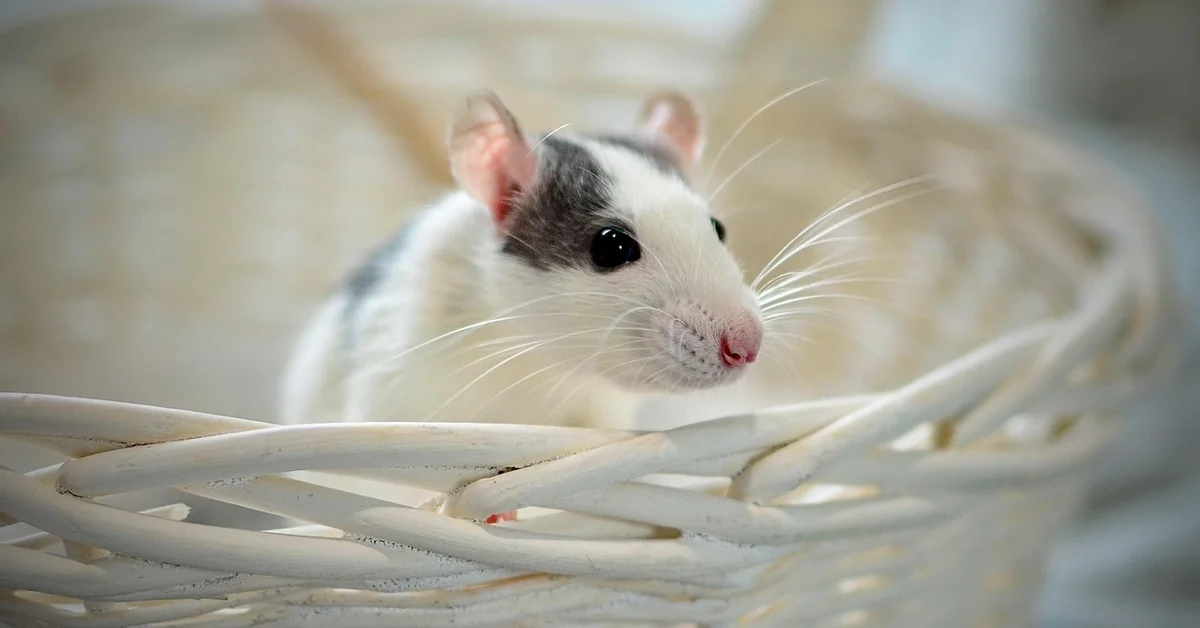
Many owners worry about how their tiny friend would cope with the harsh shifts of the seasons outside their controlled habitat. The cozy environment we create for them offers a stability that the wild simply cannot provide.
Can Mice Survive Outside in Winter?
Wild house mice are surprisingly resilient, but they have generations of instinct and established survival networks. They nest in large, huddled groups deep within insulated spaces like wall voids or barn lofts, sharing body heat. Their primary winter strategy is to avoid the cold entirely by staying within a stable, protected microclimate. They do not truly hibernate but become less active to conserve energy. These nesting habits help define local territories and shape their life cycles. Breeding, raising young and seasonal foraging patterns all revolve around access to secure, insulated nests.
For a solitary pet mouse, these conditions are impossible to replicate. A temperature drop below 50°F (10°C) begins to induce dangerous stress. When the mercury dips to freezing (32°F or 0°C), hypothermia can set in with shocking speed, often within an hour of direct exposure. Their small bodies lose heat rapidly, and without a warm nest and cagemates, their systems simply shut down.
From my own experience, my older mouse Gregory seeks out the warmest corner of his enclosure on even mildly cool days. This preference for consistent warmth highlights how ill-suited a single pet mouse is for the brutal, unpredictable cold.
Heat Tolerance and Summer Challenges
Summer presents a different but equally deadly set of problems. Mice are very sensitive to high temperatures and struggle to regulate their body heat. Ambient temperatures consistently above 80°F (27°C) can lead to life-threatening heat stress. They cool themselves primarily through their tails and by seeking cooler surfaces, options that are scarce on hot pavement or in a sun-baked garden. Yet many mice still stay through spring and summer because buildings, shaded vegetation, and underground burrows provide cool, sheltered microhabitats. Abundant food, water, and peak breeding activity also encourage them to remain rather than disperse.
Dehydration is a constant, silent threat. A mouse can become critically dehydrated in just a few hours without access to fresh water. Finding a reliable, uncontaminated water source is one of the most difficult challenges a released pet would face. Fresh, clean water is essential to prevent rapid dehydration and support normal bodily functions; contaminated sources can quickly cause illness. Wild mice get moisture from their food, but a pet mouse doesn’t have the knowledge to locate these specific food sources.
I notice my young, energetic mouse Kenny tires much more quickly on warm days. His reduced activity is a clear sign of how heat saps their vitality and can swiftly become a medical emergency.
What Kills Mice Outside: Major Threats
Releasing a pet mouse is not giving it freedom; it is exposing it to a world of constant danger it is not equipped to handle. Understanding these risks is the first step in protecting the life you are responsible for.
Predation Risk from Natural Predators
The outside world is a landscape of predators, and a naive pet mouse is an easy target. Common threats include:
- Cats (both pets and feral)
- Birds of prey like hawks and owls
- Snakes
- Foxes and coyotes in more rural areas
- Even larger rodents like rats
An attack can happen in the blink of an eye, long before the mouse even understands it is being hunted. Pet mice lack the ingrained fear and evasive instincts of their wild cousins. Their typical coat colors, often light gray or white like my Jeffery, make them highly visible against natural backgrounds.
Disease Transmission and Parasites
The great outdoors is a reservoir of illness that your mouse’s immune system has never encountered.
- External parasites like mites, fleas, and ticks can quickly infest their coat, causing intense discomfort and potential anemia.
- Respiratory infections from exposure to damp conditions, mold, and drastic temperature changes are common.
- Contact with wild rodents or their droppings can transmit viruses and bacteria for which your pet has no natural immunity.
A simple encounter with a contaminated puddle or piece of food can introduce a fatal illness.
Injuries and Physical Dangers
Life outdoors is physically brutal. A pet mouse faces numerous hazards that can lead to severe injury or a slow, painful decline.
- Vicious fights with territorial wild mice over food or shelter.
- Paw pad injuries from rough surfaces like concrete, sharp stones, or ice.
- Wounds from narrow escapes from predators, which then become infected.
- Accidental exposure to rodenticides, pesticides, or poisoned bait left out for pest control.
Without immediate veterinary care, even a minor injury can become a death sentence due to infection or blood loss.
If Your Pet Mouse Escapes Outside: Immediate Steps
Stay calm and act quickly. Your mouse is likely terrified and hiding very close by. Your swift and methodical action in the first 12-24 hours offers the best chance for a safe return.
Finding and Retrieving Your Mouse Quickly
- Search immediately at dusk and dawn. These are their most active periods, so you are more likely to see or hear movement.
- Check the nearest, tightest spaces first. Look under dense bushes, in flower pots, between stacked items, and in any small gaps along the foundation of your home. They rarely venture more than a few dozen feet initially.
- Use high-value bait to lure them. Place a small dish of their favorite food, like peanut butter or sunflower seeds, near potential hiding spots. A small trail leading to a humane live trap can be very effective.
- Listen carefully for faint scratching or squeaking. In the quiet of the evening, you might hear them before you see them.
- Use a flashlight to look for eye shine at night. Their eyes will reflect the light, even in deep shadow.
Health Check After Recovery
Once your mouse is safely back in your hands, a thorough check is vital.
- Examine them gently for any visible wounds, scratches, or limping.
- Look closely in their fur for signs of moving mites or fleas.
- Listen to their breathing for any wheezing or clicking sounds.
- Observe their behavior for lethargy, lack of appetite, or excessive thirst.
These simple checks can be done at home with a calm environment and good lighting. Regular at-home checks help you spot problems early and decide if veterinary care is needed.
Contact your veterinarian for a check-up, even if they seem fine, as some issues can have a delayed onset. It is also wise to quarantine them from your other mice for a few days while you monitor their health closely.
Preventing Escapes: Rodent-Proofing Your Setup
Keeping your curious companions safely inside their habitat is the single most effective way to protect them. A secure home is the foundation of their well-being, preventing a panicked search for a tiny escape artist.
Cage Security and Exclusion Methods
Mice are ingenious, finding weaknesses you never knew existed. A proper enclosure is your first and best line of defense. The right cage prevents escapes and keeps them healthy. Read our ultimate guide to mouse cages for the best designs, materials, and setup tips.
- Bar Spacing: This is non-negotiable. For adult mice, spacing must be no wider than 1/4 inch (6mm). Young or very small mice, like my Jeffery, can slip through gaps as small as a pencil’s width.
- Lid Security: A simple clip is rarely enough for a determined mouse. Use multiple sturdy, metal spring-clips or even small luggage locks to fasten the lid to the base. A lid that just sits on top is an open invitation.
- Common Escape Routes: Thoroughly check all doors, food dish hatches, and cable entry points. Block any small gaps with metal mesh or aquarium-grade silicone sealant. I learned this the hard way when Kenny nearly vanished through a tiny opening for a water bottle tube.
- Material Matters: Avoid soft plastic walls or flimsy connectors they can chew through. Glass aquariums with a secure, ventilated metal mesh lid are often the most escape-proof option.
Safe Handling During Playtime
Supervised exploration outside the cage is wonderful for enrichment, but requires a meticulous approach to safety.
- Supervision is Everything: Never leave your mouse unattended, not even for a moment. A quick dash to answer the door is all it takes for a mouse to disappear.
- Secure Playpen Options: A dedicated, solid-walled playpen is ideal. You can also create a secure zone in a dry, empty bathtub or a room where you have thoroughly blocked all potential hiding spots like under furniture or behind appliances.
- What to Avoid: Never take your pet mouse into an open yard, even on your shoulder. Loud noises, a passing bird, or a sudden breeze can startle them into a leap. Avoid sofas and chairs where they can burrow deep into the cushions, becoming impossible to find.
Handling your mouse in a calm, enclosed space builds trust and provides mental stimulation without the risks of the great outdoors.
Outdoor Housing: Is It Ever Appropriate?
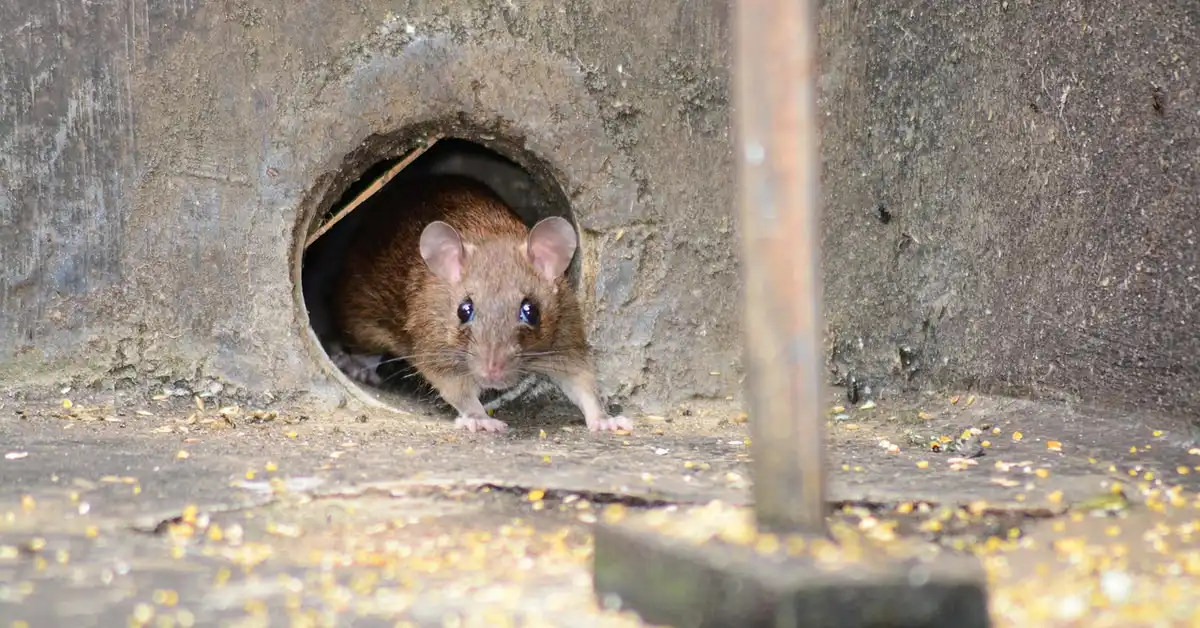
While the image of a mouse in a charming outdoor hutch seems idyllic, the reality is fraught with danger for a domesticated animal.
Permanent outdoor housing is almost never a suitable choice for a pet mouse. Their small bodies are ill-equipped to handle temperature swings, dampness, and the sheer stress of constant environmental threats.
There are only a few, highly specific scenarios where a temporary, secure outdoor setup might be considered, such as during a carefully managed wildlife rehabilitation process for a native species. Even then, it requires a predator-proof, weather-resistant enclosure that is monitored constantly. For the beloved pets in our homes, the consistent, safe, and warm environment we provide indoors is the only truly appropriate home.
Frequently Asked Questions
Can house mice survive outside?
Domesticated house mice may endure outdoors for a short period, but their long-term survival is highly unlikely due to a lack of ingrained survival skills. Unlike wild mice, pets rely on humans for food and shelter, making them vulnerable to the unpredictable elements and dangers outside their controlled environment. Mice raised in barren or overly sheltered settings can develop learned helplessness in mice, becoming passive and less able to cope with stressors. This impaired coping further reduces their chance of surviving if released into the wild.
What kills mice outside?
Mice face numerous lethal threats outdoors, including predators like cats, birds of prey, and snakes, as well as diseases and parasites from contact with wild rodents or contaminated sources. Injuries from fights, harsh weather, and accidental exposure to pesticides or toxins can also prove fatal quickly.
Can mice survive outside in the winter?
Winter conditions are especially deadly for pet mice, as temperatures below freezing can cause hypothermia within hours due to their small size and inability to find insulated shelter. Without access to consistent food and water, and lacking the group warmth wild mice rely on, survival through cold months is nearly impossible for a solitary domesticated mouse. Consequently, wild mice often seek the warmth and food found inside houses, which is why mice become winter invaders. Their small size and need for sheltered nesting sites make buildings an attractive refuge during freezing weather.
Your Path Forward
Your house mouse relies on you completely for a safe and fulfilling life, and the great outdoors simply cannot provide that. Their domestication has made them ill-equipped to handle predators, weather, and finding food, turning a well-intentioned thought into a dangerous situation. This shift from pest to pet is the result of a long domestication history as mice adapted to life alongside humans. Understanding that history explains why modern pet mice are so dependent and poorly suited to survival in the wild.
Channel that caring energy into crafting a dynamic indoor habitat filled with enrichment, where your curious companion can thrive without risk. From my own trio, I see how a secure home allows their unique personalities-from Kenny’s bold exploration to Jeffery’s cheerful antics-to shine brightly and safely for years to come.
Further Reading & Sources
- The Outside Lives of House & Deer Mice
- DO HOUSE MICE LIVE OUTSIDE TOO? – Colonial Pest Control
- Where Do Mice Live Outside? | Pets on Mom.com
Isabella is a passionate small pet enthusiast with over 8 years of experience in caring for mice. She loves sharing practical tips and heartfelt stories to help fellow mouse owners provide the best care for their tiny companions.
Outdoor Safety