
How Deep Should Mouse Bedding Be? The Importance of Burrowing
Have you ever watched your pet mouse and wondered if their home truly allows them to express their natural, digging instincts?
This guide will give you the confidence to create the perfect underground haven for your small companion. We will cover the ideal depth for different types of bedding, the best materials to encourage burrowing, and how to set up a habitat that keeps your mouse mentally and physically engaged.
The Ideal Bedding Depth for Pet Mice
Adjusting Depth Based on Your Cage Size
Providing the right amount of bedding isn’t a one-size-fits-all rule; your cage’s dimensions are the most important factor. In a standard 20-gallon tank or a large bin cage, you should aim for a minimum depth of four to six inches across the entire floor. This generous layer gives your mice the space they need to construct complex tunnel systems without hitting the bottom.
For smaller or multi-level enclosures, you need to get creative. Here are my strategies for maximizing burrowing space in any setup:
- Create a “deep zone” in at least half of the cage floor, piling bedding up to eight inches high.
- Use sturdy platforms or boxes to elevate food dishes and water bottles, keeping them accessible above the deep bedding.
- In tiered cages, fill one entire level with deep bedding and use other levels for wheels, toys, and food.
- Choose a bedding material that holds its structure, like aspen shavings or paper-based bedding, so tunnels don’t collapse easily.
Do Mice Really Need Bedding?
This is more than a comfort question-it’s a health and behavior necessity. A cage with only a thin layer of bedding, or worse, a bare plastic floor, is an environment that fails to meet a mouse’s most basic instincts. Bedding is not just a soft place to sleep; it is the primary medium for their natural digging and burrowing activities. Without it, they are deprived of a fundamental behavioral outlet.
I’ve seen the difference firsthand. My mouse, Jeffery, used to be far more anxious and twitchy when he lived in a cage with shallow bedding. After I upgraded to a deep layer, his entire demeanor softened. He spends hours happily tunneling, and that nervous energy has been replaced with a calm, purposeful busyness. Deep bedding provides crucial mental stimulation that directly reduces stress-related behaviors like bar chewing or excessive grooming.
Beyond behavior, the right bedding depth is vital for physical health. It helps with:
- Temperature Regulation: Mice can burrow down to cooler areas or nestle deep for warmth.
- Respiratory Health: Good bedding absorbs ammonia from urine, protecting their sensitive respiratory systems.
- Nail and Paw Health: Digging and walking on a soft, deep surface helps keep nails naturally filed and prevents sores.
Why Burrowing Matters for Mouse Welfare
The Connection Between Substrate Depth and Burrowing Behavior
In the wild, a mouse’s life revolves around its burrow. It’s a shelter from predators, a safe nursery for pups, a pantry for food, and a temperature-controlled home. When we provide deep bedding, we are giving our pet mice the tools to express this hardwired, species-typical behavior. It’s the closest we can get to replicating their natural environment in a captive setting. House mice (Mus musculus) are opportunistic omnivores that live in burrows or sheltered human structures and forage for seeds, grains, and scraps. Deep bedding lets them dig, nest, and cache food, supporting those natural habitat, diet, and behavior needs.
The depth of the substrate is the trigger that tells a mouse it’s safe to dig. In shallow bedding, they might scratch at the surface, but they understand on an instinctive level that they cannot create a secure, hidden network. With a deep layer, you will witness an explosion of natural activity—they will dig, push, sculpt, and create an entire world just beneath the surface, similar to how mice create nests in walls in the wild. My adventurous mouse, Kenny, is the chief architect of these subterranean networks, often disappearing for long periods into his latest engineering project.
This behavior is not a simple pastime; it is a complex cognitive and physical exercise. Burrowing requires problem-solving to design stable tunnels, physical strength to move bedding, and spatial awareness to navigate the dark, enclosed spaces. Fulfilling this deep-seated instinct is one of the most profound things you can do for your mouse’s overall well-being and contentment. A burrowing mouse is a happy, healthy, and fully engaged mouse.
Choosing Safe Bedding Materials for Burrowing
Paper-Based and Shredded Paper Bedding
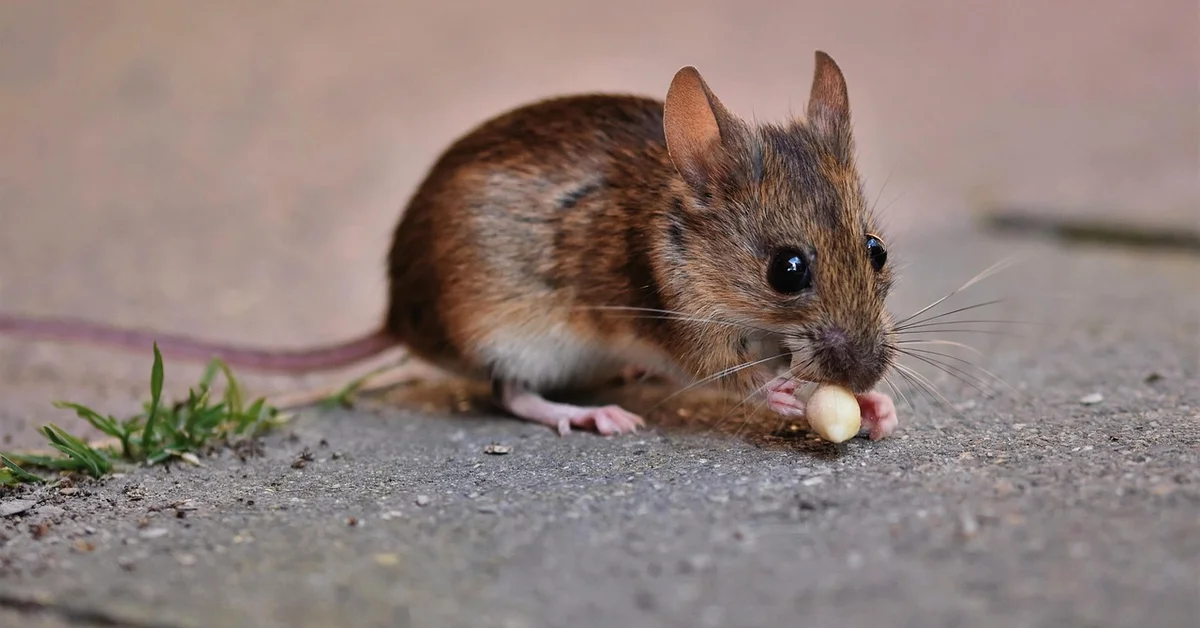
Paper-based bedding feels soft and crinkly under your fingers, offering a cozy texture that mice adore for tunneling. This type of bedding is highly absorbent and dust-free, which helps keep your mouse’s respiratory system healthy while they dig and play even on the dustiest days. I often use shredded, unbleached paper for my mice because it allows them to naturally shred and rearrange it, satisfying their instinct to build. Kenny, with his bold curiosity, loves burrowing into fresh paper piles, creating intricate networks that he proudly explores.
- Opt for unscented, ink-free paper to avoid chemical exposure
- Provides excellent insulation for temperature control
- Easy to spot-clean and replace, making maintenance simple
Aspen and Wood Shavings for Mice
Aspen shavings have a mild, woody scent and a firm texture that supports stable burrow structures. Unlike some woods, aspen lacks harmful phenols, making it a safe choice for mice who spend hours digging and nesting. I’ve found that aspen holds its shape well, giving mice like Gregory the stability he prefers for his calm, deliberate movements. It also masks odors effectively, keeping the cage fresher between cleanings.
- Choose kiln-dried aspen to minimize dust and moisture
- Supports natural chewing behaviors, which helps maintain dental health
- Combines well with paper bedding for varied enrichment
Materials to Avoid in Mouse Bedding
Some bedding materials can irritate your mouse’s skin or cause breathing issues, so it’s vital to steer clear of them. Avoid cedar and pine shavings, as they contain oils that may lead to respiratory distress or liver problems over time. Scented bedding often masks those same wood oils or adds artificial fragrances that can be just as harmful, so steer clear of anything labeled “cedar,” “pine,” or “scented.” If you want a fresher-smelling cage, opt for unscented, low-dust alternatives like paper-based or kiln-dried aspen bedding. I once tried a scented bedding, and Jeffery’s anxious sneezing reminded me how sensitive their little lungs are. Also, skip fluffy synthetic fibers or clay-based litters, which can cause blockages if ingested.
- Cedar and pine: toxic oils can harm respiratory health
- Corn cob bedding: prone to mold and doesn’t support burrowing well
- Clumping cat litter: expands when wet, posing ingestion risks
Setting Up Deep Bedding in Your Mouse Cage
Adding Nesting Material for Complete Enrichment
Start by layering your chosen bedding evenly across the cage floor, aiming for a depth that encourages digging. Mixing in soft nesting materials like unscented tissues or hay gives your mice the tools to craft personalized hideaways, boosting their mental well-being. I often scatter paper strips or Timothy hay, and watching Jeffery nervously gather bits into a snug nest always brings a smile. This setup mimics their wild habits, providing comfort and security. This advice is part of the ultimate guide to mouse cages, which covers bedding choices, cage layouts, and enrichment in detail. Use it to build a safe, stimulating home for your mice.
- Clear the cage of old bedding and wipe surfaces clean
- Add a base layer of bedding at least 2-3 inches deep
- Sprinkle nesting items on top for easy access
- Gently fluff the bedding to create loose areas for burrowing
How Much Bedding Do You Actually Need?
The ideal bedding depth depends on your cage size and your mice’s activity levels, but generally, more is better for burrowing enthusiasts. Aim for 4 to 6 inches of bedding to allow full tunnel construction, which reduces stress and encourages natural behaviors. In my experience, a deeper layer lets Kenny’s energetic digs go uninterrupted, while Gregory appreciates the extra cushion for his slower-paced explorations. If space is limited, focus on areas where they sleep and play most.
- Small cages (10+ gallons): 3-4 inches minimum for basic burrowing
- Larger enclosures or multi-mouse homes: 5+ inches for complex tunnels
- Adjust based on observation-if digging increases, add more bedding
Maintaining Deep Bedding Setups
Spot Cleaning Without Disrupting Burrow Systems
Your mice put tremendous effort into constructing their intricate underground homes, and a heavy-handed cleaning approach can cause real distress. I’ve learned that a gentle, targeted method preserves their hard work and keeps them feeling secure. The goal is to remove soiled material without collapsing the delicate architecture of their tunnels and nests. When cleaning droppings from nests, focus on extracting only the contaminated bedding and waste while leaving adjacent tunnels intact. This targeted approach reduces stress and helps maintain the integrity of their shelter.
I rely on a simple set of tools for this delicate task. A long pair of aquarium tweezers or a small, dedicated sand scoop lets me pinpoint and extract wet patches or soiled bedding from the surface. I carefully feel for damp spots with my fingers, often near their favorite food stashes or water bottle, and gently pluck out only the affected clumps. This surgical approach prevents you from accidentally digging into and destroying a hidden sleeping chamber.
- Observe First: Watch where your mice typically relieve themselves. Often, they designate a specific corner, allowing you to focus your cleaning efforts there without disturbing the rest of their domain.
- Gentle Extraction: Use long-handled tools to carefully lift out soiled clumps from the top layer. Avoid digging or scraping motions that can cause tunnels to cave in.
- Top-Up, Don’t Stir: After removing waste, gently sprinkle a fresh layer of clean bedding over the area to replenish what was taken. There’s no need to mix the new with the old.
- Respect the Nests: If you know the location of a primary nest, give it a wide berth during spot cleaning. Disturbing a sleeping area can significantly stress your pets.
Troubleshooting Bedding Depth Issues
DIY Deep Bedding on a Budget
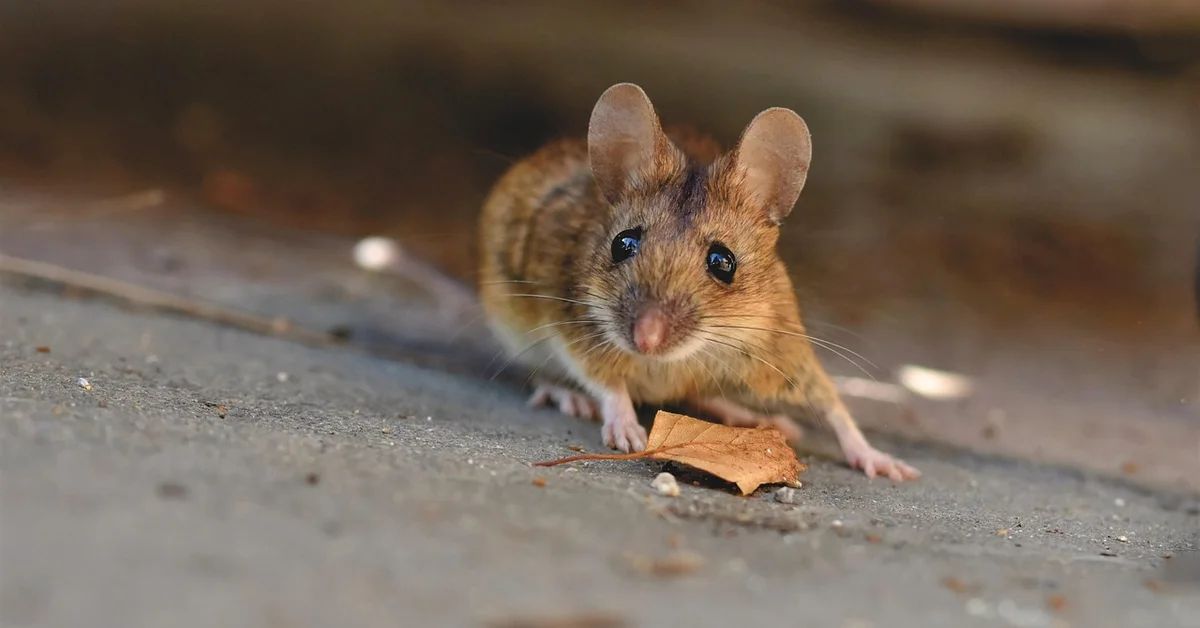
Creating a luxurious, deep-digging environment doesn’t have to strain your wallet. With a little creativity, you can provide a burrow-friendly habitat that feels like a five-star mouse hotel. The most cost-effective bedding I’ve used is plain, unprinted, and unwaxed paper that I shred myself using a cross-cut office shredder. It’s incredibly soft, absorbent, and holds tunnels beautifully.
Another fantastic option is to use a base layer of a more affordable, less-dusty aspen wood shavings, topped with a thicker, softer layer of paper bedding. This combination gives structure for tunneling at the bottom and supreme comfort on top. Mixing beddings can maximize volume and enrichment while minimizing your overall cost. Just be sure any wood product is kiln-dried and labeled for small animals.
- Shredded Paper: Use a cross-cut shredder on plain newsprint, paper towels, or unbleached paper. Avoid glossy ads or any paper with ink.
- Aspen Base Layer: Aspen shavings are typically less expensive than paper beddings and provide excellent structure. Use them for the bottom half of your depth.
- Layer for Longevity: Start with a thick base of aspen, then add a deep, soft top layer of paper bedding. This extends the time between full cage cleanings.
- Buy in Bulk: Look for large, compressed bags of paper bedding online or at farm supply stores. The unit price is almost always lower.
Alternatives When Deep Bedding Isn’t Possible
Sometimes, due to cage design, a mouse’s health, or other constraints, a full, deep bedding setup just isn’t feasible. This doesn’t mean your mice have to miss out on the joy of digging and hiding. The key is to provide concentrated zones of depth that simulate the burrowing experience. In our deep dive review of the Prevue 528 cage for mice, we’ll explore how its layout and accessories can be adapted to create those focused digging areas and which bedding approaches work best.
I’ve had great success using large, sturdy ceramic dishes or opaque plastic storage bins placed directly inside the cage. Fill these containers to the brim with bedding, creating a dedicated “dig box.” My mouse, Jeffery, who was once quite anxious, found immense comfort in having his own deep, secure pit to burrow in, even when the rest of his cage had shallower bedding. This method gives them a controlled area to express their natural behaviors without requiring a full-scale substrate overhaul. It’s especially useful if you’re using DIY bin cages where depth can vary.
Another effective strategy is to create a landscape with platforms and hideouts. Use shelves or ledges to create a second level, and place deep bedding underneath it. This utilizes vertical space and provides a dark, enclosed area that feels like a safe burrow. Think vertically and in sections to maximize the potential for depth within your specific setup.
- Implement a Dig Box: Select a heavy, tip-proof container and fill it completely with bedding. Place it in a corner of the habitat.
- Create a “Deep Zone”: Pile bedding much deeper in one specific section of the cage, ideally under a shelf or hideout to make it feel more enclosed.
- Use Multi-Chamber Hides: Provide commercial or DIY hides with multiple internal rooms. Stuff these with nesting material to satisfy the urge to create a complex, secure nest.
- Offer Foraging Balls: Pack small, paper-based foraging balls tightly with bedding and treats. The act of shredding them apart mimics digging and searching for food.
Frequently Asked Questions
How deep should rat bedding be?
Rats, like mice, thrive with deep bedding that supports their natural burrowing instincts. Aim for a minimum depth of 4 to 6 inches to allow for tunnel construction and nesting, which promotes mental stimulation and physical health. Since rats are larger, ensure the bedding material is sturdy enough to hold burrows without collapsing, and adjust based on cage size to provide ample digging space.
How can I make mouse bedding (DIY)?
Creating DIY mouse bedding is simple and budget-friendly using unbleached, ink-free paper like plain newsprint or paper towels. Shred the paper with a cross-cut shredder to produce a soft, absorbent material that holds tunnels effectively and encourages natural digging behaviors. Always avoid glossy or colored papers to prevent potential chemical exposure, and mix in safe nesting items like hay for added enrichment.
What are alternatives to mouse bedding?
If deep bedding isn’t possible, alternatives like dig boxes-sturdy containers filled with bedding-or multi-chamber hides can mimic burrowing experiences. These options provide concentrated areas for digging and nesting, reducing stress and allowing mice to express natural behaviors even in limited spaces. Foraging balls packed with paper bedding and treats also offer a similar outlet for digging and exploration.
Your Mice’s Burrowing Journey
Providing deep, diggable bedding is one of the most direct ways you can honor your mouse’s natural instincts and contribute to their daily contentment. It transforms their enclosure from a simple container into a dynamic landscape for exploration, security, and play.
Watching your mice happily tunnel and nest is a delightful reward, a clear sign you are meeting their core needs for a rich and engaging life. Start observing their burrowing habits today – you might be surprised by the complex little worlds they create just beneath the surface. These behaviors mirror what wild mice do—building nests, marking territories, and following seasonal lifecycles that shape their nesting and social patterns. Learning about those natural lifecycles can deepen your appreciation of their instincts.
Further Reading & Sources
- The impact of bedding volumes on laboratory mice – ScienceDirect
- Assessing Burrowing, Nest Construction, and Hoarding in Mice – PMC
- r/PetMice on Reddit: mouse doesn’t want to burrow… lol
Isabella is a passionate small pet enthusiast with over 8 years of experience in caring for mice. She loves sharing practical tips and heartfelt stories to help fellow mouse owners provide the best care for their tiny companions.
Bedding Options