
How to Check Your Mouse for Health Issues at Home
Have you ever noticed your mouse behaving oddly and felt a wave of concern, unsure if it’s just a passing phase or a sign of something deeper? I’ve faced those same anxious moments, and I know how vital it is to spot potential problems before they escalate. Regular at-home health checks can help you catch issues early, giving your mouse the best chance for a quick recovery.
This guide draws from my years of caring for mice to provide clear, practical steps you can follow. We will cover how to perform a gentle physical inspection, monitor behavior and appetite changes, and recognize when it’s time to consult a veterinarian.
What You Need Before Starting Your Mouse Health Check
Creating a Calm Examination Space
Your first and most important task is to transform a small area into a peaceful examination zone. A calm mouse is easier to assess, and you’ll get a much more accurate picture of their true health. I always use a small, empty plastic container with high sides, placing a familiar-looking paper towel or a handful of their own bedding in the bottom. This provides a non-slip surface that smells like home, instantly lowering their anxiety.
Conduct your health checks in a quiet room with minimal distractions. Turn off loud music or televisions and ensure other pets are not in the room to create a true sanctuary for your tiny friend. Gentle, indirect lighting is far better than a harsh, direct overhead lamp that can startle them. I’ve found my mouse Jeffery responds much better when the environment feels secure and predictable from the very start.
Step-by-Step: Conducting Your At-Home Mouse Health Assessment
Observing Behavior Before You Handle Your Mouse
Before you even think about picking up your mouse, spend a few minutes just watching them in their habitat. This undisturbed observation period gives you priceless insight into their normal activity levels and social interactions. Look for a mouse that is curious, moving around with purpose, and interacting with cage mates. A healthy mouse will groom itself frequently and show interest in its surroundings.
- Notice if they are interacting normally with cage mates or hiding alone.
- Watch for smooth, coordinated movements without any stumbling or head tilting.
- Check if they are eating and drinking from their usual spots.
- Be concerned if you see excessive lethargy, isolation from the group, or a hunched posture.
Checking Your Mouse’s Eyes and Face
Hold your mouse gently and bring its face close to your own for a careful look. Bright, clear, and wide-open eyes are a fantastic sign of good health in any mouse. The area around the eyes should be clean and free of any red, crusty discharge, which can indicate a respiratory infection. Both eyes should be equal in size and should not appear to be bulging or sunken into the head.
Examine the rest of the face for symmetry. Check for any swelling around the cheeks or jaw, which could point to an abscess or dental issue needing immediate attention. A small amount of clear porphyrin (red pigment) around the nose is normal, but thick, red crusting is a red flag that warrants a vet visit.
Examining Ears for Infection Signs
Gently cup your mouse’s head and take a close look at both ears. Healthy ears are clean, pink, and stand alert, free from any dark wax, scabs, or unpleasant odors. Look inside the ear canal for any signs of mites, which can look like tiny moving specks or a buildup of dark, coffee-ground-like debris.
- Ears should be symmetrical and not drooping.
- The skin on and behind the ears should be smooth, without flakiness or redness.
- Be alert for any scratching at the ears, which signals discomfort.
Inspecting Teeth and Mouth Health
A mouse’s teeth are constantly growing, making this a critical check. Gently part the lips to see the front incisors; they should be a healthy yellow-orange color and aligned evenly to meet properly. Overgrown teeth, which can look like long tusks, are a serious and painful problem that prevents eating. Teeth that are broken, crooked, or white in color are also causes for concern.
Assessing Coat Quality and Grooming Habits
Run a finger gently along your mouse’s back and sides. A plush, smooth, and shiny coat is the hallmark of a well-groomed and healthy mouse. The fur should lie flat against the body without any patches of thinning, bald spots, or greasiness. A neglected, ruffled, or unkempt coat often means your mouse isn’t feeling well enough to maintain its rigorous grooming routine. Changes in grooming are an early sign of stress or illness — mice may overgroom, causing bald patches, or undergroom and appear scruffy. Monitor any sudden shifts in grooming frequency or appearance so you can address possible health or anxiety issues promptly.
Checking Skin for Lesions, Lumps, and Parasites
Part the fur in several places to get a clear view of the skin underneath. You are looking for skin that is supple and clear, without any red sores, scabs, dry flakes, or unexpected bumps. Pay special attention to the shoulders, neck, and rump. Feel gently along the body for any unusual lumps or swellings beneath the skin. Watch for signs of parasites, like excessive scratching or visible tiny insects moving through the fur.
Monitoring Breathing Patterns
Hold your mouse still and quiet against your ear or watch its sides closely. Normal mouse breathing is very quiet and almost imperceptible, with no sound or effort required. Listen carefully for any clicking, wheezing, or congestion sounds. Labored breathing, where the sides heave dramatically with each breath, is a serious emergency that needs immediate veterinary care.
Weighing Your Mouse Regularly
This is one of the most objective ways to track health. I use a small digital kitchen scale to weigh my mouse weekly, logging the numbers to spot trends early. A sudden weight loss, even if the mouse still looks plump, is often the very first sign of illness. Consistent, gradual weight gain is normal for a young mouse, but an adult mouse should maintain a relatively stable weight. Regular weighing is a simple, non-invasive health check that can alert you to problems before other signs appear. Keeping a log makes it easy to spot small but important changes and provide accurate information to your vet.
Examining the Genital and Tail Area
Lift your mouse’s tail to briefly check the anal and genital region. This area should be clean and dry, with no signs of staining, swelling, or discharge. Check the base of the tail for any wetness, which can indicate diarrhea or wet tail. The tail itself should be smooth, cylindrical, and covered in fine scales, not kinked, swollen, or sore-looking.
Checking Feet, Nails, and Movement
Finally, take a look at your mouse’s tiny feet. Healthy feet are pink and nimble, with short, sharp nails that aren’t curled around into the footpads. Check the bottoms of the feet for any redness, swelling, or sores, which can be a sign of a condition often associated with wire cage flooring. Watch them walk away to ensure their gait is smooth and coordinated, without any limping or dragging of limbs.
Red Flag Signs That Mean Your Mouse Needs Help Now
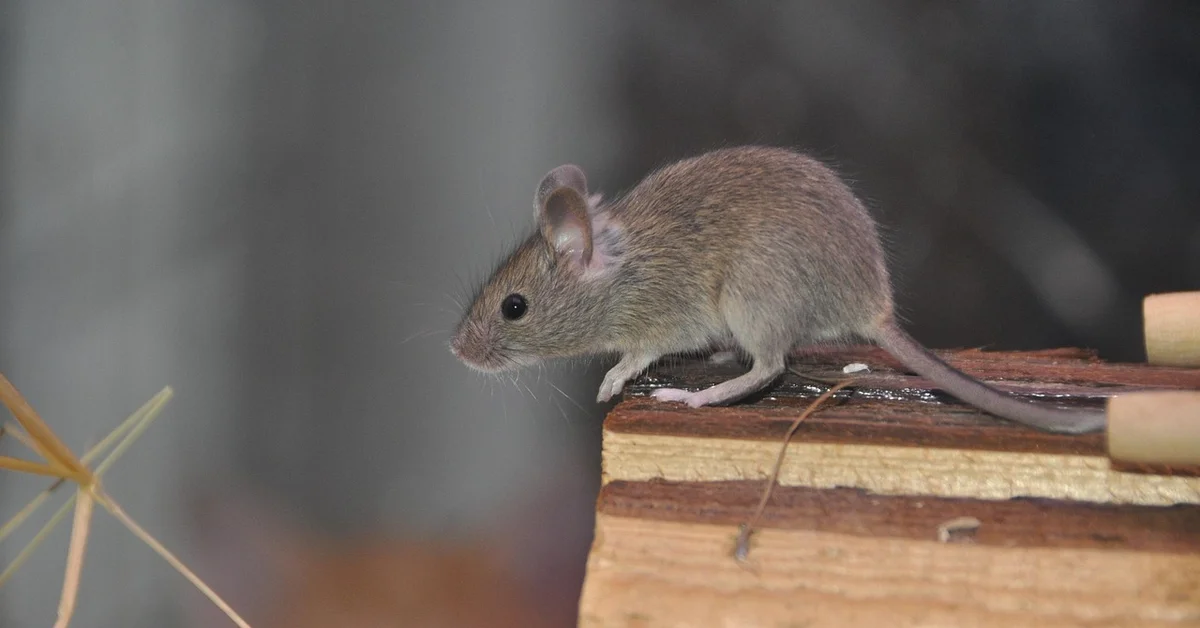
Some symptoms are a clear signal to contact your veterinarian without delay. If your mouse shows any of the following signs, they need professional medical attention as soon as possible. See the universal signs sick mouse visual guide below for clear photos and brief descriptions to help you identify these emergency symptoms quickly. Keep the guide handy so you can act fast if you notice any of them.
- Labored Breathing: You may see your mouse’s sides heaving or hear audible clicking, rattling, or wheezing sounds. This is a critical sign of a respiratory infection.
- Lethargy or Inability to Move: A mouse that is limp, unresponsive, or dragging its limbs is experiencing a severe medical crisis.
- Visible Bleeding or Injury: Any wound that won’t stop bleeding or looks deep requires immediate care to prevent infection and shock.
- Prolonged Lack of Eating or Drinking: Mice have fast metabolisms; going more than 12-24 hours without food or water is a serious emergency.
- Severe Head Tilt or Circling: This often indicates a neurological issue or a severe inner ear infection and needs urgent diagnosis.
- Crusty, Red, or Swollen Eyes That Are Sealed Shut: This can be a sign of a serious infection or injury that can lead to blindness if untreated.
Common Health Issues You Can Spot During Home Checks
Respiratory Problems in Pet Mice
Mice are prone to respiratory infections, often called Murine Respiratory Mycoplasmosis. Listen closely for any sound other than quiet sniffing; a healthy mouse is a quiet breather. Look for red-brown porphyrin staining around the eyes and nose, which can look like dried blood. You might also notice sneezing, a hunched posture, or a puffed-up coat as the mouse feels unwell. Keeping their habitat clean and draft-free is your best defense.
Recognizing Mites and External Parasites
Parasites cause intense itching and discomfort. Excessive scratching, scabs (especially on the neck and shoulders), and patchy fur loss are the most common indicators of mites. You might see tiny moving specks in their fur or fine, dusty debris in the cage, which is mite droppings. I’ve found that a sudden onset of scratching in one of my mice often means it’s time for a thorough cage deep-clean and a vet visit for treatment.
Spotting Tumors and Abnormal Lumps Early
Run your hands gently over your mouse’s body during handling. Feel for any unusual bumps, lumps, or swellings that weren’t there before. Tumors in mice can grow surprisingly fast. They are often found along the mammary chains (on the belly and sides) but can appear anywhere. While not all lumps are malignant, early detection gives you and your vet the most options. Female mice are especially prone to mammary tumors, so owners should be extra vigilant for changes along the mammary chain. If you find a lump, contact your veterinarian promptly for assessment and guidance.
Identifying Loss of Appetite and Weight Loss
A change in eating habits is one of the first signs of illness. Monitor their food dish and watch to see if they are actively eating their favorite treats. You can gently feel their spine and hip bones; if these bones become prominent and sharp, your mouse is losing significant weight. My mouse, Jeffery, is usually the first to the food bowl, so when he hesitates, I know to pay extra attention.
Understanding Abnormal Droppings
Your mouse’s droppings are a direct window into their digestive health. Healthy droppings are firm, dark, and oval-shaped. Be concerned if you see:
- Soft, mushy, or watery droppings (diarrhea), which can lead to dangerous dehydration.
- Very small, hard, dry droppings, which can signal constipation.
- A complete absence of droppings in the cage, which is a severe emergency.
- Droppings that are an unusual color, like pale yellow or green.
This short poop-changes guide will help you recognize common patterns, understand likely causes, and know when to seek veterinary care. Monitoring droppings regularly is one of the easiest ways to protect your mouse’s digestive health.
Tracking Your Findings: Creating a Mouse Health Record
Keeping a simple log helps you spot subtle trends that are easy to forget. A health journal turns your observations into powerful data for your veterinarian. I use a small notebook for each of my boys, but a notes app on your phone works perfectly.
Here is what I track for Kenny, Gregory, and Jeffery every week:
- Weight: Weigh them on a small kitchen scale one day each week.
- Appetite: Note if they finished their food and took treats eagerly.
- Activity Level: Record their normal exploring, climbing, and playing.
- Coat Condition: Check for a smooth, shiny coat without bald patches.
- Droppings: Make a quick note of their appearance.
- Behavior Notes: Jot down anything unusual, like increased hiding or changes in social dynamics.
This record becomes invaluable. You can show your vet exactly when a symptom started and how it has progressed, which leads to a faster, more accurate diagnosis. It transforms your worry into proactive, organized care.
How Your Mouse’s Habitat Affects Their Health
Your mouse’s home is their entire world, and its condition directly shapes their physical and mental state. A poorly maintained cage can be a source of constant, low-grade stress that weakens their entire system. I’ve seen dramatic improvements in my own mice, like Jeffery’s nervous twitching calming down, simply by refining their environment.
The Bedding Breakdown
Choosing the right substrate is your first line of defense for respiratory health. Dusty bedding is a primary irritant. Choose low-dust bedding, non-toxic materials and avoid cedar or unprocessed wood shavings. Proper ventilation and regular cleaning also reduce airborne particles and help prevent respiratory issues.
- Aspen Shavings: A solid, low-dust, and absorbent choice I’ve relied on for years.
- Paper-Based Bedding: Highly absorbent and virtually dust-free, excellent for sensitive mice.
- Hemp or Cardboard Substrates: Eco-friendly options that are becoming more popular for their good odor control.
- Avoid Cedar and Pine Shavings: The aromatic oils in these woods are toxic and can cause severe respiratory distress.
Space and Layout for Well-being
Mice are active, intelligent creatures who need more than just a food dish and a wheel. Clutter is good; a barren cage leads to boredom, obesity, and even aggression. My mouse Kenny’s impulsive nature is perfectly channeled into a maze of tunnels and platforms.
- Provide multiple hiding spots so every mouse, even the shyest, has a safe retreat.
- Use vertical space with ropes, ladders, and ledges to encourage natural climbing.
- Rotate toys and rearrange the layout weekly to spark curiosity and prevent habituation.
- Ensure there are multiple food and water stations to reduce competition.
What Home First Aid You Can Provide
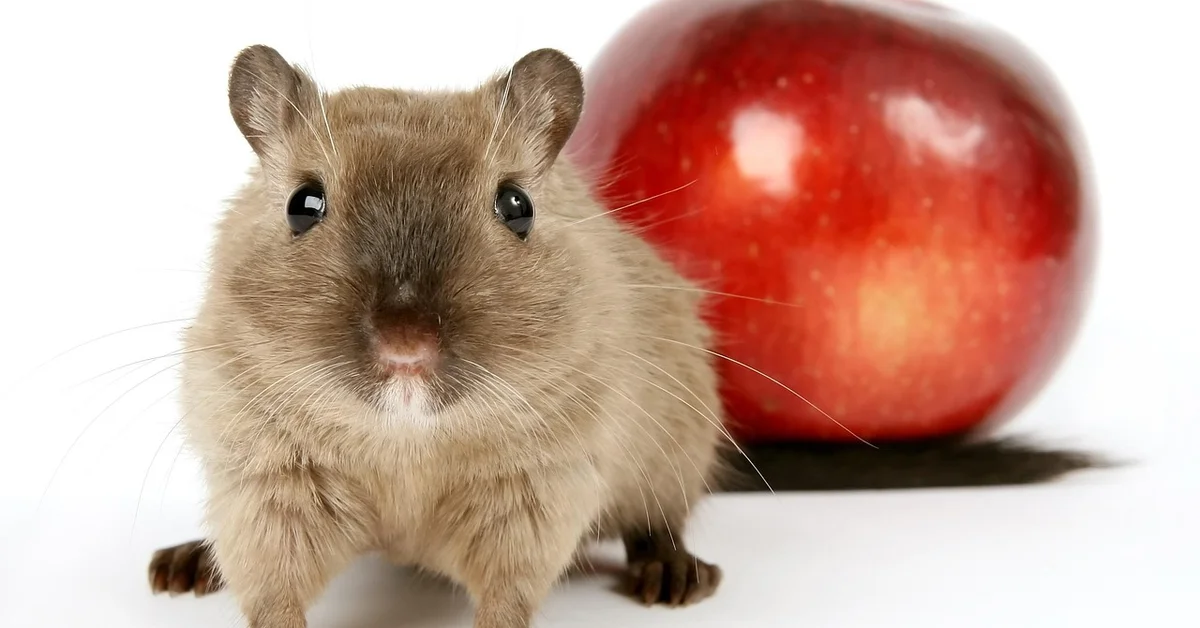
While a veterinarian is always needed for serious illness, you can manage minor issues at home to keep your mouse comfortable. Your calm and prepared response can make all the difference in a stressful situation for your tiny friend.
For Minor Cuts and Scrapes
Small wounds from squabbles or cage furniture are common.
- Restrain your mouse gently but firmly in a small towel, exposing only the injured area.
- Clean the wound with a cotton swab dipped in sterile saline or warm water.
- Apply a tiny amount of veterinarian-approved antiseptic ointment (like those without pain relievers).
- Monitor closely for signs of infection, such as redness, swelling, or pus.
Supportive Care for a Sick Mouse
When a mouse is under the weather, their number one need is hydration and easy calories.
- Hydration Support: Offer water from a shallow dish or syringe (drop by drop on the lips) if they seem weak. You can also offer watery foods like cucumber or watermelon.
- Nutritional Boosts: Soak their regular lab blocks in water to make a soft, easy-to-eat mush. Baby food (pure meat or vegetables, no salt or onions) is a great high-calorie supplement.
- Keep Them Warm: A sick mouse can’t regulate its temperature well. Place a heating pad under half of the cage or provide extra nesting material.
Building Your Mouse Health Check Routine
Consistency is the secret to catching problems early. Integrating a quick health check into your regular interactions makes it a normal, stress-free part of life for both of you. I do a mini-check on my mice, Gregory, Jeffery, and Kenny, every evening during treat time.
The Weekly “Paws-to-Tail” Inspection
Set a specific day each week for a more thorough examination.
- Eyes & Nose: Look for any redness, discharge, or squinting. Both should be clear and bright.
- Ears & Fur: Check ears for wax buildup or scratches. Part the fur to look for flaky skin, parasites, or any lumps.
- Teeth & Mouth: Ensure front teeth aren’t overgrown or broken. Look for wetness around the chin, a sign of dental issues.
- Paws & Tail: Check for swelling, redness, or any sores on the feet. The tail should be smooth and supple, not crusty.
- Weight & Posture: Feel their body for a well-covered rib cage. Watch how they move; a hunched posture can indicate pain.
Creating a Health Log
A simple notebook or digital note can be an invaluable tool.
- Note their typical weight range.
- Record their normal activity levels and personality traits.
- Jot down any unusual observations, no matter how small.
- This log gives you a baseline and provides crucial information for your vet.
Frequently Asked Questions
Can you test a mouse for hantavirus?
Hantavirus is a serious disease primarily associated with wild rodents, and pet mice are generally not a common source. Testing for hantavirus cannot be done at home and requires specialized laboratory analysis by a veterinarian or health professional. If you have concerns about zoonotic diseases, always practice good hygiene, such as washing hands thoroughly after handling your mouse or cleaning its habitat, and seek advice from a vet if your mouse shows unusual symptoms. However, many online claims exaggerate the risk from pet mice — hantavirus transmission is usually linked to wild rodents like deer mice. Here are some common myths about hantavirus and pet mice, debunked.
How can I check my mouse’s health online?
While you cannot perform a physical examination online, you can use digital resources to support your mouse’s health care. Reputable websites, forums, and mobile apps allow you to research symptoms, track weight and behavior logs, and access educational materials on common issues. However, always cross-reference information with a qualified veterinarian to ensure accuracy and avoid misinformation.
How do I check if my mouse is working properly?
To verify your mouse is functioning well, observe its overall demeanor and daily routines. A healthy mouse will display consistent activity, such as exploring, grooming, and interacting socially, without signs of distress like excessive hiding or aggression. A simple happy behavior checklist can help you track these signs regularly. Regularly checking items like activity level, grooming, social interaction, and appetite makes it easier to spot subtle changes. If you notice any irregularities, such as changes in vocalization or coordination, it’s important to investigate further or consult a vet for a comprehensive assessment.
Your Path to Healthy, Happy Mice
Regular home health checks are one of the most powerful tools you have for ensuring your mouse enjoys a long, vibrant life. By making these simple observations part of your routine, you transform from just an owner into a proactive and attentive guardian. Make it a weekly habit to perform a quick weekly home health check on your mouse—just a few minutes can reveal early signs of illness or injury. Note any changes in weight, coat, eyes or behaviour so you can seek care promptly if something seems off.
You don’t need to be a veterinary expert to notice when something is changing with your bold Kenny or your calm Gregory. Trust your instincts, celebrate the quiet weeks of good health, and know that you are fully equipped to spot the early signs that mean it’s time for professional support. You’ve got this, and your little friends are lucky to have you.
Further Reading & Sources
- CCOHS: Office Ergonomics – Computer Mouse – Common Issues from Use
- The effect of long-term use of computer mouse devices on median nerve entrapment – PubMed
- Occupational Overuse Syndrome (Technological Diseases): Carpal Tunnel Syndrome, a Mouse Shoulder, Cervical Pain Syndrome – PMC
Isabella is a passionate small pet enthusiast with over 8 years of experience in caring for mice. She loves sharing practical tips and heartfelt stories to help fellow mouse owners provide the best care for their tiny companions.
Signs of Illness