
How to Keep Mice Out of Your Travel Trailer, RV, or Camper
Have you ever opened your RV door after a period of storage, only to be greeted by the unwelcome sight of tiny droppings or chewed-up wiring? That sinking feeling is something I know all too well from my own adventures. This guide will give you a clear, actionable strategy to protect your mobile home-on-wheels from becoming a rodent resort.
We will walk through a complete defense plan, covering how to identify and seal the surprisingly small entry points mice use to get inside, explore effective natural deterrents and safe bait station placement, and outline a cleaning routine that removes the scents that attract them in the first place.
Why Wild Mice Target RVs and Campers
Wild mice see your parked travel trailer not as a vehicle, but as a perfect, unguarded shelter. To a tiny creature facing the elements, your RV represents a climate-controlled fortress, safe from predators and harsh weather. It’s a quiet, dark space that mimics the hollows and burrows they naturally seek out.
Beyond just shelter, your mobile home is a potential treasure trove of resources. I’ve learned from my own curious mouse, Kenny, that their sense of smell is incredibly powerful. Even the faintest, most forgotten crumb or a lingering food odor is a siren call, promising an easy meal without the danger of foraging outside. They are also master recyclers, viewing your spare napkins, paper towels, and even the insulation around your wiring as prime nesting material to build a warm, secure home for their young. That’s why they often choose to build nests inside walls and voids, where they’re sheltered and out of sight. Once established there, those nests can be difficult to detect and remove.
- Secluded Shelter: A parked RV is a quiet, undisturbed space, making it an ideal nesting ground away from outdoor threats.
- Reliable Food Sources: Crumbs, unsealed pantry items, and food-stained utensils provide a consistent and effortless food supply.
- Abundant Nesting Materials: Upholstery, insulation, paper products, and fabric offer everything needed to construct a soft, warm nest.
- Environmental Protection: It provides a dry, temperature-buffered environment that is far superior to a nest exposed to rain, cold, or extreme heat.
How Mice Actually Get Inside Your Travel Trailer
Understanding how mice infiltrate your space is your first line of defense. A mouse’s body is a study in flexibility, capable of compressing itself to squeeze through any gap larger than a pencil’s diameter. They don’t need a wide-open door; they just need a weakness in your rig’s armor.
I once found a small, seemingly insignificant gap near a utility hose connection, and it taught me a vital lesson. Common entry points are often hidden in plain sight, in areas we rarely think to inspect with a critical eye. They will follow plumbing lines, electrical conduits, and slide-out mechanisms right into your living space.
Here are the most frequent intrusion routes I’ve identified and learned to seal:
- Utility Penetrations: The holes where your water hose, propane line, and electrical cord enter the RV are prime gateways. The seals around these often degrade over time.
- Vents and Exhausts: Roof vents, furnace exhausts, and refrigerator cooling vents can have covers that warp or screens that develop tiny tears.
- Slide-Out Seals: The rubber seals around your slide-outs can get brittle, tear, or develop gaps in the corners, creating a perfect, hidden entrance.
- Undercarriage Gaps: Openings for wiring, holding tanks, and structural seams underneath the trailer are easily exploited from the ground.
- Door and Window Seals: Over time, the weather stripping on your main door and windows can compress or tear, leaving just enough space for a determined mouse to wiggle through.
Sealing and Blocking Entry Points to Rodent-Proof Your RV

Steel Wool and Caulk for Small Gaps and Holes
Mice can compress their skeletons to fit through spaces as small as a dime, so your first task is a meticulous inspection. My most effective discovery has been pairing coarse steel wool with a high-quality silicone caulk. Stuff the steel wool tightly into the hole—mice hate the texture and cannot chew through it—then seal it over with caulk for a waterproof, permanent barrier. Pay special attention around utility lines, plumbing entry points, and where the RV walls meet the frame. For larger openings, fasten 1/4-inch hardware cloth or a fine mesh over the gap before caulking; the rigid mesh prevents mice from pushing through. A simple guide to installing mesh around vents, foundations, and crawlspaces will help you mouse-proof your home more completely.
Wire Mesh for Larger Openings and Vents
Vents and larger openings for appliances are like open invitations. Use 1/4-inch hardware cloth or galvanized wire mesh, which is far more durable and chew-resistant than plastic vent covers. Cut the mesh to size and secure it firmly with screws or a strong adhesive caulk designed for outdoor use. This allows your RV to breathe while keeping all curious creatures, including my own adventurous Kenny, safely on the outside.
Door Sweeps and Weatherstripping
The gap under your RV door is often a major highway for small visitors. A simple door sweep can close this route completely. Combining a robust door sweep with fresh, pliable weatherstripping around the entire door seal creates a tight, impenetrable closure. I check the seal before every trip by closing the door on a piece of paper; if you can pull it out easily, it’s time for new weatherstripping.
Protecting the Undercarriage and Insulation
Mice view the dark, sheltered underbelly of your RV as a perfect nesting site, and they will happily chew through exposed insulation for bedding. Carefully inspect the undercarriage for any torn skirting or gaps and seal them with a combination of spray foam and metal sheeting. For extra protection, consider installing metal skirting or applying a rodent-deterrent tape, which has an unpleasant texture they avoid. Those same checks help when trying to rid mice from walls, attics, and crawl spaces—inspect for gaps and seal them promptly. Durable fixes like spray foam backed with metal or rodent-deterrent tape will block entry and discourage chewing.
Removing Attractants That Draw Mice to Your Camper
Store Food in Airtight Containers
A mouse’s sense of smell is phenomenal, and flimsy packaging is no match for their determination. I transfer all dry goods, including pet food, into solid glass or hard plastic containers with locking lids. Even a box of crackers or a bag of rice can emit enough scent to lure them in from a distance. This simple habit is your single most powerful tool for making your camper uninteresting. Reducing food odors works the same way in any home — airtight storage and prompt cleanup greatly cut down the smells that attract mice. Also empty trash regularly and clean up spills right away to remove lingering scents.
Deep Cleaning Your RV Before and After Trips
Crumbs and sticky spills are a gourmet feast for a mouse. Adopt a “no crumb left behind” policy with a thorough vacuuming and wipe-down of all surfaces, paying close attention to drawers, under seats, and the stove area. I use a vinegar and water solution for cleaning counters and floors, as the smell helps neutralize food odors that might otherwise attract unwanted guests.
Keeping Your Campsite and Storage Area Clean
Your defense extends beyond the RV walls. Maintain a tidy campsite by never leaving food, dirty grills, or trash bags outside overnight. When your RV is in storage, keep the area around it clear of leaf piles, tall grass, and woodpiles where mice might be living nearby, waiting for an opportunity to move into your warmer, cozier home on wheels.
Using Traps and Bait Stations When Prevention Isn’t Enough
Snap Traps for Quick Control
If you confirm an active mouse presence, snap traps are a classic for a reason. For the highest success rate, bait traps with a tiny amount of peanut butter or a sunflower seed and place them perpendicular to walls where mice tend to travel. Wear gloves when handling the traps to avoid transferring your human scent, which can make them wary. Snap traps are designed to kill mice instantly when triggered, and many compact rat-style snap traps will do the same if they’re the right size. Check traps frequently to ensure a quick, humane outcome.
Humane Catch-and-Release Traps
For those who prefer a non-lethal approach, live-catch traps are a compassionate option. Check these traps frequently—at least every few hours—because a trapped mouse can quickly succumb to stress or dehydration. Always release the mouse at least a mile from your location in a suitable habitat, as they have a strong homing instinct and may find their way back. When releasing, wear gloves and open the trap on the ground so the mouse can exit on its own without handling it. Afterward, clean and disinfect the trap.
Bait Stations for Persistent Problems
In cases of a recurring or significant infestation, commercial bait stations can be useful. These sealed plastic boxes hold poison bait securely, protecting children, pets, and non-target wildlife from accidental exposure. Place them around the exterior perimeter of your RV, focusing on areas where you’ve noticed signs of activity like droppings or gnaw marks.
Natural Repellents and Deterrents for Mouse Prevention
As someone who adores my own mice, the idea of deterring their wild cousins feels a bit strange. But protecting your mobile home from uninvited wild rodents is a matter of safety and hygiene for everyone involved. These methods focus on making your space unappealing without causing harm. Simple yard and garden maintenance goes a long way. Trimming vegetation, removing debris, securing compost and pet food, and sealing gaps reduce the food and shelter that attract wild rodents.
Peppermint Oil and Natural Scent Repellents
Wild mice navigate the world largely through their powerful sense of smell, which is far more sensitive than ours. You can use their own keen noses against them by strategically deploying scents they find offensive. This is my first line of defense and one I’ve had consistent success with. d-CON makes odor-control products that can help neutralize the scents mice use to navigate, and I often pair scent-based deterrents with d-CON odor-control for better results.
- Peppermint Oil: This is the champion of natural repellents. Soak cotton balls in 100% pure peppermint essential oil and place them in cabinet corners, under sinks, and near any potential entry points. The strong minty aroma is overwhelming to them. I refresh these every two weeks during storage.
- Cloves and Cinnamon: Whole cloves and cinnamon sticks are excellent, longer-lasting alternatives. Their spicy, pungent scent is a powerful deterrent. I often make little sachets using cheesecloth and place them in drawers and storage compartments.
- Irish Spring Soap: The strong, perfumed scent of this classic soap is another reliable option. Unwrap a few bars and place them around the RV, especially in the engine bay and storage areas.
Remember, scent-based repellents lose their potency over time. Consistent reapplication is the secret to making this a truly effective strategy. It’s a simple routine that pays off in peace of mind.
Ultrasonic Devices and Electronic Repellents
These gadgets emit high-frequency sound waves that are supposed to be intolerable to rodents but inaudible to humans and pets. My experience with these devices has been a mixed bag, and it’s important to understand their limitations.
- They work best in open, unobstructed spaces where the sound waves can travel freely. Cluttered RVs with many compartments and walls can create “dead zones” where the sound doesn’t reach.
- Rodents can eventually become accustomed to the noise if they are determined enough to find food or shelter.
- They are a supplemental tool, not a standalone solution. I use one in my main living area as an extra layer of protection, but I never rely on it alone.
Think of an ultrasonic repellent as a background security system that supports your primary physical and scent-based defenses. For my curious Kenny, the bold one who would investigate anything new, even a strange sound might give him momentary pause.
Protecting Your RV During Storage
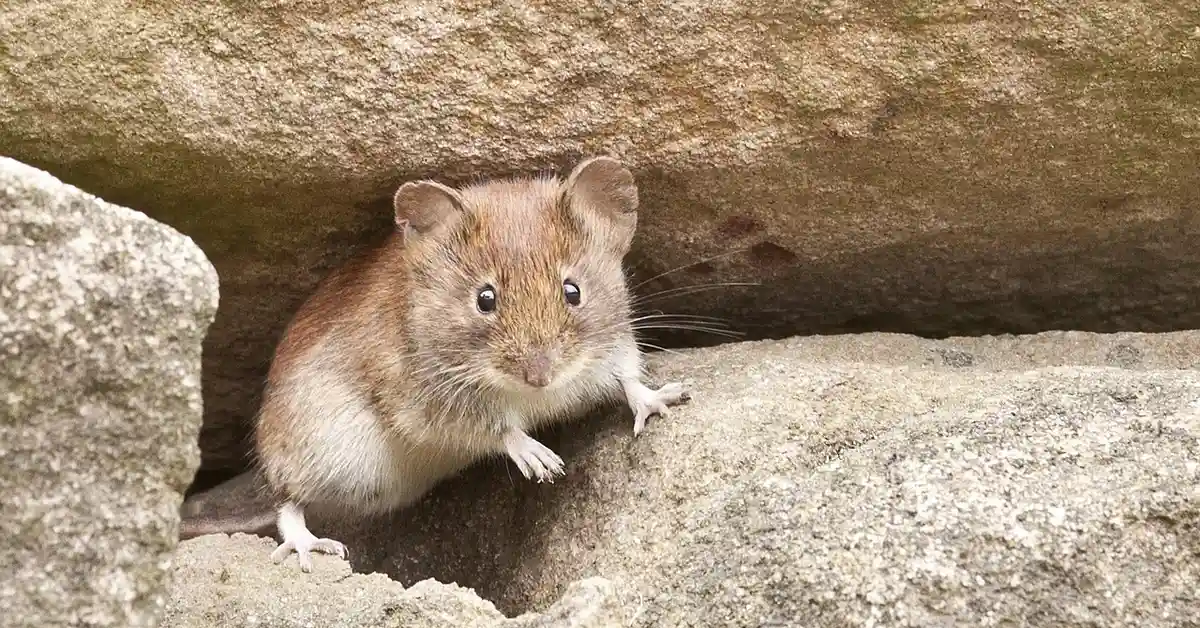
This is when your RV is most vulnerable. Sitting still, quiet, and often in a rural or storage lot setting, it becomes a prime target for mice seeking a winter home. A meticulous pre-storage routine is your absolute best weapon against an infestation. Especially when using a storage unit, take steps to keep mice out: seal gaps, remove food sources, use rodent-proof containers, and set traps or deterrents. Check the unit periodically so any signs of infestation are caught early.
The single most critical step is to make your trailer utterly uninteresting as a food source. I go through my RV with a fine-tooth comb, removing every single crumb, packet, and morsel. This includes:
- Emptying all cabinets and the pantry completely.
- Wiping down all surfaces to remove food residue and grease.
- Taking out all trash and recycling.
- Removing pet food, bird seed, or any other organic materials.
Next, you must block the front door. Seal every possible entry point, no matter how small. A mouse can squeeze through a hole the size of a dime. I use a combination of materials for this job:
- Steel Wool: Stuff this coarse material into any holes or gaps. Mice hate the texture and cannot chew through it. I pair it with a spray foam sealant for a permanent, durable plug.
- Metal Mesh or Hardware Cloth: Use this to cover larger openings like vents or the exhaust for your furnace and water heater. Secure it firmly with screws, not just glue.
- Weatherstripping: Replace old, brittle weatherstripping around doors and windows to ensure a tight seal.
Finally, I deploy my scent deterrents throughout the interior and place a few dryer sheets in exterior compartments. Leaving your RV clean, sealed, and smelling strongly of peppermint or spice makes it a fortress that most mice will simply bypass. It’s the kind of thorough preparation that lets my older, more cautious mouse Gregory rest easy—and lets me do the same. The same simple routine works for cars and boats too—clean, seal openings, and tuck peppermint or dryer sheets into compartments and engine bays. Do this before storage or long trips to help keep mice out of your car, RV, or boat.
Frequently Asked Questions
How can I prevent mice from entering my RV?
To stop mice from getting inside, focus on sealing all potential entry points with durable materials. Use coarse steel wool stuffed into small gaps and sealed with silicone caulk, as mice cannot chew through it. For larger openings like vents, secure 1/4-inch wire mesh with screws or adhesive, and install door sweeps and fresh weatherstripping to eliminate gaps around doors and windows.
What repellent can I use against mice in my RV?
Natural scent repellents like peppermint oil are effective and safe for use around pets. Soak cotton balls in pure peppermint oil and place them in cabinets and near entry points, refreshing every few weeks to maintain potency. You can also use whole cloves, cinnamon sticks, or unwrapped Irish Spring soap as alternative deterrents, as their strong odors are unappealing to wild mice without causing harm.
How can I prevent mice when storing my RV?
Before storage, thoroughly clean the interior to remove all food crumbs and residues, and store any remaining items in airtight containers. Seal every possible entry point with steel wool and caulk, and cover vents with wire mesh to block access. Additionally, deploy scent repellents like peppermint oil or dryer sheets inside to make the environment uninviting while the RV is unattended.
Your Path Forward
Keeping your travel trailer secure is a continuous act of care, both for your mobile sanctuary and for the wild mice you’re gently discouraging. A thorough inspection, strategic sealing of entry points, and natural deterrents form the foundation of a mouse-free adventure. This process protects your investment and ensures your home-on-wheels is always ready for a spontaneous trip.
Remember, these simple steps are about creating a peaceful boundary, not a conflict. By being proactive, you can focus on the joy of the journey and return to the happy squeaks of your own beloved pet mice waiting at home. Safe travels and happy trails from all of us, including Kenny, Gregory, and Jeffery.
Further Reading & Sources
- Best Way to Keep Mice and Rodents Out of RV | Mouse D-Fence | Storing RV for Winter
- r/RVLiving on Reddit: How do you keep mice out?
- How to Keep Mice Out of Your RV
Isabella is a passionate small pet enthusiast with over 8 years of experience in caring for mice. She loves sharing practical tips and heartfelt stories to help fellow mouse owners provide the best care for their tiny companions.
Mouse-Proofing & Prevention