
How to Tell if Your Mouse is Happy: A Behavioral Checklist
Have you ever watched your mouse and wondered if it feels as joyful and secure as you hope? I’ve been there, and I know that subtle signs can reveal a world of emotion in these small creatures. This guide provides a clear, step-by-step checklist to help you confidently interpret your mouse’s behavior and ensure its well-being.
We will cover the essential behaviors that indicate a happy mouse, including active exploration and playfulness, relaxed body language, and positive social interactions with cage mates. You’ll learn to recognize the small, everyday actions that show your mouse is thriving in your care.
What Does a Happy Mouse Actually Look Like?
A truly joyful mouse isn’t just one that isn’t sick; it’s a small creature radiating quiet confidence and engagement with its world. You’ll know your mouse is genuinely content when its daily life is a tapestry of relaxed routines, playful curiosity, and peaceful rest. It’s a subtle but beautiful shift from simply surviving to actively thriving.
Physical Signs Your Mouse is Content
Before a mouse makes a sound, its body tells you everything about its emotional state. Learning to read this silent language is the most direct way to understand your pet’s well-being. These physical cues are consistent and reliable indicators of a happy, stress-free life.
Tail Position and Movement
A mouse’s tail is a fantastic mood barometer, far more expressive than many owners realize.
- Relaxed and Dragging: A happy, exploring mouse will often let its tail trail loosely behind it, sometimes with a very slight, lazy curve. This shows it feels no need for heightened alertness.
- Gentle, Waving Motions: When sniffing something interesting or interacting gently with a cagemate, you might see the very tip of the tail make soft, wave-like movements. It’s a sign of focused curiosity.
- High and Quivering: Brief moments of high-held, quivering tail can signal intense excitement or anticipation, like when you’re about to offer a favorite treat. My mouse Kenny does this when he hears the sunflower seed bag.
Avoid interpreting a stiff, straight tail or one thumping rapidly against a surface as happiness; these are often signs of agitation or fear. The baseline for a content mouse is a tail that looks fluid and unstrained.
Grooming and Fur Condition
Self-grooming in mice is not just about hygiene; it’s a core self-comfort behavior.
- Frequent, Leisurely Grooming Sessions: A mouse that stops mid-exploration to casually wash its face or smooth its fur is a relaxed mouse. This is different from the frantic, stressed grooming you might see in a new environment.
- Soft, Sleek, and Full Coat: Consistent happiness supports physical health. A content mouse will have a coat that looks full, lies flat, and feels soft to the eye. There are no bare patches (unless it’s a specific hairless breed).
- Social Grooming: If you see your mice gently grooming each other, this is a powerful sign of a bonded, harmonious group. My older mouse, Gregory, will sometimes patiently groom a restless Jeffrey, which seems to calm them both.
A well-groomed mouse is a mouse that feels safe and secure enough to focus on its own comfort. Neglected, ruffled fur can be one of the first visible signs of stress or illness. Watch for grooming signs such as patchy or matted fur, bald spots, or excessive scratching. Noticing these changes early can help you identify health or social problems before they worsen.
Body Posture and Whisker Activity
The overall carriage of your mouse’s body and the dance of its whiskers provide a live feed of its inner world.
- Relaxed, Low-to-the-Ground Posture: When moving around, a happy mouse isn’t tense. Its body is close to the ground, moving with a smooth, fluid gait. There’s no hunching or freezing in place.
- Curious, Forward Whiskers: Whiskers that are fanned forward and actively twitching show a mouse engaged and interested in its surroundings. They are gathering information because they feel confident enough to do so.
- Sleeping in Exposed, Comfy Positions: The ultimate sign of trust and contentment is a mouse that sleeps out in the open, stretched out on its side or even its back, rather than always curled tightly in a hidden nest.
Watch for a soft, rounded body shape when your mouse is at rest; a hunched or flattened posture often indicates fear or pain. The happy mouse occupies its space with a gentle, unassuming presence.
Behavioral Signs of Mouse Happiness
Active Exploration and Curiosity
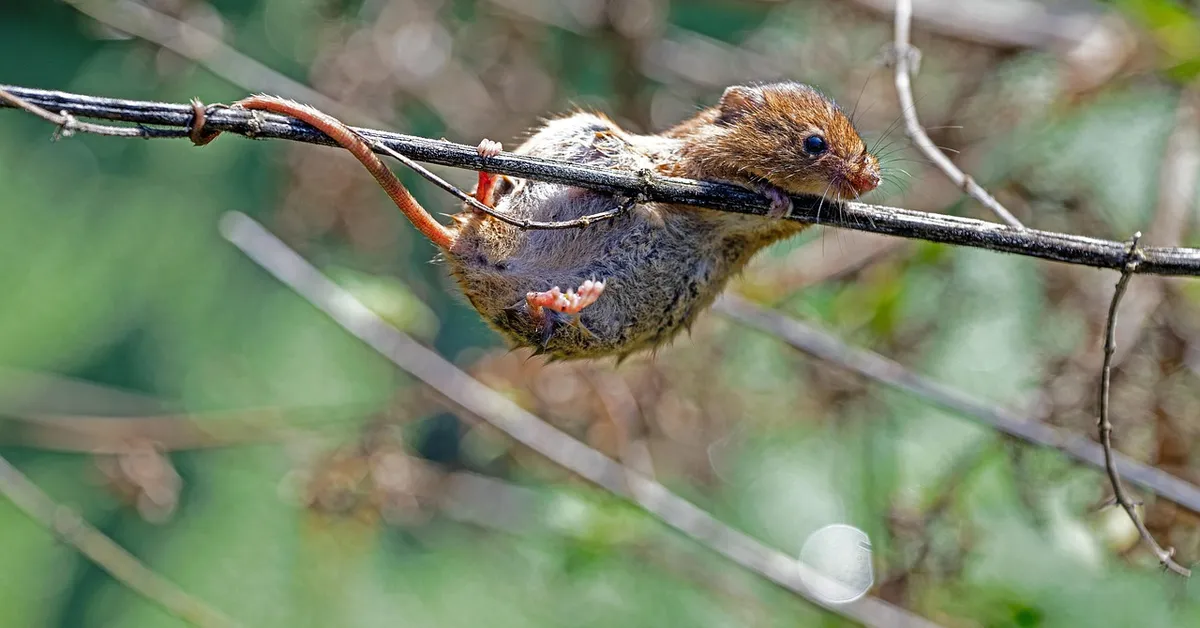
A happy mouse is an inquisitive mouse. You will notice them regularly patrolling their territory, sniffing new objects, and climbing on approved structures. This constant environmental investigation is a primary indicator of a content and stimulated mind. My mouse Kenny, for instance, will immediately investigate any new item placed in his home, his whiskers twitching with excitement. A lack of exploration can often signal boredom or low spirits.
- Consistent patrolling of their habitat, especially during their active hours at dawn and dusk.
- Climbing safely on ropes, branches, or ledges you provide.
- Sniffing and gently nibbling new enrichment items to gather information.
- Quick, darting movements that show energy and engagement with their surroundings.
Playful Behavior and Social Interaction
Mice are deeply social creatures, and their play is a window into their emotional state. Watch for gentle wrestling, chasing, and tumbling with their cage mates. Playful antics are a clear sign of social bonding and overall well-being within the group. I often see my older mouse, Gregory, tolerating the playful pounces of the younger Jeffery, which is his way of engaging in their social structure. This isn’t true fighting, which is rougher and often accompanied by loud squeaks. Individual mice vary—some prefer solitude, others need companions. A brief social behavior guide can help you tell which is which and decide between solitary or group housing.
- Gentle, reciprocal chasing that ends without any mouse hiding or squeaking in distress.
- Playful wrestling where they roll over each other without injury.
- Taking turns being the “chaser” and the “chased” during a game.
- Sleeping huddled together in a warm, fluffy pile, which signifies deep trust and comfort.
Nesting and Scent Marking
A mouse that feels secure will invest time and effort into building a comfortable, safe nest. They will meticulously gather bedding material, shred paper, and arrange everything to their liking. Observing your mouse construct a complex, cozy nest is like watching them build a home they feel completely safe in. This behavior, along with gentle scent marking by rubbing their flanks on objects, is how they personalize their space and claim it as their own. These nesting habits are the focus of Nest Building 101: Understanding Mouse Architecture. Learning how and why mice build this way helps caretakers provide the right materials and environment.
- Actively gathering and transporting nesting materials like paper strips or hay.
- Shredding materials with their teeth and paws to the perfect size.
- Creating a structured nest with distinct walls and an entrance.
- Rubbing their cheeks and flanks on cage furniture to deposit their familiar scent.
Healthy Eating and Sleeping Patterns
Content mice follow predictable, healthy routines. They will eat with enthusiasm, often holding food in their paws, and maintain a consistent sleep schedule. A stable routine of active periods and deep, relaxed sleep is a cornerstone of a mouse’s happiness. You should see them storing some food for later, which is a natural, reassuring behavior, and sleeping soundly in their nest without frequently startling awake. Understanding their natural sleep-wake cycle can help you provide the best environment.
- Eating regularly and with visible gusto, not just picking at food.
- Holding food in their forepaws while sitting up to eat.
- Storing small, safe food items in their nest or a favorite corner.
- Sleeping deeply and soundly during the day, often in a curled-up, relaxed position.
Vocal and Interactive Signs
Happy Mouse Sounds and Vocalizations
While much of mouse communication is ultrasonic, we can hear some of their happy sounds. Listen for soft, rapid chirping or bruxing—the gentle grinding of their teeth. This gentle tooth grinding is a primary sign of a relaxed and pleased mouse, similar to a cat’s purr. My little Jeffery often lets out a series of happy, squeaky chirps when he finds a special berry treat. They also express joy through playful behaviors like popcorning—quick hops and twists—and sudden bursts of running or “zoomies.” These energetic movements, often paired with chirps and bruxing, are clear signs a mouse is content. In contrast, loud, sharp squeaks usually indicate fear or pain.
- Soft, rhythmic tooth grinding (bruxing) when being gently petted or resting comfortably.
- Quick, high-pitched chirps during exploration or playful interaction.
- A general absence of prolonged, loud, or distressed squeaking.
- Subtle popping sounds, which can sometimes be heard during very content bruxing.
Trust and Interaction with You
The ultimate sign of a happy mouse is one that trusts you. This doesn’t mean every mouse will be a lap pet, but a comfortable mouse will acknowledge your presence without panic. A mouse that willingly approaches your hand, takes a treat, or simply doesn’t flee shows they feel safe with you. Gregory, for example, will amble over to my hand for a piece of aged cheese, showing a calm, trusting familiarity that has been built over time. Those relaxed behaviors mirror how bonded mice act with one another. Huddling, mutual grooming, and sharing food are telltale signs of a strong bond between mice.
- Approaching the front of the cage when you are near, often in anticipation of food or interaction.
- Voluntarily climbing onto your hand or arm, even if just for a moment.
- Grooming themselves in your open presence, which is a vulnerable act that signifies they are not on high alert.
- Taking a favorite treat directly from your fingers without snatching and running away.
Red Flags: When Your Mouse Isn’t Happy
Stress and Anxiety Indicators
Your mouse communicates discomfort through subtle shifts in behavior. Observing these changes early is your best tool for ensuring their long-term well-being. One of the most telling signs is over-grooming, which can progress to barbering—where they chew their own fur or a cage mate’s, leaving bald patches. Barbering can stem from stress, social dominance, boredom, or underlying medical issues like skin irritation or parasites. Identifying the cause lets you address the root problem through changes in environment, social grouping, or veterinary care.
Listen closely to their sounds. While quiet squeaks are normal, persistent, high-pitched vocalizations can signal distress. A stressed mouse may also freeze in place for long periods or, conversely, frantically try to escape the enclosure. I’ve noticed my own mouse, Jeffery, will sometimes startle at minor noises he usually ignores when he’s feeling on edge. Understanding what different mouse squeaks mean can help you better care for your pet.
- Repetitive barbering or fur loss
- Excessive hiding and refusal to engage
- Aggressive behavior like frequent fighting or biting
- Pacing the same path along the cage walls
Boredom and Health Concerns
Boredom can manifest in ways that look a lot like stress, but the root cause is different. A lethargic mouse that shows little interest in food, toys, or interaction is often an under-stimulated mouse. A sudden lack of curiosity is a major red flag that their environment needs enrichment.
Watch for changes in their daily rhythms. A happy mouse is active during its awake periods. If your pet is listless or sleeping much more than usual, it’s time to investigate whether it’s just tired or unwell. Any significant shift in appetite or water consumption warrants immediate attention, as it often bridges behavioral and physical health.
- Lethargy and unusual lack of movement
- Neglecting favorite foods or treats
- Chewing obsessively on cage bars instead of toys
- Weight loss or a hunched posture
Your Complete Mouse Happiness Checklist
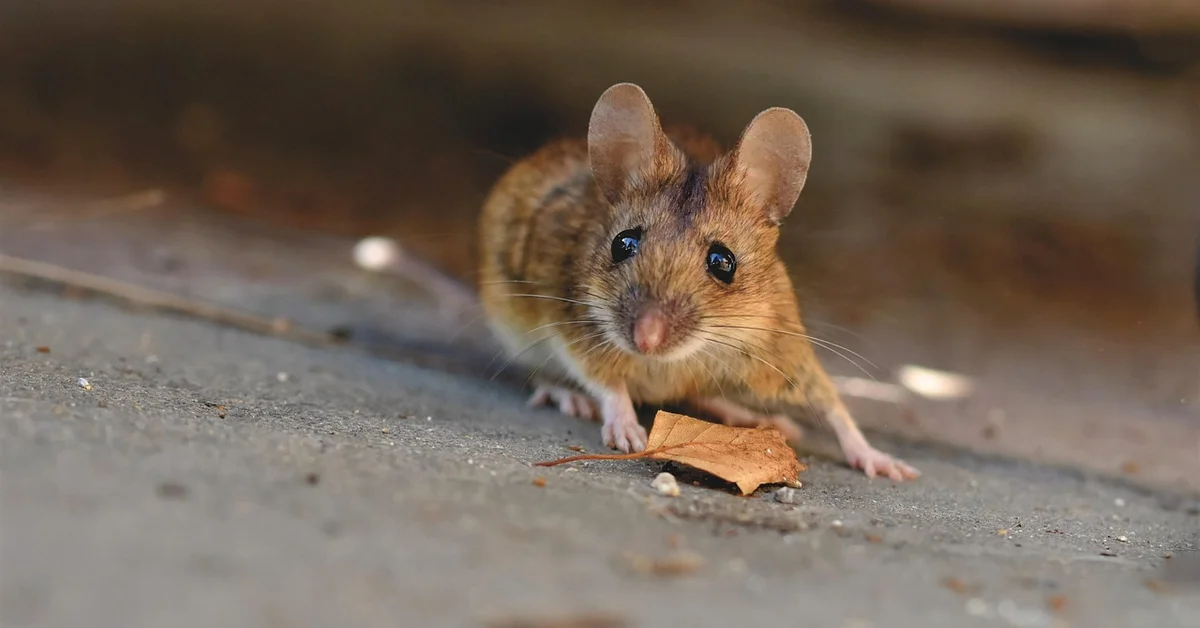
Use this simple guide to perform a quick well-being assessment. A content mouse will consistently display most of these positive traits.
Quick Daily Check
- Bright, clear eyes free of discharge
- Clean, smooth coat without missing patches
- Normal breathing with no wheezing sounds
- Eagerly accepts a favorite treat
- Engages in some exploration or play
Weekly Observations
- Nest building and rearranging bedding
- Curious sniffing and interaction when you approach
- Normal, formed droppings in the enclosure
- Social grooming and sleeping with cage mates (if housed together)
- Playing with toys, running on the wheel, and using tunnels
Remember that a happy mouse is an active participant in its own little life, showing interest in its surroundings and companions. My mouse Gregory, for instance, might give a gentle squeak when he sees me preparing their vegetable mix—a small but clear sign of anticipation and contentment. Small reactions like that suggest mice can recognize and respond to their owners. They often learn to associate voices, scents, and daily routines with a familiar person.
Frequently Asked Questions
What is a happy mouse meme?
Happy mouse memes are popular internet images or videos that humorously depict mice in joyful or content situations, often paired with captions that exaggerate their behavior. These memes can serve as a fun way for pet owners to share and relate to the positive emotions of their mice, but it’s important to remember that they are simplified for entertainment and may not always reflect accurate signs of well-being in real-life pet care.
Is there a happy mouse song?
While there isn’t a widely recognized “happy mouse song” specifically for pet mice, some owners create or use gentle, calming music to enrich their mouse’s environment, as it can reduce stress and promote relaxation. In popular culture, songs like “Three Blind Mice” or children’s tunes often feature mice in a lighthearted way, but these are not based on scientific behavior and should not replace observing actual signs of happiness in your pet.
Where can I find happy mouse images?
You can find images of happy mice on reputable pet care websites, social media groups dedicated to mouse enthusiasts, or stock photo sites that focus on animals; look for pictures showing relaxed postures, smooth fur, and active engagement. When viewing these images, use them as a reference to compare with your own mouse’s behavior, but always rely on the detailed checklist in the article for accurate assessment rather than visuals alone.
Final Thoughts
Recognizing your mouse’s happiness ultimately comes down to paying close, patient attention to their unique personality and daily habits. The checklist you now have is a fantastic tool, but your own growing knowledge of your pet’s normal behavior is the real key to spotting a content and thriving companion.
Every small effort you make to understand their squeaks, postures, and playful antics strengthens your bond and ensures their well-being. Trust your instincts-you know your mouse best, and your dedication is what makes you a wonderful pet owner.
Further Reading & Sources
- Make It Yours™ ‘Happiness Checklist’ Mouse Pad
- Happiness (*NEW*Animated Short Film by Steve Cutts) – YouTube
- Switching on happy memories ‘perks up’ stressed mice – BBC News
Isabella is a passionate small pet enthusiast with over 8 years of experience in caring for mice. She loves sharing practical tips and heartfelt stories to help fellow mouse owners provide the best care for their tiny companions.
Understanding Mice Behavior