
Iconic Mice in Children’s Literature
Have you ever noticed how the smallest characters in storybooks often leave the biggest impressions on young readers? As someone who shares my home with real mice like the adventurous Kenny and wise Gregory, I understand the unique charm these tiny creatures bring to life and literature. This guide will introduce you to the most memorable mouse characters and explain why they resonate so deeply with children and adults alike.
In the sections ahead, we will journey through tales where mice take center stage, celebrating their courage, kindness, and the timeless lessons they impart through beloved stories.
Why Literary Mice Matter to Modern Mouse Owners
As someone who shares my home with small, whiskered companions, I find that stories from children’s books offer a surprisingly deep well of insight. These fictional portrayals shape our expectations and help us appreciate the complex personalities of our real-life pets. When you read about a brave mouse adventurer, you start to notice the same spark of courage in your own mouse’s curious explorations.
My mouse Kenny, for instance, embodies that classic literary trope of the bold explorer, always the first to investigate a new cardboard castle. Seeing his behavior through this lens makes his antics more understandable and endearing. Recognizing these archetypes transforms simple pet ownership into a richer, more empathetic relationship. You begin to see their actions not as random, but as expressions of a distinct mouse-y character, which also deepens your understanding of how mice interact with their owners.
Literature provides a shared language for the subtle behaviors we observe every day. The cautious mentor, the anxious sidekick, the impulsive leader-these aren’t just storybook inventions. Understanding these roles helps us create environments where each individual mouse can truly thrive. It guides us in providing multiple hiding spots for the shy ones and complex climbing structures for the bold.
What Makes a Mouse Character Iconic in Children’s Literature?
Truly memorable mouse characters possess a magical combination of traits that resonate across generations. An iconic mouse character is both profoundly relatable and wonderfully aspirational. They face human-sized problems with mouse-sized resources, teaching us about resilience and cleverness.
- Relatable Flaws: Perfect characters are forgettable. The most beloved mice have clear weaknesses-perhaps they are too timid, too boastful, or too quick to judge. My Jeffrey, with his nervous jumps at sudden sounds, reminds me so much of these beautifully flawed characters.
- Unexpected Courage: Their small stature makes their bravery all the more powerful. They demonstrate that true courage isn’t the absence of fear, but action in spite of it.
- Distinctive Personality: From the gruff wisdom of Gregory in my own mischief to the cheerful optimism of literary counterparts, a strong, consistent personality makes a character stick in our hearts and minds.
- Resourceful Problem-Solving: Iconic mice don’t rely on brute strength. They use wit, creativity, and cooperation to overcome obstacles, mirroring the ingenious ways our pet mice navigate their enclosures.
The most enduring mouse characters serve as bridges, connecting our human world to the secret lives of these small creatures. They don’t just wear little clothes and live in miniature houses; they embody the genuine spirit of mouse-hood-the curiosity, the community, the relentless pursuit of snacks and safety. But none can capture the real essence quite like fancy mice themselves.
When you watch your own mice, you’ll start to see these iconic traits come to life. The way they carefully stash their favorite treats, their intricate social dynamics, their sudden bursts of playful energy. Great mouse literature doesn’t invent these qualities—it simply holds up a magnifying glass to the wonderful reality of mice themselves. Pay attention to how they engage with toys; those interactions reveal the psychology of play—how mice explore, learn, and communicate. Toys often bring out curiosity, cooperation, or competition, making their social and cognitive lives easier to read.
Adventurous Mice Who Embody Natural Mouse Curiosity
Stuart Little’s Independence and Real Mouse Confidence
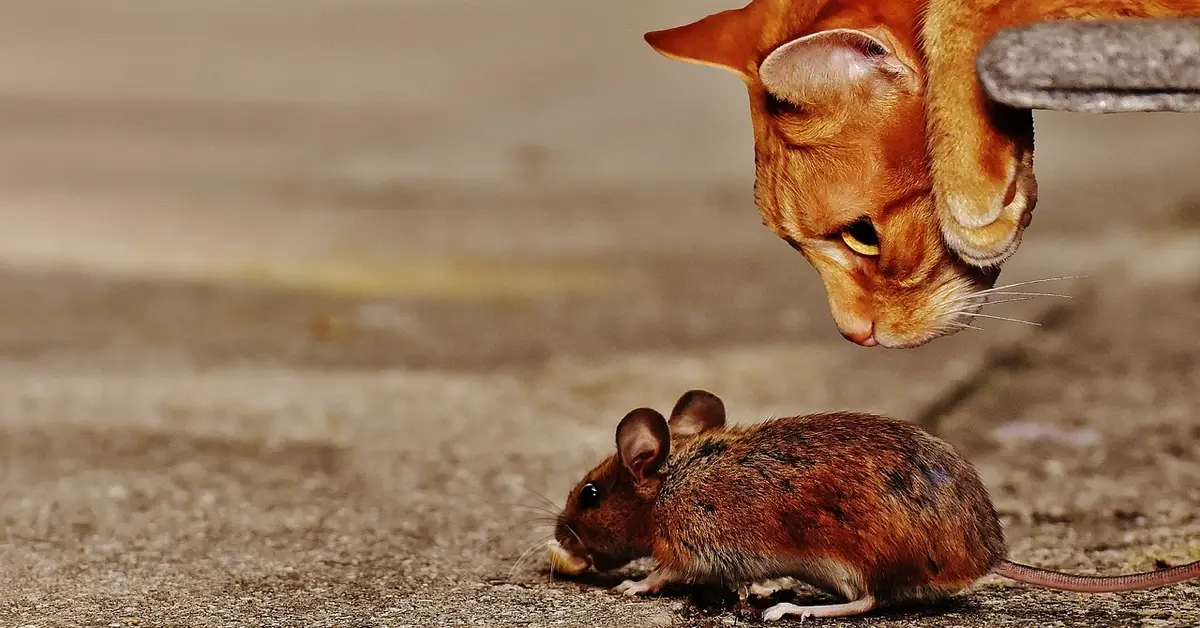
Stuart Little’s bold journey into the big world mirrors how pet mice naturally exhibit curiosity and self-reliance in their daily lives. Providing a secure habitat with tunnels and climbing structures allows your mouse to channel that innate bravery safely, just like they do when they dig in the wild. I’ve seen my own mouse, Kenny, display similar pluck when investigating new toys-his light-gray fur blending into shadows as he fearlessly scouts his territory. Mice thrive when given opportunities to make choices, like selecting hiding spots or navigating obstacle courses, which builds their confidence over time.
- Offer multi-level cages with ladders and ropes to encourage climbing and exploration.
- Rotate toys weekly to prevent boredom and stimulate natural inquisitiveness.
- Use positive reinforcement, like sunflower seeds, to reward independent behavior without forcing interaction.
Ralph S. Mouse and the Joy of Exploration
Ralph’s zest for zipping around on his motorcycle captures the exhilaration mice feel when discovering new spaces. Creating a dynamic environment with changing layouts satisfies their need for mental and physical stimulation. In my experience, mice like Gregory enjoy slow, deliberate investigations, while younger ones dart about-so tailor activities to their pace. Exploration isn’t just fun; it’s essential for their well-being, reducing stress and promoting healthy activity levels.
- Set up a play area with cardboard tubes, paper bags, and safe chew items for supervised adventures.
- Introduce scent trails using herbs like basil or mint to engage their powerful sense of smell.
- Monitor energy levels to avoid exhaustion, especially in older mice who may prefer shorter outings.
Fievel Mousekewitz’s Courage Through Change
Fievel’s resilience in facing unknown lands reflects how pet mice adapt to new environments with time and patience. Gradual introductions to changes-like a new cage or companion-help mice feel secure and less anxious. Jeffery, my white mouse, often shows initial jumpiness but warms up with gentle reassurance. Supporting them through transitions involves maintaining familiar scents and routines, which eases their natural wariness and fosters trust.
- Keep some used bedding when cleaning cages to preserve comforting smells.
- Offer hiding spots like small boxes or igloos where they can retreat if overwhelmed.
- Speak in soft, steady tones during handling to build confidence over days or weeks.
Basil of Baker Street’s Problem-Solving Skills
Basil’s sharp wit in solving mysteries highlights the intelligence mice possess, often surprising owners with their cleverness. Engaging their minds with puzzle feeders or maze toys taps into this natural aptitude and prevents lethargy. I’ve watched my mice figure out how to unlock simple latches or retrieve hidden treats, much like Basil piecing together clues. Mental challenges are as vital as physical exercise for a happy, stimulated mouse.
- Hide treats inside crumpled paper or puzzle balls to encourage foraging behavior.
- Teach basic tricks, like coming when called, using consistent cues and rewards.
- Observe their problem-solving style-some mice, like Kenny, charge in boldly, while others, like Jeffery, approach with caution.
Gentle and Thoughtful Mice Characters Who Reflect Mouse Sensitivity
Despereaux’s Bravery Despite His Size
Despereaux’s courage in the face of giants reminds us that even the smallest mice have immense heart and sensitivity. Handling your pet with gentle, cupped hands and slow movements respects their fragility and builds a bond of trust. Mice can startle easily due to their size, so creating a calm atmosphere-free from loud noises-helps them feel safe enough to show their brave side, just like Despereaux did.
- Approach from the side rather than above to avoid triggering their prey instincts.
- Offer quiet time each day for bonding without distractions, using soft spoken words.
- Watch for subtle signs of comfort, like relaxed ears or gentle nibbling, as indicators of growing confidence.
Mrs. Frisby’s Protective Maternal Instincts
Mrs. Frisby’s unwavering dedication to her family echoes the nurturing nature many mice display, especially mothers with young. Providing a secluded, cozy nesting area allows female mice to express their caregiving instincts without stress. If you have a pregnant or nursing mouse, ensure she has extra bedding and high-protein foods to support her health. For those managing all-female doe colonies, these same care practices form the basis of a practical guide to keeping groups healthy and harmonious. Consistent nesting, nutrition, and monitoring help maintain stable social bonds. This protective behavior is a beautiful part of their social structure, emphasizing their deep emotional connections.
- Use shredded paper or hay for nest-building materials that are safe and absorbent.
- Minimize disturbances around the nest to reduce anxiety during weaning periods.
- Monitor for signs of distress, such as excessive grooming or aggression, and adjust the environment accordingly.
Frederick the Poet Mouse and Unique Contributions
Frederick’s role in storing poetry and warmth for his community shows how every mouse brings something special to the group. Recognizing and celebrating your mouse’s individual personality-whether they’re a quiet observer or a social butterfly-enriches their life and yours. My mouse Gregory, with his steady demeanor, often acts as a calm anchor for the others, much like Frederick’s thoughtful presence. Each mouse has unique traits that make them wonderful companions.
- Note preferences in toys, foods, or interactions to tailor care to their specific likes.
- Encourage natural behaviors, like hoarding or grooming, by providing appropriate outlets.
- Spend one-on-one time to learn their quirks, such as Jeffery’s love for berry crumbs or Kenny’s energetic antics.
Tucker from The Cricket in Times Square
Tucker’s friendly, resourceful nature in helping his friends illustrates the social bonds mice can form with other pets or humans. Introducing mice to compatible cage mates or familiar humans slowly fosters lifelong friendships and reduces loneliness. Mice are inherently social creatures, and observing their interactions-like sharing food or sleeping together-reveals their capacity for empathy and joy. Tucker’s loyalty is a reminder that these small animals have big hearts.
- Pair mice of similar ages and temperaments to minimize conflicts, monitoring for signs of bullying.
- Use neutral territory for initial introductions to prevent territorial disputes.
- Offer multiple food and water stations to ensure all mice feel included and secure.
Playful Mice Who Capture Mouse Mischief and Energy
The Cookie-Loving Mouse and Food Motivation
The mouse from “If You Give a Mouse a Cookie” demonstrates how food can drive playful, sometimes mischievous, behavior in these clever animals. Using healthy treats as training tools not only motivates your mouse but also strengthens your bond through positive interactions. I’ve found that offering small bits of fruits or vegetables during play sessions keeps mice engaged and eager to learn. Just like the cookie-loving character, they’ll often come back for more, turning mealtime into a fun game. You can easily make DIY mouse treats at home with simple, healthy recipes. This lets you control ingredients and portions to keep snacks safe and nutritious.
- Choose mouse-safe treats like apple slices or broccoli florets in moderation to avoid obesity.
- Incorporate treat-dispensing toys to combine nutrition with mental stimulation.
- Limit sugary foods to prevent health issues, focusing on balanced diets that support energy levels.
Hunca Munca and The Two Bad Mice
Hunca Munca’s playful destruction in the dollhouse reflects the natural chewing and nesting instincts that can lead to mischief in pet mice. Redirecting this energy toward appropriate chew toys and digging boxes saves your belongings and keeps your mouse happily occupied. My mice, especially the impulsive Kenny, love shredding paper and gnawing on wood blocks-it’s their way of exploring and playing. Embracing this behavior with safe outlets prevents boredom and promotes dental health.
- Provide untreated wood, cardboard, or commercial chew sticks to satisfy gnawing needs.
- Create a digging box filled with clean soil or shredded paper for burrowing fun.
- Supervise playtime to ensure they don’t ingest harmful materials, replacing items regularly.
The Gruffalo Mouse’s Clever Survival Tactics
The clever mouse from “The Gruffalo” uses wit to navigate dangers, much like how pet mice rely on instinct and intelligence in their daily lives. Enriching their habitat with hiding spots and challenges mimics natural survival behaviors, keeping them alert and content. Observing your mouse’s tactics-whether it’s avoiding perceived threats or outsmarting a puzzle-shows their adaptability. This playful cunning is a sign of a healthy, engaged mind.
- Set up obstacle courses with tunnels and platforms to encourage strategic thinking.
- Use varying textures and heights in the cage to simulate a diverse environment.
- Rotate toys and layouts frequently to keep their problem-solving skills sharp and prevent habituation.
Sophisticated and Graceful Female Mouse Characters
Beyond the boisterous adventurers, children’s literature offers a wonderful collection of poised and sophisticated female mice. These characters often display a level of dedication and emotional intelligence that I find mirrored in the quiet, observant nature of my own mice, like the thoughtful Jeffery. Their stories provide a beautiful counterpoint to the more chaotic tales, showing the strength in grace.
Angelina Ballerina’s Dedication and Grace
Angelina Mouseling is a character defined by her passion. Her entire world revolves around ballet, and she works tirelessly to achieve her dreams. What I admire most about Angelina is her unwavering commitment, a focus I sometimes see when my mice are meticulously arranging their bedding or working on a new puzzle toy. Her story isn’t about natural, effortless talent; it’s about the power of practice and perseverance.
- She demonstrates that grace is a skill built through repetition and patience.
- Her emotional journey shows sensitivity and a deep care for her friends and family.
- Angelina teaches young readers about the rewards of dedicating yourself to something you love.
Miss Bianca and Bernard from The Rescuers
The dynamic between Miss Bianca and Bernard from Margery Sharp’s series is a masterclass in partnership. Miss Bianca is the epitome of sophistication-a beautiful, brave, and cultured white mouse who serves as a member of the Prisoners’ Aid Society. Her elegance, however, is never cold; it’s paired with immense courage and a compassionate heart, reminding me of the gentle but resolute nature a calm mouse can possess.
Bernard, her more cautious and humble companion, provides the perfect balance. Their partnership proves that true strength often comes from combining different personalities, much like the harmonious, though sometimes grumpy, coexistence of my own trio of mice. Together, they show that you don’t need to be the biggest or loudest to be a hero; intelligence, loyalty, and a well-made plan are far more powerful.
Entertaining Mice from Visual Media Worth Knowing
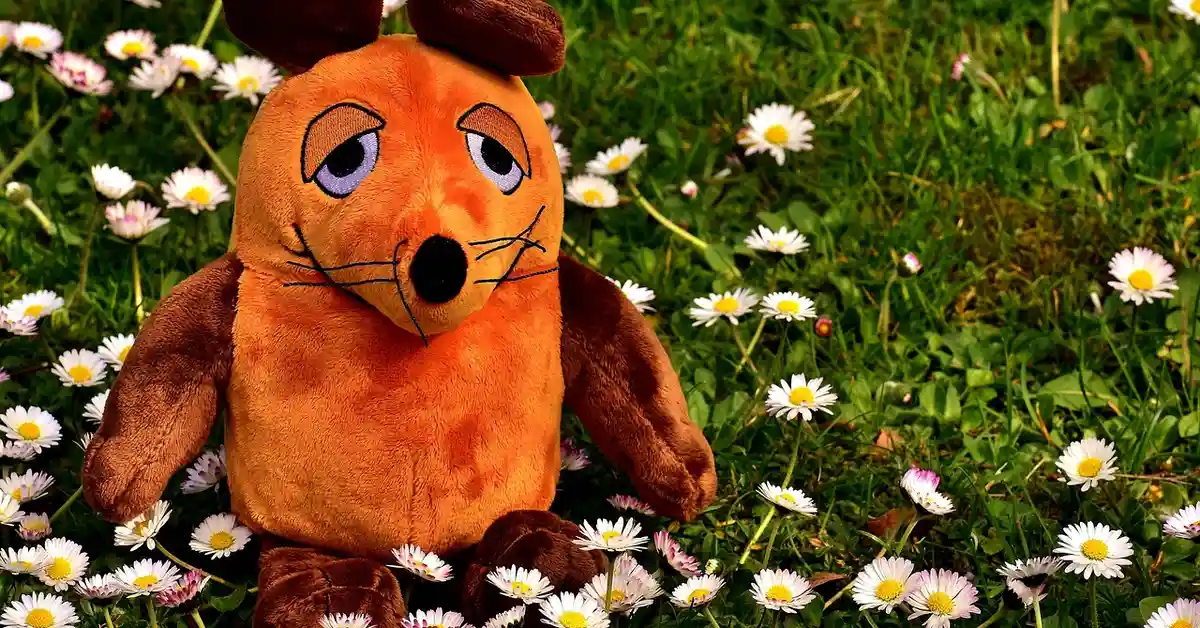
Some of the most memorable mice have leaped from the pages of books directly onto our television and movie screens. These animated characters often capture the pure, unfiltered energy and cleverness that makes living with real mice such a delightful, and occasionally surprising, experience. They bring mouse-like antics to life in a way that is both exaggerated and strangely authentic. Think of Fievel from An American Tail and Remy from Ratatouille. Though Remy is technically a rat, he shares that same resourcefulness and charm that makes these films so memorable.
Jerry from Tom and Jerry
Jerry Mouse is the quintessential small hero using his wits to outsmart a larger, relentless foe. His cleverness is a fantastic, if dramatized, reflection of the problem-solving skills I witness daily with my curious mouse, Kenny, who is always figuring out new ways to explore his habitat. Jerry’s character is built on quick thinking, resourcefulness, and a never-give-up attitude.
- He turns everyday objects into tools for his clever escapes.
- His silent, expressive communication highlights how much can be said without words.
- Jerry embodies the idea that size does not determine your ability to succeed.
Itchy from The Simpsons
Itchy, from the “Itchy & Scratchy Show,” offers a much more chaotic and satirical take on the mouse character. While his actions are purely for cartoonish comedy, the underlying theme of a small creature relentlessly defending his space resonates with the territorial instincts all mouse owners should understand and respect. He represents a raw, unfiltered id.
Watching Itchy can be a humorous reminder of the importance of providing plenty of enrichment and space for our pet mice. A bored or stressed mouse may not build elaborate rocket launchers, but they can certainly find creative and destructive ways to express their frustration, much like my impulsive Kenny when his environment lacks stimulation. Itchy is a hyperbolic lesson in meeting your mouse’s needs for a peaceful, happy home.
What These Characters Teach About Real Mouse Personalities
Matching Literary Traits to Your Pet Mouse
You might notice your own mouse exhibits behaviors straight from a storybook. Observing your pet’s daily habits is the key to connecting their real-life personality to these famous archetypes. Do mice have individual personalities? Yes — many owners and studies report consistent differences in temperament, activity, and sociability. Let’s explore some common matches.
- The Adventurous Explorer: Think of Stuart Little, always off on a new quest. My mouse Kenny embodies this, constantly surveying his territory and bravely investigating new toys. These mice need complex habitats with tunnels, ropes, and climbing frames to satisfy their curiosity.
- The Wise Mentor: Like the wise old mouse in “The Tale of Despereaux,” my Gregory is calm and observant. He’s not the first to try a new snack but watches carefully before partaking. These mice often appreciate stability and a quiet corner for nesting.
- The Anxious Observer: This personality, seen in characters like Timmy Willie from Beatrix Potter, is cautious and gentle. My Jeffery is a perfect example, often pausing to listen before moving. They thrive with plenty of hiding spots and a predictable routine to feel secure.
- The Social Butterfly: Many literary mice, like those in “Redwall,” live in bustling communities. This reflects the deeply social nature of real mice. They form intricate bonds, groom each other, and even seem to “talk” with a series of squeaks and chatters.
Understanding That Fiction Exaggerates but Captures Truth
Stories give mice human clothes and complex dialogues, but the core instincts they portray are remarkably accurate. Fiction amplifies their natural behaviors into narratives we can easily understand and love.
An author might show a mouse’s wariness as a full-blown comical panic, which isn’t far from the quick, darting movements a startled pet mouse makes. Their legendary curiosity becomes a grand adventure, mirroring the intense focus a real mouse shows when presented with a new cardboard tube. While your mouse won’t pilot a tiny car, their drive to explore every inch of their environment is a very real, powerful instinct. I see this every day when Kenny meticulously checks the same corner of his cage as if expecting a new discovery. If your mouse is skittish, that same curiosity can be coaxed out gently with patience and consistent handling. This complete guide to taming a scared, skittish mouse will walk you through step-by-step techniques to build trust and confidence.
The biggest truth these stories capture is their emotional capacity. Mice are far more than simple creatures; they experience clear states of curiosity, contentment, fear, and companionship. Watching my three interact is like seeing a small, silent drama unfold, full of alliances, gentle disagreements, and clear affections.
Using Beloved Characters to Teach Children About Mouse Care
Beloved storybook mice provide a wonderful bridge for helping children understand and respect their real-life pets. You can use these familiar characters to frame important pet care lessons in a fun, relatable way.
- Gentle Hands Lesson: Explain that we must handle our mice gently, just like the characters in stories are treated with care. “We have to be as gentle with Jeffery as the little girl is with her mouse in the storybook.”
- Quiet Environment: Mice in stories often live in quiet, hidden places. Use this to teach why we need to speak softly and avoid loud noises near their cage, creating a safe “storybook cottage” atmosphere for them.
- Responsibility Through Routine: Assign a “Feeding Time Quest,” where the child is responsible for ensuring the “characters” have their food and fresh water, just like in the tales where mice are always gathering provisions.
- Respecting Hiding Spots: When a mouse retreats to its hide, compare it to a character going into its little house. Teach children that this is private time and we should not disturb them, fostering respect for the mouse’s need for security.
I’ve found that framing care this way helps children see the mouse not just as a pet, but as a small individual with its own needs and a life as rich as any storybook hero. This perspective builds a foundation of empathy that goes far beyond simple pet ownership.
Frequently Asked Questions
Who are some iconic Mickey Mouse characters?
Mickey Mouse, created by Walt Disney, is arguably the most famous mouse character in visual media, known for his optimistic and adventurous spirit. In pet care, Mickey’s leadership and curiosity can inspire owners to create engaging habitats that encourage exploration and social bonding, much like how real mice thrive in environments with interactive toys and opportunities for safe, supervised play. His friends, like Minnie Mouse, also showcase traits like loyalty and creativity, reminding us to appreciate the unique personalities and social needs of our pet mice through positive reinforcement and varied activities.
What are some other famous mice character names from literature?
Beyond the well-covered characters, Reepicheep from C.S. Lewis’s Chronicles of Narnia stands out as a brave, sword-wielding mouse with a noble heart, while characters like Matilda Mouse from Beatrix Potter’s tales emphasize gentleness and resilience. For mouse owners, recognizing these names highlights the spectrum of personalities-from bold adventurers to cautious observers-that can inform how we cater to individual pets, such as providing climbing structures for energetic mice or quiet hideaways for more timid ones to feel secure.
Are there any iconic rat characters in children’s stories?
Yes, iconic rat characters include Templeton from E.B. White’s Charlotte’s Web, a clever and self-serving rat who highlights the intelligence and resourcefulness often seen in rodents. In pet care, it’s essential to distinguish rats from mice, as rats are typically larger, more social, and require spacious enclosures with ample enrichment, but both share a curiosity that benefits from puzzle toys and positive interactions. Understanding these characters can help owners appreciate the distinct care needs and personalities of rats versus mice, fostering better empathy and tailored environments for either pet.
From Page to Pet
These beloved storybook mice offer more than just charming tales; they provide a wonderful glimpse into the spirited and complex personalities our own pet mice possess. Seeing your own mouse’s adventures through this literary lens can deepen your appreciation for their every twitch, sniff, and playful dash.
Let the curiosity of a Stuart Little or the bravery of Despereaux inspire you to observe your own tiny companions with fresh eyes. The greatest stories are the ones you get to witness every day, right in your own habitat.
Further Reading & Sources
- The Great Mice of Literature | The New York Society Library
- The 100 Best Mice Kids Books
- Mice Were Wildly Popular In Children’s Books In The ’90s – But Why?
Isabella is a passionate small pet enthusiast with over 8 years of experience in caring for mice. She loves sharing practical tips and heartfelt stories to help fellow mouse owners provide the best care for their tiny companions.
Mice in Culture & Media