
Inheritance Patterns: How Traits Are Passed Down
Have you ever gazed at a family photo and noticed the same smile or hair texture echoing through generations, leaving you curious about the invisible threads connecting you to your relatives? This article will gently unravel the science of genetic inheritance, transforming abstract concepts into relatable stories that illuminate your own unique blueprint.
We will journey through the roles of dominant and recessive genes, examine classic Mendelian patterns, and see how traits like eye color and blood type follow predictable pathways from parents to children.
What Are Inheritance Patterns in Mice?
Inheritance patterns are the predictable ways that physical and behavioral characteristics are handed down from parent mice to their offspring. Think of it as a biological recipe book where each parent contributes half the instructions for building a new mouse. By observing these patterns, you can better appreciate why your pet mouse looks and acts the way it does, even if you don’t know its full family history.
The Basics of Mendelian Inheritance
The core principles of inheritance were discovered by Gregor Mendel with pea plants, and they apply beautifully to mice. Every mouse carries two versions of every gene, one from each parent. These gene versions, called alleles, determine which traits appear. Studying mice shows how different allele combinations produce specific traits like coat color. This helps scientists understand how genes and alleles interact to shape inheritance.
- Homozygous: A mouse has two identical alleles for a specific gene (e.g., both alleles code for black fur).
- Heterozygous: A mouse has two different alleles for a gene (e.g., one allele for black fur and one for white fur).
- Genotype: The actual pair of alleles a mouse carries internally.
- Phenotype: The visible or observable trait that results from the genotype, like fur color or ear shape.
These simple pairings are the foundation for the incredible variety you see in a litter of baby mice called pups or pinkies. It’s a genetic lottery where every pup gets a unique combination of its parents’ instructions.
Dominant vs Recessive Traits You’ll See
Some traits are stronger and will show up even if only one parent passes on the gene. Others are weaker and need to be inherited from both parents to become visible.
- Common Dominant Traits: Agouti (the standard wild-type brown/gray fur), dark eyes, and normal coat texture. A single copy of a dominant gene is enough to express its trait.
- Common Recessive Traits: Pink or red eyes, albinism (all-white with red eyes), and specific coat colors like black or chocolate. Recessive traits remain hidden unless a mouse inherits two copies of the same recessive allele.
For example, my mouse Jeffery is all white with pink eyes, a classic sign he inherited the recessive albino gene from both of his parents. Spotting a recessive trait like this gives you a clear clue about the genetic makeup of the unseen parents.
How to Read What Your Mouse Inherited
You don’t need a lab coat to start understanding your mouse’s genetics. With a little observation and some simple tools, you can become a savvy genetic detective right at home.
Using a Punnett Square to Understand Possibilities
A Punnett square is a simple grid that helps you visualize the potential genetic outcomes for offspring. Let’s say you know the genetic codes, or genotypes, of the parent mice for a specific trait.
- Assign letters to represent the alleles. A capital letter (B) often represents a dominant allele, and a lowercase letter (b) represents a recessive one.
- Place one parent’s possible alleles across the top of the grid.
- Place the other parent’s possible alleles down the left side.
- Fill in the boxes by combining the letters from the top and side.
This simple exercise shows you the statistical chance of each genotype and phenotype appearing in a litter. If both parents carry a hidden recessive gene (Bb), the Punnett square reveals there’s a 25% chance any given pup will show the recessive trait (bb).
Spotting Patterns Through Pedigree Analysis
Pedigree analysis involves tracking a specific trait through multiple generations of a mouse family. You look for patterns in how the trait appears and disappears, using genetic terminology to describe what you observe.
- Recessive Trait Pattern: The trait may skip a generation, appearing in the grandchildren but not the children of a carrier. Two parents who do not show the trait can produce offspring that do.
- Dominant Trait Pattern: The trait appears in every generation. An affected mouse will always have at least one affected parent.
I noticed this with Gregory’s calm demeanor, which also appeared in one of his sisters but not his brothers. By carefully noting which traits pop up in which litters, you can build a family tree that reveals the hidden genetic story. It turns a simple observation into a meaningful discovery about your pet’s heritage.
Common Inheritance Patterns You’ll Notice in Pet Mice
Coat Color Inheritance Patterns
Watching coat colors appear in a litter is like opening a genetic surprise package. The classic patterns follow simple dominant and recessive rules, where one gene version overpowers another. A solid black parent paired with a white parent will not produce spotted babies if the black gene is dominant; they will all be black, but carry the hidden white gene. You might see a mix of colors in the next generation if those babies are bred, a clear demonstration of how traits can hide and reappear. Agouti, the wild-type brownish-gray, is dominant over many solid colors, which explains why it’s so common.
Beyond single genes, some colors result from gene interactions. The lovely dove-gray of my mouse Kenny comes from a dilution gene acting on a black base coat. Dilution genes are fascinating modifiers that lighten whatever base color a mouse inherits, creating a softer, paler version. On a black base coat the same dilution produces the slate “blue” color, and when it lightens a chocolate base it yields the softer, pinkish “lilac” shade. Piebald spotting, those adorable white patches, follows its own inheritance path, often needing just one copy of the gene from a parent to show up in the offspring. Observing these patterns helps you predict what future litters might look like.
How Coat Type and Texture Pass Down
Coat texture is governed by its own set of genetic instructions, separate from color. A satin coat, with its beautiful sheen, is a dominant trait. If one parent has the distinctive satin coat, you have a strong chance of seeing that glossy fur in some of the babies. This gene affects the hair shaft structure, making it reflect light differently for that signature shimmer. It’s a stunning feature that passes down quite reliably.
Rex or wavy coats, where the fur forms gentle curls, also follow a dominant inheritance pattern. My Jeffrey has a slightly wavier coat than his brothers, a trait he clearly inherited. Rex coats require just one copy of the gene to express those lovely waves, making it a trait that rarely skips a generation. Other coat-type genes, like satin, influence texture and sheen and can combine with rex to produce shiny, curly fur. Hairless mice, while less common in the pet world, result from a recessive gene, meaning both parents must carry the gene for a hairless baby to be born. Understanding these patterns helps you appreciate the beautiful diversity in mouse coats.
Body Size and Build Inheritance
Body size isn’t controlled by a single gene but by many working together, a concept called polygenic inheritance. You will generally see babies grow to a size somewhere between their parents, as they inherit a mix of size-influencing genes from each. This is why pairing a very large mouse with a very small one often results in medium-sized offspring. Their frame, bone structure, and overall proportions blend the genetic contributions from both lineages.
Specific features like ear size, tail length, and head shape also have genetic components. Long tails and large ears tend to run in family lines, passed down through generations like a physical signature. My Gregory has a notably stocky build and shorter tail, a build he has passed to some of his previous offspring. This blending of multiple physical traits creates the unique individual you come to know and love.
Sex-Linked and X-Linked Traits in Mice
Some traits are linked to the sex chromosomes, particularly the X chromosome. Since females have two X chromosomes and males have one X and one Y, inheritance works differently for these genes. A male mouse only needs one copy of a recessive X-linked gene to show the trait, while a female would need two copies. This is why certain color patterns, like some forms of tortoiseshell, appear more frequently in one sex over the other.
These traits often show a crisscross inheritance pattern, where a male passes his X-linked genes to all his daughters but none of his sons. If you notice a trait skipping generations or appearing predominantly in one sex, you are likely observing the unique pattern of sex-linked inheritance. Tracking these patterns requires careful observation across multiple litters, but it reveals the intricate dance of genetics happening within your mouse family.
Behavioral and Temperament Inheritance
Just like physical traits, personality has a strong genetic component. You’ll notice certain behavioral tendencies running in family lines. Bold, exploratory behavior is often a heritable trait, something I see clearly in Kenny, who investigates everything with fearless curiosity. His father displayed the same adventurous spirit. Mice from nervous, skittish parents often produce offspring that startle easily, showing how deeply temperament is woven into their DNA.
Social behaviors, like grooming habits and nesting styles, are also passed down. Gregory’s methodical, deliberate way of building nests is a behavior I’ve seen in his descendants, a calm patience that seems genetically encoded. Even the tendency to be a follower or a leader in a group has genetic roots. While environment and handling shape these behaviors, the foundational blueprint is inherited, creating the wonderful spectrum of personalities in your mischief.
Understanding Genetic Health Traits
Recognizing Inherited Health Patterns
Some health conditions follow clear Mendelian inheritance, appearing predictably in litters. Recessive disorders require two copies of the faulty gene. If two healthy-looking carrier mice are paired, statistically one quarter of their offspring will show the condition. This is why seemingly healthy parents can unexpectedly produce babies with genetic issues. Early-onset conditions, like certain neurological disorders, often reveal themselves within the first few weeks of life.
Dominant disorders are more straightforward; a mouse with the condition has a 50% chance of passing it to each offspring. Any mouse displaying a dominant genetic condition carries the gene responsible, making the inheritance pattern easy to track through generations. Being aware of these patterns allows you to make informed decisions for the long-term health of your mouse family and avoid pairing mice that might produce affected young.
When Multiple Genes Affect Health
Many health issues are polygenic, influenced by the combined effect of multiple genes. Conditions like a predisposition to obesity or certain tumors don’t follow a simple inheritance pattern but result from a cumulative genetic risk. A mouse might inherit a slight tendency from one parent and another from the other, culminating in a higher overall likelihood of developing the issue. This makes prediction less certain but no less important to consider.
Genetic predisposition means a mouse is more likely, but not guaranteed, to develop a condition. Good care, proper nutrition, and a low-stress environment can often help mitigate the expression of these inherited health risks. Knowing your mice’s lineage and any common family health problems empowers you to provide proactive, tailored care that supports their lifelong wellbeing.
Why Some Traits Skip Generations
You might have a mouse with a striking coat color or a quirky behavior that seems to come out of nowhere. This occurs because genes can be recessive, hiding like quiet whispers in the genetic code until the right combination appears. I’ve watched this in my own mice, where a trait like Kenny’s impulsive curiosity didn’t show in his parents but emerged strongly in him.
Recessive traits need two copies of the gene to be visible, while dominant ones only need one. If a mouse carries a recessive gene without showing it, that trait can pop up in future generations when paired with another carrier. It’s a natural puzzle where pieces from past lineages suddenly fit together. A dominant vs recessive genes guide explains these inheritance rules and shows how tools like Punnett squares and pedigree charts can help predict when hidden traits will reappear.
- Recessive genes: Must be inherited from both parents to appear.
- Dominant genes: Display the trait even with just one copy.
- Carrier mice: Pass on hidden traits without exhibiting them themselves.
In my experience, Jeffrey’s white coat might not have been obvious in his ancestors, but it surfaced due to recessive genes. Observing these skips helps you see the rich tapestry of heredity in your pet mice. Learning about the b, c, d and p loci — key genes that determine mouse coat color — shows how recessive alleles can hide for generations and then resurface. Understanding these loci helps you predict and interpret color outcomes.
Observing Inheritance in Your Own Mice
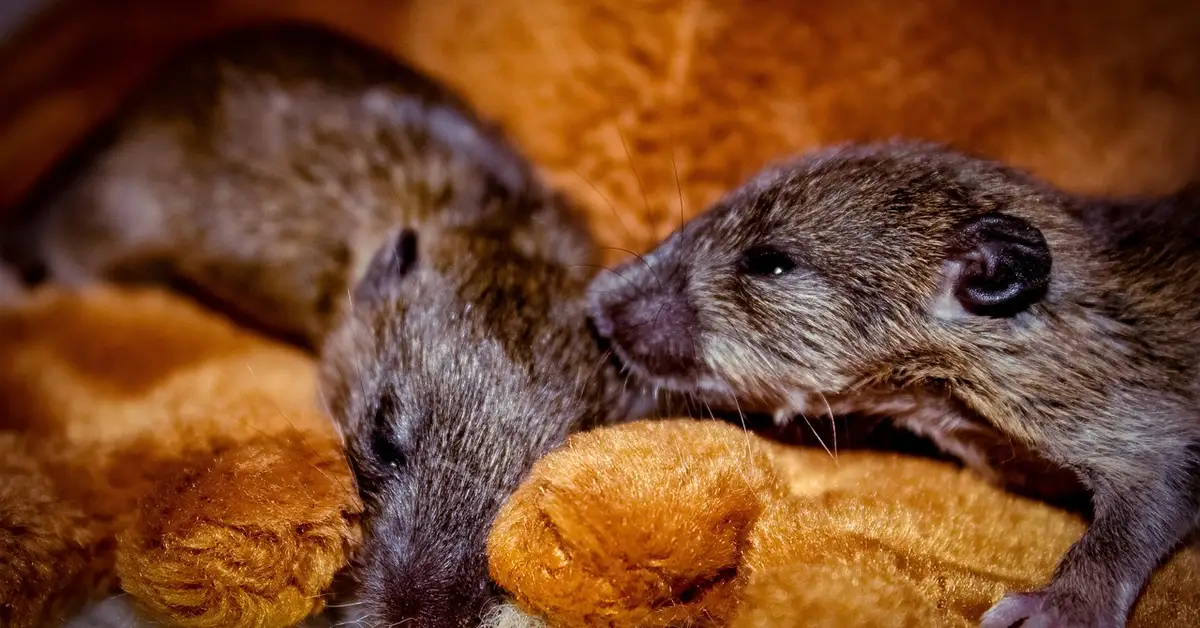
Tracking how traits pass down in your mouse family is a delightful way to connect with them. Begin by focusing on visible features and behaviors you can easily note over time. I use a simple journal for my trio, recording everything from Gregory’s steady gait to Kenny’s energetic explorations.
Look for patterns in coat colors, ear shapes, or even temperament shifts. You might notice that a calm demeanor like Gregory’s appears in some offspring but not others, hinting at genetic influences. This isn’t about breeding; it’s about appreciating the natural flow of traits.
- Document physical traits: fur color, eye shade, tail length.
- Note behavioral tendencies: curiosity, shyness, activity levels.
- Compare across litters or related mice to spot repeating or skipping traits.
Jeffrey’s cheerful yet anxious nature, for instance, reminds me of a past mouse, showing how personalities can echo through generations. Keeping records makes it easier to see these connections and enjoy the uniqueness of each mouse.
Frequently Asked Questions
How can pedigree analysis help me understand inheritance in my pet mice?
Pedigree analysis involves creating a family tree to track how specific traits, like coat color or behavior, appear across generations of your mice. By noting which mice show a trait and which do not, you can identify patterns-such as recessive traits skipping generations or dominant traits appearing consistently. This helps you deduce the genetic makeup of parent mice and predict the likelihood of traits in future litters, enhancing your appreciation of their hereditary background.
What is polygenic inheritance, and how does it affect my mice?
Polygenic inheritance occurs when multiple genes work together to influence a single trait, such as body size, temperament, or susceptibility to certain health issues in mice. Unlike simple dominant-recessive patterns, polygenic traits show a range of variation, like a spectrum of sizes in a litter, because offspring inherit a blend of genes from both parents. Understanding this can help you see why traits like activity levels or build often fall between those of the parents, rather than following a clear-cut pattern.
Can you explain sex-linked inheritance with examples in mice?
Sex-linked inheritance involves genes located on the sex chromosomes, particularly the X chromosome, leading to traits that appear more frequently in one sex. For example, certain coat color patterns or health conditions may be X-linked recessive, meaning male mice (with one X chromosome) can express the trait with just one copy, while females (with two X chromosomes) need two copies. This results in crisscross patterns, where a male passes the trait to his daughters but not his sons, helping you track how these unique traits are passed down in your mouse family.
Your Journey with Mouse Genetics
Seeing the unique patterns of fur color and personality in your own mice is the most rewarding part of understanding these inheritance principles. It transforms your pet care from simple observation into a deeper appreciation for the tiny, complex lives sharing your home. It also helps when learning about fancy mouse breeds, where specific color, coat type, and markings define each variety. Recognizing these traits lets you identify breeds and better understand breed standards and breeding decisions.
Use this knowledge to better anticipate your pets’ needs and to marvel at the beautiful, living story written in their genes. Every whisker twitch and curious exploration by your mice is a chapter in that story, one you now have the privilege to read.
Further Reading & Sources
- INHERITANCE PATTERNS – Understanding Genetics – NCBI Bookshelf
- Genetics basics and inheritance pattern – Gene Vision
- Inheritance Patterns
Isabella is a passionate small pet enthusiast with over 8 years of experience in caring for mice. She loves sharing practical tips and heartfelt stories to help fellow mouse owners provide the best care for their tiny companions.
Mice Genetics