
Is It Worth Hiring an Exterminator for Mice?
Have you ever been startled by the sudden rustle of tiny feet in your pantry or noticed mysterious droppings in your kitchen corners? Dealing with a mouse infestation can feel overwhelming and unsettling, leaving you unsure where to turn. This guide draws from my hands-on experience caring for mice to provide a balanced, practical perspective on when professional help is necessary and when other options might suffice.
We will examine the financial and practical aspects of exterminator services, compare them with reliable do-it-yourself approaches, and highlight the warning signs that a situation has escalated beyond simple fixes. You will gain a clear, step-by-step framework to assess your unique circumstances and make a confident, informed choice.
Understanding Your Mouse Problem: Pet Mice vs. Wild Mouse Infestation
As a mouse owner, the sudden appearance of a wild mouse can send a jolt of panic through you. Your first thought is likely for the safety of your own beloved pets. It is vital to recognize that the mice you lovingly care for in a cage and the wild mice scurrying in your walls are two entirely different situations. Your pet mice depend on you for everything, while wild mice are independent survivors, and that distinction changes everything about how you handle them.
Can Wild Mice Harm Your Pet Mice?
The short and unsettling answer is yes, they absolutely can. Wild mice are not potential friends for your pets; they are a significant health risk. The most immediate danger wild mice pose is through disease transmission, which can happen without them ever touching your pets. They can contaminate your pet’s food, bedding, and water simply by passing through an area.
- Parasites and Illness: Wild mice often carry mites, fleas, and ticks that can transfer to your pet’s habitat. They can also spread viruses and bacteria like hantavirus or salmonella through their droppings and urine.
- Stress and Injury: The constant scent, sound, and sight of a wild intruder can cause immense stress to your pet mice, weakening their immune systems. In a rare direct confrontation, a cornered wild mouse could also bite or injure a pet.
- Resource Competition: While your pets are fed by you, wild mice will seek out their food source, which could lead them to chew into your pet’s food bags, spoiling the contents.
How to Tell If You Have a Wild Mouse Infestation
Distinguishing signs of a wild infestation from the normal sounds of your own pets is key. My mouse, Kenny, is a noisy little explorer, but I’ve learned to tell his activities apart from an unwelcome guest.
- Noise Location: Sounds coming from inside your walls, ceilings, or behind kitchen cabinets are almost certainly wild mice. Your pets’ noises will be localized to their cage and immediate surrounding area.
- Droppings: Wild mouse droppings will be scattered in areas far from your pet’s cage-in drawers, along baseboards, or in pantries. They are small, dark, and rod-shaped.
- Gnaw Marks: Look for fresh chew marks on furniture legs, electrical wires, and food packaging. Your pet mice only gnaw what’s in or very near their enclosure.
- Nesting Materials: Finding shredded paper, insulation, or fabric stuffed into a hidden corner is a classic sign of a wild mouse building a nest.
- The Sighting: If you see a mouse dart across your floor during the day, it is almost always a sign of a significant infestation, as they are typically nocturnal and avoid open spaces.
When DIY Mouse Removal Makes Sense (and When It Doesn’t)
Your instinct as a caring owner is to protect your home and your pets immediately. Some situations are manageable on your own, while others require a professional’s touch to ensure everyone’s safety. Knowing the line between a minor nuisance and a full-blown infestation will save you time, money, and a great deal of worry.
Signs Your Infestation Needs Professional Rodent Control
If you notice any of the following, it’s time to put down the store-bought traps and call an expert. I learned this the hard way early on, trying to handle a problem that was already beyond my control.
- You are seeing mice regularly during daylight hours.
- You can hear persistent scratching and scurrying in multiple walls or rooms.
- You find a large number of droppings in several areas, especially in your kitchen or near your pet’s supplies.
- You notice a persistent, musky odor, which indicates a significant population or even deceased mice within the structure.
- You have attempted DIY methods for a week or two with no success, and the signs of activity continue.
What You Can Handle Yourself
For a very minor, single-mouse issue, you might be able to resolve it without external help. The goal here is humane removal and, most importantly, prevention.
- Identify and Seal Entry Points: This is your number one task. Use steel wool and caulk to seal any cracks or holes larger than a dime around your home’s foundation, pipes, and vents.
- Employ Humane Live Traps: Place these along walls where you’ve seen activity, baited with a small amount of peanut butter. Check these traps multiple times a day to avoid leaving a mouse trapped in distress.
- Sanitize and Secure: Thoroughly clean areas where you found droppings with a disinfectant. Immediately transfer your pet mouse food into sealed, chew-proof glass or hard plastic containers.
- Maintain Vigilance: After you believe the mouse is gone, continue monitoring for new droppings or sounds for at least two weeks to be sure the problem is truly solved.
What Exterminators Actually Do for Mouse Infestations
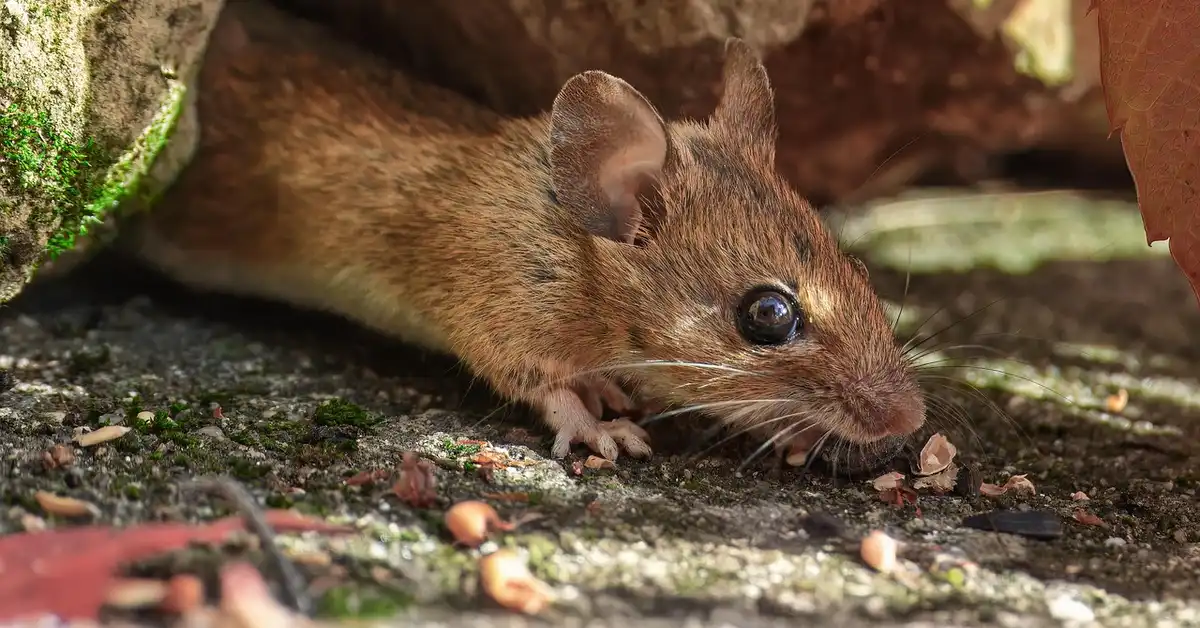
How Exterminators Locate Mice in Walls and Hidden Spaces
Exterminators start by conducting a thorough inspection of your home, focusing on areas where mice are likely to nest or travel. They use specialized tools like flashlights and mirrors to peer into tight spaces, and they listen for subtle scratching or squeaking sounds that indicate activity. You might notice them checking for droppings, grease marks, or gnawed holes, which serve as clear signs of mouse pathways.
Beyond visual cues, many professionals employ tracking powders or UV lights to trace rodent movements in dark, concealed areas. This method helps them map out the infestation’s scope without causing unnecessary disruption to your living space. I’ve found that this systematic approach often reveals nests in insulation or behind appliances, places you might overlook during a casual search.
Treatment Methods: What to Expect
Once the infestation is located, exterminators typically implement a combination of strategies tailored to your situation. Common treatments include setting mechanical traps, applying rodenticides in secured bait stations, and using exclusion techniques to seal entry points. These steps aim to reduce the population and prevent future invasions.
You can expect them to prioritize methods that minimize risks to humans and pets, such as placing traps in out-of-reach areas. Many services also include follow-up visits to monitor effectiveness and make adjustments as needed. In my years of mouse care, I’ve seen how a well-executed plan can swiftly address problems while keeping your home’s integrity intact.
The Real Cost of Hiring an Exterminator for Mice
What’s Included in Professional Rodent Extermination Services
Professional services often bundle several key components into their pricing, providing a comprehensive solution. This usually covers an initial inspection, treatment application, and at least one follow-up visit to ensure the infestation is under control. You’ll receive a detailed report outlining the methods used and any recommendations for prevention.
- Thorough assessment of infestation severity and locations
- Implementation of traps, baits, or exclusion barriers
- Guidance on sanitation and habitat modifications to deter mice
- Post-treatment monitoring and support
Many companies offer warranties or guarantees, giving you peace of mind that the issue will be resolved. This all-in-one approach saves you the hassle of piecing together solutions on your own.
Hidden Costs to Consider
While the upfront quote might seem straightforward, additional expenses can arise during the process. You might need to cover repairs for chewed wires or insulation damage, which mice often cause while nesting. These fixes can add hundreds to your total bill, depending on the extent of the harm.
Other potential costs include recurring treatments if the infestation persists or fees for emergency services. It’s wise to ask about extra charges for sealing entry points or disposing of contaminated materials. From my experience, budgeting for these surprises ensures you’re not caught off guard when the final invoice arrives.
Keeping Your Pet Mice Safe During Extermination
Questions to Ask Your Exterminator About Pet Safety
Before hiring a professional, it’s crucial to discuss how their methods will affect your pet mice. Start by inquiring about the types of traps and chemicals they use, and whether they have experience working in homes with small animals. This helps you gauge their awareness of potential risks.
- Do you use pet-safe rodenticides or non-toxic alternatives?
- How do you ensure traps are placed away from areas my pets access?
- What steps do you take to prevent accidental exposure to my mice?
- Can you provide references from other pet owners you’ve assisted?
Clear communication here can prevent mishaps and keep your furry friends like Kenny or Jeffery out of harm’s way. I always emphasize this when consulting experts, as it builds trust and ensures a smoother process.
Pet-Safe and Humane Removal Options
If you’re concerned about your pet mice’s well-being, explore removal methods that prioritize safety and compassion. Live traps, for instance, allow you to capture and release wild mice without causing harm, though they require careful monitoring. You can place these in areas far from your pets’ enclosures to avoid confusion or stress. When catching wild mice, opt for humane live-capture methods and keep baited devices out of your pet’s reach. Also consider sealing entry points and storing food securely to prevent reinfestation without relying on snap or glue traps.
Exclusion techniques, such as sealing gaps with steel wool or copper mesh, offer a long-term solution that doesn’t involve chemicals. Combining this with natural deterrents like peppermint oil can gently encourage mice to leave without endangering your pets. In my setup for Gregory and the others, I’ve used these approaches to maintain a peaceful environment while addressing any unwelcome guests. These tactics work especially well when focused on common entry points like walls, attics, and crawl spaces. Targeting those areas helps prevent mice from moving in or nesting inside your home.
DIY Mouse Control That Won’t Harm Your Pet Mice
Safe Trap Types and Placement
When wild mice visit your home, your primary goal is to protect your pet family members. I rely exclusively on live-catch traps, which safely contain the intruder without injury, allowing for release far from your home. Choose a quiet, natural spot at a reasonable distance from houses, and wear gloves when opening the trap so the mouse can exit on its own. Look for clear, tunnel-style traps where you can visually confirm a capture, avoiding any snap or glue traps that pose a severe risk to curious pets.
Placement is everything for success and safety. You must position traps along walls or in cabinets where you’ve noticed wild mouse activity, but well away from your pet mice’s enclosure. I never place them in the same room as my boys’ cage, as the scent of bait can stress them and the trap itself could be a hazard if they were to ever get out during playtime. Therefore, keep your pet’s cage in a separate, quiet room well away from any traps or areas with wild mouse activity. Position the cage on a stable, elevated surface away from drafts, strong odors, and direct sunlight.
- Live-catch humane traps
- Tunnel-style traps with clear lids
- Traps baited with peanut butter or seeds
Why You Should Avoid Poison Bait Stations
Rodenticides are an absolute no-go in a home with pet mice. Poison doesn’t just kill the target mouse; it creates a chain of secondary poisoning that can easily reach your beloved pets. A wild mouse can consume poison, wander near your pet’s cage, and leave contaminated droppings or urine that your curious mouse might investigate.
There’s a heartbreaking scenario I’ve heard from other owners. A poisoned mouse can become slow and disoriented, making it easy prey for a household cat, which then also becomes critically ill. The risk extends far beyond the initial pest, creating a toxic environment that lingers long after the problem seems solved.
Mouse Proofing Your Home While Protecting Pet Mice
Prevention is your most powerful and safest tool. Sealing entry points with materials mice can’t chew through, like steel wool and caulk, is your first line of defense. Focus on areas where utilities enter your home, gaps under doors, and cracks in the foundation, ensuring your efforts don’t block ventilation for your pet’s habitat.
Maintain a clean food environment for everyone. Store all bulk pet food, including your mice’s seed mixes, in thick, chew-proof plastic or metal containers, not in the original bags. This removes a major food source that attracts wild mice while keeping your pets’ diet fresh and safe. Sealing and storing food properly is one of the best ways to prevent wild mice from being attracted to your home. Store containers off the floor and check seals regularly to keep pests out. Promptly clean up any food spills from your pets’ play areas.
- Seal cracks with steel wool and silicone caulk.
- Install door sweeps on exterior doors.
- Store all food, human and pet, in airtight containers.
- Keep trash cans tightly sealed.
Health Risks of Wild Mice You Need to Know About
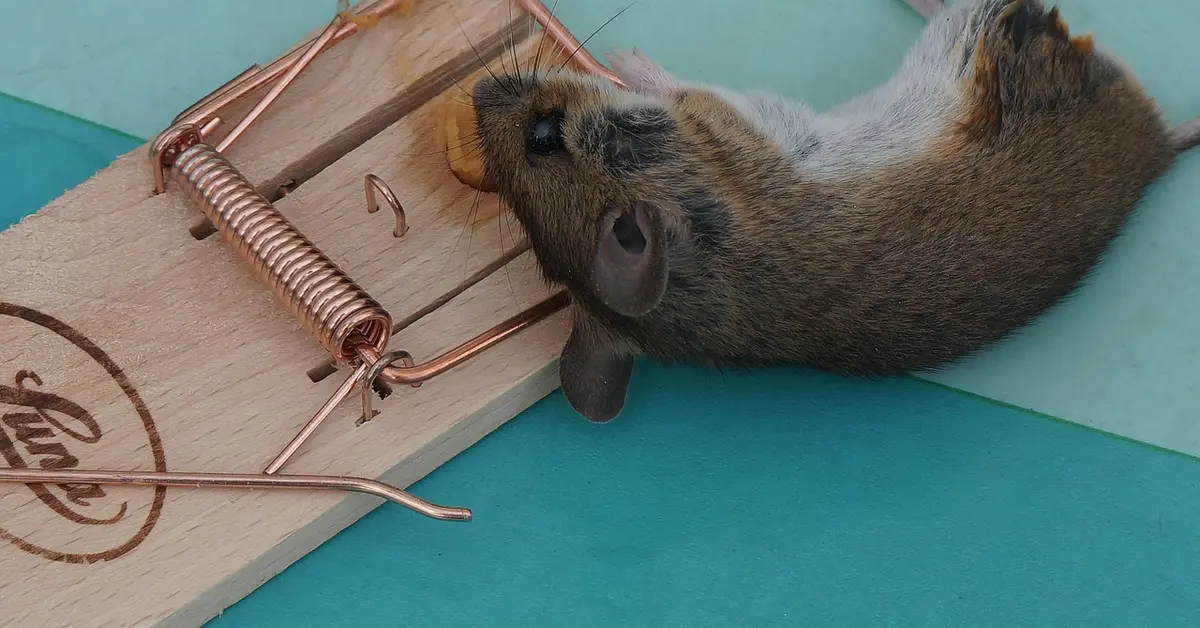
Wild mice can carry pathogens that are dangerous to both humans and other animals. Diseases like Hantavirus and Leptospirosis can be present in their droppings, urine, and saliva, becoming airborne when disturbed during cleaning. While the risk to your pet mice varies, introducing a new, unknown illness into their environment is a chance not worth taking. To prevent disease transmission, take basic precautions when cleaning the cage. Ventilate the area, wear gloves and a mask, and avoid disturbing droppings or bedding to reduce airborne particles.
Beyond viruses, wild mice often host parasites like mites and fleas. An infestation can quickly jump from a wild intruder to your pet’s enclosure, causing intense discomfort and requiring extensive treatment. My Jeffrey, with his white coat, would show signs of mites immediately, and treating him while also trying to rid the house of pests is a stressful situation for everyone involved. That’s why prompt pest control for mice is essential — professionals can remove intruders, locate nests, and help prevent future infestations. Sealing entry points and maintaining good sanitation are key to protecting both pets and people.
Understanding Rodent Behavior and Why Prevention Matters
Wild house mice are driven by the same basic needs as your pets: food, water, and shelter. They are incredible contortionists, able to squeeze through a hole the size of a dime, and they will constantly explore their territory for new resources. They favor sheltered spots like attics, basements, wall voids, garages, and cluttered storage areas where they can nest in insulation or boxes. Understanding this explains why a single sighting often means there are more, and why a clean, sealed home is your best defense.
Your pet mice rely on you to manage their environment. A sudden, unfamiliar wild mouse scent can be incredibly stressful for your pets, disrupting their normal behavior and potentially leading to territorial anxiety. My older mouse, Gregory, becomes noticeably more withdrawn and grumpy when he senses a foreign presence, a clear sign his peaceful world has been disturbed.
Making Your Decision: Exterminator or DIY?
Choosing the right path depends on the scale of your problem and your comfort level. A minor, single-mouse issue is often perfectly manageable with diligent DIY methods like proofing and humane traps. If you’ve only seen one mouse and can quickly identify and seal its entry point, you can likely handle it yourself without putting your pets at risk.
For persistent problems or signs of a larger population, professional help becomes the wiser choice. When you notice ongoing activity despite your best efforts, an exterminator can identify hidden entry points and nests that you might have missed. Their expertise can resolve the issue more quickly and comprehensively, ultimately providing more peace of mind for you and your pets.
What I’d Do in Your Situation
If I found myself in this situation today, my approach would be methodical. I would immediately begin a two-pronged attack: intensifying my home-proofing efforts while setting multiple humane traps in the suspected activity zone, far from Kenny, Gregory, and Jeffery’s room. I would do this for about five to seven days, monitoring closely.
If the problem persisted beyond that, I wouldn’t hesitate. I would call a professional exterminator, interview them thoroughly over the phone about their experience with pet-safe methods, and request a plan that excludes poisons entirely. The safety of my mouse family is non-negotiable, and sometimes the most responsible act of care is knowing when to call in a specialized expert.
Frequently Asked Questions
Do exterminators handle both mice and rats, and how does this affect pet mouse safety?
Yes, many exterminators are trained to deal with both mice and rats, as these rodents often require similar control strategies. However, rats are larger and can be more aggressive, so treatments might involve stronger traps or bait stations. When hiring, always confirm that the methods used are pet-safe to protect your mice from accidental exposure to toxins or traps.
How do exterminators remove mice from a car, and is it safe for my pet mice?
Exterminators typically start by inspecting the car for nests and entry points, using traps or vacuums to remove mice and debris. They may also apply repellents or seal gaps to prevent re-entry. To keep your pet mice safe, ensure the exterminator uses non-toxic methods and thoroughly cleans the car to eliminate any contaminants that could affect your pets during travel.
What’s the best way to find a reliable exterminator for mice near me?
Start by searching online for local pest control services with strong reviews and certifications, and ask for recommendations from neighbors or veterinarians. Prioritize companies that explicitly offer pet-safe or humane options, and schedule consultations to discuss their experience with homes that have pet mice, ensuring they tailor their approach to your specific needs.
Final Thoughts
Navigating the conflict between your affection for your own mice and the problems caused by wild ones is a uniquely challenging position for a pet owner. Your primary responsibility is to provide a safe and healthy environment for the companions you have chosen to care for.
Choosing a professional exterminator is not a betrayal of your love for mice, but a necessary step to protect your pets and your home. This decisive action brings peace of mind, allowing you to focus your energy on the joyful, rewarding care of your own small friends. If wild or invasive mice threaten your home, hiring reputable exterminators such as Orkin or Terminix can safely and effectively rid your space of unwanted rodents. Their professional services help protect your pets and property while allowing you to continue caring for your own small friends.
Further Reading & Sources
- r/HomeImprovement on Reddit: Is it worth it to get an exterminator for mice?
- Is it Worth Getting an Exterminator for Mice? –
- Mice Exterminator Cost (2025 Guide)
Isabella is a passionate small pet enthusiast with over 8 years of experience in caring for mice. She loves sharing practical tips and heartfelt stories to help fellow mouse owners provide the best care for their tiny companions.
Professional Pest Control