
How to Keep Mice Out of Your Chicken Coop
Have you ever found tiny droppings or chewed feed bags in your chicken coop, leaving you worried about the safety of your flock? I’ve been there too, and I know how unsettling it feels to see signs of mice near your beloved birds. This guide will walk you through simple, effective techniques to stop mice from entering your coop and disrupting your chickens’ peace.
You will learn how to identify common entry points, use safe deterrents, and establish routines that make your coop less inviting to rodents.
Primary Image
Do Chicken Coops Attract Wild Mice?
As a mouse owner, I can tell you with certainty that a chicken coop is like a five-star resort for a wild mouse. My own pet mice, Kenny and Jeffery, would go wild with excitement over the sheer abundance of food and nesting materials a coop provides. Wild mice are drawn to the reliable, easy meals of spilled chicken feed, scattered grains, and even the chickens’ own droppings. The cozy, sheltered environment, often filled with soft bedding like straw or wood shavings, presents the perfect nesting opportunity away from predators and harsh weather.
Spotting the Signs Before It’s Too Late
Catching an infestation early is the key to preventing a full-blown mouse metropolis in your coop. Regular, thorough inspections are your most powerful tool for keeping these uninvited guests at bay. You need to become a detective, looking for the subtle clues they leave behind. If you spot a nest of baby mice, you’ll need to act quickly and carefully to protect your flock and stop the problem from growing. Below are the steps to take if you find a nest of baby mice.
- Tiny, dark droppings: Look for rice-shaped pellets near feed bags, in nesting boxes, and along well-traveled pathways. Fresh droppings are dark and moist, while older ones become gray and crumbly.
- A musky, ammonia-like odor: A strong, unpleasant smell often signals a large, established population. My mouse Gregory’s cage has a distinct, though much milder, scent, and a coop will develop a far more potent version.
- Gnaw marks on wood, plastic, and even wires: Mice must constantly chew to keep their ever-growing teeth filed down. Check the edges of feed bins, door frames, and any electrical wiring for fresh scratches or holes.
- Greasy smear marks along walls: As mice repeatedly travel the same routes, the oil and dirt from their fur leave dark, greasy trails along baseboards and support beams.
- Nests made from shredded materials: You might find hidden stashes of torn-up paper, insulation, straw, or feathers tucked into quiet, dark corners.
- Scampering or scratching noises at night: Since mice are primarily nocturnal, listen carefully after dusk for the pitter-patter of tiny feet in the walls or ceiling.
- Pilfered chicken feed: If you notice your feed disappearing faster than usual, or find small holes chewed in the bottom of feed bags, you have likely hosted a hungry rodent family.
Building a Mice-Proof Coop From the Ground Up
Seal Every Gap and Crack
Think of a mouse as a tiny, determined explorer; if their head can fit, their body will follow. You must become a detective, searching for any opening larger than a pencil’s diameter and sealing it completely. I use a combination of heavy-duty materials, starting with steel wool packed tightly into holes before sealing over it with a weather-resistant sealant or even spray foam designed for pest block. Pay special attention to where walls meet the floor, around door frames, and any openings for utilities or vents. This approach is key to rid your home of mice hiding in walls, attics, and crawl spaces. Inspect and seal those areas thoroughly to prevent re-entry.
- Inspect the entire coop interior and exterior in bright daylight with a flashlight to spot hidden gaps.
- Focus on corners, joints, and the area where the coop structure meets the foundation.
- Use materials mice cannot chew through, like hardware cloth, metal flashing, or concrete patch for larger holes.
- Check for gnaw marks regularly, as this indicates a potential entry point you may have missed.
Choose the Right Mesh and Hardware Cloth
Not all wire mesh is created equal, and chicken wire is unfortunately more of a suggestion than a barrier for a persistent mouse. The only truly reliable option is 1/4-inch or 1/2-inch hardware cloth, a sturdy welded wire that denies access without compromising ventilation. I’ve found that stapling it securely over windows, vents, and any other openings creates a lasting fortress. Ensure your staples are close together so the material cannot be pried back by clever paws. This guide to mesh and hardware cloth for mouse-proofing the home covers choosing 1/4- vs 1/2-inch mesh, the tools you’ll need, and step-by-step installation tips. It also shows how to trim and fasten panels neatly around pipes, vents, and irregular openings.
- Select galvanized hardware cloth for rust resistance and long-term durability.
- Use washers with your screws or heavy-duty staples to prevent the cloth from being easily torn away.
- Bury the hardware cloth at least 12 inches deep around the coop’s perimeter to block burrowing attempts.
- Double-check that all seams are tightly secured and overlap pieces by several inches for maximum strength.
Removing What Brings Them In
Managing Feed Without Feeding Mice
Spilled chicken feed is a five-star buffet that sends a clear invitation to every mouse in the neighborhood. Transitioning to a no-waste feeding system is the single most effective change you can make to deter these uninvited guests. I use treadle feeders exclusively now, which only open when a chicken steps on the plate, keeping all food sealed away. Store your main feed supply in a sturdy, sealed metal bin, as plastic is no match for determined rodent teeth. Keep extra bags off the ground on pallets or shelving and away from walls, and rotate stock so you can spot and address any breaches quickly.
- Feed your chickens only what they will consume within 15-20 minutes, twice a day.
- Never leave feed in open bowls or troughs overnight.
- Elevate feeders off the ground to make access more difficult for small rodents.
- Sweep up every single spilled pellet and seed immediately after feeding time.
Daily Sanitation That Actually Works
A clean coop is an uninteresting coop from a mouse’s perspective, removing the scents and clutter that signal a safe home. Establishing a swift and thorough end-of-day cleaning routine eliminates the nesting materials and food debris that mice desperately seek. My routine involves a quick scrape of droppings boards and a sweep of the floor each evening before locking up. Removing soiled bedding regularly and ensuring the coop is dry makes the environment far less appealing. Apply that same approach to mouse cages with a simple schedule: do daily, weekly and monthly cleaning with daily spot-cleaning, weekly bedding changes and toy checks, and a monthly deep-clean of the whole cage.
- Remove soiled bedding on a strict schedule before odors and moisture can accumulate.
- Keep the area directly outside the coop clear of tall grass, woodpiles, and debris that provide cover.
- Store fresh bedding in sealed containers, as loose straw and hay are prime nesting material.
- Ensure waterers are not leaking, as a consistent water source is a powerful attractant.
Safe Trapping Methods for Chicken Owners
Where to Place Traps Without Risking Your Flock
When prevention needs a helping hand, placement is everything to ensure your chickens remain completely safe. You must position traps in runways and along walls that are inaccessible to your birds, often using protective covers or tunnels. I create simple tunnels from scrap wood or PVC pipe just wide enough for a mouse but too narrow for a curious chicken beak or foot. Bait stations designed for rodents are another excellent option, as they shield the trap mechanism entirely.
- Place traps flush against walls where mice prefer to travel, as they rarely run across open spaces.
- Focus on areas behind feed bins, in corners of the coop, and along the base of walls.
- Use live-catch traps if you wish to relocate mice, checking them at least twice daily.
- For snap traps, secure them so they cannot be dragged or tripped by a chicken scratching nearby.
Enlisting Natural Predators as Allies
While my pet mice Kenny, Gregory, and Jeffery live safely indoors, I recognize that wild mice in a coop are a different story. Welcoming certain predators into your yard creates a natural, self-regulating system that requires little effort on your part. It’s about working with nature, not against it. Simple yard and garden maintenance — clearing brush, securing compost, and removing food sources — makes your property less attractive to wild rodents. Combined with inviting natural predators, this creates an effective, low-effort rodent deterrent.
Barn owls are perhaps the most effective mousers you can invite. A single barn owl family can consume thousands of mice in a single nesting season, providing relentless pest control through the night. Their nightly hunting can significantly reduce mouse populations around barns, gardens and fields, cutting the need for traps or rodenticides. This makes them a natural, low-cost pest control option for farmers and homeowners. Installing a simple barn owl box on a high pole away from heavy activity gives them a safe place to roost and raise their young.
- Barn Owls: Install a nesting box high on a pole or barn eave. They are silent, nocturnal hunters.
- Snakes: Non-venomous species like black rat snakes are expert rodent hunters. A stone wall or woodpile near the coop provides ideal habitat.
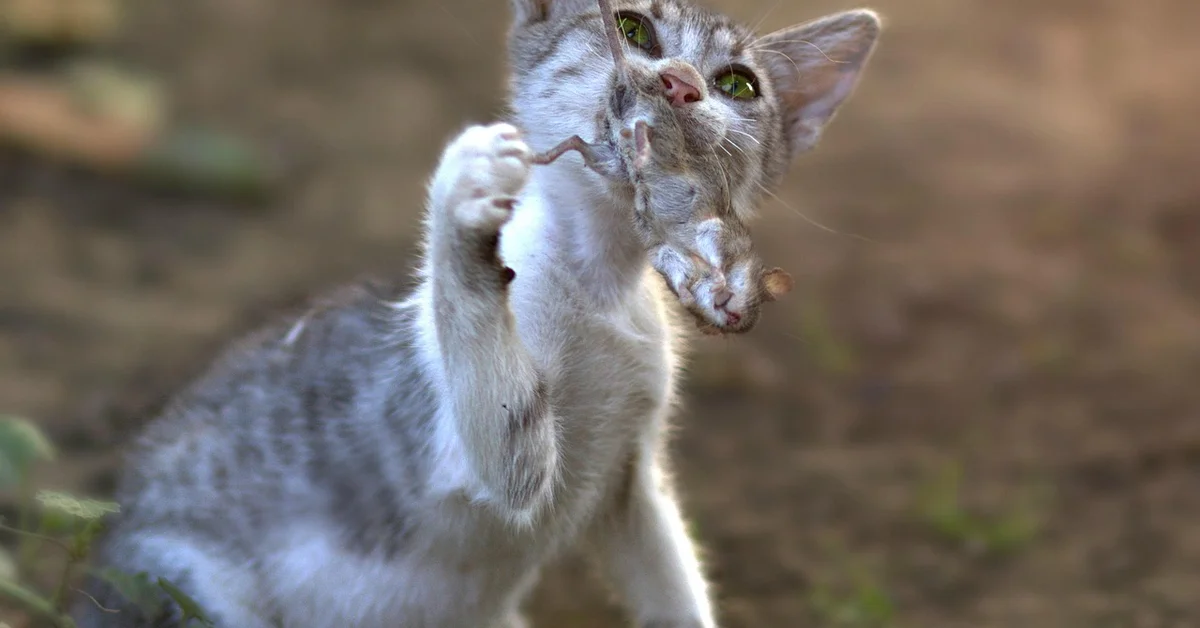
- Domestic Cats: A good barn cat can be a deterrent, though their effectiveness varies. Their presence alone can make mice nervous.
I’ve observed that a balanced ecosystem has a palpable calm. Creating habitats for these allies means you are not the sole defender; you have a team working around the clock. You might not see them often, but you will notice the absence of rustling in the walls after dark.
Your Year-Round Prevention Routine
Consistency is the true secret to a mouse-free coop. Mice are opportunistic, and a single lapse in your routine is an open invitation for them to move in. I treat coop maintenance like caring for my own pets-it’s a non-negotiable part of the daily and weekly rhythm.
A proactive approach saves you from the stress and mess of an infestation later. Think of this routine not as a chore, but as a form of peaceful coexistence where you set the boundaries. A little work now prevents a huge problem later.
Monthly Inspection Checklist
Set a recurring reminder on your calendar for a thorough monthly walk-around. This dedicated inspection helps you catch small problems before they become major entry points for determined mice. Bring a flashlight and a notepad to jot down anything that needs fixing. Also watch for mouse droppings—finding them is a sign of active infestation and can pose health risks, so treat any droppings with caution and arrange for proper cleanup or professional help if needed.
- Seal the Cracks: Check the entire foundation, walls, and roofline for new gaps or holes. Use heavy-duty materials like steel wool mixed with caulk or hardware cloth to seal them.
- Door Sweeps and Vents: Ensure all door sweeps are intact and create a tight seal with the ground. Inspect ventilation openings to confirm their wire mesh is secure and unpunctured.
- Food Storage Audit: Examine your feed bins for any cracks or loose-fitting lids. Wipe down the outside to remove dust and residue that can attract mice from a distance.
- Clear the Perimeter: Walk the area immediately surrounding the coop. Trim back any tall grass, ivy, or brush that has grown within three feet of the structure, eliminating hiding spots.
- Check for Droppings: Look for the tell-tale rice-shaped droppings in corners, along walls, and on top of nesting boxes. Finding them early is your best clue to take immediate action.
This checklist is your first line of defense. Completing this monthly ritual builds a powerful habit of observation that makes you an expert on your own coop’s vulnerabilities. Over time, you’ll start to notice subtle changes almost instinctively.
Frequently Asked Questions
Do mice live in chicken runs?
Yes, mice can and do live in chicken runs, as these areas often provide easy access to spilled feed, water, and sheltered spots for nesting. While the open space may offer less protection than the coop itself, mice will take advantage of any cover, such as tall grass or debris, to establish hiding places close to food sources. Regular cleaning and removing clutter from the run can help make it less inviting.
What mouse repellents work in a chicken coop?
For a chicken coop, it’s important to use repellents that are safe for both your chickens and any pet mice you may care for. Natural options like peppermint oil-soaked cotton balls or commercial ultrasonic devices can deter mice without harmful chemicals, as mice are sensitive to strong scents and high-frequency sounds. Always place these in areas inaccessible to chickens to avoid ingestion or stress, and monitor their effectiveness, as some mice may become accustomed over time.
How should I deal with a mouse in the chicken coop?
If you spot a mouse in the coop, act quickly but humanely to prevent it from settling in. Use live-catch traps placed in secure, chicken-proof locations, and check them frequently to relocate the mouse far from your property. Avoid using poisons or snap traps that could harm your flock or cause unnecessary suffering, especially if you value mice as pets; instead, focus on reinforcing coop seals and sanitation to address the root cause.
Wrapping Up
With a few simple adjustments to your coop’s layout and maintenance, you can create an environment that is far less appealing to curious wild mice. Focus on sealing entry points, managing food sources meticulously, and maintaining a clean space—these are your most powerful tools. House mice are highly adaptable and can survive outdoors by nesting in vegetation, woodpiles, or outbuildings, then moving into coops for food and shelter. Taking these preventative steps reduces the chance that outdoor-adapted house mice will make your coop their home.
Remember, this process is about creating peaceful coexistence, ensuring safety and comfort for your chickens while gently encouraging mice to seek homes elsewhere. It’s not always easy, but understanding the relationship between chickens and mice can help you manage the situation effectively. You’ve got this, and your feathered friends will thank you for the secure, tidy home you provide.
Further Reading & Sources
- r/chickens on Reddit: I have a mouse infestation in my chicken coop. How can I get rid of them without harming my chickens?
- How To Keep Mice & Rats Away From A Chicken Coop – 9 Tips
- 6 Tips for a Rodent-Free Coop – Dare 2 Dream Farms
Isabella is a passionate small pet enthusiast with over 8 years of experience in caring for mice. She loves sharing practical tips and heartfelt stories to help fellow mouse owners provide the best care for their tiny companions.
Mouse-Proofing & Prevention