
Who Fixes a Mouse Problem: Landlord or Tenant?
Have you found tiny droppings in your kitchen or heard scratching in the walls, leaving you unsure who should handle it? You’re not alone in this stressful situation, and figuring out the next step can feel overwhelming.
This guide will clarify the legal responsibilities and provide a clear path to resolution. We will cover the specific health and safety obligations landlords must uphold, the tenant’s role in prevention and reporting, and the exact steps to take for a swift and effective solution.
Understanding Landlord and Tenant Responsibilities for Mouse Infestations
What Your Lease Agreement Says About Pest Control
Your lease is the first place you should look, as it often spells out who handles pest control. Many standard leases contain a specific “pest control addendum” that details whether the landlord or tenant is financially responsible for extermination services. Look for keywords like “pest,” “vermin,” or “infestation.” If the lease is silent on the matter, local tenant laws usually fill in the gaps, but a written agreement always takes precedence.
I’ve reviewed many leases for friends, and the language can be surprisingly vague. Pay close attention to any clauses that shift responsibility to you after you’ve taken possession of the property, as this is a common way landlords limit their liability. If you’re unsure, don’t hesitate to ask your landlord for clarification in writing before you sign anything.
When Landlords Are Responsible for Mouse Problems
Landlords are typically required to provide a habitable dwelling, which includes keeping it free from pest infestations at the start of your tenancy. The law generally places the initial burden on the landlord to ensure the property is sealed and pest-free before you ever move your first box inside. If mice are entering through structural issues like cracks in the foundation, holes in walls, or gaps around utility lines, the responsibility to seal those entry points falls squarely on your landlord.
In my experience living in older buildings, proactive landlords will schedule regular exterior inspections. Issues stemming from a neighboring unit’s infestation or problems with the building’s common areas are almost always the financial and logistical duty of the property owner to resolve. A good landlord understands that a small crack today can become a major mouse highway tomorrow.
When Tenants May Be Held Responsible
Tenants can be held responsible if their habits directly cause or significantly contribute to the mouse problem. If you leave food out, have overflowing trash, or store pet food like my mice’s sunflower seeds and aged cheese in bags instead of sealed containers, you could be found negligent. Poor sanitation that attracts mice from the outside world is a common reason a tenant is billed for extermination. When you call pest control, expect an initial inspection to determine the cause and whether tenant habits contributed, which can affect who pays for services. The technician will also recommend steps—like sealing food and improving sanitation—to prevent a return.
You are also responsible for reporting the issue the moment you suspect it. Failing to notify your landlord promptly can sometimes be seen as you allowing the problem to worsen, which might make you liable for the resulting damages and more extensive treatment costs. I make it a habit to do a quick weekly check for any signs, just like I do when spot-cleaning my boys’ enclosure.
Recognizing a Wild Mouse Infestation in Your Rental
Health Hazards Wild Mice Pose to You and Your Pet Mice
Wild house mice are not the same as our cherished pet companions; they are vectors for disease and stress. Wild rodents can carry pathogens like hantavirus and salmonella, which can be transmitted through their droppings, urine, or saliva, contaminating surfaces and even the air you breathe. This is a serious concern for both human and pet mouse health. This guide outlines the most dangerous zoonotic diseases wild mice can carry and how they spread. It also covers symptoms, prevention, and safe cleanup to help protect people and pets.
As a pet owner, the biggest risk is indirect. Wild mice can introduce novel parasites, mites, or illnesses to your pet mice’s environment, potentially leading to costly vet visits or heartbreaking loss. The stress of smelling and hearing wild intruders can also cause your pets to become anxious, just like my Jeffery does when he hears a sudden loud noise. Keeping these two worlds separate is paramount for your pets’ safety.
Documenting Proof of Infestation
Thorough documentation is your most powerful tool when dealing with a landlord. Start by taking clear, date-stamped photos or videos of any evidence you find, such as droppings, gnaw marks, or nesting materials. Place a coin or ruler next to the evidence for scale in your photographs to provide a sense of size and severity.
Follow up every visual record with a written log. Keep a detailed journal noting the date, time, and location of every sign you see, and record every communication you have with your landlord about the issue, whether it’s by email, text, or a certified letter. This creates a paper trail that is invaluable if you need to escalate the situation to a housing authority.
Steps to Take When You Discover Wild Mice

How to Notify Your Landlord About the Mouse Problem
Finding wild mice can feel alarming, especially when you have beloved pets of your own. Your first move should be immediate, documented communication with your landlord. A clear, written notification creates a formal record and protects your rights from the very beginning. I always send an email or use a tenant portal for this exact reason, detailing the location and any evidence I’ve found. Documenting the problem helps protect your rights and prompt action, since landlords are often obligated to address infestations. If they don’t act, check your lease and local tenant laws for next steps, such as reporting the issue to housing authorities.
- Take clear photos or videos of droppings, chewed items, or the mice themselves.
- Write a concise description including dates, times, and specific areas of activity.
- Politely request a specific course of action, such as an inspection by a pest control professional.
- Keep a copy of all correspondence for your personal records.
Understanding Notice Requirements and Response Times
Laws governing landlord response times vary, but a general standard for health and safety issues like pests is typically within 24 to 48 hours for an initial response. Your local housing authority or tenant union can provide the specific legal timelines that apply to your rental situation. A prompt acknowledgment from your landlord is a positive sign, but a plan for action is what truly matters.
- Check your local municipal or city housing codes for “habitability” standards.
- Understand that a “response” can mean an inspection, not necessarily immediate extermination.
- Follow up politely if you do not receive a reply within a reasonable business day.
What Happens If Your Landlord Won’t Address the Mice
Landlord inaction puts you in a difficult position, but you have pathways forward. Tenant rights often include legal remedies like “repair and deduct” or involving a local health inspector to compel action. I’ve been in this frustrating spot before; it requires calm, persistent escalation through proper channels.
- Formally contact your local health or building department to request an inspection.
- Explore your state’s specific laws regarding “constructive eviction” if the home becomes unlivable.
- Consider seeking advice from a tenant advocacy group before taking any financial actions like withholding rent.
Safe Extermination Methods When You Have Pet Mice
Temporary Removal of Your Pet Mice During Treatment
Your pet mice’s safety is the absolute priority during any pest control process. Relocating your small friends to a secure, temporary habitat is the single most effective way to shield them from toxins and stress. When my curious Kenny needed to be moved, I used a spare, well-ventilated critter carrier placed in a quiet, temperature-stable room far from the treatment area. If you expect pest control for mice in your home, tell the technician you have pet mice and ask which methods they’ll use. That lets you schedule treatments and prepare a safe temporary space so your pets stay out of harm’s way.
- Prepare a temporary cage with familiar bedding, hides, food, and water.
- Choose a quiet room with no drafts or direct sunlight for their temporary stay.
- Keep their relocation period as short as possible to minimize disruption.
- Thoroughly air out your home and wipe down all surfaces before returning them.
Rodent Exclusion and Sealing Entry Points
Exclusion is about making your home a fortress that wild mice cannot penetrate. Focusing on sealing gaps and holes is a non-toxic, long-term strategy that benefits both you and your pets. I’ve spent many an afternoon with a tube of sealant, methodically checking the skirting boards where my mice, Gregory and Jeffery, live peacefully.
- Use steel wool or copper mesh to stuff into holes, as mice cannot chew through it.
- Seal gaps around pipes, cables, and vents with a high-quality silicone or foam sealant.
- Pay special attention to areas under sinks, behind appliances, and in basement or attic spaces.
- Install door sweeps on exterior doors to block the gap at the bottom.
Natural Repellents That Won’t Harm Your Pets
Many commercial repellents are dangerous for small animals, but nature provides safer alternatives. Strong scents like peppermint oil can deter wild mice without posing a lethal threat to your captive companions. I use cotton balls soaked in peppermint oil placed in areas completely inaccessible to my pet mice, like inside wall voids or behind fixed appliances. Natural repellents like peppermint and cayenne are a safer choice for any household.
- Peppermint oil on cotton balls can be a potent, natural deterrent.
- Ensure any repellent is placed where your pet mice cannot contact or ingest it.
- Ultrasonic repellents are another pet-safe option, though their efficacy can vary.
- Maintain impeccable cleanliness to remove food odors that attract wild mice in the first place.
Professional Pest Control: What to Ask About Pet Safety
Hiring a professional requires you to become an advocate for your pets’ wellbeing. Always confirm the exact chemicals and methods a pest control company plans to use and get assurances in writing. I grill any potential exterminator with a list of questions, and I won’t hire one who seems dismissive of my concerns for Jeffery’s delicate health.
- Ask if they use pet-safe bait stations that are tamper-resistant and enclosed.
- Inquire about the active ingredients in any poisons and their potential secondary toxicity.
- Request a plan that avoids glue traps, which are inhumane and a risk to pets.
- Get a detailed timeline for when it is safe to return your pets to the treated area.
Your Rights Regarding Repairs and Entry for Pest Control
Can You Withhold Rent Due to Mouse Infestation?
Withholding rent is a serious legal step, not a simple negotiation tactic. This action is generally only permissible under specific state laws, often requiring you to place the rent money in an escrow account until the issue is resolved. Doing this incorrectly can put you at risk for eviction, so it must be a last resort after other options fail.
- Never stop paying rent without first consulting a tenant attorney or your local housing authority.
- Most jurisdictions require a formal written notice and a “cure or quit” period for the landlord to fix the issue.
- You may be able to pay for repairs yourself and deduct the cost from your rent, following local rules.
Using Your Security Deposit for Extermination Costs
Your security deposit is intended for damages you cause, not for solving the landlord’s maintenance failures. Charging you for pest control from your deposit is typically unlawful unless you are proven to be the direct cause of the infestation. Problems stemming from structural flaws or a building-wide issue are the landlord’s financial burden.
- General wear and tear or pre-existing conditions are not deductible from your deposit.
- If a landlord wrongfully withholds your deposit, you may be entitled to sue for its return plus damages.
- Take move-in and move-out photos to document the property’s condition and contest unfair charges.
Preventative Measures to Keep Wild Mice Away
Sanitation Practices That Don’t Compromise Pet Mouse Care
Keeping your home clean is your first line of defense, but you must do it in a way that doesn’t stress your own small companions. I maintain a strict cleaning schedule for my mouse enclosures that prevents odors from escaping and attracting curious wild visitors. Spot-clean your pet’s habitat daily and do a full substrate change weekly, immediately taking the waste bags directly to an outdoor bin.
Vacuum and wipe down surfaces around your pet’s cage every single day. This routine eliminates the tiny food crumbs and spilled water that wild mice consider a five-star invitation. Use a pet-safe, non-toxic cleaner like a diluted vinegar solution, which deters pests without releasing harmful fumes that could affect your own mice’s sensitive respiratory systems.
- Wash food and water bowls in hot, soapy water daily.
- Store all bulk bedding and food in airtight, hard plastic containers.
- Immediately clean up any treats or food dropped during playtime outside the cage.
Sealing Your Living Space Without Trapping Your Pets
Wild mice can squeeze through holes the size of a dime, so a thorough inspection is non-negotiable. You need to become a detective in your own home, looking for any tiny gap that could serve as a front door for pests. Pay special attention to areas where pipes enter walls, gaps under doors, and vents.
My preferred sealing material is copper mesh, which is impossible for mice to chew through. Stuff gaps tightly with the mesh before sealing them with caulk or spray foam for a permanent, pet-safe barrier. This method is far safer than using poison or traps that could inadvertently harm your own animals. Always ensure your pet mice are securely in their locked enclosure before you begin any sealing work to prevent any curious escapes.
Managing Pet Mouse Supplies to Avoid Attracting Wild Mice
Your pet’s food is a powerful magnet for wild rodents. Never, ever leave your mouse’s food bag open or stored in its original, easily-chewed packaging. I transfer all food for Kenny, Gregory, and Jeffery into heavy-duty, sealable plastic or glass containers the moment I bring it home.
Be mindful of how you handle treats and snacks. Consider feeding your pets at set times rather than leaving a full food dish out 24/7, which minimizes lingering food smells. High-value treats like nuts and seeds are particularly enticing, so only offer what your mice will eat in one sitting during supervised playtime.
- Purchase food in smaller quantities to ensure freshness and reduce bulk storage.
- Clean food storage containers thoroughly before refilling them.
- Inspect bedding bags for any signs of tampering before bringing them inside.
When to Involve Local Housing Authorities
Reporting Negligence to Health Departments
If your landlord fails to address a significant infestation, it may be time to seek external help. You should contact your local health department when the problem poses a clear health risk, such as visible droppings in food preparation areas or evidence of mice inside appliances. This step is about protecting your health and the wellbeing of your pets from contamination and disease.
Document everything before you make the call. Health departments respond more effectively to reports backed by photo evidence, a log of incidents, and a record of your failed attempts to get the landlord to act. This isn’t about getting your landlord in trouble; it’s about forcing a necessary resolution to a hazardous living situation.
Understanding Your Local Ordinances on Pest Control
Tenant rights and landlord responsibilities can vary dramatically from one city or county to the next. A quick search for “[Your City] housing code pest control” will usually point you directly to the local laws that govern your situation. Many municipalities have “Warranty of Habitability” clauses that specifically require landlords to keep rental units free from pest infestations.
Some areas hold tenants responsible for issues stemming from their own poor sanitation, while others place the burden entirely on the property owner. Knowing your local ordinances arms you with the facts you need to have a confident, productive conversation with your landlord. Your city’s tenant union or a local legal aid society can be invaluable resources for interpreting these rules.
Communicating Effectively With Your Landlord About the Issue
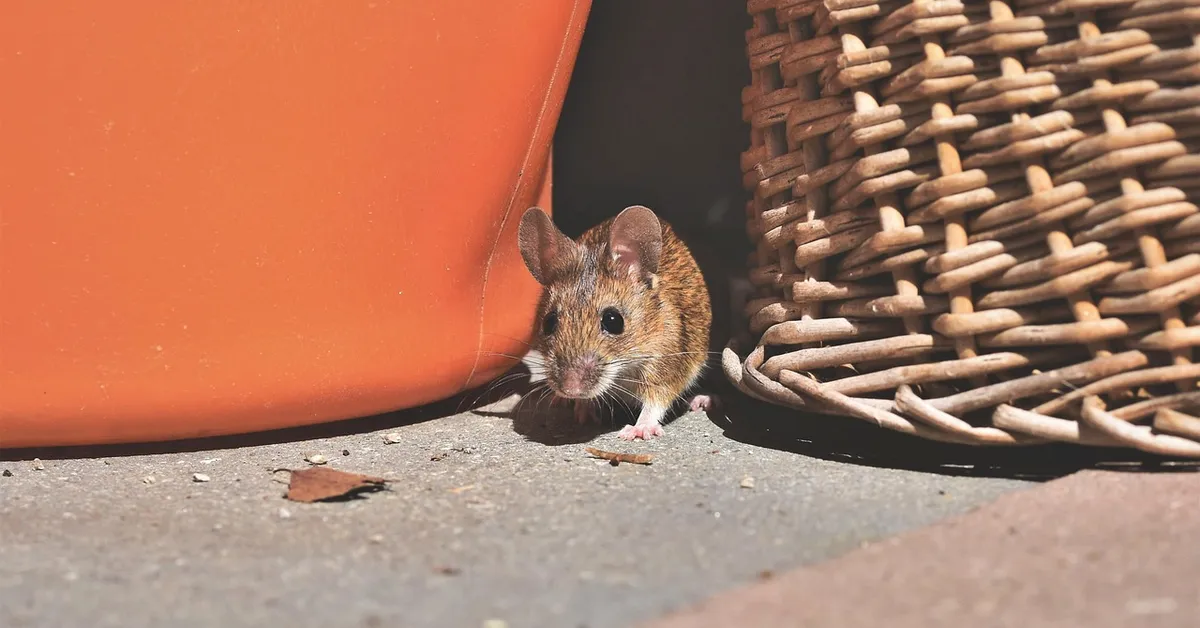
What Your Landlord Should Do When You Report Mice
A responsive landlord will take your report seriously and act promptly. A good landlord should immediately schedule a professional inspection to identify entry points and the scale of the problem. They should then hire a licensed exterminator who uses methods safe for tenants with indoor pets, like targeted trapping instead of widespread poison.
The follow-through is just as critical as the initial response. Your landlord is responsible for not just eliminating the current mice but for sealing the home to prevent their return. This means repairing broken vents, sealing cracks in the foundation, and ensuring doors and windows close tightly. If they only set traps without fixing the root cause, the problem will inevitably recur.
Keeping Records of All Communication and Actions
From the very first moment you notice a problem, start a dedicated log. Meticulous records create a clear timeline that protects you if the situation escalates and you need to prove landlord negligence. I keep a simple digital folder with dates, notes, and photos for any household issue.
Always put your communication in writing, even if you’ve just had a phone call. Follow up verbal conversations with a brief, polite email summarizing what was discussed, such as “Per our call today, you agreed to send a pest control technician on Friday.” This creates a paper trail and ensures you both have the same understanding of the plan.
- Take dated photos or videos of any mouse sightings, droppings, or property damage.
- Save all email correspondence and take screenshots of text messages.
- Note the full names of any maintenance staff or contractors you speak with.
Legal Remedies If the Infestation Continues
When repeated requests and formal letters fail to resolve a mouse problem, you have legal options to protect your right to a safe home. Persistent infestations are a serious health and safety issue, especially when they involve mice nests in walls, and the law often provides pathways for tenants to seek resolution. I’ve seen how stressful this situation can become, and knowing your rights is the first step toward reclaiming your peace of mind.
Breaking Your Lease Due to Uninhabitable Conditions
A severe, unaddressed mouse infestation can legally render a property “uninhabitable,” a concept known as a breach of the “warranty of habitability.” This is your landlord’s fundamental duty to provide a safe and livable environment. You may be able to break your lease without penalty if you can prove the landlord was notified and failed to act, creating unsafe living conditions. The process is specific and must be followed carefully. In some jurisdictions, tenants may be allowed to withhold rent or place it in escrow when a serious mouse problem persists despite proper notice. Be sure to check local laws and follow required notice and documentation steps before withholding rent.
- Formally document every communication with your landlord, including dates and copies of written notices.
- Gather evidence like photos of droppings, chewed items, and videos of active mice.
- Contact your local housing or health department to request an official inspection of the property.
- If the inspector confirms the violation, you will receive a written report to support your claim.
- Provide your landlord with a final written notice of your intent to vacate, citing the inspection report and the breach of habitability.
Claiming Compensation for Damaged Property
Mice are notorious chewers and can destroy everything from food containers to important documents and furniture. If your personal belongings are damaged due to a landlord’s negligence in controlling an infestation, you may be entitled to compensation for the cost of repair or replacement. I once lost a favorite blanket to nesting materials, and the feeling of violation is real as mice chew through various materials.
- Create a detailed inventory of all damaged items, including their approximate value and age.
- Take clear, well-lit photographs of the damage for each item on your list.
- Compile receipts for any items you’ve already had to replace, such as contaminated food.
- Formally present this documentation to your landlord with a written request for reimbursement.
- If they refuse, you can file a claim in small claims court, where the judge will review your evidence.
Rent Reductions for Loss of Habitability
Another powerful tool is requesting a rent abatement, or reduction. This approach acknowledges that you are still living in the unit but are not receiving the full value and use of your home due to the infestation. Withholding a portion of your rent can be a legal way to pressure your landlord into action, but the rules for doing so vary dramatically by location. It is not simply deciding to pay less.
- Check your local tenant laws. Some areas require you to pay rent into an escrow account held by the court until the issue is resolved.
- Formally notify your landlord in writing of your intent to seek a rent reduction, detailing the specific problems and how they impact your daily life.
- Propose a specific, reasonable reduction amount based on the severity of the issue.
- Continue to pay the reduced rent amount on time, ensuring you are following all legal procedures to the letter to avoid eviction for non-payment.
Insurance Coverage for Mouse Infestation Damage
Navigating insurance for pest-related damage can be confusing, as policies draw a clear line between sudden accidents and gradual maintenance issues. Understanding the distinction between a renter’s insurance policy and a landlord’s property insurance is critical to managing your expectations for coverage. Mice, unfortunately, almost always fall into the “preventable maintenance” category from an insurer’s perspective.
- Renter’s Insurance: Typically covers sudden, accidental damage to your personal property, like a fire or burst pipe. Damage from pests like mice is almost universally excluded because it’s considered a result of gradual deterioration and lack of maintenance. Your policy will likely not pay for chewed furniture or contaminated food.
- Landlord’s Insurance: Covers the physical structure of the building itself-the walls, floors, and built-in appliances. If mice chew through electrical wiring and cause a fire, the landlord’s policy should cover the structural repairs. It will not, however, cover the cost of extermination or the replacement of your personal items.
- The Grey Area: If a pest-related incident leads to a secondary, covered event-like a water leak from chewed pipes-your renter’s insurance might cover the resulting water damage to your belongings, but not the initial chewing that caused the leak.
Frequently Asked Questions
What are the key provisions of the Landlord and Tenant Act regarding mouse infestations?
The Landlord and Tenant Act, or similar local housing laws, generally requires landlords to maintain rental properties in a habitable condition, which includes addressing pest infestations that arise from structural issues or existed prior to tenancy. These acts often specify that landlords must respond promptly to tenant reports and undertake necessary repairs, such as sealing entry points, to ensure the unit is safe and livable. Tenants should review their specific local ordinances, as these laws define the timeline for responses and the legal recourse available if landlords fail to act.
Under what circumstances are landlords not responsible for dealing with mice?
Landlords are typically not responsible if the infestation is directly caused by the tenant’s negligence, such as poor sanitation, improper food storage, or failure to report the issue in a timely manner. For example, if a tenant with pet mice leaves food bowls out or stored in chewable containers, attracting wild mice, the landlord may argue that the tenant is liable for extermination costs. However, the burden of proof is on the landlord to demonstrate that the tenant’s actions were the sole cause, and structural problems still remain the landlord’s duty to fix.
How does owning pet mice impact a tenant’s liability for wild mouse infestations?
Owning pet mice does not automatically make a tenant responsible for a wild mouse infestation, but it requires extra diligence in hygiene and storage to avoid attracting pests. Tenants must ensure that all pet food, bedding, and supplies are kept in sealed, rodent-proof containers and that cages are cleaned regularly to prevent odors that could lure wild mice. If a landlord can prove that the pet mice or their care practices directly contributed to the problem, the tenant might be held accountable, so maintaining impeccable cleanliness is key to protecting both your pets and your rights.
Your Path Forward
Ultimately, a clear lease agreement and prompt, documented communication with your landlord are your most powerful tools for resolving a wild mouse problem. While your landlord typically handles structural repairs and professional extermination, your role in maintaining cleanliness and reporting issues immediately is equally vital to a swift resolution.
For those of us who share our homes with pet mice like my curious Kenny, this situation highlights the importance of secure, well-maintained habitats that keep our beloved companions safe and separate from any uninvited wildlife. A peaceful home, free from the stress of an infestation, benefits every resident, whether they have two legs or four. Keeping yards and gardens tidy—removing debris and trimming overgrowth—reduces hiding spots for wild rodents. Simple garden upkeep helps protect indoor pets like Kenny.
Further Reading & Sources
- Is My Landlord Responsible For Mice? | Beier Law
- Are mice in a rented property the landlord’s responsibility?
- Who Is Responsible for Mice in Rental Properties?
Isabella is a passionate small pet enthusiast with over 8 years of experience in caring for mice. She loves sharing practical tips and heartfelt stories to help fellow mouse owners provide the best care for their tiny companions.
Professional Pest Control