
Life in the Wild: Understanding Mouse Nests, Territories, and Lifecycles
Have you ever watched your pet mouse meticulously arrange bedding or stash treats and felt a spark of curiosity about its wild roots? Those tiny behaviors are echoes of a rich, instinctual world, and after years of observing mice like my own, I know how those moments can leave you wanting answers. This guide will bridge that gap by revealing the natural rhythms that shape every mouse’s life, offering you a clear path to understanding their wild counterparts.
We will explore the clever construction of mouse nests in diverse environments, the subtle ways they claim and guard their territories, and the remarkable lifecycle stages that guide them from birth through adulthood. You will walk away with a richer appreciation for these creatures, empowering you to nurture your pets with greater insight and empathy.
How Wild Mice Build and Use Their Nests
What Materials Do Mice Use for Nest Construction?
Wild mice are resourceful architects, gathering whatever soft, insulating materials they can find to create cozy, safe spaces. They prioritize items that retain warmth and can be easily shredded or molded into a snug haven. In my years of observing pet mice like Kenny and Gregory, I’ve noticed their preferences often mirror those of their wild cousins, favoring textures that feel secure and comfortable.
- Natural fibers like dry grass, leaves, moss, and plant fluff
- Soft animal-derived materials such as fur, feathers, or wool
- Human-made scraps including paper, cloth, or cardboard shreds
- Twigs or fine roots for structural support in some nest designs
Where Do Mice Build Their Nests in the Wild?
Mice select nest sites with a keen eye for safety and convenience, often tucked away in spots that shield them from predators and harsh weather. Their choice of location balances accessibility to food sources with the need for隐蔽 and protection. Watching my own mice, I see how Jeffrey seeks out the most enclosed corners of his habitat, a behavior rooted in wild instincts for finding secure hideaways.
- Underground burrows dug into soft soil or under vegetation
- Crevices in rock piles, hollow logs, or tree roots
- Abandoned animal dens or human structures like sheds and attics
- Dense grass clumps or shrubbery that offers natural cover
Nest Construction Process: How Mice Create Their Homes
Building a nest is a methodical, instinct-driven process that wild mice perform with impressive efficiency. They start by gathering materials close to their chosen site, then meticulously arrange them into a spherical or cup-shaped form. From my experience, even domestic mice like Kenny exhibit this step-by-step approach, though their versions are often simpler and quicker. You can learn more about the intricacies of mouse nest construction in Nest Building 101: Understanding Mouse Architecture.
- Scout and collect soft, pliable materials within a short radius
- Transport items using their mouth or by dragging them back to the site
- Layer and weave materials to form a sturdy outer shell
- Line the interior with the finest, softest bits for comfort and insulation
- Regularly maintain and adjust the nest as needed for cleanliness or repair
Mouse Territory and Social Structure in Natural Habitats
How Mice Mark and Defend Their Territories
Wild mice establish clear boundaries to secure resources and reduce conflicts, using a combination of scent and behavior to communicate ownership. They rely heavily on pheromones from urine and gland secretions to define their space, which deters intruders without constant confrontation. In my mouse enclosures, I’ve seen similar patterns where Gregory, the older mouse, will subtly assert his preferred areas, much like wild leaders do. Domesticated mice can also learn to recognize familiar humans by scent, voice, and routine, and often respond more calmly to regular caretakers. That familiarity can change how Gregory behaves around me, suggesting recognition as well as territoriality.
- Urine marking along pathways and nest entrances to signal presence
- Rubbing scent glands on objects to leave personalized chemical cues
- Vocal chirps or squeaks as warnings when others approach too closely
- Brief chases or posturing to reinforce boundaries without serious injury
Social Hierarchy and Communication Among Mice
Mouse communities often operate under a fluid hierarchy where roles shift based on age, confidence, and experience. Dominant individuals typically access the best nesting spots and food first, while subordinates follow cues to maintain harmony. Observing my trio, Kenny’s boldness makes him a natural explorer, Jeffrey’s cheerfulness helps ease tensions, and Gregory’s patience often stabilizes the group, reflecting wild social dynamics.
- Subtle body language like ear positioning or tail flicks to show status
- Ultrasonic vocalizations for friendly greetings or distress calls
- Allogrooming or gentle nudging to strengthen bonds and reduce stress
- Shared nesting in colder months to conserve warmth and foster group cohesion
Complete Mouse Lifecycle from Birth to Adulthood
Breeding Season and Mating Systems in Wild Mice
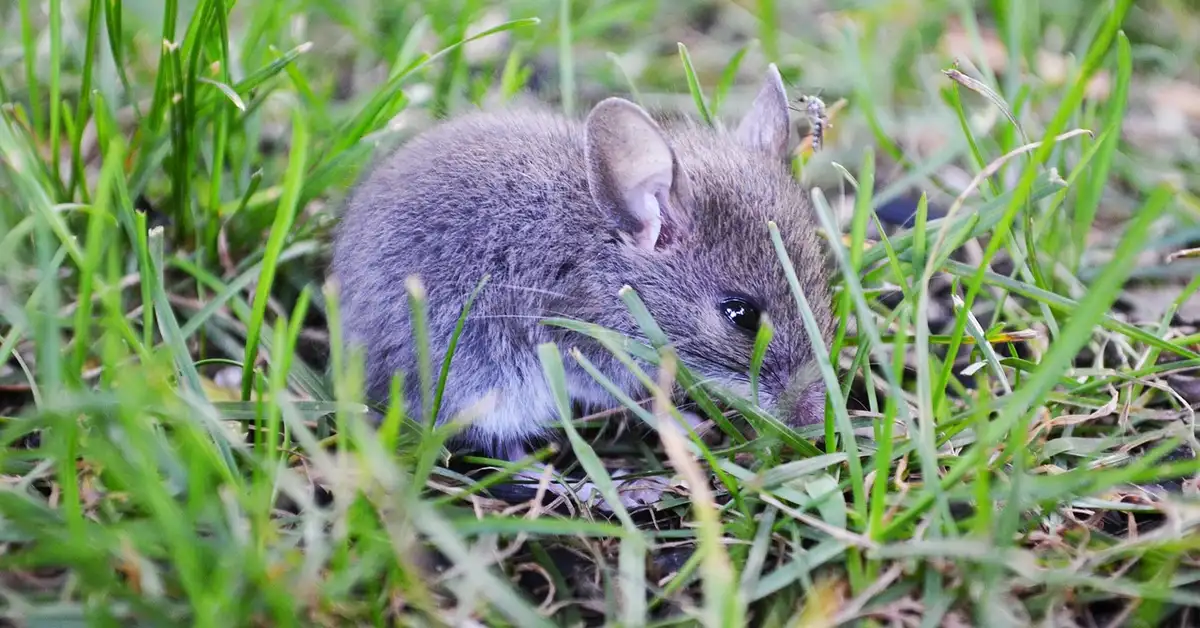
Wild mice don’t adhere to a strict calendar breeding season; instead, their reproduction is heavily influenced by resource availability and temperature. They are opportunistic breeders, meaning they will reproduce whenever conditions are favorable, which often leads to population booms in warmer months when food is plentiful. In a wild colony, you’ll typically find a polygynous mating system where one dominant male breeds with multiple females, though this can shift based on population density and competition. This leads to interesting dynamics when it comes to male versus female mice choosing mates.
Gestation Period and Birth Process
The mouse gestation period is remarkably brief, lasting only about 19 to 21 days. This short pregnancy allows wild populations to recover and expand quickly when environmental conditions are ideal. The mother will seek out the most secure, sheltered part of her nest to give birth, a process that usually happens swiftly and during the quietest part of the day or night. She will consume the placenta and any stillborn pups to keep the nest clean and avoid attracting predators. A week-by-week guide to mouse pregnancy can help you track key developmental milestones and maternal behaviors across these three fast weeks. Read on for a concise breakdown of what to expect from conception through birth.
Infant Stage: The First Two Weeks
Newborn mice, or pups, are born completely helpless-blind, deaf, and without fur. Their entire world for the first fortnight is the warmth of their mother and siblings and the milk she provides. During this period, the mother is intensely protective and may move her entire litter if she senses any threat to the nest. You’ll notice rapid physical changes:
- Day 3-4: Their skin darkens, and fur begins to appear.
- Day 10: Their ear canals open, allowing them to hear the world for the first time.
- Day 12-14: Their eyes finally open, revealing a brand new visual landscape.
Juvenile Stage: Weeks 3-6
This is the “teenage” phase, a period of explosive growth and learning. Weaning begins around week three, as pups start nibbling on solid foods their mother brings back to the nest while still occasionally nursing. Their play becomes more structured, involving chasing, wrestling, and gentle nibbling, which are critical for developing social skills and establishing future hierarchy. By week five or six, juveniles are fully weaned and functionally independent, though they may stay near the natal nest for a short while longer.
Adult Stage and Lifespan in the Wild
Reaching adulthood is a significant survival milestone in the wild. The average lifespan for a wild mouse is tragically short, often less than a year due to predation, disease, and environmental challenges. Those that survive become integral parts of the social structure, taking on roles like foraging, defending territory, or caring for subsequent litters. Their entire existence is a masterclass in energy conservation, focused on finding food, avoiding danger, and, if possible, reproducing.
Seasonal Variation in Mouse Behavior and Population Dynamics
Nocturnal Activity Patterns and Daily Rhythms
Mice are crepuscular, meaning their peak activity occurs at dawn and dusk. This timing is a strategic adaptation to avoid diurnal predators like hawks and nocturnal hunters like owls. Their daily rhythm is not a rigid clock but a fluid response to safety and hunger. In winter, you might see more daytime activity as they work harder to find scarce food, while summer nights are a frenzy of foraging and social interaction under the relative safety of darkness.
Habitat Selection and Burrow Systems
A wild mouse’s home is a complex, multi-roomed burrow or a seized nesting site, never a simple hole. They instinctively seek out locations that offer protection from the elements, concealment from predators, and proximity to food and water sources. A proper burrow system is meticulously organized and will typically include:
- A main nest chamber, lined with soft, shredded materials for warmth and comfort.
- Several food storage areas to cache seeds and other finds.
- Multiple escape routes to confuse and evade any intruders.
- A designated latrine area, kept separate from the living quarters to maintain hygiene.
Applying Wild Mouse Behavior to Pet Mouse Care
Creating Nest-Appropriate Habitats for Pet Mice
We can honor their wild instincts by providing the raw materials for them to construct their own secure nests. Offering a variety of safe, shreddable bedding and nesting materials allows a pet mouse to engage in the deeply satisfying, innate behavior of building a home. I provide my mice, like the cautious Gregory, with piles of unscented paper bedding, paper strip nesting material, and even plain, unbleached paper towels. They spend happy hours meticulously arranging everything to their exact specifications, which is a clear sign of a content and engaged mouse.
Supporting Natural Social Structure in Multi-Mouse Homes
Mice are inherently social, but their groups have a nuanced structure. In a captive setting, the most harmonious groups are typically small, single-gender bands of females or a carefully introduced trio of males who grew up together. I’ve observed this with my own trio; Kenny’s bold leadership is balanced by Gregory’s calm patience and Jeffery’s cheerful support, mirroring the roles you might see in a wild lineage. Providing multiple food bowls, water sources, and hideouts prevents competition and allows each mouse to find their comfortable place in the group’s dynamic.
Recognizing Stress Signs Related to Territory and Nesting
A mouse that feels insecure in its territory or nesting area will show clear, often subtle, signs of distress. Constant, frantic barbering of a cagemate’s fur or destructive over-grooming of themselves can be a major red flag for social or territorial stress. Other signs to watch for include:
- Hiding excessively and refusing to come out, even for favorite treats.
- Fighting that goes beyond normal play-wrestling, resulting in scratches or bites.
- Constantly rebuilding or moving their nest in an agitated manner.
- Guarding resources like the water bottle or a specific hideout.
Addressing this often involves rearranging the cage layout to disrupt established territorial disputes and adding more enrichment to reduce boredom and conflict.
Understanding Lifecycle Stages in Pet Mice
Mouse Lifecycle Stages in Captivity
Watching a mouse progress from a wiggling pink pup to a dignified elder is one of the most rewarding parts of being an owner. Their entire life is a beautiful, condensed journey, and recognizing each stage helps you provide the perfect care at the right time.
The first few weeks are a whirlwind of change. Newborns are completely dependent, but by three weeks they are miniature, fuzzy explorers. This juvenile phase is marked by boundless energy and a need to learn social skills from cage mates. My young mouse, Kenny, exemplified this, constantly testing boundaries and turning every toy into an adventure. Most baby mice begin leaving the nest and are weaned around three to four weeks old. By about four weeks they can usually fend for themselves.
- Baby (0-3 weeks): Eyes and ears open around two weeks; they begin nibbling solid food but still nurse.
- Juvenile (3-8 weeks): Rapid growth, intense play, and social hierarchy establishment; this is the prime time for gentle, positive human interaction.
- Young Adult (2-6 months): Physical maturity is reached; behavior stabilizes, and their unique personality fully blossoms.
- Mature Adult (6-12 months): A period of steady health and activity; your mouse is settled and confident in its environment.
- Senior (12+ months): Activity slows, fur may thin, and they often seek quieter, more comfortable spots for rest.
The transition into seniorhood is gradual. You might notice your mouse sleeping more, becoming less agile, or developing a preference for softer foods. Providing easy access to food, water, and cozy, low-placed sleeping areas becomes the cornerstone of compassionate care for an aging mouse. My older mouse, Gregory, now spends his afternoons in a specially arranged, low-entry hideout instead of climbing to his old favorite hammock.
Managing Breeding in Pet Mouse Populations
Accidental litters can happen in the blink of an eye, creating a challenging situation for any owner. The single most effective strategy is to house male and female mice separately from the moment they are weaned at about three to four weeks old. Pet stores can sometimes misgender young mice, so learning to sex them accurately yourself is a vital skill.
If you find yourself with an unexpected pregnancy, preparation is everything. The mother will need extra peace, privacy, and nutrition.
- Provide a deep layer of safe, soft bedding and a secure, enclosed hide for her to build a nest.
- Supplement her diet with high-protein foods like scrambled egg, cooked chicken, or mealworms.
- Resist the urge to check on the babies for at least the first two weeks; disturbance can cause a stressed mother to neglect or harm her pups.
Finding loving, responsible homes for a litter of ten or more babies is a significant undertaking. Responsible ownership means preventing unplanned breeding to ensure every mouse born has a guaranteed, high-quality life.
Dealing with Nest Parasites and Health Issues
A mouse’s nest is their sanctuary, but it can also become a hotspot for tiny, uninvited guests. Regular, thorough cage cleaning is your first and most powerful defense against parasites like mites and lice. These pests can cause intense itching, hair loss, and skin sores, making your pet miserable.
Be on the lookout for frequent scratching, scabs (often along the back or behind the ears), or a generally unkempt coat. If you suspect parasites, a visit to an exotic veterinarian is non-negotiable; they can provide safe, species-specific treatment that over-the-counter products cannot guarantee.
- Mites: Often microscopic, they cause flaky skin and persistent scratching.
- Lice: Tiny visible insects or nits (eggs) attached to hair shafts.
- Respiratory Issues: Sneezing, wheezing, or porphyrin (red crust) around the eyes/nose can signal an environmental irritant like dusty bedding.
Beyond parasites, a dirty nest can lead to more serious conditions like respiratory infections or bumblefoot, a painful swelling on the feet. I’ve found that a consistent weekly cleaning schedule, using low-dust paper bedding, and providing a varied diet keeps my mice like the cheerful but sensitive Jeffery in robust health.
Wild Mice Near Your Home: What Pet Owners Should Know
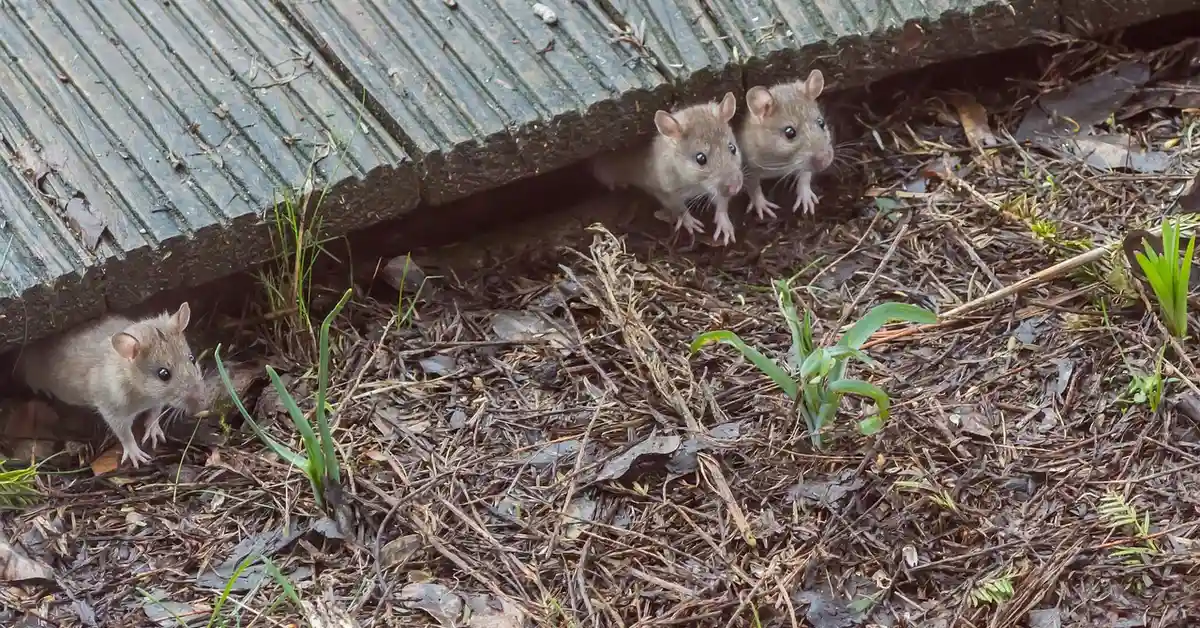
Discovering wild mice live near your home can spark immediate concern for your pet’s safety. Wild mice can carry diseases and parasites that are transmissible to your captive-bred pets, creating a serious health risk. They are also driven by a powerful survival instinct that your pampered pet mouse lacks.
The primary threat is indirect contact. Wild mice can contaminate your pet’s food, bedding, or even the air in the room with their droppings and urine. Always store your mouse’s food in sealed, chew-proof containers, and never use materials from outdoors in their cage. Such contamination can transmit pathogens that cause zoonotic illnesses in humans and pets. Consult a guide on dangerous zoonotic diseases from wild mice for practical prevention and cleanup steps.
- Disease Transmission: Wild rodents can carry viruses and bacteria without showing symptoms.
- Parasite Introduction: Mites or fleas from a wild mouse can find their way to your pet’s habitat.
- Stress: The scent or sounds of a wild mouse can cause significant anxiety for your pets, disrupting their peaceful routine.
Focus on creating a secure barrier between the wild and the domestic. Inspect the room where you keep your mice for any small gaps or holes in walls or around pipes, and seal them promptly. Check neighboring spaces — walls, attics, and crawl spaces — for signs of rodents and seal any entry points. If you discover an infestation, treat it promptly or call a pest control professional to keep wild mice away. Maintain a clean environment free of accessible food scraps that might attract wild visitors. Your home is your pet mouse’s territory; your job is to be the steadfast guardian of its borders.
Frequently Asked Questions
How does the mouse nest lifecycle vary in California’s climate?
In California’s diverse climates, from coastal areas to inland valleys, wild mice experience milder winters and extended warm periods, which can lead to year-round breeding and nest activity. This means nests are frequently built, maintained, or reused across seasons, with less downtime compared to colder regions, as mice take advantage of consistent food sources and shelter opportunities.
For pet mouse owners, this underscores the need to provide ample nesting materials and monitor for continuous nesting behaviors, ensuring your pets can engage in natural activities regardless of the season. Emulating this adaptability in captivity helps support their well-being by aligning with instincts shaped by such environments.
What does a mouse nest lifecycle diagram typically illustrate?
A mouse nest lifecycle diagram visually outlines key phases, starting with nest construction using gathered materials, progressing through usage for breeding and pup rearing, and ending with abandonment or reuse. It often highlights transitions, such as how nests are adapted for different lifecycle stages, like adding insulation for newborns or expanding for growing juveniles.
Understanding this flow can guide pet owners in creating dynamic habitats that encourage natural behaviors, such as offering reusable nesting sites and varying enrichment to mirror the diagram’s stages. This approach fosters mental stimulation and physical health in captive mice.
What insights can pictures of mouse nest lifecycles provide?
Pictures of mouse nest lifecycles offer a tangible look at how nests change over time, revealing details like material selection, structural adjustments for safety, and signs of wear from use. They can showcase the progression from a simple shelter to a complex home used for multiple generations, emphasizing the nest’s role in survival and reproduction.
For pet care, these visuals inspire owners to replicate such complexity by providing diverse, safe materials that allow mice to build and modify nests, promoting instinctual behaviors. This can lead to healthier, more engaged pets that exhibit natural nesting rhythms.
Your Path Forward
Seeing your pet mice through the lens of their wild instincts transforms routine care into a deeply enriching experience for both of you. Their drive to build a secure nest, patrol their territory, and follow their natural life rhythms is not just biology—it’s the core of their personality and well-being. Understanding their social nature, such as how mice form bonds and mate for life, adds another layer to their complex behavior.
By thoughtfully providing for these innate needs with ample bedding, space to explore, and a predictable routine, you create an environment where your tiny companions can truly flourish. You are not just a pet owner; you are a guardian of their miniature world, and watching them live out their natural behaviors is one of the greatest joys of sharing your home with them.
Further Reading & Sources
- What Does a Mouse Nest Look Like?
- How to Find and Identify a Mouse Nest
- Mouse Nest Removal | Where Do Mice Nest in House
Isabella is a passionate small pet enthusiast with over 8 years of experience in caring for mice. She loves sharing practical tips and heartfelt stories to help fellow mouse owners provide the best care for their tiny companions.
Understanding Mice Behavior