
Male vs. Female Mice: Which Gender Should You Choose?
Are you torn between selecting a male or female mouse, concerned about which one will fit best into your home and lifestyle?
This guide will clear up the confusion and give you the confidence to make the right decision. We’ll break down the key personality traits and social habits of each gender, outline their specific care and housing needs, and provide practical advice to align your choice with your daily routine.
How Male and Female Mice Differ in Behavior and Temperament
What to Expect from Male Mouse Behavior
Male mice, often called bucks, typically present a more laid-back and cuddly personality as they mature. You will often find an adult male mouse is more inclined to sit calmly in your hand for a gentle petting session than his female counterpart. They tend to be less frantically active, making them wonderful companions for quiet observation and handling. My own mouse, Gregory, perfectly embodies this calm, steady demeanor, often preferring a peaceful exploration of the couch over a high-speed wheel session.
This mellower nature does come with a notable behavioral trait: scent marking. Male mice use urine to mark their territory, which results in a more noticeable and musky odor in their habitat. This is a natural behavior, not a sign of a dirty cage, but it does mean their home will need more frequent cleaning to stay fresh. You will also notice they are often content with solitary living, showing less inherent drive to be part of a large, bustling group.
What to Expect from Female Mouse Behavior
Female mice, or does, are the energetic athletes and social butterflies of the mouse world. You can expect a group of female mice to be in near-constant motion, transforming their enclosure into a dynamic playground of climbing, tunneling, and foraging. They are intensely curious and intelligent, quickly mastering puzzle toys and new layouts. Watching my mice Kenny and Jeffery interact with their more active female companions in the past was a lesson in pure, unbridled rodent enthusiasm. Their playful interactions reveal mouse psychology — dominance, bonding, and problem-solving all show up during play. Providing varied toys lets you observe these behaviors and keeps them mentally and socially stimulated.
Their social needs are profoundly different from males. Female mice thrive in groups and can become stressed or lonely if kept alone, making them a perfect choice if you dream of a lively, interactive colony. They establish intricate social hierarchies and communicate with a symphony of soft squeaks and chirps. While generally less odorous than males, a group of females will still require a dedicated cleaning routine, as their high activity level and metabolism lead to a surprising amount of waste.
Housing Requirements: Can You Keep Multiple Mice Together?
Housing Male Mice: Solo Living and Special Considerations
Housing male mice requires a careful and often different approach than for females. The most critical rule for male mice is that unrelated adult males should almost never be housed together. Once they reach sexual maturity, their territorial instincts kick in fiercely, and introducing a new cage-mate almost always leads to violent, injurious fights.
Your best and safest option is to keep a single male mouse. Providing a solo male with ample space, a deep layer of bedding for burrowing, and a constant rotation of engaging toys will ensure he lives a stimulated and content life. Focus on your bond with him through daily handling and out-of-cage exploration time. When you let him explore, use a secure, escape-proof playpen set up with tunnels, hiding spots, and safe chew toys to keep him stimulated and protected. Supervise play and remove any hazards. The only exception is if you can acquire a group of brothers from the same litter who have never been separated; even then, you must watch for any signs of bullying as they age and be prepared to separate them immediately.
- House male mice alone or with littermates from birth.
- Provide a minimum of 10 gallons of tank space per mouse, but bigger is always better.
- Essential items include a solid-surface exercise wheel, multiple hiding spots, and chew toys.
- Clean the habitat more frequently to manage scent-marking odors.
Housing Female Mice: Group Living Success
Female mice are naturally communal creatures and housing them alone is not recommended. You will find that a small group of three or more females creates a harmonious and endlessly entertaining social unit. They sleep in piles, groom each other, and play together, fulfilling their deep-seated need for companionship. Introducing new females to an established group is possible with a proper, neutral-territory introduction process. This guide on keeping all-female (doe) colonies provides practical tips on group size, enrichment, and health monitoring. It also includes step-by-step instructions for neutral-territory introductions to help maintain harmony.
Because of their social and active nature, their housing needs emphasize space and enrichment. A spacious enclosure with multiple levels, ropes, tunnels, and wheels is non-negotiable for a group of female mice to prevent boredom and squabbles. Mice are communal nesters and will often pile together, so provide plenty of nesting material and multiple nesting spots. I always include at least two of every resource—water bottles, food dishes, wheels—to avoid any competition that could disrupt the peace. Watching them utilize every inch of their home is one of the great joys of keeping these intelligent animals.
- Always house female mice in groups of three or more.
- Select a large enclosure, such as a 20-gallon long tank or larger, for a group of three.
- Fill the habitat with a variety of enrichment: climbing structures, different substrates, and foraging puzzles.
- Perform introductions slowly in a neutral area that smells like neither mouse.
Sexing Mice: How to Tell Male and Female Mice Apart
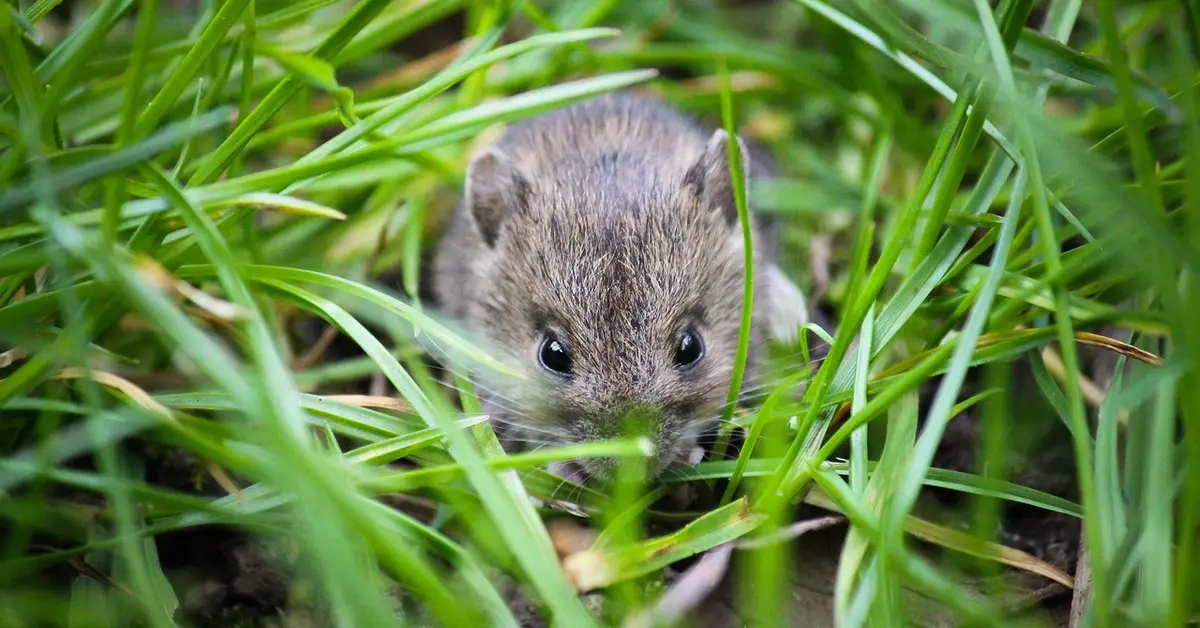
Determining the gender of your tiny companions is a fundamental first step. With a gentle and confident approach, you can easily learn to identify the key physical markers that distinguish boys from girls. Always handle your mice calmly, supporting their full bodies, and perform these checks on a safe, flat surface.
For mice over four weeks old, the most reliable method involves examining their underside.
- Observe the Anogenital Distance: This is the space between the anus and the genital opening. In males, this distance is significantly larger. In females, the two openings are positioned very close together.
- Look for Nipples: This is a tell-tale sign, but it can be tricky on very furry or young mice. Female mice have a visible row of nipples along their belly, while males do not.
- Check for Testes: In mature males, the testicles are quite prominent and located just below the base of the tail. They can look like two small, furry bumps and may retract if the mouse is stressed or cold.
For younger pups, the anogenital distance remains the most consistent indicator. I find that using a small, warm flashlight to backlight a pink-skinned baby mouse can make these tiny features much clearer to see. If you are ever uncertain, your veterinarian can provide a definitive answer.
Health Differences and Veterinary Care Considerations
Male and female mice have distinct biological systems, which naturally lead to different health predispositions. Being aware of these potential issues from the start allows you to be a more proactive and observant caretaker. Regular handling helps you notice subtle changes in weight, texture, or behavior that signal a vet visit is needed.
Male Mouse Health: What to Monitor
Male mice, like my bold Kenny, are generally robust but have specific areas that need your watchful eye.
- Scent Gland Issues: Males have a prominent scent gland on their belly that can become clogged or infected, forming a “greasy” or waxy buildup called a “stud tail.” Gently wiping the area with a warm, damp cloth during regular handling can help prevent this.
- Fighting Injuries: Housing males together can lead to territorial disputes and serious wounds. You must be prepared to separate fighting males immediately into their own permanent, solitary enclosures to prevent injury.
- Respiratory Infections: While both genders are susceptible, stress from social conflict can make males more vulnerable. Listen for any clicking or wheezing sounds when they breathe.
Female Mouse Health: What to Monitor
Female mice are wonderfully social but face their own unique health challenges.
- Mammary Tumors: This is the most significant health concern for female mice. Regularly feel along your female mouse’s sides and belly for any unusual lumps or bumps, as early detection is critical for successful treatment. These tumors can be common but are often operable if caught early.
- Urinary Tract Infections (UTIs): Females seem slightly more prone to UTIs. Watch for signs like straining to urinate, blood in the urine, or a hunched posture indicating pain.
- Ovarian Cysts: These can develop in older females and may cause abdominal distension or fur loss. A veterinarian can diagnose these with an ultrasound.
Regardless of gender, establishing a relationship with an exotics-savvy veterinarian is one of the best things you can do for your pet. I make it a habit to do a quick “health check” during cuddle time, feeling for lumps and noting their overall energy and appetite, which has helped me catch problems early on more than one occasion.
Daily Care and Handling: Which Gender Fits Your Lifestyle?
Your daily routine and how much hands-on interaction you want will heavily influence which gender is your ideal match. The choice between a laid-back companion and a dynamic, playful troupe comes down to your personal energy and schedule.
Handling and Interaction
Male mice often develop a deep, trusting bond with their primary caregiver. My boy Kenny, for instance, will readily climb into my hand and seems to genuinely enjoy a gentle petting session. Male mice frequently become “lap mice,” content to sit with you as you read or watch television. They can learn to recognize their owners by scent, voice, and routine, and will often respond by approaching or staying close. This recognition helps explain why some mice show clear affection toward specific people. Their calmer disposition makes them wonderful for someone seeking a pet to hold and cuddle.
Female mice are bundles of energy and curiosity. Handling them is less about quiet cuddles and more about interactive play. You become their jungle gym, a fascinating landscape to be explored with tiny, tickling feet. They are incredibly fun to watch as they navigate your arms and shoulders, but they rarely stay still for long. Knowing the traits of different fancy mouse breeds helps explain why some females are especially lively or bold. Understanding these breed differences makes it easier to choose and care for mice whose personalities suit you.
Maintenance and Habitat Upkeep
The most significant practical difference you will notice is in cage maintenance and odor.
- Male Mice: Males produce more potent urine, leading to a stronger, muskier scent. You will need to be diligent with spot-cleaning soiled areas every few days and perform a full cage clean weekly to manage the odor.
- Female Mice: Females are remarkably clean, and their waste has a much milder odor. While you should still clean their habitat regularly, the urgency is less. A full clean every 10-14 days is often sufficient if you do light spot-cleaning.
Social Dynamics and Enrichment
Your approach to their social life is another key consideration.
- Male Mice: House males alone after weaning. They are territorial and will almost certainly fight, sometimes to the death, if housed with other males. Your attention becomes their primary social enrichment.
- Female Mice: Females thrive in groups, or “sororities.” Watching my girls interact is like watching a tiny, complex soap opera. You are providing for an entire social ecosystem, which is incredibly rewarding to observe. Their cage needs more hides and multiples of everything (water bottles, food bowls) to prevent squabbles.
Making Your Decision: Which Mouse Gender Matches Your Situation?
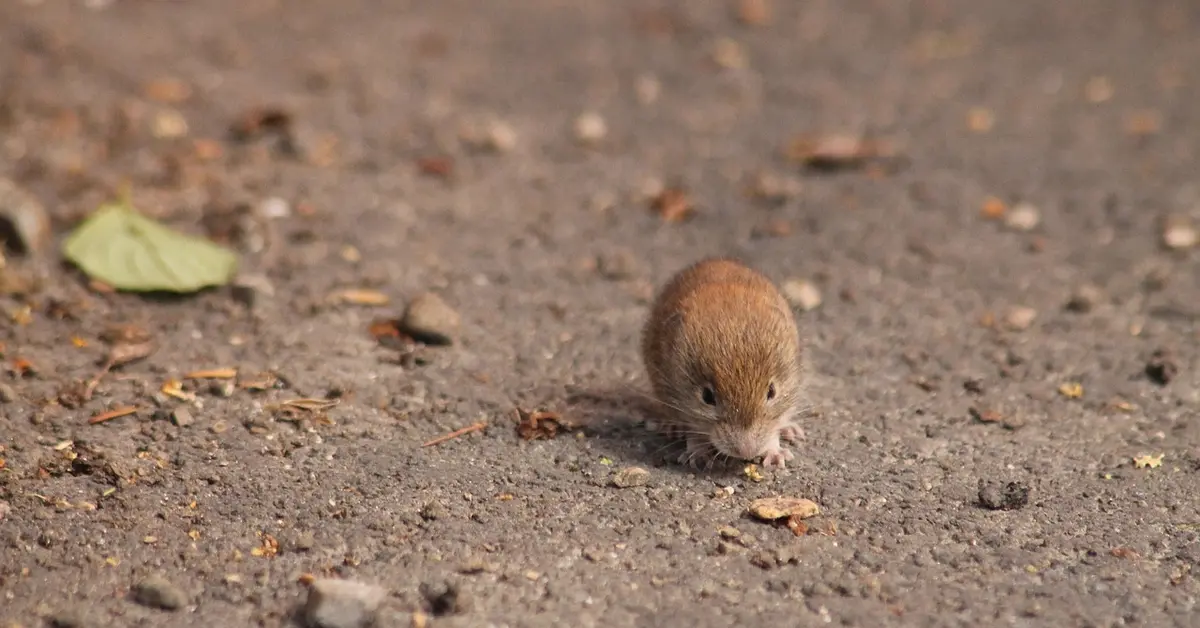
Let’s break down common pet owner profiles to help you see where you fit.
| Your Situation | Recommended Gender | Reasoning |
|---|---|---|
| First-time mouse owner, especially a family with young children | Female (a small group) | Their milder odor and social nature make them more forgiving and entertaining for beginners. The reduced smell is a major plus for indoor living. |
| Someone seeking a calm, handleable companion | Male (a single mouse) | You want a pet that will bond with you and enjoy being held. The male’s laid-back personality is perfect for quiet companionship. |
| An observer who loves watching natural behaviors | Female (a small group) | A sorority of females provides endless entertainment with their social hierarchies, playful chasing, and communal nesting. |
| An owner with a sensitive nose or limited time for frequent cleaning | Female | The significantly lower odor and less demanding cleaning schedule of female mice cannot be overstated for this situation. |
| Someone who wants just one pet to focus all their attention on | Male | A single male mouse will form a powerful bond with you, seeing you as his sole companion and source of social interaction. |
Think about your own life and what you hope to get from pet ownership. There is no universally “better” gender, only the one that is better for you and your home. Both will fill your life with a unique kind of joy; it just depends on whether you prefer the gentle purr of a contented male or the delightful chaos of a female mischief.
Frequently Asked Questions
What are male and female mice called?
Male mice are commonly referred to as bucks, while female mice are called does. These terms help distinguish between the genders in discussions about behavior, care, and breeding, and they are often used by pet owners and breeders alike.
Is there a size difference between male and female mice?
Yes, male mice are generally larger and heavier than females once they reach adulthood. Males tend to have a more robust build, which can be noticeable in their broader heads and bodies, while females are typically more slender and petite in comparison. Male mice also often produce stronger scent secretions—sometimes referred to as “buck grease”—that they use for territory marking and attracting mates. Because of this and their larger size, males can both smell and appear more conspicuous than females.
How do you wean male and female mouse pups?
Weaning typically occurs around 3-4 weeks of age for both male and female pups, as they start eating solid food and rely less on their mother’s milk. It’s crucial to separate male pups from females and their mother at this stage to prevent unintended breeding and to house males individually or with littermates to avoid territorial fights as they mature.
Your Path Forward
The best choice for your home ultimately rests on the kind of companionship you envision. Male mice often become gentle giants, content with a calm cuddle, while female mice typically maintain a playful, energetic spirit, creating a bustling community of activity. There is no universally superior option, only the right fit for your lifestyle and expectations. Remember that mice are social animals: their mating patterns and social hierarchies shape daily interactions. Observing these behaviors can help you choose companions that fit your household.
Trust your instincts after considering the unique dynamics each gender brings to your life. Whether you welcome a laid-back gentleman or a troupe of lively explorers, you are embarking on a deeply rewarding journey. Your patience and care will build a wonderful bond, no matter which wonderful mouse, or mice, you choose to share your space with.
Further Reading & Sources
- AFRMA – Sexing 101 (sexing rats and mice)
- How to Tell if a Mouse Is Male or Female: 7 Steps (with Pictures)
- r/PetMice on Reddit: Males vs Females Personality and Also Mice as Pets in General
Isabella is a passionate small pet enthusiast with over 8 years of experience in caring for mice. She loves sharing practical tips and heartfelt stories to help fellow mouse owners provide the best care for their tiny companions.
Understanding Mice Behavior