
Mammary Tumors in Female Mice: A Caring Owner’s Guide
Have you ever felt a sudden lump on your female mouse and wondered what it means for her future? As someone who has nurtured many mice through health challenges, I know that moment of concern all too well, and I’m here to walk you through this with clear, compassionate advice.
This guide will help you spot early signs and make informed decisions, covering how to identify mammary tumor symptoms before they escalate, the steps for a proper veterinary diagnosis and what to expect, and daily care adjustments to keep your mouse comfortable and supported.
What Are Mammary Tumors in Female Mice?
Mammary tumors are abnormal growths that develop within the milk-producing tissue of your female mouse. These growths are extremely common in female pet mice due to their unique biology and hormonal influences. Unlike many other pets, a mouse’s mammary tissue isn’t confined to just the chest area; it extends in two wide bands along the entire underside of the body, from the chin down to the tail base. This means a lump can appear almost anywhere on her belly or sides.
Veterinarians classify the vast majority of these growths as benign fibroadenomas. While the word “benign” sounds reassuring, it doesn’t mean these tumors are harmless; they can grow very large and significantly impact your mouse’s quality of life. They are not typically cancers that spread to other organs, but they act as a space-occupying mass, putting pressure on everything around them.
From my own experience, I’ve learned that these tumors are driven heavily by hormones, particularly prolactin and estrogen. This hormonal link is why you’ll see them almost exclusively in female mice and why their development can be influenced by a mouse’s reproductive history. It’s a subject I’ve had to research extensively after finding a lump on a beloved pet, and understanding the “why” behind it was the first step in helping her.
How Do Mammary Tumors Look and Feel on Your Mouse?
Early detection is your most powerful tool, and it starts with knowing what to look and feel for. Regular, gentle handling is not just for bonding; it’s a critical health check that lets you become familiar with your mouse’s normal body shape. I make it a habit to gently stroke my mice’s bellies and sides during our daily interactions, which helps me notice the slightest change. To make these checks easy to remember, I follow a simple daily mouse care checklist. Here are 5 quick tips to include in your routine.
The physical characteristics of a mammary tumor can vary, but they often follow a recognizable pattern.
- Location: Check for lumps anywhere along the mouse’s underside. Common spots are the armpits, along the flanks, and near the groin. I once found a small, pea-sized lump near my mouse Kenny’s back leg that turned out to be the very beginning of a tumor.
- Size and Shape: They often start as a tiny, pea-sized nodule you can just barely feel. They are typically round or oval and feel well-defined at first, not like a general swelling.
- Texture: A developing mammary tumor usually feels firm, rubbery, and movable under the skin. You can often gently roll it between your fingers. It should not feel rock-hard or be painfully fixed in place.
- Growth Rate: The speed of growth is highly variable. Some tumors remain small and slow-growing for weeks, while others can seem to enlarge noticeably within a few days. This unpredictability is why weekly checks are so vital.
As a tumor grows, its appearance will change, and you may observe these secondary signs.
- The overlying skin can become stretched, thin, and hairless.
- Very large tumors may cause a visible, asymmetrical bulge that alters your mouse’s silhouette.
- You might notice the mouse having difficulty moving, climbing, or grooming the area.
- In advanced cases, the skin can ulcerate, meaning it breaks open. This is a serious development that requires immediate veterinary attention.
Remember, you are not looking for trouble; you are practicing proactive, loving care. Finding a lump can be frightening, but identifying it early gives you and your veterinarian the most options and the best chance to help your little friend stay comfortable and happy.
What Signs and Symptoms Should You Watch For?
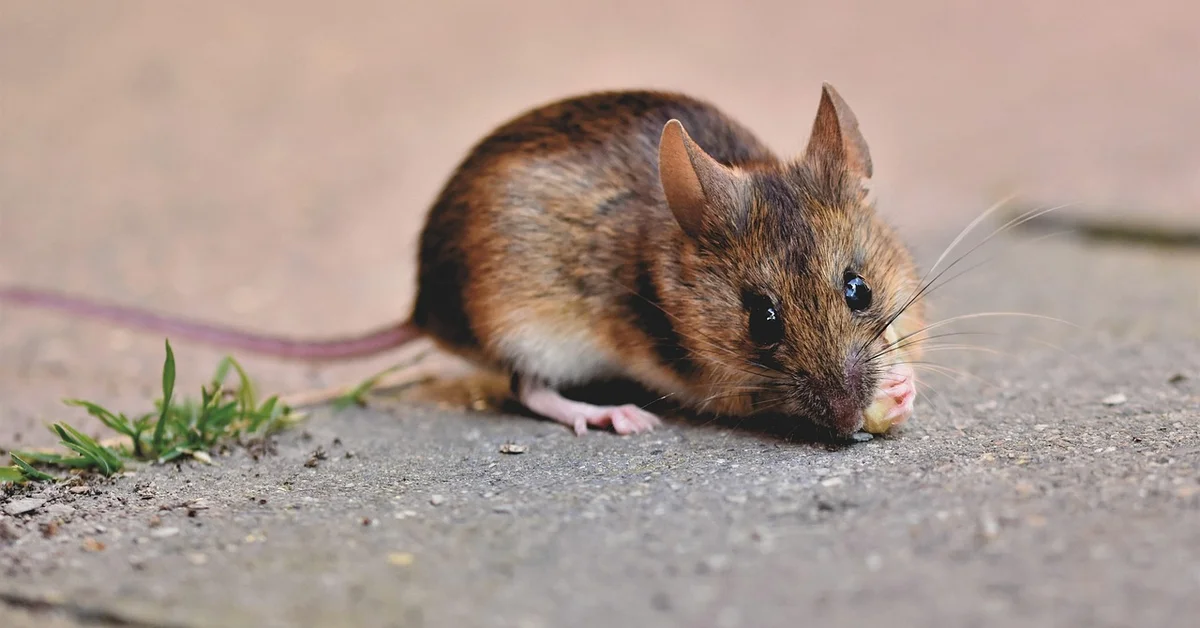
You might notice subtle changes in your mouse’s behavior or appearance that signal something is amiss. Early detection often makes a significant difference in managing your mouse’s health and comfort. Use this visual guide to the universal signs of a sick mouse to learn what to look for at a glance. It highlights common visual cues—changes in posture, coat condition, eyes, nose, and breathing—that can indicate a problem.
- Visible or palpable lumps along the belly, chest, or groin areas, which can feel firm or movable under the skin.
- Reduced activity levels, such as less climbing or exploring, and increased time spent resting or hiding.
- Changes in appetite or water intake, including eating less or showing disinterest in favorite treats.
- Weight loss or a hunched posture, which may indicate discomfort or pain from the tumor’s growth.
- Difficulty moving or grooming, leading to a ruffled or unkempt coat in hard-to-reach spots.
How to Check Your Mouse for Lumps at Home
Performing a gentle check at home helps you stay proactive about your mouse’s well-being. Always approach this process with calm, slow movements to keep your mouse feeling secure and stress-free. A quick at-home check—looking at weight, coat, breathing, eyes and activity—can reveal early signs of illness. Regular checks make it easier to catch problems early and seek veterinary care if needed.
- Choose a quiet time when your mouse is relaxed, perhaps after a light nap or during a calm handling session.
- Hold your mouse gently in one hand, supporting its entire body, and use your other hand to softly feel along its underside from neck to tail.
- Apply very light pressure with your fingertips, checking for any unusual bumps, swellings, or areas that feel different from the surrounding tissue.
- Note any reactions from your mouse, such as flinching or squeaking, which could point to tenderness or pain in a specific spot.
- Repeat this check weekly, ideally during routine bonding time, to establish a baseline and catch changes early.
Why Do Female Mice Develop Mammary Tumors?
Female mice have mammary tissue that extends across much of their body, making them more prone to tumors in these areas. Hormonal influences, particularly from estrogen, play a key role in why these growths are so common in unspayed females.
Genetics can predispose certain mice to develop tumors, much like in my own experience with past pets where some lines seemed more affected. Age is another factor, as older female mice have a higher likelihood of tumor development due to cumulative cellular changes over time.
Environmental and dietary elements might contribute, though research is ongoing. Providing a balanced diet and minimizing stress can support overall health, even if it doesn’t entirely prevent tumors.
What Happens at the Veterinary Exam?
Your vet will start with a thorough physical examination, much like the at-home check but with professional expertise. They will palpate your mouse’s body carefully to assess the size, location, and texture of any lumps found. You can mirror these steps during your weekly home health check by gently feeling for any new lumps or changes in size or firmness. Regular at-home checks help you catch issues early and give your vet useful information between appointments.
- Discussion of your mouse’s history, including diet, behavior changes, and when you first noticed symptoms.
- Possible diagnostic tests, such as a fine-needle aspiration or biopsy, to determine if the tumor is benign or malignant.
- Imaging options like ultrasound might be used to see the tumor’s depth and impact on surrounding organs.
- Review of treatment paths, which could include monitoring, medication for comfort, or surgical removal if deemed safe and necessary.
Vets often explain the pros and cons of each option, helping you make an informed choice for your mouse’s quality of life. Bringing a list of questions and notes about your observations ensures you cover all concerns during the visit. At your mouse’s first vet visit, the vet will likely review those notes and perform a brief physical exam. Expect discussion of preventive care, handling tips, and any treatment options.
What Treatment Options Exist for Mammary Tumors?
Surgical Removal and What to Expect
Surgery is often the primary route for dealing with a mammary tumor, especially if it’s detected while still small. The goal is to remove the entire mass with clean margins to prevent it from growing back. I’ve been through this procedure with a mouse, and while it’s nerve-wracking, a skilled exotics veterinarian can perform it successfully. Your mouse will be placed under general anesthesia, and the surgery itself is usually quite quick. The most critical part is the recovery. You’ll need to provide a clean, quiet environment and monitor the incision site closely for any signs of infection or the mouse bothering the stitches.
Post-surgery care is a hands-on process that requires your full attention. You must ensure your mouse is eating, drinking, and passing droges normally after she wakes up. I often offer favorite soft foods like baby food or soaked lab blocks to encourage eating. Pain management is also a key part of the recovery, and your vet will likely prescribe a pain reliever. Keep a close eye on her behavior; a return to normal grooming and exploring her cage is a wonderful sign she’s feeling better.
Chemotherapy and Other Medical Treatments
While less common than surgery, certain medical treatments can be considered for mammary tumors. Chemotherapy is not a standard protocol for mice due to their small size and short lifespan, but in some specific cases, a veterinarian might suggest it. This approach is highly individualized and depends on the tumor type, your mouse’s overall health, and your vet’s specialized experience. The treatments are typically administered in very low, carefully calculated doses.
Other medical options might include hormonal therapies or anti-inflammatory drugs. These aren’t cures, but they can sometimes slow a tumor’s growth or improve your mouse’s comfort level. It’s a complex decision, and a deep discussion with your vet about the potential benefits versus the stress of treatment is necessary. The well-being of your tiny friend is always the top priority.
Palliative Care When Surgery Isn’t an Option
There may come a time when surgery is too risky due to the tumor’s location, your mouse’s age, or other health complications. In these situations, the focus shifts entirely to palliative care-maximizing quality of life. Palliative care is an active and loving commitment to keeping your mouse comfortable and happy for as long as possible. This involves managing pain with veterinarian-prescribed medication and making daily life easier for her.
Your role becomes one of a gentle caretaker. Simple adjustments to her habitat can make a world of difference.
- Provide easy access to food and water by placing dishes near her favorite resting spot.
- Use softer, paper-based bedding to prevent irritation on the tumor site.
- Offer a diet of her most-loved, easy-to-eat foods to maintain her strength and spirit.
- Spend time with her, offering gentle pets and speaking in a calm voice.
The smallest comforts, from a warm snuggle to a tasty treat, become the most meaningful parts of her day.
What Is the Prognosis After Diagnosis?
The outlook for a mouse with a mammary tumor is highly variable and depends on several key factors. The single biggest factor influencing prognosis is whether the tumor is completely removed via surgery before it invades surrounding tissue. When caught early and excised fully, many mice go on to live a full, normal lifespan without recurrence. The type of tumor also matters; some are benign and slow-growing, while others can be more aggressive. Tumors in other parts of the body can behave quite differently—some sites are more prone to metastasis or are harder to remove completely. As with mammary tumors, early detection and accurate diagnosis remain critical for guiding treatment and improving outcomes.
Your mouse’s overall health and age at diagnosis also play a significant role. A younger, otherwise healthy mouse will typically have a much better prognosis and recover more robustly from surgery than an elderly mouse with other health concerns. I’ve seen spry older mice like Gregory handle procedures well, but their recovery might just take a little more time and TLC.
It’s vital to maintain realistic hope. Even with a successful surgery, there is always a chance a new tumor could develop, as the tissue predisposition remains. Vigilant, weekly health checks are your best tool for catching any new changes at the earliest, most treatable stage. Celebrate every good day, every eager bite of food, and every moment of playful exploration. These are the true measures of a life well-lived, regardless of the diagnosis.
How Do You Care for Your Mouse During and After Treatment?
Navigating your mouse’s health journey requires a gentle, attentive approach that prioritizes her comfort and quality of life. Your primary role shifts from just an owner to a dedicated caregiver, and your daily observations become the most critical tool for her wellbeing. A mouse quality-of-life framework gives structure to those observations. By tracking mobility, appetite, grooming, and social behavior, it helps you spot changes early and make informed care decisions.
Creating a Comfortable Recovery Space
After any medical procedure, your mouse needs a safe, easy-to-navigate habitat. I temporarily modified my mouse Gregory’s cage after a minor health scare, and the difference in his recovery speed was remarkable. A simple home hospital cage — with soft bedding, shallow food and water dishes, and a warm hide — made it much easier to care for him during recovery.
- Use low-entry food and water dishes to prevent straining.
- Provide extra-soft, unscented paper-based bedding.
- Remove tall platforms, ropes, and wheels to prevent climbing.
- Ensure the habitat is on a single level with no obstacles.
- Maintain a consistent, warm room temperature away from drafts.
Monitoring and Administering Medication
Sticking to the veterinary-prescribed schedule is non-negotiable. I’ve found that mixing liquid medication with a tiny drop of banana baby food makes the process much less stressful for both of you. Always use the syringe provided by your vet to ensure accurate dosing.
- Keep a written log of medication times and doses.
- Watch for changes in eating, drinking, and bathroom habits.
- Check the surgical site daily for redness, swelling, or discharge.
- Weigh your mouse every few days to monitor weight stability.
Supporting Nutrition and Hydration
A recovering mouse needs easy access to high-energy, palatable foods. Her usual diet might not be appealing, so offering softer, smellier options can encourage eating.
- Soak her regular lab blocks in water or unflavored Pedialyte to create a soft mash.
- Offer high-value treats like cooked plain chicken, scrambled egg, or avocado.
- Ensure water is always available; consider a shallow dish if she struggles with a bottle.
- Hand-feeding favorite items can stimulate her appetite and strengthen your bond.
Can You Prevent Mammary Tumors in Female Mice?
While a 100% guarantee isn’t possible due to strong genetic factors, you can significantly influence your mouse’s overall health profile through thoughtful lifestyle choices. Think of prevention as stacking the odds in her favor, creating an environment where wellness can thrive.
Dietary Considerations for Long-Term Health
What you feed your mouse from a young age sets the foundation for her entire life. A balanced diet supports a robust immune system and helps maintain a healthy weight. Over time, those early dietary choices shape her long-term health, affecting lifespan, metabolism, and susceptibility to disease. Consistently poor nutrition can lead to obesity and other chronic problems, while a balanced diet promotes longevity and vitality.
- Feed a high-quality, nutritionally complete lab block as the dietary staple.
- Limit high-fat seeds and nuts to occasional treats only.
- Incorporate fresh vegetables like broccoli, carrots, and leafy greens.
- Avoid sugary fruits, dairy products, and processed human foods entirely.
- Ensure constant access to fresh, clean water.
The Impact of Spaying (Ovariohysterectomy)
Elective spaying performed at a young age is the single most impactful decision you can make. This procedure removes the ovaries and uterus, drastically reducing the estrogen that fuels mammary tumor development.
- Spaying before six months of age offers the greatest protective benefit.
- The surgery eliminates the risk of uterine infections and other cancers.
- It requires finding an experienced exotics veterinarian.
- While there is surgical risk, it is often outweighed by the long-term health gains.
Lifestyle and Environmental Factors
A stimulating, low-stress life contributes to a healthy hormonal balance and strong immune function. My mouse Jeffery, though anxious, has flourished in a predictable routine. If he seems scared I give him hiding spots and calm, gentle handling. Those simple measures help reduce his fear and build confidence over time.
- Provide a spacious, clean habitat with multiple hiding spots.
- Maintain a consistent light-dark cycle to support natural rhythms.
- Offer appropriate chew toys and foraging opportunities for mental engagement.
- Prevent obesity through diet control and safe exercise options.
- Minimize loud noises and sudden environmental changes that cause stress.
Ultimately, the most powerful preventive tool is your own attentive observation, catching subtle changes in behavior or physique during your daily interactions. This proactive awareness, combined with a healthy lifestyle, gives your female mouse the best possible defense.
Frequently Asked Questions
What is mouse mammary tumor virus?
Mouse mammary tumor virus (MMTV) is a retrovirus that can contribute to the development of mammary tumors in certain strains of mice, primarily in laboratory settings. It works by inserting its genetic material into the host’s DNA, potentially triggering abnormal cell growth. However, in pet mice, mammary tumors are more commonly linked to hormonal and genetic factors rather than viral infection, so MMTV is not a primary concern for most owners.
How is mouse mammary tumor virus transmitted?
MMTV is typically transmitted from an infected mother mouse to her offspring through milk during nursing. It can also spread through close contact with infected bodily fluids, such as saliva. For pet mouse owners, the risk is low if mice are sourced from reputable breeders who screen for viruses, but maintaining good hygiene and avoiding unknown breeding backgrounds can help prevent exposure.
What is the mouse mammary tumor virus life cycle?
The MMTV life cycle starts when the virus enters a host cell, often in mammary tissue, and uses reverse transcription to convert its RNA into DNA. This DNA integrates into the mouse’s genome, where it may remain dormant or be activated to produce new virus particles and potentially lead to tumor formation. Understanding this cycle is more relevant for research, as pet mouse care focuses on symptom management and veterinary support rather than viral mechanisms.
Final Thoughts
Navigating a mammary tumor diagnosis with your mouse can feel overwhelming, but remember, you are not alone in this journey. Your attentive care and the strong bond you share are powerful tools for her comfort and well-being.
Stay observant, trust your instincts, and maintain a close partnership with your veterinarian. Focus on providing a peaceful environment and the best quality of life for your small friend, every single day.
Further Reading & Sources
- Mouse mammary tumor virus – Wikipedia
- A Compendium of the Mouse Mammary Tumor Biologist: From the Initial Observations in the House Mouse to the Development of Genetically Engineered Mice – PMC
- Mouse Mammary Tumor Virus – an overview | ScienceDirect Topics
Isabella is a passionate small pet enthusiast with over 8 years of experience in caring for mice. She loves sharing practical tips and heartfelt stories to help fellow mouse owners provide the best care for their tiny companions.
Common Diseases