
Are Mice Smart Enough to Learn and Avoid Traps?
Have you ever set a trap for a mouse, only to find it bypassed time and again, making you wonder if they’re secretly plotting against you?
Based on my years of caring for pet mice, I’ll clarify their cognitive abilities and offer straightforward solutions. We’ll examine how mice process information, their capacity for memory, and humane strategies to address trap evasion effectively.
How Mouse Cognition Actually Works
What Types of Learning Do Mice Use?
Mice are not simply instinct-driven creatures; they actively learn from their environment every single day. In my time caring for them, I’ve seen them master complex routes and solve simple puzzles. Their primary method is associative learning, where they connect a specific action with a specific outcome. If scratching at a certain spot on their cage wall reliably gets them a treat from my hand, they will repeat that behavior enthusiastically.
They also learn through observation. A younger, more timid mouse will often watch a bolder cage-mate to see what is safe to investigate and what should be avoided. This social learning is a powerful tool in their mental toolkit. Watching my mice, I’ve seen Jeffrey carefully observe Kenny’s antics before deciding whether to join in, a clear sign of learned caution. These cues help them decide when to seek company or when to stay solitary, effectively acting as a simple guide to social versus solitary behavior. They also possess latent learning, constantly mapping their surroundings and remembering the locations of food, water, and hiding spots, even when they don’t need them at that exact moment.
How Memory Shapes Mouse Behavior
A mouse’s memory is surprisingly robust and is the engine behind all their learned behaviors. They don’t just forget an experience overnight. Their spatial memory is particularly sharp, allowing them to navigate complex environments with impressive accuracy. They create detailed mental maps of their home territory, remembering every tunnel, platform, and food stash.
More importantly, they have excellent episodic-like memory, meaning they recall specific events, especially those linked with strong positive or negative sensations. A single frightening noise or a particularly delicious snack can create a long-lasting memory that directly influences their future choices. My older mouse, Gregory, still avoids a corner of the cage where a shelf once fell years ago, a testament to how powerfully a negative memory can shape a mouse’s behavior over its entire lifetime.
Can Mice Actually Recognize and Avoid Traps?
Why Mice Avoid Snap Traps
Yes, mice can and do learn to avoid snap traps, and their intelligence is the main reason. It’s not about recognizing the trap as a “trap” in the abstract human sense. They learn to associate the specific smell of the trap, the human scent on it, and the location with a sudden, violent, and frightening event. If a mouse witnesses another mouse get caught, or if it itself has a close call—hearing the loud snap or getting lightly bumped—that experience forms a powerful negative memory. That learning makes it hard to get rid of mice using the same, obvious traps repeatedly, since cautious rodents simply avoid them. Effective control usually combines varied trapping approaches with sanitation, sealing entry points, and, when needed, professional help.
They may also become wary of the specific bait used if it’s now linked with danger. This learned avoidance is why you might catch one or two mice with a snap trap and then never catch another, as the survivors have learned the new danger in their environment. Snap traps and many rat traps are designed to kill mice instantly, which can make the danger very obvious to other rodents. So even though they act quickly, surviving mice often avoid them thereafter. Their natural caution, combined with this sharp associative learning, makes them very effective at evading these devices after a bad experience.
Do Mice Learn to Stay Away from Glue and Sticky Traps?
Glue traps represent a different kind of threat, and mice learn about them in a uniquely terrifying way. The learning here is often immediate and traumatic. A mouse that touches a glue trap and manages to escape will undoubtedly remember the sensation of being stuck and the panic that followed. The struggle to get free creates an intense negative association with the location and the strange, sticky surface.
Furthermore, the distress calls and pheromones released by a trapped mouse act as a potent warning signal to other mice in the area. These chemical and auditory alarms essentially broadcast “Danger Here!” to the rest of the colony, teaching them to avoid that area without any of them having direct contact with the trap. From an ethical and practical standpoint, this makes glue traps a source of immense suffering that often fails to control a population effectively, as the survivors quickly learn to steer clear.
How Mice Respond to Poison and Bait Stations
Rodenticides and bait stations present the most complex learning scenario for mice. The poison itself does not kill immediately, which creates a critical gap between the action (eating the bait) and the consequence (feeling ill or dying). This delay can disrupt a mouse’s ability to connect the bait with the sickness, a phenomenon known as bait shyness. This is why using rat poison to kill mice can be unpredictable: the delayed effects may prevent mice from associating the bait with the illness, reducing its effectiveness. Pest-control approaches therefore need to take bait shyness into account when relying on rodenticides.
However, if a mouse consumes a sub-lethal dose and becomes sick, it can develop a strong and lasting aversion to that specific type of bait. Mice are also neophobic, meaning they are naturally wary of new objects in their environment, so a new bait station may be avoided initially purely out of caution. They might take several days to approach it, and if a cage-mate becomes sick or dies after eating from it, the others will learn to treat that station as a source of danger, not food.
The Social Side of Trap Avoidance

Do Mice Warn Each Other About Dangers?
In my own mischief of mice, I’ve seen a fascinating dynamic unfold. When my bold Kenny investigates a new object, the others watch his every move. If he startles and darts away, Gregory and Jeffery immediately become more cautious. This observational learning is a powerful form of social communication among mice. They don’t need words to convey that something might be a threat.
Mice possess a complex chemical language we are only beginning to understand. When a mouse feels intense fear or stress, it can release specific alarm pheromones. These are chemical signals detected by other mice through their sophisticated sense of smell. An encounter with a trap can leave behind an invisible “danger” scent that other mice will actively avoid. This isn’t a conscious warning like a shouted message, but an instinctual, biological broadcast that the area is unsafe. You can learn more about how mice use scent markings and olfactory signals for communication.
This social intelligence directly translates to trap scenarios. Consider these points:
- A single negative experience with a trap-type object can create a colony-wide aversion.
- Younger mice, like Jeffery, learn what to fear largely by watching the reactions of older, more experienced mice like Gregory.
- If one mouse becomes “trap-shy,” that learned caution can spread rapidly through the group, making them all harder to catch.
Their world is built on shared information. The collective memory of a group of mice is far greater and more resilient than that of a single, isolated individual. This is why a persistent mouse problem often seems to get smarter over time; the community is learning and adapting together.
What Maze Learning Tells Us About Mouse Intelligence
The classic image of a mouse in a maze isn’t just a laboratory trope. It perfectly illustrates their core cognitive strengths: spatial memory and problem-solving. Watching my mice navigate complex tube systems and platforms in their cage is a live demonstration of this. Mice create detailed mental maps of their environment, remembering routes, dead-ends, and rewarding destinations.
They don’t just memorize a single path. They learn the entire layout. This is evident in how my curious Kenny will find a new route to the food bowl even when I block his usual path. This ability to re-route and find alternatives is a clear sign of flexible, adaptive thinking. It shows they aren’t running on pure instinct but are capable of genuine thought and planning.
When we apply this to traps, the implications are significant. A trap is simply another feature in their spatial map. Here’s how their maze-solving skills translate:
- Pattern Recognition: They learn that a specific type of object (a trap) in a specific location leads to a negative outcome.
- Route Optimization: They will alter their travel paths to bypass known trap locations, even if it’s a longer journey.
- Habituation vs. Learning: A mouse that ignores an unset trap isn’t necessarily “dumb.” It may have learned that particular object is currently inert, a different level of cognitive assessment.
My older mouse, Gregory, is a master of this. He is slow and methodical, carefully assessing any change in his territory before committing. This measured approach allows him to detect subtle inconsistencies-like the faint smell of human hands or the new sound of a trigger mechanism-that his more impulsive cage-mate Kenny might miss. Their different problem-solving styles highlight the spectrum of intelligence present in a single group.
Why Your Pet Mice Are Smarter Than You Think
Your tiny companions possess a remarkable capacity for learning and memory that often goes unnoticed. Their intelligence isn’t just about finding food; it’s about complex problem-solving and adapting to their social world. I’ve watched my own mice, like the bold Kenny, figure out how to unlatch a cage door that wasn’t fully secured, a clear sign of their ability to observe and manipulate their surroundings.
Cognitive Enrichment Activities for Pet Mice
Challenging your mouse’s mind is just as vital as feeding their body. A stimulated mouse is a happy, engaged pet. Providing regular mental workouts can curb boredom-related behaviors and strengthen your bond. These activities tap into their natural instincts to forage, explore, and solve puzzles. Choosing the best enrichment toys—like puzzle feeders, mazes, and foraging nooks—makes those mental workouts fun and effective. Below are top options to stimulate your mouse’s mind.
- Food Puzzle Mazes: Create simple corridors from cardboard tubes and boxes, hiding their favorite treat at the center. Watching them navigate the path is a delight.
- The Cup Game: Hide a sunflower seed under one of three identical opaque cups and shuffle them. Your mouse will quickly learn to track the correct cup.
- Scent Trails: Drag a small piece of a strong-smelling food like a blueberry along a complex route on a play table. They will use their powerful noses to follow the trail to the prize.
- Training for Tricks: Using a clicker or a consistent sound, you can train a mouse to come when called or even run a miniature agility course. My mouse Jeffery, though anxious, learned to climb a tiny ladder for a crumb of a cracker.
Protecting Your Pet Mice from Household Traps
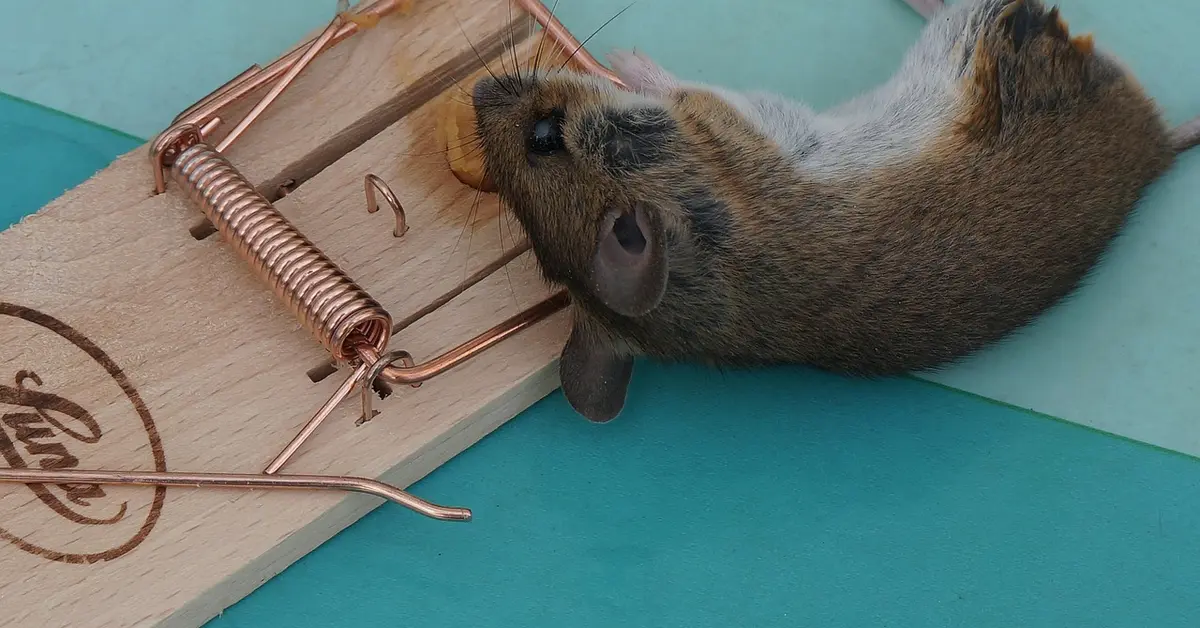
The cleverness that makes them wonderful pets is the same intelligence that can lead them into danger if they encounter a trap. Their natural curiosity drives them to investigate new objects, which is why proactive protection is non-negotiable. It’s our responsibility as owners to manage their environment so their smarts don’t get them into trouble.
Creating a Trap-Free Environment During Free Roam Time
Free roam time is essential for exercise and mental health, but it must be a completely secure experience. I never let my mice out for playtime without doing a thorough “mouse-proofing” sweep of the entire area first. This goes beyond just looking for obvious dangers.
- Seal the Play Zone: Use pet playpens or block off a small, safe room. Check for gaps under doors they could squeeze through.
- Inspect for Hidden Threats: Get down on their level. Look in corners, under furniture, and behind appliances for any glue traps, snap traps, or bait stations that may have been placed out of sight.
- Manage Cables and Wires: Mice might chew on electrical cords, so use cord protectors or ensure all cables are elevated and completely inaccessible.
- Supervise Constantly: Never leave your mice unsupervised during free roam. Their impulsive nature, much like my Kenny’s, means a safe situation can change in a split second.
- Communicate with Housemates: Ensure everyone in the household knows that the mice are out and that no traps of any kind are to be used or moved into the play area.
Frequently Asked Questions
Do mice learn to avoid traps?
Yes, mice can learn to avoid traps through associative learning, where they connect the trap’s scent, location, or bait with a negative outcome like a loud noise or a close call. This ability allows them to remember and steer clear of dangerous areas, making repeated trapping attempts less effective over time. To catch mice, vary baits and move or conceal traps so they don’t associate a single scent or spot with danger. Understanding this learning helps you adjust your approach to reduce avoidance.
How do mice avoid glue traps?
Mice avoid glue traps by learning from direct or indirect experiences, such as escaping after getting stuck or detecting distress signals from other mice. The panic and struggle involved create strong negative memories, and alarm pheromones left behind warn the colony to avoid the area entirely. That makes glue traps unreliable when you’re trying to rid mice from walls, attics, or crawl spaces. For those areas, it’s better to use exclusion, sanitation, and targeted trapping strategies.
Can mice develop an aversion to poison?
Mice can develop an aversion to poison, known as bait shyness, especially if they consume a sub-lethal dose and associate the bait with illness. Their natural neophobia also makes them cautious of new objects like bait stations, leading them to avoid these threats after negative experiences or observing others.
Final Thoughts
Mice showcase impressive cognitive abilities, enabling them to learn from experiences and navigate their world with surprising cleverness. Their knack for memory and adaptation means they can indeed recognize and steer clear of threats, highlighting why gentle, informed care matters so much. This naturally raises the question of whether mice recognize their human caregivers. In fact, pet mice often learn to identify and respond to familiar people by scent, voice, and routine.
Embrace this insight to foster a trusting relationship with your mice, using enrichment and patience to support their natural smarts. You’ll find that appreciating their intelligence not only keeps them safe but also deepens the joy of caring for these perceptive little beings.
Further Reading & Sources
- Do Mice Learn to Avoid Traps?
- Why Aren’t Mouse Traps Effective? Rodent Prevention Tips
- r/pestcontrol on Reddit: Mice are able to recognize traps and purposefully avoid them
Isabella is a passionate small pet enthusiast with over 8 years of experience in caring for mice. She loves sharing practical tips and heartfelt stories to help fellow mouse owners provide the best care for their tiny companions.
Understanding Mice Behavior