
Mobility Issues in Mice: Limping, Wobbling, and Loss of Balance
Have you ever watched your mouse stumble or favor one leg and felt that familiar knot of concern in your stomach? As someone who has cared for many mice over the years, I know how unsettling it is to see your tiny friend struggle with movement, and I’m here to help you make sense of it all with a straightforward, compassionate guide.
This article will equip you with the knowledge to confidently support your mouse, covering the most common reasons behind limping, wobbling, and balance problems, immediate steps you can take to ease their discomfort at home, and clear guidance on when a veterinarian’s expertise is needed.
Recognizing Mobility Problems in Your Mouse
What Limping Looks Like in Mice
A mouse with a limp will consistently avoid putting weight on one of its limbs. You might notice a subtle but persistent hop in their step or a visible hesitation before placing a paw down. They may also hold the affected leg slightly off the ground while scurrying. Watch for changes in their climbing habits; a mouse that once eagerly scaled cage bars might now stay firmly on the ground floor.
- Consistent favoring of one leg, creating a lopsided gait.
- Reluctance to run or move at their usual speed.
- Holding a paw up, often tucked close to the body.
- Excessive licking or grooming of a specific leg or paw.
What Wobbling and Unsteady Gait Look Like
Wobbling is less about a single limb and more about a general loss of coordination. This often presents as a swaying motion when the mouse is standing still, as if they are on a gently rocking boat. Their walk may appear drunken or uncoordinated, with their hindquarters sometimes swinging wider than normal. My mouse Jeffery, when he’s feeling unwell, exhibits a tell-tale weave as he walks, his path no longer the straight, purposeful line I’m used to seeing.
- A noticeable side-to-side sway, especially in the hips and hind legs.
- Difficulty walking in a straight line, often veering to one side.
- Stumbling over flat, familiar surfaces or their own feet.
- Trouble with precise movements, like picking up a small seed.
When Your Mouse Can’t Keep Their Balance
This is a more severe stage of unsteadiness. A mouse struggling with balance may frequently tip over, roll onto its side, or fail to right itself after falling. You might see them leaning heavily against cage walls for support or struggling to maintain an upright position while eating or grooming. This loss of postural control is deeply concerning and indicates a significant neurological or systemic issue that needs immediate attention.
- Falling over during routine activities like grooming or eating.
- Inability to stay upright on a smooth, flat surface.
- Tilting the head to one side persistently.
- Circling behaviors, where the mouse walks in tight, repetitive circles.
Common Causes of Limping in Pet Mice
Paw and Toe Injuries
These are incredibly common and often result from everyday cage life. A stray thread from a fabric hammock can tightly wrap around a tiny toe, or a sharp edge on a toy can cause a painful cut. I’ve found that even a piece of bedding can get lodged uncomfortably between their pads. Regularly check your mouse’s feet for any signs of swelling, redness, or tiny threads constricting blood flow.
- Bumblefoot, a bacterial infection causing sores on the foot pads.
- Cuts or abrasions from rough cage surfaces or toys.
- Toes caught in wire mesh wheels or cage bars.
- Broken claws, which can be surprisingly painful and bleed.
Leg Injuries and Fractures
Mice are bold and sometimes clumsy, leading to falls from heights they misjudge. A fracture doesn’t always mean a bone sticking out; more often, it’s a subtle limp accompanied by significant swelling and an unwillingness to use the leg at all. A sprain or soft tissue injury can look very similar but may heal more quickly with proper rest. Ensuring their habitat is safe from high, unsupported falls is the best prevention.
- Simple fractures from a bad fall off a ledge or toy.
- Sprains from awkward landings or jumps.
- Muscle strains from getting a leg caught in something.
- Injuries from cage-mate squabbles, though these are less common.
Age-Related Joint Issues
Just like us, mice can develop arthritis and general stiffness as they grow older. My older mouse, Gregory, now moves with a more measured, deliberate pace, and I can see a slight stiffness in his hips when he first wakes up. This type of limping is usually worse after periods of rest and may improve slightly once they’ve “warmed up” and moved around. It’s a gradual process, not a sudden onset like an injury.
- Osteoarthritis, causing creaky, painful joints.
- Generalized muscle weakness that comes with advanced age.
- Stiffness that is most apparent first thing in the morning.
- A gradual slowing down rather than a sudden refusal to bear weight.
Common Causes of Wobbling and Balance Loss
Inner Ear Infections and Vestibular Problems
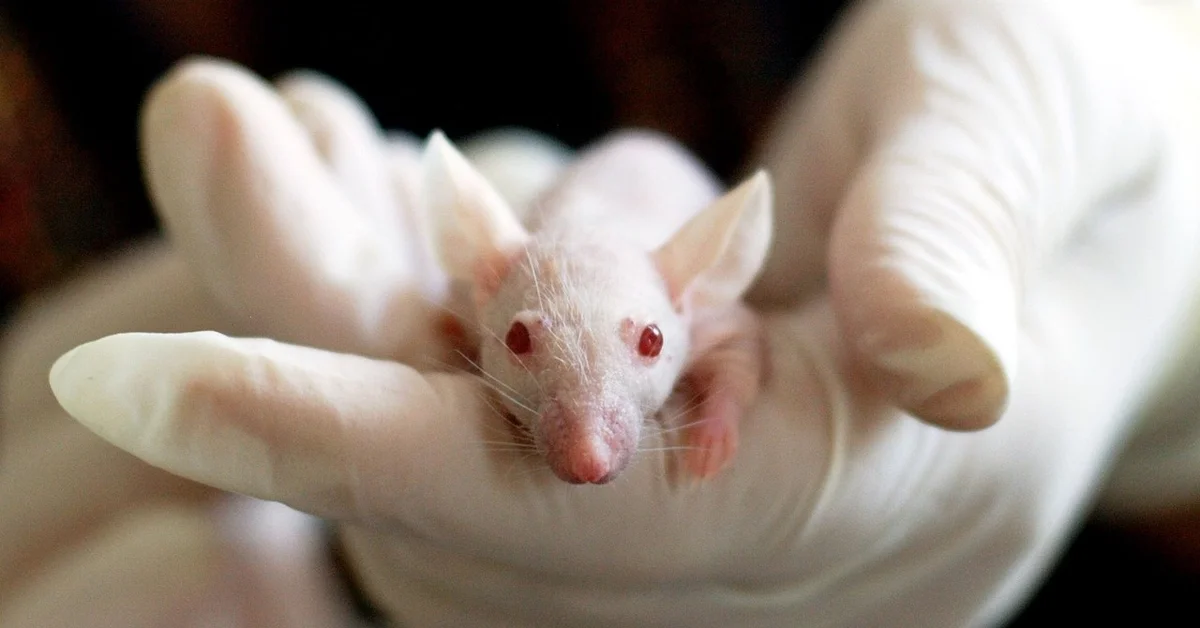
Think of your mouse’s inner ear as a tiny, intricate gyroscope that tells their body which way is up; when this system gets infected or inflamed, that vital sense of balance is completely scrambled. You might notice your mouse tilting its head persistently to one side, walking in tight circles, or even rolling over completely. This head tilt is often the most telling sign of an inner ear issue and warrants a vet visit as soon as you spot it. These infections can come on suddenly and are profoundly disorienting for a small creature, making even simple movements a dizzying challenge.
Neurological Issues and Stroke
Neurological problems affect the brain’s ability to send clear signals to the rest of the body, and the results can be alarming to witness. A stroke, for instance, might cause a sudden weakness on one side of the body, making your mouse drag a limb or stumble towards one direction. Unlike a gradual wobble, a stroke often appears with shocking suddenness, leaving your mouse confused and struggling to coordinate. Other signs can include seizures, a complete loss of balance, or a vacant stare, all of which indicate a problem that needs immediate professional attention.
Cerebellar Issues and Coordination Loss
The cerebellum is the part of the brain dedicated to fine-tuning movement, and when it’s not functioning correctly, your mouse’s grace and precision vanish. This often manifests as an intention tremor-a pronounced shaking that gets worse when they try to perform a deliberate action like reaching for a seed or taking a step. Mice with cerebellar problems aren’t weak or in pain, but they appear permanently clumsy, often overshooting their targets or walking with a wide, unsteady gait. In some young mice, this can be a congenital condition they are born with, and they learn to adapt to their unique way of moving throughout their lives.
Your At-Home Mobility Assessment
How to Safely Observe Your Mouse’s Movement
Before you handle your wobbly friend, spend a few minutes just watching them in their familiar environment. Place them in a small, empty play area or a clean bin where you can see them clearly without obstacles. Quiet observation from a distance often reveals more than an immediate hands-on exam, as your mouse will behave more naturally. Pay close attention to these specific actions:
- How they walk in a straight line on a flat surface.
- If they can turn corners without stumbling or falling over.
- Whether they use all four limbs equally or favor one side.
- Their ability to groom hard-to-reach spots like their back or ears.
Checking for Pain and Injury
Once you’ve observed from afar, you can perform a gentle check. Use a treat to keep your mouse distracted and calmly run a single finger along their spine, legs, and tail. A mouse in pain will often flinch, squeak, or try to bite when you touch a specific, sensitive area, which helps you locate the problem. You can learn how to tell if your mouse is in pain for more insights. Look for these other subtle signs of discomfort:
Documenting Symptoms for Your Vet
Your vet wasn’t there to see the initial wobble, so your documentation becomes their most valuable diagnostic tool. A short, clear video of the problematic behavior is worth a thousand words and can dramatically help your vet make an accurate diagnosis. Alongside any video, make a few notes to bring with you:
- When you first noticed the symptoms (date and time).
- Whether the problem is constant or comes and goes.
- If it seems worse at certain times of day or after specific activities.
- Any changes in their eating, drinking, or bathroom habits.
Immediate Care Steps for a Limping or Wobbling Mouse
First Response for Limping Mice
If you see your mouse holding up a paw or limping, your first goal is to prevent further injury and reduce any inflammation. Immediately remove any tall toys, wheels, or climbing structures from their enclosure. Isolating a limping mouse in a small, single-level hospital tank for a day or two can stop them from re-injuring themselves and allows you to monitor them closely. Ensure they have easy access to food, water, and a cozy nest on the ground floor. A small, shallow dish of cool water can encourage them to soak a swollen foot, which may provide some relief.
First Response for Wobbling and Balance Issues
For a mouse that is dizzy and unsteady, safety from falls is the absolute priority. They are experiencing a world that is constantly tilting, so your job is to create a stable environment. Line the entire floor of their enclosure with a deep, soft layer of paper-based bedding or fleece to cushion any inevitable tumbles. Choose one of the best mouse cages that offers ample floor space and a secure layout. Place food and water dishes directly next to their nest so they don’t have to travel far. I often use a small, heavy ceramic dish for water to prevent tipping, which has been a lifesaver for my wobbly boy, Gregory, on his off days.
Making Your Mouse’s Space Safer
Transforming your mouse’s habitat into a recovery-friendly zone requires a bit of a mindset shift—think low, soft, and simple. Every modification you make should aim to reduce the distance your mouse could fall and soften the surface they might land on. When you’re doing fall prep and mouse-proofing around the house, remember to include their enclosure in your checks. Colder weather and increased indoor activity can make mice more likely to climb, so prioritizing low, soft, and simple setups helps keep them safe. Here is a quick checklist for creating a safe space:
- Replace all tall huts with low-profile hides or cardboard boxes with wide doorways.
- Remove wire mesh shelves and replace ramps with gentle, textured slopes.
- Scatter food pellets on the floor to encourage natural foraging without climbing.
- Use a flat, solid-surface exercise disc instead of a tall, wire-wheel that they could fall from.
Supporting Your Mouse’s Recovery and Mobility
Cage Modifications for Mice with Mobility Issues
When your mouse faces mobility challenges, a few thoughtful changes to their living space can transform their comfort and safety. Start by removing any tall platforms or wire mesh that require climbing, as these can lead to slips and falls. I’ve found that a single-level setup works wonders for mice like Jeffery, who gets anxious with heights.
- Switch to soft, paper-based bedding instead of wood shavings to cushion any stumbles.
- Place food and water dishes on the cage floor for easy access without straining.
- Add wide, low ramps with a gentle slope to help them move between levels if needed.
- Use hideouts with large entrances so your mouse doesn’t have to squeeze or climb.
Keeping everything within easy reach reduces frustration and encourages your mouse to stay mobile. A clutter-free environment with plenty of open space allows for smoother movement and less risk of injury. For an elderly or disabled mouse, small adjustments—lower ramps, shallow dishes, and soft bedding—make reaching and moving easier. Keeping items stable and on the cage floor helps Gregory stay independent and safe. My older mouse, Gregory, appreciates when his cage feels stable and predictable.
Gentle Movement and Balance Support
Supporting your mouse’s balance requires patience and a gentle touch. Hold your mouse in your cupped hands during handling to provide a steady, enclosed space that minimizes wobbling. This technique helps them feel secure while you check for any signs of discomfort.
- Encourage short, supervised walks on a flat, non-slip surface like a towel.
- Place low, stable objects like small cardboard tubes for them to navigate around.
- Avoid sudden movements or loud noises that could startle them and disrupt their balance.
- Use your fingers to gently guide their steps if they seem unsteady.
Regular, calm interactions build their confidence and muscle strength over time. Even five minutes of supported movement each day can improve coordination and reduce stiffness. I’ve seen Kenny’s impulsive nature calm down when he feels grounded during these sessions.
Helping Your Mouse Stay Active Safely
Keeping an active mouse engaged while managing mobility issues is all about choosing the right activities. Focus on ground-based toys like tunnels, soft balls, or treat puzzles that don’t require climbing or jumping. These options let your mouse explore without the risk of falls.
- Create a safe play area outside the cage with padded floors and no sharp edges.
- Rotate toys regularly to maintain interest without overexertion.
- Use treats placed just out of reach to motivate gentle, controlled movement.
- Supervise all playtime to step in if they show signs of fatigue or pain.
Balancing activity with rest prevents exhaustion and supports healing. Watch for cues like heavy breathing or reluctance to move, and always end play sessions on a positive note. Jeffery’s cheerful spirit shines when he can play safely within his limits.
When to Call Your Vet About Mobility Issues
Emergency Signs That Need Immediate Attention
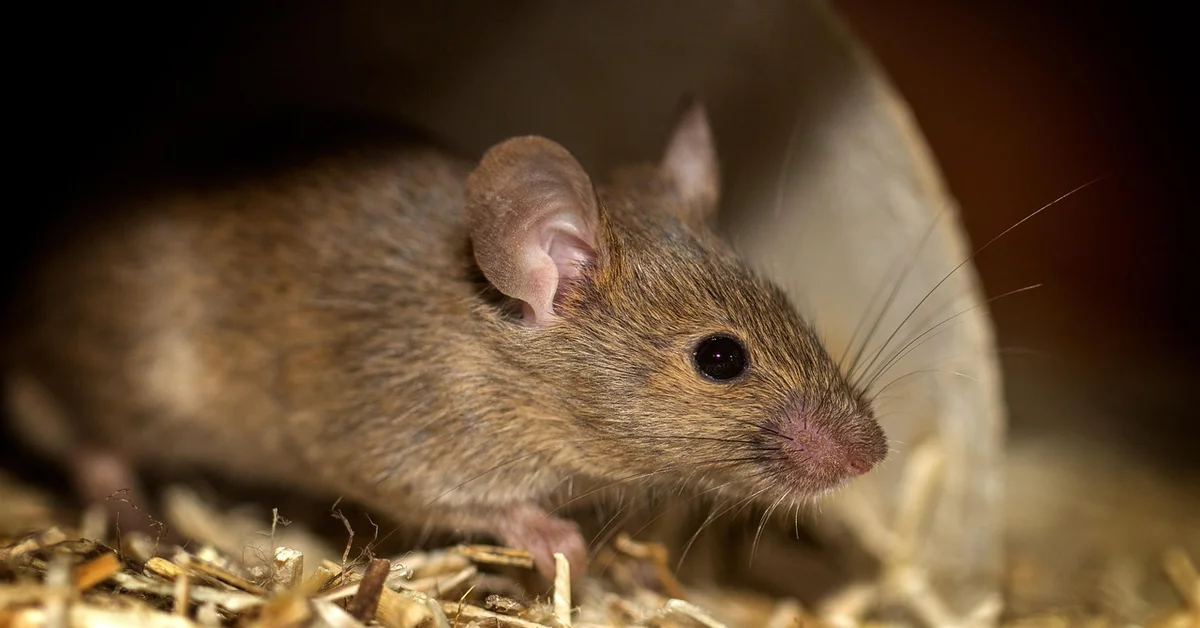
Some symptoms signal a serious problem that can’t wait. If your mouse suddenly can’t move one or more limbs, or they’re dragging themselves, seek veterinary care right away. This could indicate a spinal injury or other critical condition. These severe signs are highlighted in the sick mouse visual guide so you can recognize them quickly. Use the guide to compare symptoms and decide when immediate veterinary attention is needed.
- Visible swelling or deformity in legs or joints.
- Loud, continuous squeaking when touched or moved.
- Rapid weight loss or refusal to eat or drink for over 24 hours.
- Severe trembling or seizures that don’t stop.
Time is crucial in these situations to prevent lasting harm. Don’t hesitate to contact your vet if you notice any of these red flags-early intervention can save your mouse’s life. I learned this the hard way when one of my past mice showed similar signs.
Issues to Schedule a Vet Visit For
Not every mobility issue is an emergency, but some warrant a scheduled appointment. Persistent limping or wobbling that lasts more than a couple days should prompt a vet visit to rule out underlying causes. It’s better to be proactive than wait for things to worsen.
- Mild balance problems that come and go but don’t improve.
- Changes in grooming habits, like difficulty reaching certain areas.
- Noticeable weight gain or loss without a clear reason.
- Behavior shifts, such as increased hiding or reduced social interaction.
Monitoring these signs helps your vet diagnose issues like arthritis or infections early. Keeping a simple log of symptoms and when they started can provide valuable clues for your veterinarian. Gregory’s calm demeanor often masks his discomfort, so I stay vigilant with notes.
Treatment Options Your Vet May Recommend
Medical Treatments for Mobility Problems
When your mouse shows signs of a limp or wobble, your veterinarian will first work to pinpoint the exact cause. A precise diagnosis is the critical first step toward any effective treatment plan. They might gently manipulate the limbs and observe your mouse’s gait on a flat, non-slip surface. For deeper insight, especially with suspected inner ear trouble, advanced imaging like an X-ray could be necessary to see what’s happening beneath the fur.
Based on their findings, your vet has several tools at their disposal. For pain and inflammation from a sprain or arthritis, they will often prescribe a course of anti-inflammatory medication. These medications are specially formulated for tiny bodies and can provide significant relief, helping your mouse move more comfortably. If an infection is the culprit, such as a respiratory issue affecting the inner ear, a round of antibiotics will be the primary line of defense to clear it up.
- Anti-inflammatory/Pain Relief: Meloxicam or similar drugs to reduce swelling and discomfort.
- Antibiotics: Enrofloxacin or doxycycline to fight bacterial infections causing balance issues.
- Supportive Fluids: Subcutaneous fluids may be given if your mouse is dehydrated from stress or not drinking.
- Dietary Adjustments: Recommendations for softer foods if chewing is painful or high-nutrient recovery diets.
Supportive Care and Rehabilitation
Your role at home is just as vital as the vet’s medical intervention. Creating a comfortable recovery space can make a world of difference for a wobbly mouse. I always transform a section of the main cage into a low-impact recovery suite, removing all climbing structures to prevent falls. The entire cage floor should be covered with a deep, soft layer of paper-based bedding, and I often add a small, snug fabric hut that provides security without needing to be climbed into. It’s part of caring for sick mice at home and ensuring they feel safe and supported.
Helping your mouse regain strength and coordination is a gentle, patient process. For a mouse struggling with balance, I’ve had success with simple physical therapy. Place your mouse in the center of a clean, empty bathtub or a large cardboard box lined with a towel; the smooth, enclosed space encourages them to take tentative steps without the risk of a dangerous fall. Always supervise these sessions closely.
- Ensure all food, water, and treats are placed on the ground level of the habitat.
- Provide a steady, shallow water dish instead of a bottle if a head tilt makes drinking difficult.
- Hand-feed favorite soft foods like banana or scrambled egg to maintain strength and bonding.
- Gently massage the muscles around a stiff limb for a few minutes each day to promote circulation.
Preventing Mobility Problems in Your Mice
Designing a Safe Mouse Habitat
Prevention truly starts with your mouse’s home environment. An unsafe cage is one of the most common sources of injuries that lead to limping. Think of your cage setup not just as a home, but as a carefully engineered landscape meant to minimize risk. I learned this the hard way with my adventurous mouse, Kenny, who took one too many leaps from a high platform. Now, I use a multitude of fall-breakers like ropes, nets, and densely arranged platforms to break any potential long drop.
- Choose solid-surface wheels with a solid back to prevent tail and foot injuries.
- Secure all platforms, ramps, and toys firmly to eliminate wobbling or collapsing.
- Avoid wire mesh flooring entirely, as it can cause painful foot sores and catch tiny toes.
- Provide multiple, low-entry hideouts so elderly or less agile mice don’t have to climb for security.
Nutrition for Strong Bones and Muscles
What you feed your mouse builds the very foundation of their skeletal and muscular health. A poor diet can lead to weak bones that are prone to fracture from even a small misstep. A high-quality commercial lab block should be the staple of their diet, as it’s scientifically formulated to provide a complete and balanced profile of vitamins and minerals. Over the long term, diet shapes their overall health, longevity, and resistance to disease. I use this as the base for my group’s meals, and it keeps them in robust health.
While treats are fun, they should be just that—a treat. Supplement their main diet with small, controlled portions of fresh vegetables like broccoli and peas, which offer calcium and other nutrients vital for bone density. For a protein boost that supports muscle maintenance, I occasionally offer my mice a single mealworm or a tiny bit of cooked, unseasoned chicken. My older mouse, Gregory, particularly appreciates these and they help keep his muscles from wasting. If you suspect any nutritional gaps, vet-recommended rodent vitamins or supplements can provide essentials like vitamin D and B. Always check with your veterinarian for the proper type and dosage before adding supplements.
Safe Handling and Exercise Practices
How you interact with your mouse daily plays a huge role in their physical wellbeing. Proper handling is the first and most important rule. Always scoop your mouse from below with cupped hands rather than grabbing from above, which can trigger a panicked leap and a resulting injury. Teach everyone in your household to handle mice while seated close to a soft surface, like a bed or a couch, to cushion any accidental falls. To safely pick up, hold, and handle a pet mouse, let it climb onto your cupped hand or gently scoop it up—never lift by the tail. These simple habits make handling calmer and reduce the risk of injury.
Encouraging safe exercise is about providing the right opportunities. I create “play zones” in a secure, enclosed space where my mice can explore new textures and mild obstacles, which promotes coordination and strength in a controlled setting. For my younger, energetic mouse Jeffery, this is a highlight of his day and has done wonders for his confidence and physical control. Rotate toys and structures regularly to keep their minds and bodies engaged without encouraging reckless behavior.
- Supervise all out-of-cage playtime without exception.
- Introduce new toys and climbs gradually to allow your mouse to learn how to use them safely.
- Avoid plastic exercise balls, which can cause toe injuries and do not allow for proper ventilation.
- Respect an older mouse’s limits; Gregory prefers a gentle crawl over my hands to a full-on playground adventure.
Frequently Asked Questions
What exercises can improve my mouse’s balance if they are wobbling?
You can help your mouse build coordination with simple, supervised exercises that focus on gentle movement. Encourage them to walk slowly on a flat, non-slip surface like a towel, using treats to guide them in straight lines or gentle curves. For added challenge, place low, stable objects like small cardboard tubes for them to navigate around, which can strengthen their muscles without risking falls.
How can I perform a simple balance test for my mouse at home?
To assess your mouse’s balance safely, observe them in a small, enclosed area with a smooth floor and no obstacles. Watch how they walk on a straight path and turn corners, noting any stumbling or swaying. You can also gently place them on a low, stable platform (like a shallow dish) to see if they can maintain an upright posture without tipping over, but always cushion the area below to prevent injury.
Is a balance board safe and helpful for a mouse with mobility issues?
A small, low balance board can be used to support your mouse’s recovery, but it must be introduced with caution. Start by placing the board flat on the ground and let your mouse explore it voluntarily, using treats to build confidence. Under close supervision, you can gently tilt the board slightly to encourage balance adjustments, but discontinue use if your mouse shows signs of stress or instability to avoid further harm.
Your Path Forward
Seeing your mouse struggle with their movement can be deeply concerning, but you are now equipped with knowledge and a clear plan of action. Your careful observation at home forms the very foundation of their well-being and guides any necessary veterinary care. At your mouse’s first vet visit, bring your notes and any photos or videos of the movement issues so the veterinarian can assess the problem more quickly. Knowing what to expect at that appointment will help you feel prepared and make the visit more productive.
Remember that you are your mouse’s greatest advocate. Trust your instincts, provide a safe and comfortable habitat, and never hesitate to seek professional guidance. With patience and attentive care, you can help your small friend navigate these challenges and continue to enjoy a good quality of life.
Further Reading & Sources
- Development and consistency of gait in the mouse – PubMed
- A translational approach to capture gait signatures of neurological disorders in mice and humans | Scientific Reports
- Age-dependent gait abnormalities in mice lacking the Rnf170 gene linked to human autosomal-dominant sensory ataxia – PubMed
Isabella is a passionate small pet enthusiast with over 8 years of experience in caring for mice. She loves sharing practical tips and heartfelt stories to help fellow mouse owners provide the best care for their tiny companions.
Signs of Illness