
The Complete Guide to Safe Mouse Bedding and Substrates
Have you ever stared at a wall of bedding choices, wondering which one won’t harm your tiny, inquisitive companions?
I’ve spent years testing substrates to find what truly works, and this guide will give you a clear, confident plan for your mice’s home. You’ll learn about absorbent, dust-free options, how to layer bedding for burrowing joy, and simple ways to spot and steer clear of dangerous materials that could impact your pets’ health.
Why Mouse Bedding Safety Matters More Than You Think
Your mouse’s bedding is more than just a floor covering; it’s their entire world. They eat in it, sleep in it, and breathe its air 24/7. An unsafe bedding choice doesn’t just cause discomfort-it can quietly and persistently harm your pet’s most vital systems. I learned this the hard way years ago with a mouse who developed a persistent sniffle on a popular but dusty bedding; switching his substrate was like giving him a new lease on life.
Mice have incredibly sensitive respiratory systems, and prolonged exposure to irritants can lead to chronic conditions that are difficult to manage. Their skin is also delicate, and certain materials can cause painful abrasions or prevent them from maintaining their natural oils. Think of their bedding as the foundation of their home environment, where every choice you make directly impacts their long-term wellness and daily comfort.
Understanding What Makes Bedding Safe for Mice
Selecting the right bedding involves looking at a combination of factors that work together to create a healthy habitat. It’s not just about picking the softest option or the one that looks the nicest to you. The safest substrates successfully balance four key properties: they are non-toxic, low-dust, adequately absorbent, and allow for natural burrowing behaviors.
The Dust-Free Requirement for Respiratory Health
This is the single most critical factor in choosing mouse bedding. Fine dust particles become airborne and are inhaled directly into your mouse’s small lungs. Consistently breathing in dust can lead to respiratory infections, chronic inflammation, and a condition often called “mouse asthma,” which severely compromises their quality of life. My current mouse, Jeffery, with his more anxious disposition, would sneeze constantly in a dusty environment, making his anxiety visibly worse. That’s why I always select dust-free bedding for my mice.
To ensure a bedding is truly low-dust, look for products that are explicitly marketed as such. A simple home test is to take a handful of the bedding, place it in a sealable glass jar with some water, shake it vigorously, and hold it up to the light. You will be shocked at how many products labeled as “low-dust” still leave a visible cloud of fine particles suspended in the water after shaking. Paper-based beddings and processed wood pellets generally perform the best in this test.
- Avoid all fine, powdery substrates like fine sand or certain clumping litters.
- Steer clear of clay-based cat litters, which are dangerously dusty for rodents.
- Be wary of wood shavings that are not kiln-dried, as they can harbor mold spores and dust.
Absorbency and Odor Control That Actually Works
Mice have a surprisingly high output of urine for their size, making absorbency a non-negotiable feature of their bedding. A damp habitat is a breeding ground for ammonia and bacteria. Effective absorbency pulls moisture away from the surface, locking it deep within the bedding to keep the top layer dry and comfortable for your mouse’s feet and fur. My older mouse, Gregory, who prefers a calm and stable environment, becomes noticeably grumpy and restless when his bedding feels even slightly damp.
True odor control comes from neutralizing ammonia, not just masking it with perfumes or scents. Artificial fragrances are a major respiratory irritant and should be completely avoided; the best odor control happens naturally through high absorbency and regular spot-cleaning. Beddings made from aspen wood, paper pulp, or hemp have a natural capacity to absorb and neutralize odors without any added chemicals.
- Paper pellet beddings are highly absorbent and excellent at locking in moisture.
- Hemp bedding is naturally antimicrobial and offers superior odor control.
- Aspen shavings provide good absorbency and are a safe wood option, unlike pine or cedar.
For a habitat that stays fresher longer, aim for a bedding depth of at least two inches. This depth allows urine to be absorbed throughout the lower layers while the surface your mice walk on remains clean and dry, dramatically reducing the frequency of full cage cleanouts.
Paper-Based Bedding: The Safest Choice for Most Mice
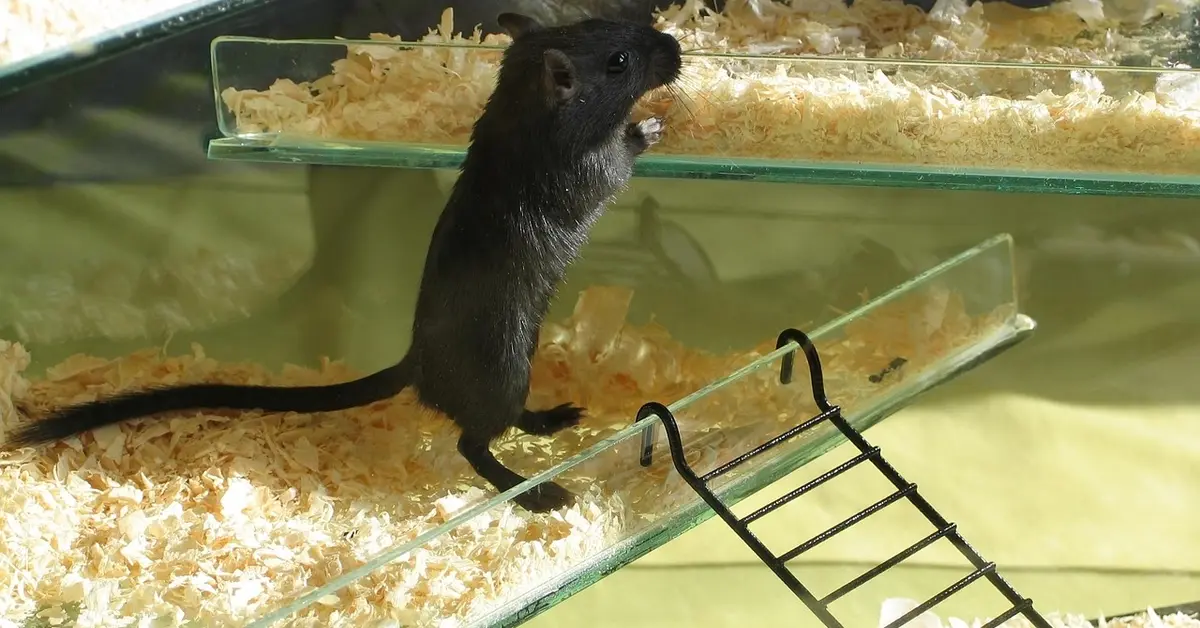
Paper-based bedding stands out as a top pick because it’s soft, absorbent, and free from harmful chemicals that could irritate your mouse’s delicate respiratory system. I’ve consistently relied on paper products for my trio—Kenny, Gregory, and Jeffery—because they burrow happily without any sneezing or discomfort. We’ve had no issues unlike some other beddings that can cause allergies or even lead to mice eating their bedding. This type of material mimics the natural nesting behaviors mice exhibit in the wild, making it both practical and enriching for their daily lives.
Recycled Paper Pellets vs. Shredded Paper Bedding
When choosing between recycled paper pellets and shredded paper, consider your mouse’s activity level and your own cleanup preferences. Pellets tend to lock in moisture better, reducing odors in busy enclosures, while shredded bedding offers a fluffier texture that encourages digging and tunneling. In my experience, energetic mice like Kenny enjoy the loose strands for building nests, whereas calmer ones like Gregory appreciate the stability of pellets.
- Recycled paper pellets: Highly absorbent, low dust, ideal for mice prone to respiratory issues.
- Shredded paper bedding: Softer for nesting, may require more frequent changes if it compacts easily.
Making Your Own Paper-Based Bedding at Home
Creating your own bedding is a budget-friendly way to ensure purity, especially if you’re wary of store-bought additives. Start by collecting plain, unprinted paper like office waste or paper towels, then shred it finely to avoid sharp edges that could harm tiny feet. I’ve made this for Jeffery, who’s particularly sensitive, and it’s a simple process that gives you full control over what your pets are exposed to.
- Gather non-glossy, ink-free paper materials.
- Use a paper shredder or scissors to create uniform, small pieces.
- Fluff the shreds by hand to check for any hard bits before adding to the cage.
Aspen Shavings: When Wood Bedding Is Actually Safe
Aspen shavings are one of the few wood-based options I trust, thanks to their low dust and natural properties that don’t release irritating oils. Unlike many woods, aspen lacks the phenols and aromatic compounds that can lead to respiratory distress in small animals. My mice have thrived on aspen during colder months because it provides excellent insulation without the risks associated with other shavings.
Why Aspen Works When Other Wood Shavings Don’t
Aspen is safe primarily because it’s a hardwood that doesn’t contain the sticky resins found in pine or cedar. These resins are what make other woods dangerous, as they can cause liver damage and breathing problems over time. From my observations, aspen bedding stays dry and odor-resistant, making it a reliable choice for mice who need a stable environment, much like Gregory prefers.
- Aspen shavings: Non-aromatic, minimal dust, and biodegradable.
- Other wood shavings: Often contain volatile oils that are toxic to mice.
The Pine vs. Cedar Debate: What You Must Know
The controversy around pine and cedar bedding stems from their natural oils, which are potent enough to harm a mouse’s health even in small amounts. I always steer clear of cedar entirely because its strong scent masks odors but can lead to severe respiratory issues and skin irritation. Pine is sometimes marketed as safer if kiln-dried, but I’ve seen mice like Jeffery react with subtle wheezing, so I avoid it to err on the side of caution.
Kiln-dried pine may reduce phenol levels, but it’s not worth the gamble when paper or aspen alternatives exist. Sticking with proven safe substrates ensures your mice can explore and rest without hidden health risks. Remember, what smells pleasant to us might be overwhelming for their sensitive noses.
Bedding Materials You Should Never Use
Some common bedding materials pose serious health risks to your mice. It’s heartbreaking to see a pet suffer from an avoidable illness, so being selective with your substrate is a primary act of care.
Wood Shavings to Completely Avoid
- Cedar: The aromatic oils (phenols) in cedar are toxic to a mouse’s respiratory system. These oils are released constantly, leading to chronic respiratory distress and liver damage over time. I would never risk it in my own cage.
- Pine (untreated): While kiln-dried pine is considered safer by some, I personally avoid all pine. The risk of residual phenols is too great, and there are so many safer alternatives available.
Other Dangerous Substrates
- Clumping Cat Litter: This is a recipe for disaster. If ingested, it can cause fatal intestinal blockages. The dust is also a major respiratory irritant.
- Corn Cob Bedding: This bedding molds quickly when damp and can be a source of toxic aflatoxins. It also offers poor odor control and is uncomfortably hard for burrowing.
- Dusty, Fine Fluff Bedding: Any bedding that creates a visible cloud of dust when you fluff it can lead to chronic respiratory infections. Your mouse’s tiny lungs are incredibly sensitive.
- Fabric with Loose Threads: Old t-shirts or towels might seem cozy, but loose threads can wrap around tiny limbs, cutting off circulation and causing severe injury.
Alternative and Supplementary Bedding Options
Beyond the standard paper-based beddings, a whole world of enriching and safe materials exists. Mixing different textures and materials can dramatically improve your mice’s quality of life by satisfying their natural foraging and nesting instincts.
Hemp Bedding as a Sustainable Option
Hemp bedding is a fantastic, highly absorbent choice that I’ve come to appreciate. It forms a soft, paper-like crumble that is virtually dust-free and excellent at locking in ammonia odors. It’s also a sustainable crop, which is a nice bonus. My mouse, Kenny, loves to tunnel through the slightly springy texture, though I find it works best when mixed with a softer paper bedding for ultimate nest-building fluff.
Using Hay and Natural Materials for Nesting
Think of hay and other natural items as the decorative pillows and blankets of the mouse world. Providing these materials gives your mice a rewarding job-constructing the perfect, secure nest.
- Soft Hay (Meadow or Orchard Grass): Timothy hay can be a bit stiff, but softer hays are perfect for weaving into sturdy nest structures. They also provide a bit of edible enrichment.
- Shredded Paper or Toilet Paper: Offer unscented, unprinted paper strips. My trio, especially Jeffery, will eagerly stuff their cheeks full and meticulously arrange every piece.
- Dried Leaves and Moss: Ensure they are pesticide-free and properly dried. These add wonderful, natural textures and smells that encourage natural behaviors.
How Much Bedding Your Mice Actually Need
The amount of bedding you provide is just as critical as the type you choose. A deep layer of substrate is not a luxury; it is a fundamental requirement for your mouse’s mental and physical well-being. Mice are natural burrowers, so several inches of loose, safe bedding allow them to dig, tunnel, and build nests. This burrowing behavior satisfies instincts, reduces stress, and promotes exercise and temperature regulation.
Mice are natural burrowers. In the wild, they construct complex underground tunnels for safety, sleep, and food storage. Denying them this ability in captivity can lead to stress and boredom. This instinct to dig deep is driven by survival. Deep burrows protect them from predators and harsh weather while providing stable nesting and food-storage spaces.
Recommended Minimum Depths
- General Floor Coverage: Aim for a base layer that is at least 2-3 inches deep across the entire cage floor. This allows for some digging and adequate odor absorption.
- Deep Digging Zone: Create at least one section of the cage where the bedding is piled 6 inches deep or more. This is where you’ll see the most complex tunneling behavior emerge. My older mouse, Gregory, spends hours quietly remodeling his corner of the cage.
Don’t be afraid to really pile it on. You can use cardboard borders or a deep base tray to contain a truly impressive amount of bedding. Watching your mice disappear into a network of their own creation is one of the most rewarding sights for any mouse owner. A cage with a deep base tray and secure ventilation makes it easy and safe to provide this much bedding. See the ultimate guide to mouse cages for recommendations on cage types, sizes, and setup tips.
Creating the Right Bedding Maintenance Schedule
Spot Cleaning to Extend Bedding Life
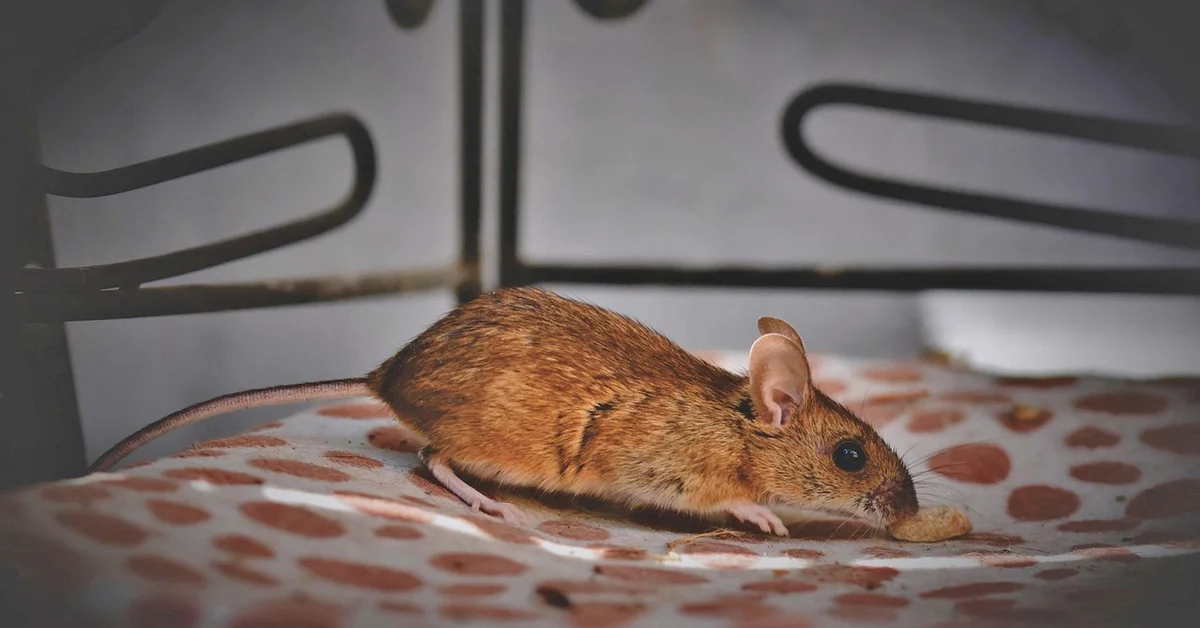
Think of spot cleaning as the daily tidying that keeps your mouse’s home fresh between major cleanings. I perform this simple check every single morning while I’m giving my boys, Kenny, Gregory, and Jeffery, their breakfast. This daily habit is the single most effective way to maintain air quality and prevent odor buildup in the enclosure. It takes only a few minutes but makes a world of difference. These spot checks are the daily foundation of a cleaning routine. I back them up with a more thorough weekly clean and a full monthly refresh to keep bedding fresh and surfaces sanitary.
You will quickly learn your mice’s favorite bathroom corners-they are surprisingly consistent. For me, Jeffery always uses the far left corner of their multi-chamber hideout. Here is my simple spot-cleaning routine:
- Use a small plastic spoon or scooper dedicated to cage cleaning.
- Remove only visibly wet patches and solid waste from high-traffic bathroom areas.
- Gently sift and fluff the surrounding bedding to aerate it.
- Replace the removed volume with a handful of fresh, clean bedding.
- Check and empty any designated litter trays if you use them.
This targeted approach prevents you from needing to replace the entire bedding setup too frequently, which can be stressful for your pets. Consistent spot cleaning preserves the familiar, comforting scent-map your mice have created, reducing their anxiety.
When to Do Complete Bedding Changes
A full bedding change is a bigger event, and timing it correctly is a skill you develop. Doing it too often stresses your mice; waiting too long risks their health. I’ve found that a complete substrate overhaul is typically needed every one to two weeks, but this is not a rigid rule. Your nose and eyes are your best guides.
Let’s break down the factors that dictate the schedule for a deep clean:
- Cage Size & Mouse Count: A larger enclosure with fewer mice will need less frequent full changes than a smaller, more populated one.
- Bedding Type & Depth: Highly absorbent substrates like aspen or hemp last longer than paper fluff. A deeper layer (3+ inches) also extends time between changes.
- Your Mice’s Habits: Some mice are just messier than others! My Kenny, for instance, is a whirlwind who seems to delight in redistributing his food stash everywhere, speeding up soiling.
Plan the full change for a time when you are not rushed. Always leave a small portion of the old, unsolied nesting material behind to maintain that crucial familiar scent, which helps your mice feel secure after the clean. I transfer a handful of the cleanest, driest fluff from their main sleeping nest directly into the newly prepared cage.
Signs Your Bedding Choice Is Causing Problems
Your mice will communicate their discomfort with their bedding, but you have to know how to listen. Observing their behavior and physical state is key to catching issues early. A sudden change in behavior is often the first and most telling red flag that something is wrong with their environment.
Watch for these specific warning signs that your bedding isn’t working:
- Excessive Sneezing or Wheezing: Constant, repetitive sneezing is a classic sign of dust irritation or an allergic reaction to the bedding material.
- Redness on Paws or Skin: Inflamed, red feet or bald patches can indicate contact irritation or allergy from chemicals or rough fibers.
- Pacing and Reluctance to Burrow: If your mouse, who normally loves to dig, is instead pacing the cage surface, the substrate might be uncomfortable or painful on their feet.
- Wet Tail or Persistent Dampness: If the bedding feels constantly damp and isn’t wicking moisture away, it can lead to serious health issues like “wet tail.”
- Over-grooming or Hair Loss: An increase in scratching and grooming to the point of creating bald spots can signal skin irritation from the substrate.
If you notice any of these symptoms, your first step should be to immediately switch to a different, simpler bedding. I always keep a bag of plain, unscented paper pulp bedding on hand as a reliable “safe house” option for any mouse showing signs of sensitivity. It has never failed me as a neutral, low-dust fallback.
Matching Bedding Type to Your Specific Setup
Bedding for Wire-Bottom vs. Solid-Bottom Cages
The base of your cage dramatically changes your bedding strategy. I strongly advocate for solid-bottom enclosures because they allow for the deep bedding that mice need for their mental and physical well-being. Deep bedding satisfies their profound instinct to burrow, dig, and create complex tunnel systems, which is fundamental to their happiness.
If you are using a solid-bottom cage, your goal is depth. Provide a minimum of 3 inches, but 6 inches or more is even better for enthusiastic diggers. A deep layer of a blend like aspen shavings and paper strips creates a structurally sound environment for them to engineer their own subterranean world.
Wire-bottom cages present a significant challenge. The gaps can cause a painful condition called bumblefoot. If you must use a wire-bottom cage, especially when considering wire cages with wider bar spacing, it is absolutely non-negotiable to cover the entire wire floor with a solid surface, like a piece of corrugated plastic or a fleece mat, before adding any loose bedding. Without this, loose substrates will simply fall through, and your mouse will be walking on uncomfortable wires.
Finding Allergy-Safe Options for Sensitive Owners
Your health matters too! Some beddings can kick up dust or aromas that irritate human allergies and asthma. I am mildly asthmatic myself, so this is a subject close to my heart. Choosing a low-dust bedding is not just a luxury for your mice; it’s a necessity for ensuring you can breathe easily while caring for them.
Through trial and error, I’ve identified the best options for a sneeze-free home:
- Hemp Bedding: This is my top recommendation. It’s remarkably absorbent, has minimal dust, and produces a pleasant, neutral, earthy smell as it ages.
- Paper Pulp Bedding: Products like Carefresh are processed to be very low-dust. They are a consistently safe bet for both mouse and owner sensitivities.
- Aspen Shavings (Kiln-Dried): Ensure you buy a brand that specifies “kiln-dried,” as this process eliminates most of the dust and phenols found in other woods.
- Avoid at All Costs: Steer clear of cedar and pine shavings (unless they are explicitly heat-treated to remove harmful phenols), and any scented or dyed paper products.
An extra tip is to pour your bedding from the bag into the cage slowly and from a low height to minimize any dust from becoming airborne. This simple technique has made cage cleaning days much more comfortable for my own respiratory system.
Frequently Asked Questions
What is the safest bedding for rats?
Rats have respiratory systems just as sensitive as mice, so the safest bedding options are low-dust, non-toxic, and highly absorbent. Paper-based beddings like recycled paper pellets or shredded paper are ideal, as they minimize dust and avoid harmful chemicals. Aspen shavings are also a safe wood choice for rats, providing good odor control without the risky oils found in cedar or pine.
Is aspen bedding safe for mice?
Yes, aspen bedding is safe for mice when it is kiln-dried and free from additives. It lacks the aromatic phenols and resins that make other woods like cedar or pine dangerous, reducing the risk of respiratory issues. Aspen is also low-dust and absorbent, supporting natural burrowing behaviors while keeping the habitat dry and comfortable.
How can I make DIY mouse bedding?
You can create safe DIY bedding by shredding plain, unprinted paper such as white office paper or paper towels into small, uniform pieces. Avoid any materials with ink, dyes, or fragrances, and fluff the shreds to remove hard edges that could injure your mice. This method allows you to control the quality and ensure a dust-free, soft substrate for nesting and burrowing.
Your Path Forward
The right bedding does more than just keep a cage clean; it builds the foundation for your mouse’s entire world. By choosing safe, absorbent materials and avoiding harmful, dusty options, you are directly contributing to their health and happiness. When choosing between aspen, paper, and hemp bedding for your mouse, consider absorbency, dust levels, and odor control. Below we’ll compare these options so you can pick the safest, most comfortable choice.
Watch how your mice interact with their new substrate-their burrowing, nesting, and playful antics will be the best reward for your careful selection. Seeing my own mice, like the ever-inquisitive Kenny, thrive in their environment is a constant reminder that these small choices make a monumental difference in their vibrant, curious lives.
Further Reading & Sources
- Evaluation of a Synthetic Bedding Substrate for Mice (Mus musculus) – PMC
- Characterization of Reusable and Recyclable Plastic Bedding Materials for Laboratory Mice
- What Bedding is Safe For Pet Mice? UPDATED! | Hutch and Cage
Isabella is a passionate small pet enthusiast with over 8 years of experience in caring for mice. She loves sharing practical tips and heartfelt stories to help fellow mouse owners provide the best care for their tiny companions.
Bedding Options