
Mouse Communication: Decoding Their Social Language
Have you ever watched your mice huddle together, hearing their soft squeaks and wondering if they’re sharing secrets or just making noise?
As someone who has cared for mice like Kenny, Gregory, and Jeffery, I know how puzzling their interactions can be. This article will break down the key ways mice communicate, from vocal sounds and body postures to scent marking, so you can better understand their social dynamics.
The Complete Communication System of Pet Mice
Mice rely on a rich tapestry of vocal cues, body postures, and scent signals to express themselves every day. Observing this full range lets you decode their social dynamics and emotional states with surprising accuracy.
- Vocalizations: Squeaks, chirps, and ultrasonic calls
- Body language: Ear position, tail flicks, and grooming gestures
- Scent marking: Using glands to claim territory or show familiarity
Vocal Communication You Can Actually Hear
Your mice produce a variety of sounds within human hearing range, each carrying distinct messages about their mood and intentions. Learning to recognize these vocal patterns transforms how you respond to your pets’ daily interactions. Mice also use these vocalizations when interacting with people and may learn to recognize their owners’ scent, voice and handling. Paying attention to which sounds they make around you can help reveal whether they trust and respond differently to you than to strangers.
What Different Squeaks Really Mean
Mice use specific squeak patterns to share feelings like curiosity, comfort, or nervousness. High, rapid squeaks often signal playful excitement, while softer, drawn-out ones can mean contentment. Recognizing these patterns helps decode the meanings behind mouse squeaks. Learning the sounds and their meanings can guide owners and researchers in responding appropriately.
- Short, sharp squeaks: Usually indicate surprise or brief alertness
- Repetitive chirping: Shows happiness, especially during exploration or feeding
- Quiet, wavering sounds: Reflect anxiety or uncertainty in new situations
I notice my mouse Kenny makes quick, excitable squeaks when investigating new toys, whereas Jeffery’s softer, hesitant vocalizations emerge during gentle handling. These differences hint at underlying emotional states and individual play styles—Kenny more exploratory and Jeffery more cautious. Studying how mice interact with toys can reveal their motivations, stress levels, and learning tendencies.
The Sounds of Conflict and Aggression
Aggressive encounters between mice come with audible warnings like hissing, chattering, or intense, sharp squeals. These sounds serve as clear signals to step in and assess the environment for stressors, complementing signs of stress in mice that can also be observed visually.
- Loud, piercing squeaks: Escalating disputes or territorial challenges
- Chattering or grinding noises: Frustration or dominance displays
- Hissing sounds: Defensive posturing, often before a scuffle
In my group, Gregory’s low, steady vocalizations during mild disagreements help de-escalate tension, reminding me how varied their conflict resolution can be.
The Secret World of Ultrasonic Vocalizations
Courtship and Mating Communication
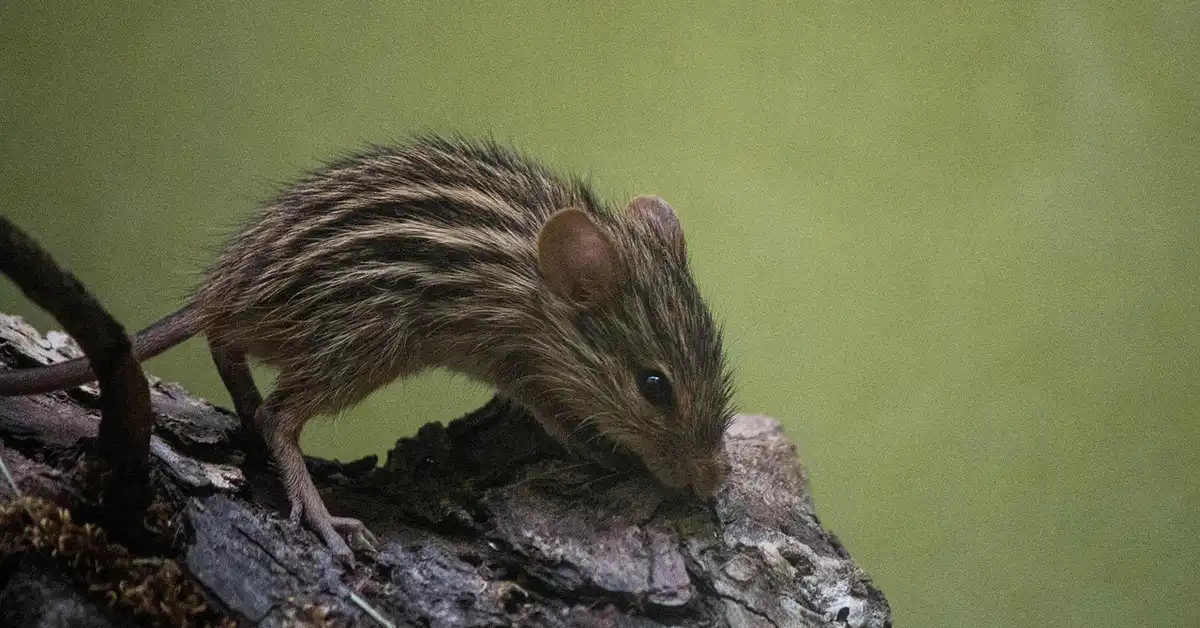
Much of the romantic chatter between mice happens in a frequency our ears simply cannot detect. During courtship, male mice produce intricate sequences of ultrasonic songs that are surprisingly similar to birdcalls, a beautiful and complex form of attraction. I’ve noticed my curious mouse, Kenny, become particularly vocal and animated when new scents are introduced, his nose twitching as he emits these silent serenades. This isn’t just random noise; it’s a structured communication meant to woo and reassure a potential mate.
- Ultrasonic Songs: Males sing complex, variable songs to attract females and signal their fitness.
- Reciprocal Chirps: Interested females may respond with their own softer ultrasonic calls, creating a duet.
- Scent Synchronization: These high-frequency sounds often work in tandem with pheromone signals to strengthen the courtship message.
Mother-Pup Bonding Through Sound
The connection between a mother mouse and her babies is built on a foundation of sound we are mostly deaf to. A mother mouse uses specific ultrasonic calls to gather her scattered pups, a sound that acts as an irresistible homing beacon for the little ones. In return, the pups emit their own distinct ultrasonic distress calls when they are cold or separated, triggering an immediate retrieval response from their mother. This constant, silent dialogue is the bedrock of their early survival and social development.
- Maternal Retrieval Calls: High-pitched signals from the mother that guide pups back to the nest.
- Pup Distress Signals: Isolation calls from babies that spur the mother into action.
- Thermoregulation Cues: The frequency and intensity of these calls can change if a pup gets too cold, providing vital health information.
Chemical Signaling and Scent-Based Communication
Understanding Territory and Social Hierarchy Through Scent
Mice perceive their world largely through their noses, and scent marks are like social media posts written in chemistry. Dominant males, like my older mouse Gregory, will deliberately deposit urine in specific spots to broadcast their status and claim territory, a behavior known as counter-marking. These urine deposits act as olfactory signals—complex blends of pheromones and proteins (such as major urinary proteins) that convey identity, dominance, and reproductive state. Other mice detect and decode these chemical cues with their main olfactory system and vomeronasal organ, guiding social decisions. Subordinate mice learn to read these signals and will often avoid over-marking a dominant mouse’s scent, preventing conflict. The entire cage layout is essentially a map of chemical messages dictating who goes where and when.
- Counter-Marking: The act of overlaying another mouse’s scent mark with their own to assert dominance.
- Hierarchy Pheromones: Chemical cues in urine that convey rank, reducing the need for physical fights.
- Familiarity Scents: Group members share a communal smell that promotes cohesion and identifies intruders.
Reading the Chemical Messages in Your Mouse Cage
As an owner, you can learn to interpret the scent-based conversations happening right under your nose. Noticeable, pungent urine marks in corners or on new toys often signal a mouse is feeling the need to strongly reaffirm its presence and security in that space. When you clean the cage, observe how your mice immediately begin re-scenting everything; they are essentially rewriting their communal blog after you’ve erased it. Introducing a new item without the group’s scent can cause temporary anxiety until it has been properly investigated and marked. However, it’s important to manage these scents to reduce odor in your home.
- Stress Marking: An increase in scent marking can indicate upheaval or insecurity in their environment.
- The “Re-Scenting” Ritual: The frantic rubbing and marking after cage cleaning is a vital process for re-establishing normalcy.
- Scent Mixing: Mice that are getting along well will often huddle and sleep together, blending their scents and strengthening social bonds.
Body Language and Physical Communication
Tactile Communication and Touch
Mice are social groomers, and the gentle nibbling and licking they perform on each other is a powerful form of bonding. Allogrooming, or social grooming, is not just about hygiene; it’s a tactile language that reinforces friendships and calms nerves within the group. In fact, mice are known to form lifelong bonds with their mates. I often see my cheerful but anxious mouse, Jeffery, seek out Gregory for a grooming session, emerging looking much more relaxed. They also communicate through gentle nose touches and huddling together for sleep, using physical contact to maintain a constant, reassuring connection.
- Allogrooming: Mutual grooming that strengthens social ties and provides comfort.
- Huddling: Sleeping in a tight pile for warmth, security, and social connection.
- Nudge and Follow: A gentle nuzzle can be an invitation to play or explore a new area together.
Decoding Aggressive Body Language
Recognizing the signs of conflict is vital for any mouse owner to ensure a peaceful home. An upright, stiff-legged posture with a puffed-up coat is a clear warning sign, a mouse’s way of making itself look larger and more intimidating to a rival. This is often accompanied by sharp, thrusting movements and loud, audible squeaks. True fighting involves rolling, biting, and chasing, but you can usually spot the earlier, subtler warnings long before it escalates to that point.
- Piloerection: Fluffing up their fur to appear bigger and more threatening.
- Boxing Stance: Standing on hind legs and pushing at each other with front paws, a test of strength.
- Tail Rattling: A rapid vibration or thumping of the tail against the ground, signaling high agitation.
How Mice Coordinate as a Group
Alarm Systems and Group Safety
Mice rely on a sophisticated alarm system to protect the entire group from threats, using both audible squeaks and ultrasonic calls that humans can’t hear. When one mouse detects danger, it emits sharp, high-frequency sounds that instantly alert others to freeze or scatter, creating a rapid chain reaction for survival. You might notice this if a sudden noise startles your mice-they’ll pause, ears perked, before darting to hiding spots in unison.
Body language plays a crucial role here, with mice using stiff postures or rapid tail flicks to signal caution. Observing my own mice, like Kenny, I’ve seen how his bold explorations often trigger Gregory’s low, steady calls that guide the younger ones to safer areas, demonstrating a natural hierarchy in their safety responses. This coordination ensures that even the most impulsive members, like Jeffery, learn to heed warnings over time.
- Ultrasonic vocalizations: Used for immediate danger alerts, often undetectable to human ears.
- Freezing behavior: Mice stop moving to assess threats, signaling others to do the same.
- Group huddling: In secure moments, they gather closely, reinforcing bonds through touch and warmth.
Watching Your Mice Communicate in Daily Life
Communication During Play and Exploration
Playful interactions are rich with communication, from gentle nibbles and chasing to shared grooming sessions that strengthen social ties. Mice express joy and curiosity through soft chirps and playful hops, often seen when they investigate new toys or tunnels together, turning exploration into a collaborative adventure. In my colony, Kenny’s energetic darts often inspire Jeffery to follow with nervous but excited squeaks, while Gregory watches patiently, occasionally nudging them toward interesting spots.
Exploration isn’t just about fun-it’s a way mice establish roles and trust within the group. You’ll notice leaders like Kenny initiating new paths, while followers like Jeffery use subtle squeaks to signal approval or hesitation, creating a dynamic where every mouse’s voice matters in decision-making. This daily dialogue helps them navigate their environment safely and happily.
- Chasing games: A form of social bonding, often accompanied by happy ultrasonic vocalizations.
- Food sharing: Passing treats between mice reinforces cooperation and mutual care.
- Grooming rituals: One mouse grooming another shows affection and reinforces social hierarchy.
Signs of Stress or Communication Breakdown
When communication falters, mice show clear stress signals, such as excessive hiding, over-grooming, or aggressive chasing that lacks playful intent. Loud, repetitive squeaking or prolonged isolation can indicate that a mouse feels threatened or misunderstood, disrupting the colony’s harmony and leading to tension. I’ve seen this in moments where Jeffery’s anxious twitches go unheeded, causing him to retreat from group activities until reassurance comes.
Breakdowns often stem from environmental changes or overcrowding, making mice less responsive to each other’s cues. Watch for flattened ears, puffed fur, or a lack of mutual grooming—these are signs that your mice need intervention to restore their natural communication flow and reduce stress levels. Sudden fights are often triggered by those same factors—new scents, temperature shifts, or limited space—so identifying the trigger guides your response. Simple fixes include adding enrichment, reintroducing scents gradually, or temporarily separating stressed individuals until tensions ease. Addressing these early prevents long-term conflicts and keeps your colony cohesive.
- Aggressive behaviors: Biting or lunging instead of playful nips signal dominance disputes.
- Reduced vocalizations: A sudden quietness may mean mice are too stressed to interact normally.
- Changes in eating habits: Stress can cause mice to eat alone or avoid shared food areas.
Supporting Healthy Communication in Your Mouse Colony
Fostering strong communication starts with providing a spacious, enriching habitat that allows mice to express their natural behaviors without constraint. Include multiple hiding spots, climbing structures, and foraging toys to encourage cooperative play and reduce competition, giving every mouse, from bold Kenny to cautious Gregory, a chance to contribute to group dynamics. This setup mimics their wild instincts and promotes balanced interactions.
Regular, gentle handling and consistent routines help mice feel secure, enhancing their willingness to communicate openly. By observing daily interactions and adjusting the environment based on their cues-like adding more tunnels if Jeffery seems overwhelmed-you create a sanctuary where trust flourishes and misunderstandings are rare. Your attentive care becomes the foundation for a thriving, chatty colony.
- Monitor group size: Keep colonies small to prevent overcrowding and ensure each mouse’s voice is heard.
- Provide varied enrichment: Rotate toys and layouts to stimulate curiosity and shared exploration.
- Maintain a calm environment: Reduce loud noises and sudden changes to support stress-free communication.
Frequently Asked Questions
How can I use photography to better understand my mice’s communication?
Photographing your mice can help you capture subtle body language and interactions that are easy to miss in real-time. By taking clear, well-lit photos or short videos, you can review details like ear positioning, tail movements, and grooming behaviors to identify patterns in their social dynamics. For example, a series of photos might reveal how one mouse uses specific postures to initiate play or avoid conflict, giving you deeper insight into their non-vocal cues.
What is the communication protocol when introducing new mice to an existing group?
Mice follow a natural protocol that relies heavily on scent and gradual familiarization to minimize aggression. Start by housing new mice nearby for a few days to allow scent exchange through bedding swaps, then proceed to supervised, neutral-area meetings where they can vocalize and posture safely. This step-by-step approach lets them establish hierarchy through non-threatening interactions, reducing the risk of fights and supporting a smooth integration.
How does communication differ between wild mice and pet mice?
Wild mice often use more intense and frequent alarm calls and scent marking due to constant predator threats and competition for resources. In contrast, pet mice living in secure environments focus communication on social bonding, with more playful vocalizations and grooming, as they don’t face the same survival pressures. This difference means pet owners might observe less defensive behavior and more cooperative interactions in their colonies.
Your Journey into Mouse Communication
Watching your mice interact reveals a complex social world built on tiny squeaks, subtle body postures, and gentle grooming sessions. Their communication is a constant, flowing conversation that defines their relationships and daily lives. Unlike some creatures who prefer solitude, mice are highly social animals that thrive on interaction.
By learning to recognize these signals, you become more than just an observer; you become attuned to their well-being and shared bonds. This deeper understanding will enrich your experience and help you provide an even more nurturing home for your small, talkative companions.
Further Reading & Sources
- How Mice Communicate, and Why It’s Bad News for a Homeowner | JP Pest Services
- Deciphering the sounds of mice in social contexts | Lab Animal
- Body language signals for rodent social communication – ScienceDirect
Isabella is a passionate small pet enthusiast with over 8 years of experience in caring for mice. She loves sharing practical tips and heartfelt stories to help fellow mouse owners provide the best care for their tiny companions.
Understanding Mice Behavior