
Understanding the Mouse Hierarchy: Who is the Alpha?
Have you ever noticed one mouse always taking the first nibble of food or leading the exploration of a new toy? Recognizing the subtle cues of mouse social structure can transform how you care for your pets, preventing stress and fostering a calm, cohesive group.
We’ll walk through the key behaviors that reveal dominance and submission in your mice. You’ll gain the skills to identify the alpha, interpret their interactions, and support a balanced dynamic for every mouse in your care.
What Does Mouse Hierarchy Actually Look Like?
The “Alpha Mouse” Myth vs Reality
The idea of a single, all-powerful “alpha” mouse who bullies its way to the top is a common misconception. In my years of caring for groups, I’ve found their social structure to be far more nuanced and cooperative than a simple chain of command. It’s less about a dominant tyrant and more about a fluid network of relationships where roles can shift depending on the situation, time of day, or resource available.
You might observe one mouse consistently being the first to investigate a new toy, while another is always the last to leave the safety of the nest. This doesn’t necessarily mean the brave one is the “boss,” but rather that they have assumed the role of scout, a vital job for the group’s safety. My mouse Kenny often takes this role, his impulsive curiosity driving him forward, while the older, wiser Gregory prefers to assess the situation from a secure spot.
How Mice Show Dominance Without Fighting
Mice are sophisticated creatures who typically avoid physical conflict, relying on a complex language of subtle behaviors to maintain social harmony. So do mice communicate? Best choice: “Do mice communicate?” Yes — they use ultrasonic vocalizations, scent markings, and nuanced body language to share information.
- Barbering: A higher-ranking mouse may gently nibble or “barber” the fur of a cagemate, often around the whiskers or face. This is a sign of social bonding and status, not aggression.
- Resource Guarding: You might see a mouse casually sit on top of the food pile or claim the most coveted sleeping spot in the hut. This passive control is a clear status signal.
- Confident Posturing: A mouse with higher social standing will often move with deliberate, unhurried confidence. They walk over others, take the most exposed sleeping positions, and don’t startle easily.
- Grooming Invitations: A dominant mouse will present itself to be groomed by others, a clear request for social attention and care from its group members.
- Pinpointing: This involves a mouse placing its paws precisely on the back of another. It’s a brief, non-violent gesture that reinforces social order.
Watching my trio, I see Gregory use calm, steady posturing to guide the younger ones, a far cry from the fighting many people expect. He doesn’t need to chase them; his mere presence and demeanor command a natural respect.
Why Do Pet Mice Form Social Ranks?
This intricate social system isn’t random; it serves critical purposes for their well-being. A stable hierarchy reduces stress and conflict, creating a predictable and safe environment for every mouse in the enclosure. When each individual understands their role and the roles of others, there’s less uncertainty and fewer reasons for disputes.
Think of it as an efficient division of labor. One mouse might be the lookout, another the nest-builder, and a third the food-tester. This cooperative structure ensures the group’s collective survival needs are met without exhausting any single member. It allows for personalities like my cheerful but anxious Jeffery to thrive in a supportive role, contributing to the group without the pressure of leading.
Ultimately, a clear social order promotes peace. Knowing who to follow and what to expect from cage-mates minimizes the energy spent on constant reassessment and potential squabbles. This is especially important because mice are social animals. More importantly, this leaves more time for the important things in a mouse’s life: exploring, playing, eating, and sleeping soundly together in a warm, secure pile.
Reading Your Mice: Normal Hierarchy Behaviors vs Dangerous Aggression
Healthy Dominance Displays You’ll See Daily
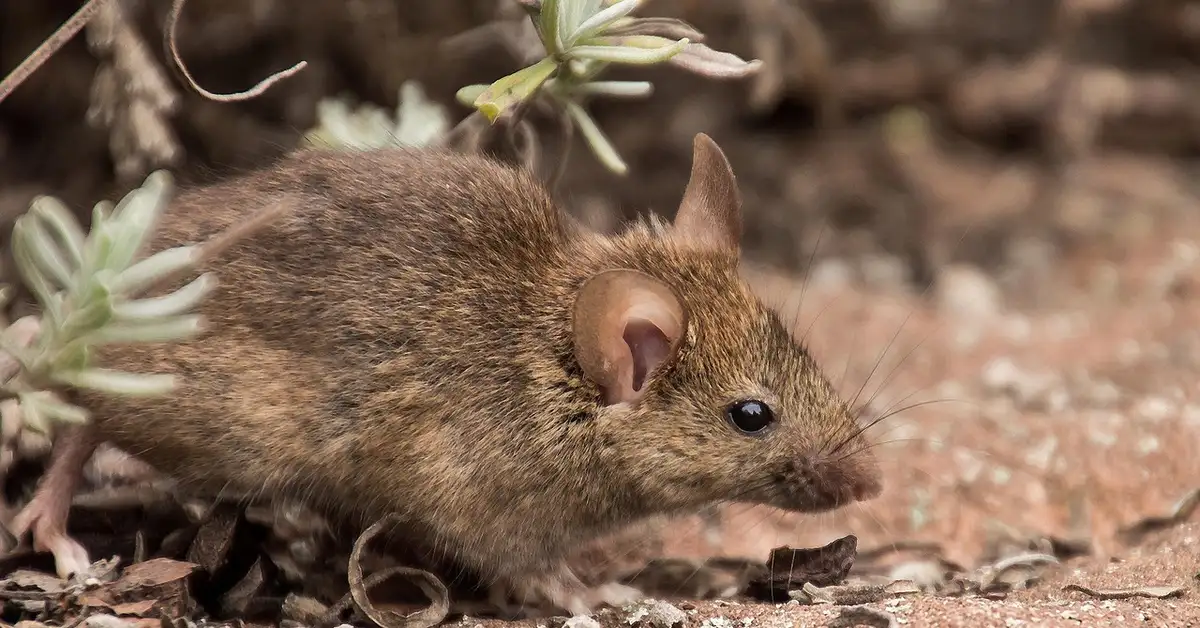
Living with a mouse colony means witnessing a constant, subtle ballet of social cues. You will regularly see the alpha mouse initiate gentle grooming sessions on his cagemates, which is a primary way he reinforces his status and maintains group bonds. This isn’t a sign of bullying, but of a functioning social order. Another common behavior is the alpha being the first to investigate new items in the cage, from a fresh hideout to a novel toy. My mouse Kenny always takes this role, boldly scurrying over any new addition while Gregory and Jeffery watch from a safe distance.
You might also observe what I call ‘resource checks’. The dominant mouse will often amble past food bowls or water bottles, sometimes taking a single nibble or sip, just to reaffirm his access rights. This is typically calm and non-confrontational. Playful chasing and light wrestling are also completely normal, especially among younger mice; the key is that these interactions are brief, no one gets hurt, and everyone returns to their normal activities almost immediately afterward.
- Gentle, reciprocal grooming, often initiated by the alpha.
- The alpha leading explorations of new environments or objects.
- Non-aggressive ‘checking’ of food, water, and nesting areas.
- Brief, playful chasing that ends without injury or prolonged fear.
- Rumbling vocalizations during interactions that don’t escalate.
Warning Signs That Hierarchy Has Become Harmful
It is vital to distinguish between normal social structure and genuine aggression that requires your intervention. The most critical red flag is the presence of wounds, especially on the back, rump, or tail of any mouse, as these are clear indicators of harmful fighting. Barbersing, where one mouse relentlessly chews the fur or whiskers of another, creating bald patches, is another serious sign of stress and bullying, not simple dominance. Barbering usually occurs when a dominant or stressed mouse over-grooms a cage mate, or when mice redirect excessive grooming due to boredom or overcrowding. It can also be triggered by skin irritation, parasites, or medical issues that make fur more appealing to chew.
Listen carefully to their interactions. Loud, persistent squeaking during encounters is a cry of distress, not the playful chirps you hear during a game of chase. If you notice one mouse is consistently excluded-forced to sleep alone, chased away from food, or prevented from using hides-the social dynamic has turned toxic. A bullied mouse will often appear hunched, with a puffed-up coat, and may startle easily, even by your presence.
- Visible bite marks, scabs, or patches of missing fur.
- One mouse being constantly pursued and cornered.
- A subordinate mouse that is visibly thin or dehydrated.
- Persistent, high-pitched squeaking during confrontations.
- Chronic barbering of a cagemate’s fur or whiskers.
How Dominance Affects Your Mice’s Health and Happiness
Stress Responses in Different Social Positions
Every mouse in the hierarchy experiences life differently, and their stress levels reflect their social standing. An alpha mouse, while seemingly in control, can experience significant stress from the constant duty of monitoring his group and defending his position. This can sometimes manifest as a heightened alertness that borders on anxiety. My own alpha, Kenny, is always the first to react to any sound, a trait that comes with his leadership role.
Subordinate mice face a different kind of pressure. A lower-ranking mouse like my Jeffery may display a quieter, more cautious demeanor, carefully watching the alpha’s movements before acting himself. Chronic stress in these mice can lead to a weakened immune system, making them more susceptible to respiratory infections. You might see them flinch more often or spend excessive time in the highest hideouts, trying to stay out of the dominant mouse’s line of sight.
Who Gets Priority: Resource Access and Mating Behavior
The social hierarchy directly dictates who gets the first and best pick of everything in the cage. In a stable colony, the alpha will have first dibs on the choicest food, the most secure sleeping spot, and even the privilege of determining the group’s activity cycle. You will see him eat from the food bowl while others wait, or claim the prime nesting material for himself.
This resource control extends beyond food and shelter. The dominant mouse typically determines access to favored enrichment items, like the best wheel or the most interesting tunnel, often using them exclusively until he grows bored. It is a system that, when functioning healthily, prevents constant squabbling over every small thing. The other mice learn the rules, and a peaceful, predictable routine emerges where everyone generally gets what they need, even if they have to wait their turn.
When and How to Step In: Managing Your Mouse Colony
Signs You Need to Separate Your Mice
Knowing when to intervene is one of the most difficult but necessary parts of being a mouse owner. You must immediately separate any mice that are causing visible, bleeding injuries to one another; waiting will only lead to severe harm or infection. Other non-negotiable signs for separation include one mouse relentlessly barbering another to the point of skin lesions, or a mouse showing clear signs of weight loss and lethargy from being denied food.
Pay attention to the overall atmosphere of the cage. If the environment feels perpetually tense, with mice constantly hiding and flinching at every movement, the social stress has become too great for their well-being. Chronic, loud fighting that disrupts sleep and rest is another firm indicator that the living arrangement is no longer tenable and you need to act. These signs often reflect cage aggression and territoriality rather than normal social behavior. Prompt management—such as separating aggressive individuals, adjusting group composition, or altering the cage layout—can help reduce harm and stress.
- Any fight that results in a bleeding wound.
- Severe, persistent barbering that creates raw skin.
- A mouse that is losing weight rapidly or appears dehydrated.
- Constant, loud vocalizations of fear and distress.
- One mouse that is relentlessly hunted and never allowed to rest.
Separation Strategies That Maintain Social Contact
Sometimes, complete and permanent separation isn’t the only answer. A highly effective strategy is to use a divided cage or a secure mesh partition, allowing the mice to see, smell, and interact with each other without physical contact. This technique, often called the “split-cage method,” can significantly reduce stress by maintaining their social connection while eliminating the chance for physical harm.
You can also facilitate supervised playdates in a completely neutral territory, like a dry bathtub or a playpen. Neutral territory play sessions allow your mice to interact without the territorial pressures of their home cage, which can sometimes help reset their relationships. Always provide plenty of distractions like tunnels and snacks during these sessions to keep the focus on positive shared activities. After a period of calm separation, some mice can even be successfully reintroduced using careful, slow introduction techniques.
- Use a tank divider or a specially designed split cage.
- Ensure the divider is chew-proof and securely fitted.
- Arrange short, supervised playtimes in a neutral area.
- Swap bedding between divided sides to maintain familiar scents.
- Feed them at the same time on either side of the divider to promote positive association.
Preventing Hierarchy Problems Before They Start
Housing Setup to Reduce Dominance Stress
A thoughtful habitat is your first and most powerful tool for preventing conflict. Mice need space to establish their own tiny territories even within a shared home. A cramped cage forces constant interaction, which can turn minor squabbles into major battles. Sudden fighting often comes from overcrowding, stress, or shifts in social hierarchy, so spotting those triggers helps you choose the right fix. Giving extra space, hiding spots, and enrichment can defuse tensions and prevent future flare-ups.
- Provide multiple identical resources. This means two wheels, at least two water bottles, and several food dishes placed far apart. It prevents one mouse from guarding a single, vital resource.
- Offer an abundance of hiding spots. Have more hideouts than you have mice. My current setup includes coconut huts, cardboard tubes, and wooden houses, ensuring Kenny, Gregory, and Jeffery can always find a private retreat.
- Utilize vertical space with ledges, ropes, and hammocks. A multi-level environment allows mice to navigate around each other without confrontation, letting a subordinate mouse easily avoid a dominant one on a different floor.
Introduction Techniques That Support Stable Social Structure
How you introduce new mice sets the stage for their entire relationship. The split-cage method is the gold standard for a reason-it allows mice to get acquainted safely through scent before any physical contact occurs. Rushing this process is the most common mistake I see.
- Start with a divided cage or two small cages placed side-by-side. Swap their bedding and toys daily for a week so their scents thoroughly mingle.
- After a week of scent swapping, introduce them on completely neutral territory that none have ever explored. A dry, clean bathtub works perfectly.
- Watch closely for an hour. Normal behavior includes sniffing, following, and even some mild, non-injurious pinning. True fighting involves rolling balls of fur, loud squeaking, and biting.
- If the neutral meeting is peaceful, you can fully combine them in a meticulously cleaned cage with all new, neutral-smelling bedding and accessories.
Group Composition Considerations
Not every mouse is a perfect match for every group. Considering age, energy levels, and personality from the outset can prevent a lifetime of tension. Think of it like choosing roommates; common ground fosters harmony.
- Age is a significant factor. Introducing a very young, hyperactive mouse to a group of calm seniors can be stressful for everyone. Similarly, introducing a single older mouse to a boisterous young group rarely works well.
- Aim for pairs or trios from the same litter for the most stable start. They have a pre-established bond and shared history.
- Observe personalities. A group with multiple strong-willed, “alpha-type” mice like my Kenny will have more power struggles than a group with a clear, single leader and more passive followers like Jeffery.
Helping Mice Recover After Hierarchy Disruption
Supporting a Mouse Removed from Their Group
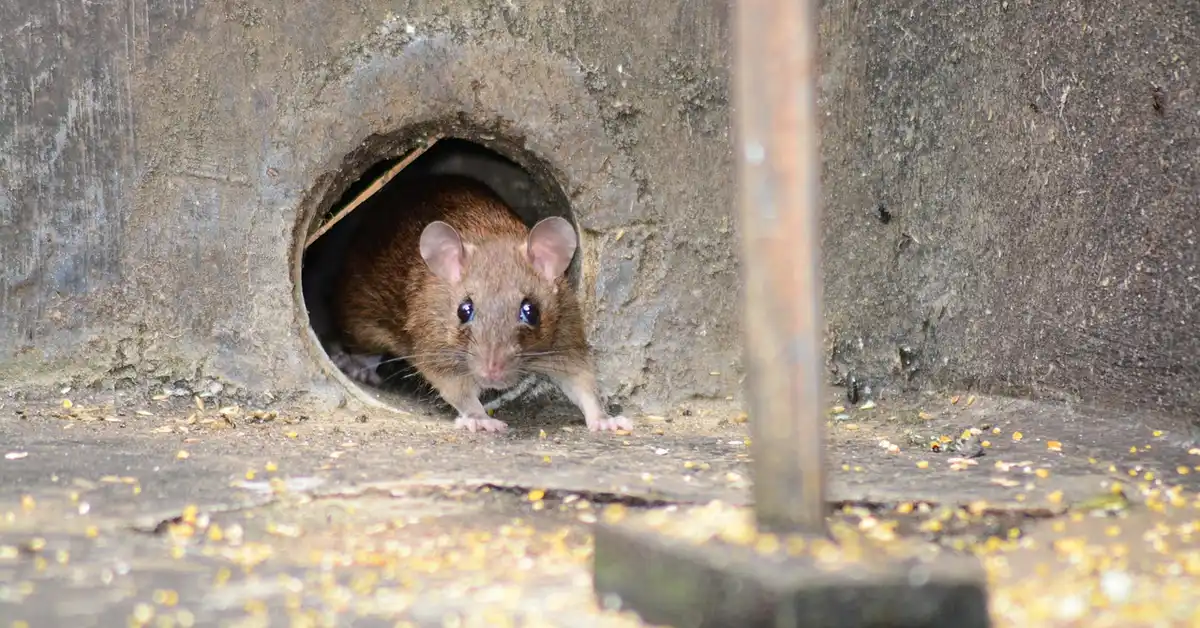
When a mouse must be separated due to injury or severe bullying, their world is turned upside down. The key to helping a lone mouse is providing constant mental and environmental enrichment to stave off loneliness and depression. I’ve had to do this a few times, and it requires a dedicated shift in your care routine. This single mouse vs group social needs guide explains how solo care differs from group housing and offers practical tips to meet a lone mouse’s social and mental needs. It will help you decide when solitary housing is necessary and how to keep a separated mouse healthy and content.
- Increase your one-on-one interaction time significantly. Talk to them, offer treats from your hand, and allow for supervised exploration outside the cage daily.
- Rotate novel toys and puzzles frequently. Toilet paper rolls with hidden treats, a small dig box with crinkle paper, or new climbing structures keep their mind active.
- Place their solo cage near the main group’s cage if possible, allowing for safe, barred interaction. This maintains scent familiarity, which is crucial for any future reintroduction attempts.
Reestablishing Peace After Fights or Changes
Sometimes, despite your best efforts, the social order fractures. Rebuilding trust requires patience and often means taking a few steps back in the introduction process. A major fight or the loss of a cage mate can destabilize the entire group dynamic.
- Immediately separate any injured mouse. Clean wounds with a saline solution and consult a vet for anything more than a superficial scratch.
- For the remaining mice, “reset” their environment. Deep-clean the entire cage, wash all accessories, and use new bedding to erase the scent of the conflict.
- Reintroduce the mice as if they were strangers, starting with the split-cage method. Do not assume they will simply go back to normal; the fight has changed their relationship.
- Monitor their interactions even more closely than before. You are looking for a renegotiation of their hierarchy, not a return to the old one. A new peace treaty must be formed.
Frequently Asked Questions
What is meant by ‘mouse alphabet’ in pet care?
In pet mouse care, the term “mouse alphabet” does not refer to a literal set of letters but rather to the complex system of communication mice use through vocalizations, scents, and body language. By learning this “alphabet” of chirps, postures, and pheromones, you can better understand their social cues and hierarchy without the need for physical interventions.
How does ‘mouse alpha recovery’ work after a hierarchy dispute?
Mouse alpha recovery involves supporting a mouse’s physical and emotional well-being following social stress or removal from the group. This includes providing a quiet, enriched environment with hiding spots, proper nutrition, and gradual reintroduction techniques to reduce anxiety and promote reintegration when possible.
Is ‘mouse alpha gaming’ a factor in social dynamics?
“Mouse alpha gaming” is not a recognized concept in pet mouse care and may refer to unrelated topics like computer peripherals. In reality, a mouse’s social status is influenced by natural behaviors, not gaming activities, though providing enrichment like wheels and toys can help maintain a balanced hierarchy by reducing boredom and conflict.
Wrapping Up
Observing your mice’s social dynamics helps you nurture a peaceful and enriching environment for them. By paying attention to their interactions, you can better meet each mouse’s unique needs and strengthen your bond with the group. A mouse social behavior guide can help you distinguish between solitary and social tendencies. Recognizing signs of solitary behavior versus group bonding lets you tailor housing, enrichment, and introductions accordingly.
Trust that with time and gentle observation, you’ll become attuned to their world. Your thoughtful approach ensures your mice feel secure and valued in their shared home. Over time many mice will learn to recognize their owners‘ scent, voice and handling and may respond differently to familiar people. Watching their body language will reveal how they interact with humans and whether they recognize you.
Further Reading & Sources
- r/PetMice on Reddit: alpha mouse?
- Social hierarchy position in female mice is associated with plasma corticosterone levels and hypothalamic gene expression | Scientific Reports
- Social dominance hierarchy type and rank contribute to phenotypic variation within cages of laboratory mice | Scientific Reports
Isabella is a passionate small pet enthusiast with over 8 years of experience in caring for mice. She loves sharing practical tips and heartfelt stories to help fellow mouse owners provide the best care for their tiny companions.
Understanding Mice Behavior