
Sounds and Noises: What a Mouse in Your Wall Actually Sounds Like
Have you ever been jolted awake by faint scratching or mysterious scurrying sounds echoing from your walls, leaving you puzzled and concerned? This guide will clearly explain those noises and provide practical steps to identify and address them confidently.
In this article, you will learn the distinct scratching, squeaking, and scurrying sounds that signal a mouse presence, how to differentiate mouse noises from other common household pests, and simple, humane methods to handle the situation effectively.
How to Identify Mouse Sounds in Your Walls
Scratching and Gnawing Noises
This is the classic sound that often first alerts you to a tiny tenant. It’s not a gentle scraping but a persistent, gritty scratching, like someone is filing a tiny piece of wood with sandpaper. You’ll typically hear this sound concentrated in one spot for several minutes as they work to widen a hole or shred materials. Mice must constantly gnaw to keep their ever-growing teeth filed down, so they’ll chew on wood, drywall, and even electrical wiring. In my own home, I’ve noticed this sound is most distinct about an hour after the house has settled into quiet for the night.
Scurrying and Skittering Sounds
If scratching is the construction noise, scurrying is the commuting traffic. This is the pitter-patter of tiny feet moving quickly. It often sounds like a small, frantic marble being rolled back and forth inside the wall cavity. You might hear a brief, rapid series of footsteps followed by a pause, then another burst of movement as they travel their established pathways from a nest to a food source. It’s a lighter, faster sound than a squirrel or rat would make. My mouse Kenny, when he’s in one of his hyper-exploratory moods, creates a similar, though much fainter, version of this sound as he darts through his tubes.
High-Pitched Squeaks and Vocalizations
These are the social sounds of the mouse world, and they can be surprisingly varied. We often think of a simple “squeak,” but what you’re hearing are complex communications. These high-frequency chirps and squeals, sometimes inaudible to human ears, are how mice express everything from alarm to social bonding. A series of rapid, high-pitched squeaks might indicate a dispute or a warning, while softer, more sporadic chirping could be a mother comforting her young or mice simply chattering. It’s a stark contrast to the scratching and is a clear sign you’re hearing a living creature, not just structural noises. Learning to notice the pitch, tempo and context of these sounds can help you decode their meanings. Below, we’ll break down common mouse squeak types and what they typically signify.
Rustling and Nesting Sounds
This is the sound of homemaking. Mice build intricate nests from any soft material they can find—shredded paper, insulation, fabric, and dried plants. The rustling is a crinkly, shuffling noise, like someone gently crumpling a plastic bag or rifling through tissue paper inside your wall. Often they tuck these nests into wall cavities, where the noise becomes muffled yet persistent. Hearing this rustling coming from your walls is a strong sign mice are building or tending a nest there. You’ll hear them gathering the materials, carrying them, and then meticulously arranging them in their chosen nesting site. This sound is often less frantic than the scurrying and has a more deliberate, shuffling quality to it.
When Mouse Sounds Are Most Active
Can You Hear Mice Scratching During the Day?
While mice are primarily nocturnal, hearing them during the day is not uncommon. Daytime activity often points to a larger infestation, as increased competition for food and space forces some mice to forage outside their normal hours. You might also hear brief periods of activity during the day if they are startled or if their nest is disturbed. A hungry mouse, much like my little Jeffery when he’s anticipating a treat, can be motivated to venture out at any hour. So, if you consistently hear scratching, gnawing, or scurrying in broad daylight, it’s a strong signal that your mouse situation needs immediate attention.
Distinguishing Mouse Sounds from Other Wall Noises
Mouse Sounds Versus Other Rodents
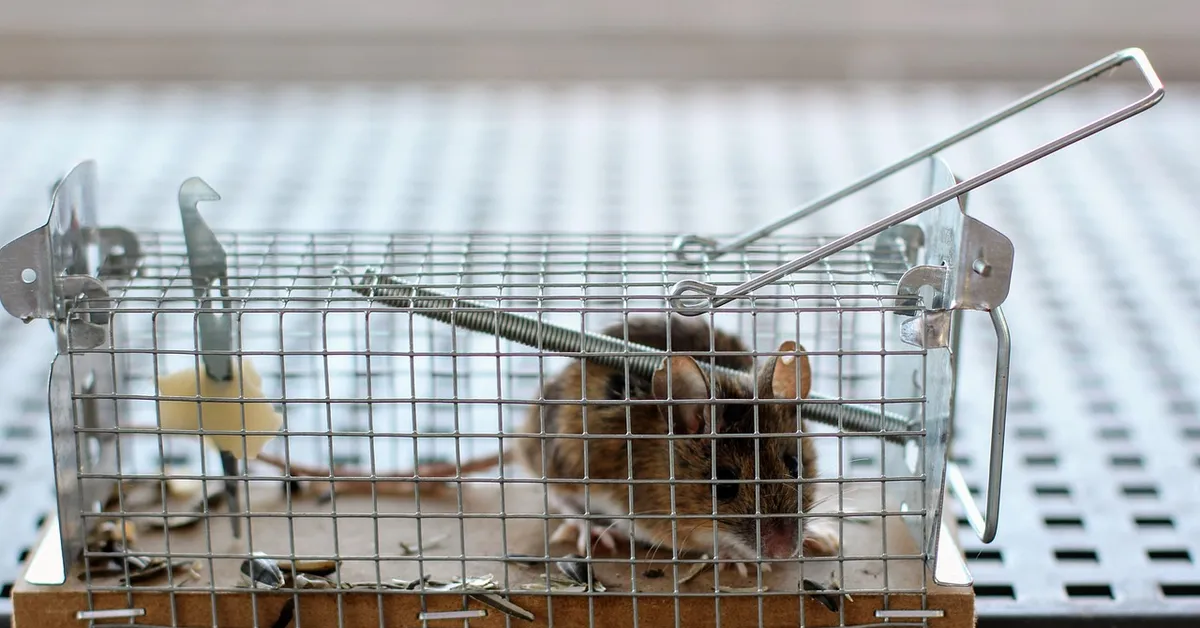
If you’re hearing faint, high-pitched squeaks and rapid, light scrabbling, you’re likely listening to a mouse. Their noises are distinctly lighter and faster than the heavier, more deliberate sounds made by larger rodents like rats. A rat’s movement sounds like a slow, thumping drag, while a mouse is a series of quick, skittering steps. Squirrels, another common culprit, create a much louder, galloping noise, often accompanied by heavy rolling sounds as they move nuts. Mice vocalizations are also much softer and squeakier than the lower-pitched chattering of a squirrel. These sound differences are a quick clue when trying to tell mice from rats. For more signs to distinguish them, see the mice vs rats guide telling them apart.
House Settling and Pipe Noises
It’s easy to mistake the groans of your home for a tiny tenant. House settling produces random, singular creaks or pops, often triggered by temperature changes, whereas mouse activity is a persistent, rhythmic pattern. You’ll hear the same sequence of scratches or runs repeated along a predictable path, like a tiny commute. Plumbing noises are another common red herring; the sudden rush of water in pipes or the metallic ‘ping’ of expanding metal is sharp and isolated. Mouse sounds are organic and continuous, a sign of a living creature going about its business, not your house simply existing. Knowing what sounds mice hate can be key to deterring them once you’ve identified their presence.
What Different Mouse Sounds Actually Mean
Understanding Scratching Sound Patterns
Not all scratching is created equal. Pay close attention to the rhythm and location. A persistent, concentrated scratching sound often means a mouse is diligently building or expanding its nest, likely shredding whatever soft materials it has found. If the scratching is lighter and seems to travel, tracing a path along a beam, it’s probably just a mouse on the move. I’ve noticed with my own mice that a frantic, erratic scratch can indicate they’ve found something interesting to investigate or are trying to access a hidden food stash. The context of the sound tells you far more than the sound itself.
Reading Movement and Activity Sounds
The sounds of motion paint a vivid picture of their daily life. A soft, rapid pitter-patter is the sound of a mouse simply running from one point to another, a common noise during their most active hours at dawn and dusk. You might also hear a faint rustling, which is them nosing through insulation or other soft materials. When you hear a combination of light thumps and squeaks, you’re likely listening to social interaction—perhaps a brief tussle or playful chase. These subtle auditory clues help you understand not just that you have mice, but what they are doing in the quiet moments you can’t see.
What to Do After Identifying Mouse Sounds
Once you’re confident the scratching and pitter-patter belong to an uninvited wild guest, your immediate actions matter. Your first priority is to remain calm and avoid actions that could frighten the mouse into inaccessible parts of your home’s structure. Mice often scratch walls while foraging, nesting, or chewing to enlarge pathways, so sudden noise or movement can send them deeper into voids. Understanding this helps explain why calm, deliberate action improves your chances of dealing with the problem safely.
Begin by trying to locate the general area of activity. A simple trick I use is to press a drinking glass against the wall; the amplified sound can help you pinpoint the hotspot.
- Inspect for Entry Points: Carefully examine the exterior and interior of the identified wall. Look for gaps around pipes, cracks in the foundation, or holes near vents that are larger than a dime.
- Secure Food Sources: Ensure all human and pet food is in sealed, chew-proof containers. This includes bird seed and pet food bags, which are common attractants.
- Clean the Area: Thoroughly vacuum and wipe down areas near the wall to remove crumbs and potential nesting materials.
- Consult a Professional: For a humane and permanent solution, contact a wildlife removal expert. They can safely live-trap and relocate the animal and seal entry points effectively.
How Pet Mouse Sounds Compare to Wild Mice

The soundscape of a pet mouse enclosure is a world apart from the furtive noises of a wild intruder. Living with my boys—Kenny, Gregory, and Jeffery—has taught me that pet mice are far more vocal and their sounds are layered with clear social context. While a wild mouse is a ghost of faint scratches, a pet mouse is a chatterbox of daily life. Recognizing these vocal cues is crucial when deciding whether a mouse thrives in solitude or needs companions. A mouse social behavior guide can help interpret those signals and choose the right solitary or social setup.
Daytime vs. Nighttime Activity
Wild mice are primarily nocturnal, so the sounds you hear in your walls will almost always occur at night when they feel safest to forage. Pet mice, however, are crepuscular, meaning they are most active at dawn and dusk. You’d hear the happy rustle of bedding and the gentle whir of a wheel during these softer hours of the day, not just in the dead of night. It’s part of their natural sleep-wake cycle.
The Social Sound Palette
Wild mice are often solitary or live in very cautious family groups, so their sounds are limited to survival. Yet mice are social animals by nature, using vocalizations, scent, and touch to communicate and build relationships. In a pet cage, you hear a symphony of interaction:
- Bruxing: This is a soft, rhythmic grinding or chattering sound they make with their teeth when content. I often hear Gregory doing this while nestled in his favorite hide. It’s a sign of pure happiness you will never hear from a wild mouse.
- Playful Squeaks: These are short, high-pitched chirps during chasing or wrestling. Kenny lets out excited squeaks when he’s barreling through a cardboard tube. A wild mouse squeak is typically a brief, sharp alarm call of fear.
- Nest Building Rustles: The sound of a pet mouse meticulously shredding paper towel for its nest is a loud, purposeful crinkling. A wild mouse must be whisper-quiet, making its nest from stolen insulation or fabric, a nearly silent process.
Context is Everything
The most significant difference lies in the context of the noise. The frantic scratching in your wall is driven by panic and the need to escape or hide. The scratching from my pet mice’s cage is usually Jeffrey enthusiastically burying a prized berry or Kenny trying to climb the bars to greet me-it’s a sound of engaged, purposeful activity, not fear. One is a symptom of a problem in your home; the other is the comforting soundtrack of a thriving, cared-for life.
Frequently Asked Questions
Do mice make scratching noises?
Yes, mice do make scratching noises as a natural part of their behavior. In the wild, this often results from gnawing on surfaces like wood or drywall to manage their continuously growing teeth, or while gathering materials for nesting. For pet mice, you might hear similar scratching sounds in their enclosure, but these are typically less intense and associated with activities like burrowing in bedding or playing with toys, rather than survival-driven actions. This gnawing can lead mice to chew through materials such as cardboard, insulation, plastic, and even electrical wiring, causing damage and potential hazards. Hearing persistent scratching can therefore be a warning sign that mice are actively chewing through your belongings and may require inspection or control measures.
Can you hear mice scratching?
Yes, you can hear mice scratching, particularly in quiet settings such as at night or in undisturbed areas of your home. The sounds are usually faint but discernible, often echoing through walls if wild mice are present. For pet mouse owners, scratching noises from the cage are common and generally harmless, serving as an indicator of your pet’s engagement and health, unlike the alarming sounds from wild infestations that require attention.
Why is mouse scratching more common at night?
Mouse scratching is more common at night because mice are naturally nocturnal, meaning they are most active after dark. In the wild, this is when they forage for food, build nests, and avoid predators. Pet mice, while often crepuscular (active at dawn and dusk), may also exhibit increased scratching at night during their peak activity periods, but this behavior is typically part of their routine exploration and play, not a sign of distress.
Final Thoughts
You now possess the knowledge to distinguish the subtle soundtrack of a wall-dwelling mouse from the ordinary creaks and groans of your home. This awareness transforms a mysterious noise from a source of anxiety into a simple, identifiable event.
Listening with this new understanding allows you to respond calmly and effectively, whether the scurrying belongs to a wild visitor or simply echoes the playful antics of your own pet mice in their cage. Trust your ears-they are your most valuable tool in creating a peaceful environment for everyone, both inside the walls and out.
Further Reading & Sources
- r/homeowners on Reddit: Occasionally hear tiny mouse “scratching” in the walls/ceiling, but no evidence of rodents inside the house. Do I need to do anything?
- How to Get Rid of Mice in Walls | Hawx Pest Control
- How to Help Get Rid of Mice in Walls
Isabella is a passionate small pet enthusiast with over 8 years of experience in caring for mice. She loves sharing practical tips and heartfelt stories to help fellow mouse owners provide the best care for their tiny companions.
Signs of Infestation