
Assessing Your Mouse’s Quality of Life: A Gentle Framework
Have you ever watched your mouse and wondered if they’re genuinely thriving, not just surviving? Based on my experience with mice like Kenny and Gregory, I’ve designed a compassionate, easy-to-follow system that helps you evaluate their happiness and health without guesswork.
This article will walk you through observing behavior, checking environmental factors, and interpreting subtle cues. You’ll gain a clear, actionable plan to monitor well-being and make thoughtful adjustments for a joyful, vibrant companion.
Why Quality of Life Assessment Matters for Your Mouse
Observing your mouse’s daily life with a gentle, assessing eye is one of the most profound acts of care you can provide. This consistent attention allows you to catch subtle shifts in health or happiness long before they become emergencies. You become a partner in their wellbeing, not just a spectator.
Mice are masters of disguise when it comes to pain and illness, a survival instinct from their wild ancestors. A structured quality of life framework helps you see past their brave faces and understand their true, unspoken needs. It transforms your care from reactive to proactive, ensuring their days are filled with comfort and joy. Stress can trigger stress-related illnesses in mice that are easy to miss, so spotting subtle behavioral or physical changes is vital. Using the framework makes it easier to identify stress-related signs early and intervene before problems escalate.
This process is not about creating a checklist of perfection. It’s about building a deep, empathetic connection that honors your unique mouse’s journey through life. From my own experience, this mindful approach has helped me provide better comfort for my older mouse, Gregory, while understanding the boundless energy of my younger ones.
Understanding What “Normal” Looks Like for Your Mouse
Every mouse is a tiny, whiskered individual with their own normal. What is typical, energetic behavior for one might be a sign of stress or illness for another. The first step in any assessment is learning your specific companion’s personal standard for a good day.
Documenting Your Mouse’s Baseline Behavior
I keep a simple mental log of my mice’s routines. You don’t need a formal journal; just consistent observation. Noticing their daily rhythms gives you a powerful baseline to measure any changes against. Pay attention to these key areas over a week or two to establish their personal normal. This includes performing regular health checks to make sure they’re feeling good.
- Activity Peaks: Note the times of day they are most active. Is your mouse a dawn explorer or a midnight runner?
- Eating and Drinking Habits: Observe how much they eat, their favorite foods, and their typical water intake.
- Social Interactions: Watch how they interact with cage mates. Are they the leader, the follower, or a peaceful co-exister?
- Grooming Routines: A well-groomed coat is a sign of a content mouse. Note how often they self-clean.
- Vocalizations and Posture: Learn the meaning of their squeaks and the story told by their body language when relaxed.
| Category | What to Look For | Example from My Mice |
|---|---|---|
| Energy Level | Duration and vigor of active periods | Kenny has short, explosive bursts of energy, while Gregory prefers steady, calm exploration. |
| Appetite | Enthusiasm for food and chewing behavior | Jeffery is a dainty eater, carefully nibbling berries, whereas Kenny devours sunflower seeds with gusto. |
| Sleep Patterns | Preferred sleeping spots and depth of sleep | Gregory sleeps soundly in his hut, but Jeffery often naps lightly, easily startled by movement. |
Recognizing Breed and Age Differences
A young mouse and an elderly mouse live in entirely different worlds, and their quality of life looks different too. Aging is a natural process, and adjusting your expectations is key to providing compassionate, lifelong care. Breed can also influence their general activity levels and potential health predispositions.
- Youthful Mice (under 6 months): Expect high energy, curiosity, and rapid, sometimes clumsy, movement. Play is a huge part of their quality of life.
- Adult Mice (6-12 months): You’ll see a settling into established routines. They are often at their most robust and socially interactive.
- Senior Mice (over 1 year): Activity naturally slows. They may sleep more, groom less meticulously, and prefer softer foods. Quality of life for a senior focuses on comfort, easy access to resources, and pain management.
My mouse Gregory, who is older, now finds his joy in a warm nap and a steady routine, while young Kenny’s quality of life is defined by adventure and new climbing challenges. Celebrating what brings your mouse contentment at their specific life stage is the heart of a good quality of life assessment.
Daily Health Indicators to Monitor
Physical Appearance and Grooming
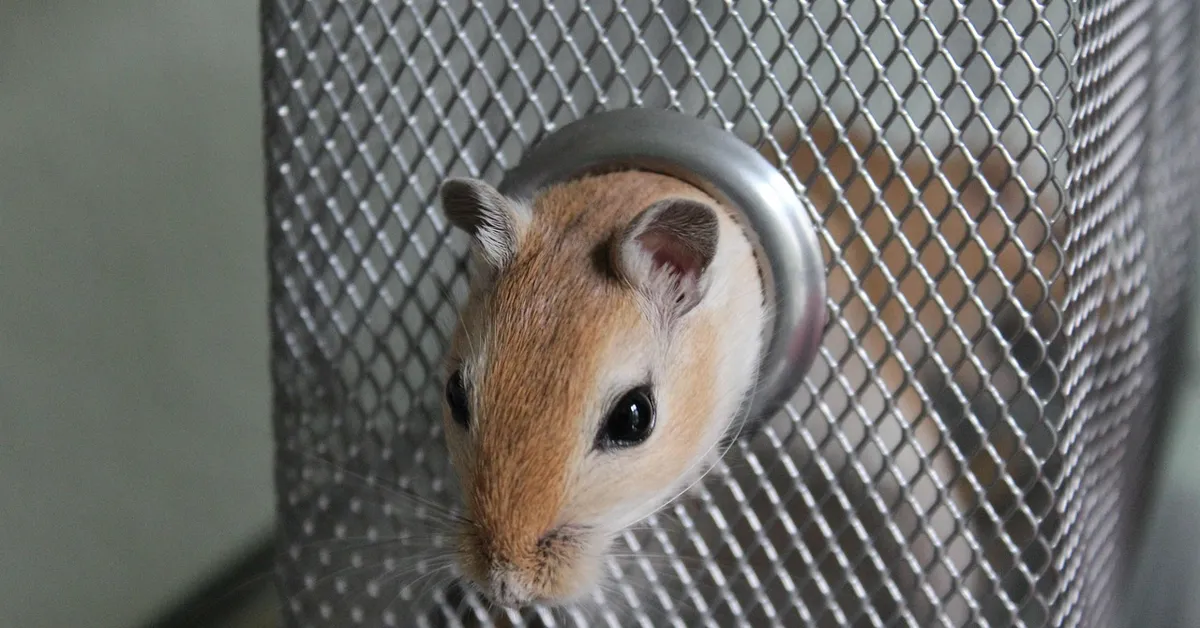
A healthy mouse dedicates significant time to its appearance. You should see a coat that lies flat and has a soft sheen, free from bald patches or excessive greasiness. Watch for a well-groomed mouse; a disheveled coat is one of the first and clearest signs that something is amiss. Pay attention to grooming signs like matted fur, bald patches, excessive scratching, or greasy clumps. Changes in how often or how thoroughly your mouse grooms itself are important indicators. Check their eyes—they should be bright, open fully, and free of any crusty buildup or redness. Look for clean ears and a tail that is smooth, not red, scaly, or showing any rings of constriction.
Eating, Drinking, and Weight
Monitor their food dish and water bottle daily. A sudden drop in consumption is a major red flag. I gently weigh my mice, like Jeffery, every week using a small kitchen scale; even a few grams of weight loss can be significant for such a tiny creature. Consistent eating and drinking habits are fundamental pillars of good health, and any change warrants your close attention. Offer a variety of foods and note their preferences, as a sudden disinterest in a favorite treat can be very telling.
- Observe daily food and water intake.
- Perform weekly weigh-ins to track trends.
- Note changes in food preferences or chewing ability.
Movement and Mobility
Your mouse should move with purpose and coordination. Watch for a smooth, fluid gait without any limping, wobbling, or dragging of limbs. A healthy mouse explores its environment with confidence, not hesitation or visible strain. Notice how they climb, burrow, and use their wheel. Any reluctance to move, a hunched posture when stationary, or difficulty navigating familiar terrain suggests pain or weakness that needs investigation.
Social Behavior and Interaction
Mice are deeply social, and their interactions with cage mates speak volumes. Healthy mice will sleep in a pile, engage in gentle play wrestling, and groom each other. The social dynamic of your mouse group is a live feed into their collective well-being. Watch for any mouse that is being bullied or is isolating itself from the group. My mouse Gregory, for instance, acts as a calm anchor for his more energetic brothers, and a change in his tolerant nature would be immediately noticeable. Knowing how to differentiate dominance from bullying is essential in such cases.
Breathing and Respiratory Health
Listen closely when your mouse is at rest. Their breathing should be silent and effortless. Any sound-wheezing, clicking, or congestion-is abnormal. Respiratory issues are common in mice, and audible breathing is never something to ignore. Look for other signs like porphyrin staining (red crusts) around the eyes and nose, which can indicate stress or illness, even if you don’t hear anything yet.
Recognizing Behavior Changes That Signal Declining Welfare
Subtle Signs of Discomfort or Pain
Mice are prey animals and excel at hiding weakness. You must become a detective of small cues. A mouse flinching when touched, over-grooming one spot until it’s raw, or repeatedly squinting its eyes is communicating discomfort. Other subtle signs include a change in vocalization, like increased squeaking when handled, or a new reluctance to be picked up at all. They may also stop stretching out fully when they sleep, remaining in a tight, tense ball. These visible behaviors form the core of a visual behavioral guide to signs of stress in mice. Learning to spot them lets you quickly assess their welfare and take appropriate action.
Cognitive Changes and Confusion
Watch for moments of disorientation. Does your mouse seem to get “lost” in a familiar cage? Do they pause for long periods as if unsure what to do next? Cognitive changes can manifest as a mouse forgetting the location of its nest or food dish, something it knew perfectly just days before. You might see repetitive, aimless circling or a blank, vacant stare instead of their usual bright curiosity.
Withdrawal and Reduced Engagement
A decline in welfare often shows up as a loss of joy. The mouse that once scrambled to the cage door for treats now stays in its hideout. When a mouse stops participating in the simple pleasures of life-exploring, playing, and socializing-it is a profound signal that its quality of life is diminishing. This isn’t just a “quiet day”; it’s a sustained lack of interest in their environment and companions. My adventurous Kenny would break my heart if he ever lost his spark for new tunnels and climbs.
Creating Your Quality of Life Scoring System
Key Categories to Score
Transform your observations into a simple, consistent tracking system. This removes guesswork and helps you see trends. I use a simple 1-3 scale for each category. A structured scoring system provides clarity and helps you make objective decisions based on your mouse’s lived experience, not just emotion.
| Category | Score 1 (Poor) | Score 2 (Fair) | Score 3 (Good) |
|---|---|---|---|
| Mobility & Activity | Little movement, hunched | Moves but slowly, reluctant | Active, climbs, runs on wheel |
| Appetite & Hydration | Eats/drinks very little | Eats/drinks moderately | Normal eating/drinking |
| Social Interaction | Isolated, avoids others | Tolerates but doesn’t seek | Seeks company, grooms mates |
| Hygiene & Grooming | Very ungroomed, messy | Attempts but patchy | Well-groomed, clean coat |
| Engagement & Spirit | No interest in surroundings | Mild interest, no play | Curious, playful, bright |
Tracking Changes Over Time
The true power of this system comes from consistency. Score your mouse every few days and log the results in a notebook or a simple spreadsheet. Tracking scores over time reveals the trajectory of your mouse’s well-being far more accurately than a single day’s assessment. A mouse that consistently scores a mix of 2s and 3s is likely enjoying a good life, even with minor issues. A pattern of declining scores, especially a drop to mostly 1s, provides a clear, documented picture that their condition is not improving and their comfort is the priority.
- Choose a consistent day and time for assessment.
- Quickly score each category based on recent behavior.
- Record the date and scores in your log.
- Review the log weekly to spot trends, not just daily fluctuations.
Improving Comfort and Supporting Quality of Life
Environmental Adjustments for Aging or Ill Mice
Creating a gentle, accessible habitat is one of the most impactful things you can do for a mouse with changing needs. Lowering water bottles and food bowls can make a world of difference for a mouse struggling with mobility or vision. I often repurpose shallow jar lids for food and water to eliminate any climbing.
Ramps are far superior to ladders for older mice like my Gregory, who appreciates a steady incline. You can create a more secure living space by replacing wire mesh platforms with solid floors covered in a soft, paper-based bedding. I also add extra hideouts made from cardboard or tissue boxes, placing them close to their food and water stations to minimize strenuous travel.
- Provide multiple, easily accessible nesting areas with extra soft materials like shredded paper towels.
- Ensure the cage is in a quiet, draft-free part of your home to reduce stress.
- Maintain a consistent temperature, as older mice can struggle to regulate their body heat.
Nutrition and Hydration Support
Appetite changes are a common challenge, and getting creative with food is key. Soaking their regular lab blocks in a little unsweetened apple juice or water can create a mushy, easy-to-eat paste that encourages eating. My Jeffery, who can be a hesitant eater, always perks up for this.
Hydration is critical, especially if a mouse isn’t moving around much to drink. Offering water-rich foods like cucumber, watermelon, or a droplet of water from your fingertip can supplement their fluid intake effectively. I always keep a small dish of water alongside their bottle, as some mice find it easier to drink from a stable source.
- Offer high-value, soft treats like avocado (in tiny amounts), baby food (no onion or garlic), or scrambled egg.
- Hand-feed small, tempting morsels to stimulate interest in food.
- Monitor water levels meticulously, as dehydration can worsen health issues rapidly.
Pain Management and Comfort Measures
Mice are masters at hiding discomfort, so we must be detectives of subtle signs. A mouse that is hunched, has a ruffled coat, or is squinting may be experiencing pain and should be evaluated by a veterinarian for safe pain relief options. Also watch for reduced activity, loss of appetite, altered grooming, or unusual aggression—these can all indicate pain. Regularly observing your mouse makes it easier to tell when something’s wrong. Never administer human medications, as they can be fatal to small animals.
You can provide immense comfort through simple, gentle care. Providing a small, snug heat pad (designed for pets) placed under part of the cage can offer soothing warmth to aching joints. Always ensure they can move away from the heat source if they become too warm.
- Groom your mouse softly with a soft-bristled toothbrush if they are no longer grooming themselves.
- Minimize handling and when you do, be exceptionally slow and supportive.
- Spend quiet time talking to them; the sound of your familiar voice is a profound comfort.
When to Seek Veterinary Care
Signs That Require Immediate Veterinary Attention
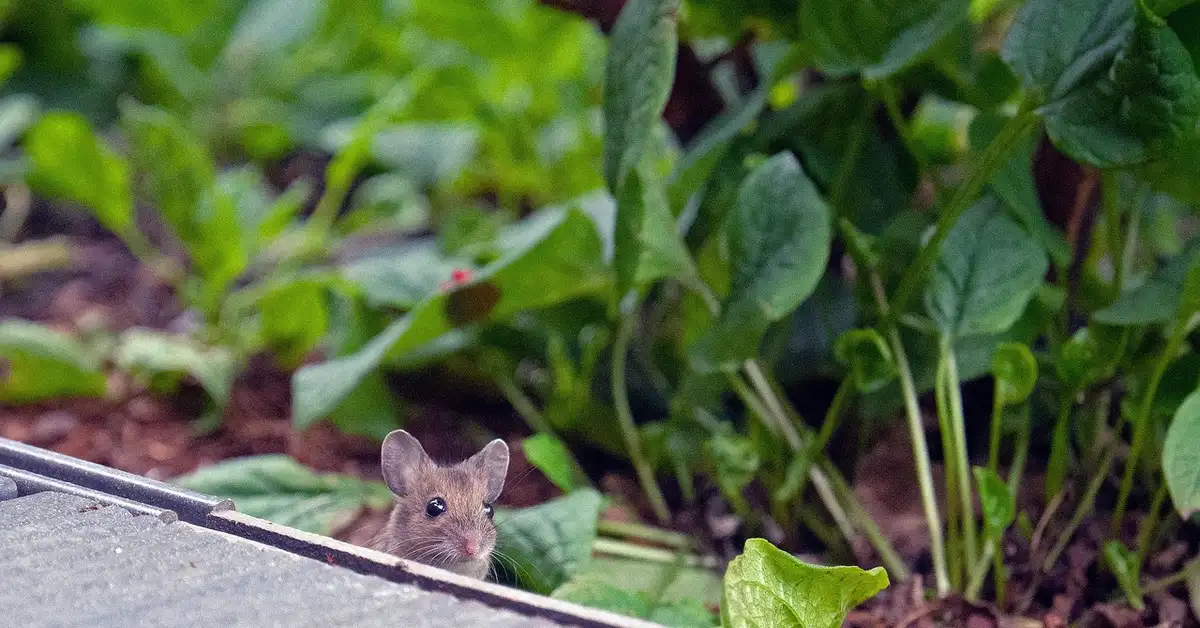
Some symptoms are clear indicators that professional help is needed without delay. Any sign of labored breathing, such as wheezing or puffing out the sides, is a serious emergency for a mouse. Other critical signs include prolonged lethargy where the mouse does not respond to touch or sound, visible bleeding, or a sudden loss of balance leading to rolling or circling. These critical indicators are highlighted in the universal signs sick mouse visual guide. The guide provides clear images and brief descriptions to help you quickly recognize each emergency and act fast.
I learned with my impulsive Kenny that rapid weight loss is another major red flag. A sharp decline in body condition, where the spine and hip bones become prominently visible, signals that the body is struggling to sustain itself. Any of these symptoms mean you should contact your vet immediately.
- Noticeable lumps or swellings that appear suddenly or grow rapidly.
- Discharge from the eyes or nose, especially if it’s colored.
- Straining to urinate or producing no droppings for over 12 hours.
Discussing Quality of Life With Your Vet
Your veterinarian is your partner in making the best decisions for your pet. Come to the appointment prepared with specific notes about your mouse’s daily habits, appetite, and energy levels to give the vet a clear picture. I often keep a small log for a few days before the visit. For your mouse’s first vet visit, expect a brief physical exam and a weigh-in. The vet will likely ask about housing, diet, and handling, and may recommend simple tests or preventive care.
Be open and honest about what you are observing at home. Ask direct questions like, “From what you see, is my mouse in pain?” or “What is a realistic outcome we can hope for with treatment?” This helps frame the conversation around your mouse’s wellbeing, not just treating a disease. A good vet will appreciate this holistic approach. When checking your mouse’s health at home, note appetite, activity, grooming, breathing and droppings, and share those observations with your vet. A photo or short video of any concerning signs can also be very helpful.
- Discuss the potential benefits and burdens of any proposed treatments.
- Ask for guidance on how to monitor for pain or discomfort at home.
- Request a prognosis-what the likely course of the illness will be with and without intervention.
Making Difficult End-of-Life Decisions
Recognizing When Quality of Life Has Declined Beyond Recovery
This is the hardest part of pet ownership, guided by love and selflessness. I use a simple daily checklist: is my mouse still able to do the things that make them “them,” like showing interest in a favorite treat or interacting gently with cage mates? When the bad days consistently outnumber the good, it’s a significant sign.
Look for a loss of essential life pleasures. A profound and persistent lack of interest in food and water, combined with an inability to move without difficulty, often indicates that a mouse’s body is shutting down. It is a heavier burden to keep them going for our own sake than to let them go for theirs.
- They can no longer reach food or water on their own.
- They appear to be in constant pain that cannot be adequately managed.
- They have chronic, labored breathing or frequent seizures.
Choosing Compassionate Euthanasia
Euthanasia is a final, profound act of love that ends suffering. The procedure, when performed by a qualified veterinarian, is a peaceful and painless process, typically involving first a sedative and then an overdose of anesthetic. Your mouse will simply fall asleep. Here’s what to expect during the procedure so you can feel prepared. We’ll explain the steps and the common signs you may notice as your mouse is cared for.
You have the right to be with your mouse during this process if you wish. Holding your mouse or simply being present allows them to pass in a familiar, loving environment, which can provide immense comfort to both of you. Do not feel pressured either way; it is a deeply personal choice.
- Discuss the entire process with your vet beforehand so there are no surprises.
- Consider bringing a favorite blanket or toy from home for them to nestle in.
- Understand that making this choice is not a failure, but the ultimate responsibility of a caring owner.
Comfort Care in Final Days
If you are providing hospice care at home, your focus shifts entirely to comfort and dignity. Keep your mouse in a warm, clean, and soft environment, offering their favorite foods and water by hand or from a spoon as long as they are willing to take them. Hydration is especially comforting.
Your presence is the greatest comfort you can offer. Speak to them in a soft, reassuring voice and gentle petting can communicate your love more powerfully than any medicine. The goal is not to cure, but to provide a peaceful and loving passage, free from pain and fear.
- Provide padded, absorbent bedding that is changed frequently to maintain cleanliness.
- Offer high-value, easy-to-eat foods like baby food or Ensure, without worrying about a balanced diet.
- Simply sit with them, offering the quiet comfort of your company.
Frequently Asked Questions
What does a comprehensive mouse welfare assessment protocol involve?
A comprehensive mouse welfare assessment protocol involves a step-by-step routine that includes regular health checks, behavior monitoring, and environmental evaluations to ensure all aspects of your mouse’s well-being are covered. By following a consistent schedule, such as weekly observations and monthly deeper assessments, you can systematically track changes and address any concerns proactively, ensuring your mouse remains healthy and content.
Are there any specialized tools available to assist with mouse welfare assessment?
Yes, there are specialized tools like digital tracking apps, printable behavior charts, and even simple spreadsheets that can help you log and analyze your mouse’s welfare indicators over time. These tools often include features for recording weight, activity levels, and social interactions, making it easier to identify patterns and share data with a veterinarian if needed for a more informed care approach.
How can a mouse welfare assessment contest benefit pet owners?
Participating in a mouse welfare assessment contest can provide valuable feedback from experts and fellow enthusiasts, helping you refine your observation skills and learn new techniques for evaluating your pet’s quality of life. These events often foster a supportive community where you can exchange tips and celebrate improvements, ultimately enhancing your ability to provide compassionate and effective care for your mouse.
Final Thoughts
Your gentle observation is the most powerful tool you possess for ensuring your mouse lives a full and comfortable life. This framework isn’t about creating worry, but about giving you a clear, compassionate lens to view their world through, from their daily zest to their quieter moments.
Trust the bond you share; your attentive care, guided by love, is the greatest gift you can give your small companion on their journey. You are not just a pet owner, but a dedicated guardian, and your thoughtful presence makes all the difference.
Further Reading & Sources
- Assessment of quality of life and wellbeing in mouse preclinical research – A scoping review – ScienceDirect
- r/buildapc on Reddit: What is the life span a computer mouse?
- The Best Computer Mice for 2025 | PCMag
Isabella is a passionate small pet enthusiast with over 8 years of experience in caring for mice. She loves sharing practical tips and heartfelt stories to help fellow mouse owners provide the best care for their tiny companions.
Signs of Illness