
Mouse Social Behavior: The Definitive Guide to Solitary or Social Lives
Have you ever watched your pet mouse and wondered if it feels lonely or perfectly content on its own? Many mouse owners grapple with this question, unsure whether their furry friend needs companionship to thrive. This guide draws from my years of hands-on experience to demystify mouse social instincts, offering you a clear, evidence-based path to understanding their true nature.
We will explore the fascinating dynamics of mouse interactions, from their natural group behaviors to signs of individual stress or happiness. You’ll gain insights into ideal housing setups, how to introduce mice properly, and recognize the subtle cues that reveal their social preferences.
Understanding Mouse Social Structure in the Wild
To truly grasp the needs of our pet mice, we must first peek into their complex world beyond our homes. In nature, mice are not loners; they are deeply social creatures that thrive in structured communities. Their survival depends on a sophisticated network of communication and cooperation that we rarely get to see in a cage. Observing these natural instincts helps us become better, more empathetic caretakers.
How Mice Communicate with Each Other
Mouse conversation is a rich tapestry woven from sounds, scents, and subtle movements far beyond human perception. They live in a world of intricate social signals.
- Ultrasonic Vocals: Mice produce high-frequency chirps and songs, completely inaudible to our ears, to express everything from joy and playfulness to alarm and distress.
- Scent Marking: They use urine and glands on their bodies to leave chemical messages. These scents define territory, signal reproductive status, and identify familiar colony members.
- Body Language: A huge part of their dialogue is visual. Grooming each other reinforces social bonds, while specific postures can indicate submission to a more dominant mouse or an invitation to play.
- Touch and Vibration: The gentle nudge of a nose or the coordinated huddling for warmth are powerful, non-verbal ways they maintain contact and security within the group.
Colony Dynamics and Hierarchy
Wild mouse colonies are not chaotic; they are organized societies with clear roles and rules. This structure minimizes conflict and maximizes the group’s chance of success.
- Establishing a Pecking Order: You will often find a dominant male and female at the top. This hierarchy is established and maintained through displays of confidence and sometimes brief, non-injurious scuffles.
- Cooperative Rearing: It’s common for female mice to share nesting duties and even nurse each other’s young. This communal care ensures the survival of the next generation.
- Division of Labor: While foraging, some mice may act as lookouts for predators while others gather food. This teamwork is a cornerstone of their collective safety.
- Territorial Defense: The colony works together to defend its shared home range and food caches from rival groups, a testament to their powerful group identity.
Are Pet Mice Social Animals?
The short, emphatic answer is yes. The social nature hardwired into their wild ancestors remains a driving force in our domesticated companions. Providing a solitary life for a social animal is like keeping a fish without water; it denies them a fundamental aspect of their being. Their need for companionship is not a luxury-it is a core requirement for their mental and physical health.
What Happens When Mice Live Alone
Isolation goes against every instinct a mouse possesses. I have seen the effects firsthand, and it is a quiet, heartbreaking decline. A lone mouse is a mouse in distress.
- Chronic Boredom and Depression: Without interaction, they often become lethargic, sleeping excessively and showing little interest in their environment or toys.
- Increased Anxiety and Stress: A solitary mouse is a perpetually nervous mouse. They feel vulnerable without the security of a group, which can weaken their immune system over time.
- Development of Stereotypies: This is the term for repetitive, compulsive behaviors like barbering (over-grooming to the point of hair loss) or endless cage circling. It’s a clear sign of psychological distress.
- Shortened Lifespan: The cumulative toll of chronic stress and loneliness can literally take years off their life. A lonely mouse is not a thriving mouse.
Social Bonding Between Mice
Watching a group of mice form their little family is one of the greatest joys of being an owner. The bonds they create are tangible and beautiful to observe.
- Allogrooming: This mutual grooming is the mouse equivalent of a hug. It cleans hard-to-reach spots and, more importantly, strengthens social ties and reduces tension within the group.
- Sleep Piles: You will rarely find pet mice sleeping apart. They instinctively huddle together in a warm, furry pile, which provides comfort, warmth, and a profound sense of security.
- Coordinated Play and Exploration: Happy mice do everything together. They will take turns running on the wheel, follow each other through tube systems, and investigate new treats as a united front.
- Unique Personalities Shine: In a group, you see their true selves. My mouse Jeffery, who is naturally anxious, gains confidence by shadowing the calmer, older Gregory. Their interactions create a balanced and dynamic social world right in your home.
Male vs Female Mouse Social Behavior
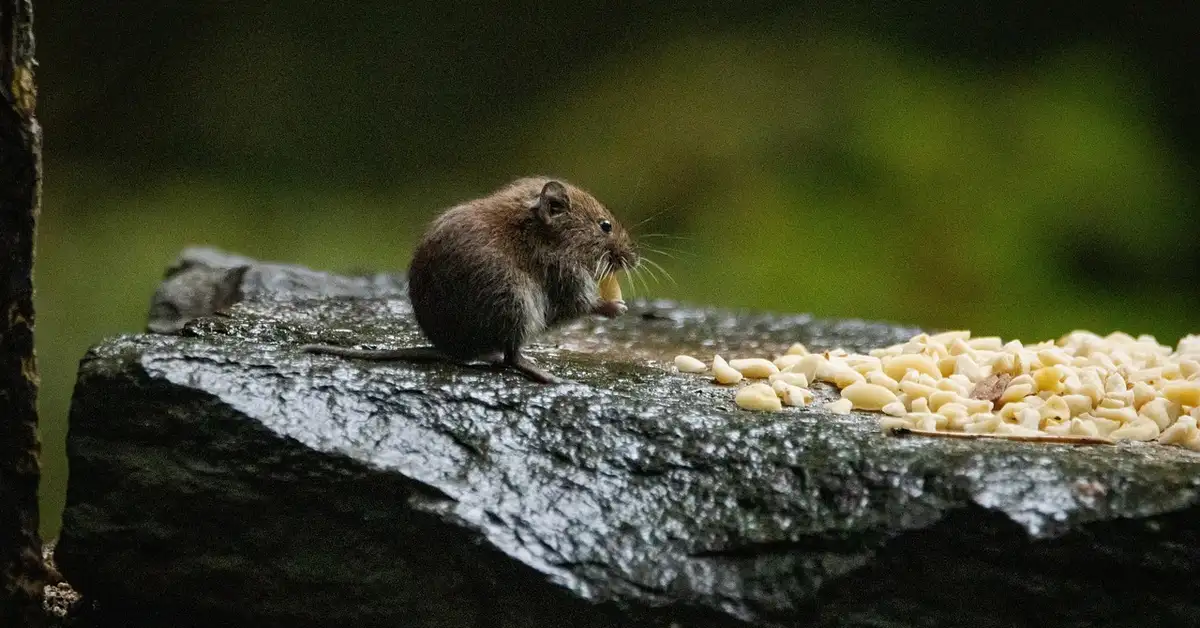
Male and female mice approach social life with fundamentally different strategies, a distinction I’ve observed time and again with my own pets. Female mice typically form intricate, cooperative groups that function like a tight-knit community. In my experience, female groups establish a fluid hierarchy where roles can shift, and they often sleep, forage, and explore in a coordinated unit. Unlike the all-male colonies I’ve encountered. Their social structure is built on mutual grooming and shared nest-building, creating a peaceful, collaborative environment.
Male mouse social dynamics require more careful management. While they can form deep, lasting bonds, their relationships are often underpinned by a more rigid hierarchy. The key to a successful male group, like my trio of Kenny, Gregory, and Jeffery, is introducing them young and ensuring their habitat is spacious and rich with enrichment. Even then, you might witness occasional dominance displays, such as a quick chase or a brief, rumbling vocalization, which are normal ways to maintain social order without true aggression.
How Many Mice Should You Keep Together?
Getting the group size right is one of the most impactful decisions you’ll make for your pets’ wellbeing. A solitary mouse is almost always a lonely mouse, as these are profoundly social creatures. Here are the ideal group compositions:
- Female Groups: Trios or quartets are ideal. They thrive in small communities and rarely have major conflicts.
- Male Groups: Pairs or trios work best. More than three unrelated males in one enclosure can significantly increase the likelihood of serious fighting.
- Litter Mates: Brothers or sisters raised together from birth typically form the most stable and harmonious groups.
The absolute minimum for any mouse’s mental health is a companion, but a trio is often the sweet spot, providing social security even if one pet passes away. My three boys demonstrate this perfectly; when one is napping, the other two often engage in gentle play, ensuring no one is ever truly alone.
Reading Mouse Social Behavior
Normal Social Interactions to Expect
Watching a healthy mouse group interact is a delightful experience. Their communication is a complex mix of subtle body language and ultrasonic chirps we can’t even hear. You will frequently see allogrooming, where mice gently nibble and lick each other’s fur and ears, which is a primary way they strengthen social bonds. This is the mouse equivalent of a friendly chat or a hug.
Other positive behaviors include synchronized activities, like all napping together in a single, messy pile or taking turns running on the wheel. Playful, non-injurious chasing, pouncing, and gentle wrestling are all signs of a happy, engaged social group, especially in younger mice. You might also see them share food, with one mouse taking a large item to a common area to be nibbled on by the others, a clear sign of a cooperative unit.
Warning Signs of Social Problems
It’s vital to distinguish normal social jostling from genuine distress. True aggression is not subtle and requires immediate attention to prevent injury. Watch for these specific red flags:
- Barbering: One mouse excessively chewing off the whiskers or fur of another, creating bald patches. This is a stress-related dominance behavior.
- Loud, sharp squeaking: Brief peeps during play are normal, but prolonged, distressed squeaks indicate fear or pain.
- Wounded Mice: Any visible scratches, bite marks, or scabs, especially on the back, rump, or tail, are a definitive sign that fighting has escalated.
- A bullied mouse will often become withdrawn, hunch its back, and may be prevented from accessing food, water, or the nest by its cage mates.
Intense, persistent chasing that doesn’t let up and involves cornering another mouse is a serious sign of bullying, not play.
If you notice any of these behaviors, the first step is to add multiple copies of essential resources-food bowls, water bottles, and hideouts-to reduce competition. If the behavior continues, you may need to permanently separate the aggressor for the safety and peace of the group.
How to Introduce Mice to Each Other
Setting Up for Successful Introductions
The first step is creating a neutral space where no mouse has established ownership. A thoroughly cleaned cage with entirely new bedding, toys, and hides is non-negotiable for a peaceful start. I always use a large plastic bin for these first meetings, as its smooth sides prevent climbing escapes and its open floor gives me a perfect view. That’s why DIY bin cages are the cornerstone of the “Bin Cages: Mice Ultimate DIY Guide”—they’re affordable, customizable, and ideal for these introductions. This guide will walk you step-by-step through building and outfitting one.
Smell is the primary sense for mice, so confusing their noses works in your favor. Rubbing a tiny dab of vanilla extract on each mouse’s back can help them all smell similarly pleasant and unfamiliar. You can also gently swap bedding between their separate cages for a day or two before the meet-up, letting them get used to each other’s scent from a safe distance. Mice rely heavily on scent marking and other olfactory signals to establish territory and social rank. By evening out individual odors, you reduce those cues and help them accept one another more quickly.
Provide an abundance of resources to eliminate competition from the very beginning. My setup always includes:
- Multiple food piles scattered far apart
- At least two water sources
- Several hideouts with more than one exit
- A deep layer of bedding for instant burrowing
Supervision is your most critical job during this phase. Plan to sit with them for at least an hour, watching for the subtle language of pinning, chasing, and loud, stressed chattering. Most initial squabbles are brief and settle down, but you must be ready to intervene if it escalates.
Troubleshooting Introduction Problems
Sometimes, despite perfect preparation, a mouse just doesn’t want a new friend. Recognizing the difference between normal hierarchy establishment and genuine aggression is the key to preventing injury. A little chasing and squeaking is typical; fur flying, biting, and rolling ball fights are not.
If tensions rise, do not use your bare hands to separate them. A sudden movement can cause a redirected bite. I keep a thick towel or a small dustpan nearby to gently slide between arguing mice, breaking their line of sight. Immediately place the agitated mice back into their own, separate temporary cages to cool down.
The “carrier method” is a fantastic last-resort technique for stubborn cases. Place all the mice in a very small, smooth-sided carrier with just a bit of food and a water bottle for several hours. The shared, stressful environment often forces them to huddle together for comfort, forging a bond out of necessity. After they are calm and sleeping together, you can transfer the entire group to the freshly prepared neutral cage. Note this technique is meant to bond mice with one another, not to introduce mice to other species. If you keep mice with other pets, never confine them together and always supervise interactions while using secure, escape-proof enclosures.
Be patient. Some mice, like my cautious Gregory, need more time to accept newcomers. Never force a pairing; sometimes the kindest solution is to accept that two mice are simply not compatible and manage them as separate, happy colonies.
Managing Territory and Dominance Issues
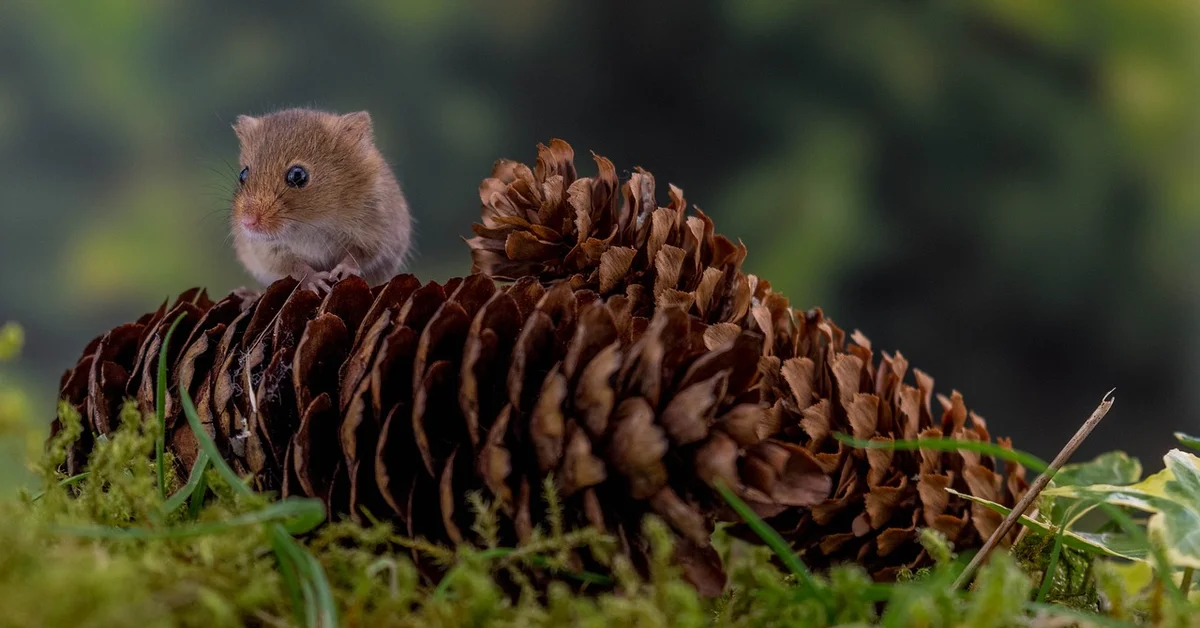
Once your mice are living together, you will notice a social structure form. A healthy hierarchy involves one mouse being the clear, confident leader while the others respectfully defer. My Kenny is often the top mouse, confidently strutting and initiating play, while Jeffery happily follows his lead.
You can support a stable social order through thoughtful cage design. Arrange your cage to have an open “town square” in the middle with resources around the edges, which reduces guarding behavior at key locations. Avoid having only one coveted hammock or hideout at the highest point, as this becomes a trophy to be fought over.
Watch for these positive signs of a settled group:
- Sleeping together in a big, furry pile
- Peacefully eating from the same food bowl
- Grooming each other, especially around the face and ears
- Engaging in gentle, playful wrestling with no loud squeaks
Dominance becomes a problem when it turns into bullying. A bullied mouse will often look scruffy, lose weight, and spend most of its time hiding away from the others. If you see this, you may need to temporarily remove the bullied mouse for a health check and consider a permanent separation if the behavior persists. Observe whether interactions are brief and reciprocal (normal dominance) or relentless and one-sided (bullying). Spotting these unhealthy relationships early lets you intervene before injuries or chronic stress occur.
Barbering, where one mouse chews the fur or whiskers of another, is a complex behavior. They may chew fur to assert dominance, reduce tension, or as part of social grooming rituals. Environmental stressors, overcrowding, or genetic predisposition can increase the behavior. Sometimes it’s a sign of stress or dominance, but it can also be a misguided act of social grooming within the group. Monitor the barbered mouse; if it is not being prevented from eating or sleeping and isn’t showing signs of fear, it may simply be their group’s unique dynamic.
Are Mice Social with Humans?
Many new owners wonder if their affection is reciprocated. Mice absolutely recognize and form unique bonds with their human caretakers, though their social behavior with us is different from their interactions with cage mates. They learn to associate your presence with safety, interesting smells, and the best food deliveries. You become a fascinating, giant part of their ecosystem.
My own mice display distinct personalities during our interactions. Kenny, for instance, will eagerly climb onto my hand without hesitation, driven by pure curiosity. Gregory prefers to observe from a comfortable distance, accepting a treat with deliberate care. Building trust is a gradual process that requires you to move at their pace, not yours. It’s about proving you are a consistent source of good things, not a threat.
- Voice Recognition: Speak to them softly each time you approach the cage. They will quickly learn the sound of your voice and become less startled by your presence.
- The Hand as a Friend: Start by placing your still hand inside the cage, allowing them to investigate on their terms. Offering a small, high-value treat like a piece of unsalted sunflower seed from your palm works wonders.
- Respect Their Mood: Some days, a mouse might be more adventurous and crawl right on. Other days, they may just want to sniff and retreat. Forcing interaction breaks trust.
- Scent Bonding: Leave a small, clean piece of fabric or a paper towel that you’ve handled in their cage. This helps them get accustomed to your scent in a safe, neutral way.
Environmental Enrichment for Social Mice
A socially fulfilled mouse is an active and curious mouse. Enrichment is not a luxury; it is a fundamental requirement for their mental and physical well-being. A barren cage leads to boredom, stress, and even depression. Your goal is to create a dynamic habitat that encourages natural behaviors like foraging, climbing, hiding, and playing.
I like to think of the cage as a tiny, ever-changing mouse metropolis. I rotate toys and rearrange tunnels weekly to keep things fresh. Watching them explore a new layout is one of the greatest joys of pet ownership. Those simple habits are exactly the kind of tips you’d find in an ultimate guide to mouse cages. It covers smart layouts, enrichment ideas, and safety essentials to help you create a happy, stimulating home. Jeffery, my most cautious mouse, will tentatively peek into a newly placed tunnel, his little nose twitching with excitement and apprehension.
- Foraging Fun: Scatter their daily food ration throughout the bedding instead of using a bowl. Hide treats inside empty toilet paper tubes or crumpled brown paper bags.
- Climbing Structures: Provide bird ladders, ropes made from natural fibers, and securely fastened branches from safe trees like apple or willow.
- A Variety of Hideouts: Offer multiple hiding spots made from different materials-clay pots, coconut hides, wooden houses, and plastic igloos. This gives them choices for sleeping and feeling secure.
- Digging Boxes: Fill a small, shallow container with organic soil, coconut fiber, or even shredded paper. Mice love to dig and burrow, and this provides a fantastic outlet for that instinct.
- Safe Chewing Options: Constant access to chew toys made of untreated wood, loofah, or hay is vital for keeping their ever-growing teeth trimmed and healthy.
- Textural Variety: Use a deep layer of a soft, paper-based bedding and add in patches of aspen shavings or hay to create different textures under their feet.
Frequently Asked Questions
Are mice social animals?
Yes, mice are inherently social animals that have evolved to live in structured groups. In the wild, they rely on complex communication and cooperation for survival, and this social need remains strong in pet mice, who require companionship to prevent stress and promote mental well-being.
Keeping a mouse alone goes against its natural instincts and can lead to behaviors like lethargy or over-grooming. For their health and happiness, it’s best to house them with other mice in pairs or small groups, as they engage in bonding activities like mutual grooming and shared sleeping.
Are mice social with humans?
Mice can form unique bonds with their human caretakers, though their social interactions with people differ from those with other mice. They learn to recognize their owner’s voice and scent, often associating them with safety and positive experiences like feeding and handling.
Building trust takes patience, as mice may approach humans out of curiosity or for treats, but they generally do not seek the same level of social engagement as with cage mates. Respecting their individual personalities and allowing them to initiate contact helps foster a positive relationship over time.
Are mice social pets?
Mice are highly social pets that thrive when kept with companions, making them engaging and interactive for owners. Their group dynamics, such as playing, exploring, and grooming together, provide fascinating observations and ensure they lead enriched lives in captivity.
However, their social nature requires careful management, including proper introductions and a well-equipped habitat to prevent conflicts. When housed correctly, mice exhibit lively, cooperative behaviors that make them rewarding pets for those who appreciate their communal instincts.
Final Thoughts
Observing the intricate social world of your mice is one of the most rewarding parts of being a pet owner. Their complex communication, from gentle grooming to playful wrestling, reveals a depth of character far beyond what many expect from such small creatures.
Providing a proper social environment allows your mice to express their full, natural behaviors and live their most content lives. Mice are social animals, so with patience and careful attention to their unique personalities, you can create a harmonious home where every mouse feels secure and connected.
Further Reading & Sources
- From rodents to humans: Rodent behavioral paradigms for social behavioral disorders – PMC
- Ultrasonic signals associated with different types of social behavior of mice | Nature Neuroscience
- Distinct dynamics of social motivation drive differential social behavior in laboratory rat and mouse strains | Nature Communications
Isabella is a passionate small pet enthusiast with over 8 years of experience in caring for mice. She loves sharing practical tips and heartfelt stories to help fellow mouse owners provide the best care for their tiny companions.
Understanding Mice Behavior