
Obsessive-Compulsive Behaviors in Pet Mice: Recognizing Circling, Pacing, and Backflipping
Have you watched your mouse repeat the same spinning or pacing motions over and over, leaving you anxious about what might be wrong? Seeing these persistent actions can stir up real concern and make you wonder if your mouse is stressed or in discomfort.
This article will give you a clear path to identify and address these habits with confidence. You will learn the common causes of circling, pacing, and backflipping, how to spot when it becomes a problem, and practical ways to support your mouse’s well-being.
What Are Stereotypic Behaviors in Pet Mice?
Stereotypic behaviors are repetitive, fixed actions that serve no obvious purpose, often stemming from an inability to cope with an environment or situation. Think of it as your mouse’s brain getting stuck in a frustrating loop, performing the same motion again and again without relief. These are not simple habits or quirks; they are outward signs of internal distress. In my own experience, seeing a mouse develop these patterns is a clear signal that something in their world needs to change immediately.
These actions differ greatly from normal, inquisitive mouse conduct. A healthy, curious mouse will investigate every corner of its cage with varied movements and clear intentions, while a mouse performing stereotypic behaviors appears almost robotic in its repetition. The action is the entire point, not a means to an end like finding food or nesting material. Watching how mice interact with toys helps distinguish curious play from rigid stereotypy, and providing varied enrichment encourages natural exploration and better psychological welfare.
Recognizing Circling, Pacing, and Backflipping in Your Mouse
Spotting these behaviors early gives you the best chance to help your pet. You know your mouse’s normal personality best, so trust your instincts if something seems persistently off in their movement patterns. Watch for actions that are rigid, lack variation, and seem to consume an unusual amount of their waking hours. Such shifts in behavior can indicate pain or injury. The following section explains how to tell if your mouse is in pain so you can seek appropriate care.
What Circling Looks Like
This isn’t the occasional spin during play or exploration. True compulsive circling is a tight, relentless loop, often performed in the exact same spot in the cage for minutes on end. The mouse’s head might be slightly lowered, and its entire focus is on the circular path. It’s a stark contrast to my mouse Kenny’s normal, darting explorations, which are full of sudden stops and changes in direction.
- Tight, repetitive loops in a single location.
- Movement appears driven and urgent, not playful.
- Often ignores distractions like food or cage mates during the behavior.
- May be accompanied by a vacant or hyper-focused expression.
Identifying Pacing Patterns
Pacing is a relentless back-and-forth motion along a fixed route. You’ll see your mouse trace the same line, often along a wall or the front of the cage, turning at the same points every time like a tiny, distressed sentry. Their gait can seem mechanical, and they rarely deviate from their self-imposed track to sniff or climb.
- Repetitive traversal of a straight or slightly curved path.
- Movement is consistent and lacks the pauses of normal patrolling.
- The path is predictable and repeated dozens of times in a single session.
- The mouse seems unaware of or uninterested in its surroundings beyond the path.
Spotting Backflipping Behavior
Backflipping is one of the most dramatic and concerning compulsive behaviors. This is not a joyful, acrobatic leap; it’s a frantic, often clumsy, backward somersault performed repeatedly. The mouse may land awkwardly and immediately launch into another flip. My little Jeffery has a naturally jumpy temperament, but I can distinguish his nervous hops from the frantic, repetitive nature of true backflipping.
- A rapid, uncontrolled backward somersault.
- Performed in quick succession with little recovery time between flips.
- Can lead to the mouse bumping into cage walls or furnishings.
- Often appears more like a seizure of movement than intentional play.
Other Compulsive Mouse Behaviors to Watch For
While circling, pacing, and backflipping are common, stereotypic behavior can manifest in other ways. Any action that is repeated rigidly and excessively, without a clear goal, should be noted as a potential sign of distress. Keeping a mental log of these behaviors helps you see patterns and triggers.
- Barbering: Compulsively over-grooming themselves or a cage mate, leading to bald patches.
- Weaving: Swaying the head and upper body rhythmically from side to side while stationary.
- Digging in a Corner: Scratching relentlessly at one specific spot on the cage floor without attempting to burrow.
- Wire Gnawing: Chewing fixedly on cage bars in one location, distinct from the varied chewing of enrichment toys.
What Causes These Repetitive Behaviors in Pet Mice?

Environmental Stress and Understimulation
Imagine living in a room with nothing to do and nowhere new to explore; your mind would start creating its own routines, and that’s precisely what happens to a mouse in a barren habitat. A cage that is too small, lacks hiding spots, or offers no variety is a primary driver for these compulsive actions. I’ve seen it firsthand-when my setup was less complex, my mouse Kenny’s circling increased dramatically. Mice are intelligent foragers who need to solve puzzles and investigate new scents daily; without that mental workout, their energy turns inward into frantic, repetitive loops.
- Insufficient Space: Cages that don’t allow for proper running, digging, and climbing fail to meet a mouse’s basic needs.
- Lack of Enrichment: No tunnels, wheels, chew toys, or foraging opportunities leads to profound boredom.
- Predictable Routine: Always feeding at the same time with the same food in the same bowl offers no mental challenge.
- Social Stress: An unstable group hierarchy or bullying from cage mates can create chronic anxiety.
Genetic Factors and Strain Differences
Just as some dog breeds are more prone to specific traits, certain lines of mice have a genetic predisposition for compulsive behaviors. Through years of keeping different mice, I’ve observed that some individuals seem hardwired for higher anxiety and sensitivity from the start. My white mouse, Jeffery, has always been more jumpy and prone to quick, repetitive motions than his more stoic cage mate, Gregory. Backflipping, in particular, is a behavior often noted in specific genetic lines, appearing even when their environment seems perfect.
- Bred for Research: Some pet mice descend from lines bred for neurological studies, which can influence their behavior.
- Inherited Neurological Wiring: The brain pathways controlling movement and habit can be more easily triggered in some mice.
- Coat Color Links: Anecdotally, certain coat colors (like white with pink eyes) are sometimes associated with a higher incidence of quirky behaviors.
Physical Health Issues That Trigger Compulsive Behavior
Never dismiss a sudden onset of circling or pacing as purely a behavioral issue; it can be the main signal that something is physically wrong. A mouse that starts spinning relentlessly might be suffering from an inner ear infection, causing a severe loss of balance and vertigo. I once had a mouse whose frantic circling was the only clue to a developing health problem that needed immediate veterinary care. Pain from an undetected injury or a neurological condition can also manifest as these seemingly mindless repetitions.
- Ear Infections: Affect the vestibular system, leading to head tilting and compulsive circling.
- Neurological Damage: Can result from strokes, tumors, or injuries, disrupting normal movement.
- Pain or Discomfort: Arthritis or a sore limb might cause a mouse to pace or move in an unusual, repetitive pattern to cope.
- Vision Problems: Poor eyesight can cause a mouse to stick to a familiar, “safe” path around its cage.
Normal Mouse Activity vs. Compulsive Stereotypy
It’s vital to distinguish between a happy, active mouse and one trapped in a compulsive cycle. A normal mouse explores its space with purpose and variety-it might run on its wheel, then burrow, then groom, then nibble a treat. The key difference lies in flexibility and interruptibility; you can easily distract a normally active mouse with a tasty snack or a new toy. Stereotypy, on the other hand, is rigid. It’s a behavior performed in an identical, repeated manner, often for long periods, and the mouse seems unable to stop even when something more interesting is offered. The action serves no apparent purpose and replaces almost all other natural behaviors.
- Normal: Running on a wheel for a while, then stopping to do something else.
- Compulsive: Running on a wheel in a frantic, unbroken rhythm for hours.
- Normal: Grooming after waking up or eating.
- Compulsive: Over-grooming to the point of creating bald spots or sores.
- Normal: Investigating the same corner of the cage once a day.
- Compulsive: Tracing the exact same path along the cage walls over and over.
Immediate Steps When You Notice Repetitive Behaviors
The moment you spot a potential compulsive pattern, your calm and thoughtful response can make a world of difference. Your first action should always be to observe carefully without disturbing the mouse, noting the behavior’s duration, frequency, and context. Panicking or immediately trying to handle your mouse can add more stress. I learned this with Kenny; my initial urge was to stop him, but giving him space to show the full behavior helped me understand the true trigger. Start with the least invasive changes to see if you can break the cycle.
- Assess the Environment: Is the cage clean, spacious, and full of engaging toys? Is the wheel the right size and turning freely?
- Introduce Novelty: Scatter their food instead of using a bowl. Add a cardboard tube with treats inside or a new, safe-smelling piece of wood to chew.
- Check for Social Harmony: Watch the group dynamics. Is one mouse being bullied or prevented from accessing resources?
- Schedule a Vet Visit: Rule out any underlying medical causes, especially if the behavior is new, sudden, or intense.
- Re-evaluate the Setup: Sometimes, a simple cage rearrangement can provide enough new stimulation to interrupt the compulsive loop.
How to Reduce and Manage Stereotypic Behaviors
Environmental Enrichment to Break the Pattern
Think of your mouse’s brain like a record stuck in a groove; enrichment is the gentle nudge that lifts the needle. Providing a dynamic, ever-changing environment is the single most powerful tool for disrupting the monotonous cycle of stereotypic behavior. The goal is to engage their natural instincts to explore, forage, and problem-solve. Enrichment acts directly on the brain, boosting neural plasticity and resilience. That’s why varied toys, nesting materials, and problem-solving opportunities are crucial for a healthy mouse brain.
- Rotate Toys Weekly: Do not let the cage layout become predictable. I swap out tunnels, little wooden houses, and chew toys every seven days to create a “new” world for my boys to investigate.
- Introduce Novel Scents: A drop of vanilla extract on a wood block or a sprig of fresh, mouse-safe herbs like cilantro can provide immense mental stimulation.
- Create a “Dig Box”: Fill a small, sturdy container with coconut fiber soil or crinkled paper strips. My mouse Jeffery, who used to pace, now spends happy hours tunneling and burrowing.
- Offer Various Textures: Scatter different materials like fleece scraps, seagrass mats, and smooth stones around the cage to encourage tactile exploration.
Cage Setup Changes for Mice With Compulsive Behaviors
The physical layout of your mouse’s home can either calm a restless mind or fuel its anxieties. A thoughtfully arranged cage minimizes open, exposed spaces that can trigger nervous pacing or circling. You want to build a landscape that feels secure and interesting from every angle. Our ultimate guide to mouse cages walks through cage designs, hiding spots, and enrichment ideas to help you achieve this. Use these tips to choose or customize the perfect setup for your mice.
- Maximize Vertical Space: Use ropes, ladders, and platforms to create a multi-level habitat. This encourages healthy climbing instead of frantic ground-level circling.
- Create “Destinations”: Ensure every corner has a purpose-a hammock here, a food puzzle there, a water bottle in another spot. This gives them a reason to move with intention.
- Strategic Hiding Places: Place multiple hideouts throughout the cage, not just in one area. This allows a nervous mouse to always be within darting distance of safety, reducing the need for compulsive patrolling.
- Barrier Use: For persistent corner-circlers, I’ve had success gently blocking the favored corner with a new toy or a small, heavy ceramic dish, forcing a change in route and breaking the habit.
Social Structure and Companionship
Mice are profoundly social creatures, and their mental well-being is deeply tied to their relationships. A stable, harmonious group provides a constant source of social enrichment that can distract from internal compulsions. Loneliness and social stress are major triggers for these behaviors.
- Assess Group Dynamics: Watch your mice interact. Is one mouse being bullied or excluded? Stress from a poor social fit can manifest as stereotypic behavior in the victim.
- Maintain Stable Groups: Avoid frequently introducing new mice, as the social upheaval can be incredibly stressful. My older mouse, Gregory, provides a calming influence on the more impulsive Kenny, creating a balanced dynamic.
- Companionship is Non-Negotiable: A solitary mouse is far more likely to develop compulsive behaviors. They need the grooming, playing, and sleeping huddles that only another mouse can provide.
Behavioral Modification Techniques
You can actively train your mouse to replace an undesirable compulsion with a positive action. This process requires immense patience, but it empowers you to directly reshape your pet’s habits. It’s about communication and positive reinforcement.
- Identify the Trigger: Does the circling start when you turn on a certain light? Or after a loud noise? Pinpointing the catalyst is your first step.
- Interrupt and Redirect: The moment you see the behavior begin, make a gentle noise (like a soft click) and immediately offer a high-value treat or a new, engaging toy.
- Clicker Training: Using a quiet clicker, you can “mark” the exact moment your mouse chooses to do anything *other* than the compulsive behavior, followed by a reward. This builds new, positive neural pathways.
- Keep Sessions Short: A mouse’s attention span is brief. Aim for two or three five-minute training sessions per day to avoid frustration for both of you.
Diet and Feeding Enrichment
How and what you feed your mouse can be a form of cognitive therapy. Turning mealtime into a challenging puzzle forces your mouse to focus its mental energy on foraging rather than fixating on a repetitive movement. A bored mouse is often a compulsive mouse.
- Scatter Feeding: Instead of a food bowl, scatter their daily ration of lab blocks throughout the cage bedding. This mimics natural foraging behavior and can significantly reduce pacing.
- Puzzle Feeders: Use toilet paper tubes with the ends folded shut, small cardboard boxes with holes cut in them, or commercially available puzzle balls to make them work for their food.
- Varied Diet: Offer a diverse array of fresh, mouse-safe vegetables and occasional proteins. The different textures and tastes provide sensory stimulation that can be deeply satisfying.
When Repetitive Behaviors Signal a Veterinary Emergency
While most stereotypic behaviors are rooted in habit or environment, some can be a red flag for a serious medical issue. It is vital to recognize when compulsive circling or flipping crosses the line from a behavioral tic to a symptom of neurological distress. Your ability to spot the difference can be life-saving.
- Sudden Onset: If a perfectly normal mouse suddenly begins spinning, flipping, or stumbling violently out of the blue, this is an emergency. It could indicate a stroke, a brain tumor, or a severe inner ear infection.
- Loss of Coordination: The mouse cannot walk straight, falls over, or seems unable to right itself. This is very different from the controlled, repetitive motion of a stereotypic backflip.
- Head Tilting: A persistent head tilt, especially when combined with circling, is a classic sign of a neurological or inner ear problem that requires immediate veterinary diagnosis and treatment.
- Accompanying Symptoms: Look for other warning signs like lethargy, loss of appetite, or pressing their head against a wall. These are not part of a simple compulsive disorder.
Treatment Options Your Vet Might Recommend
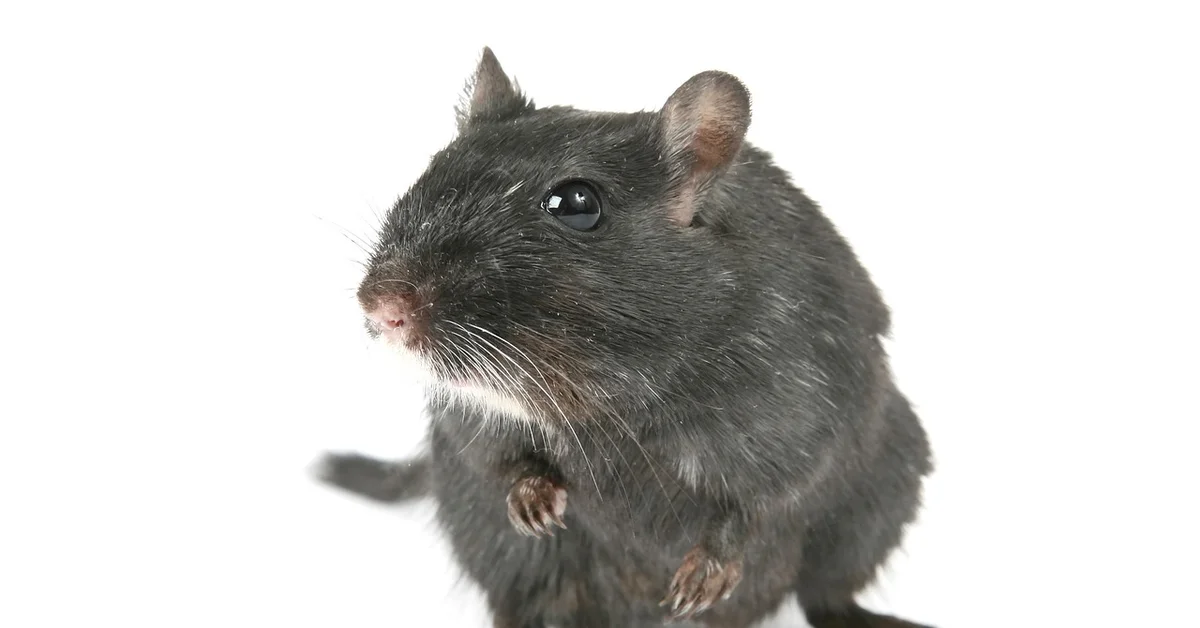
If environmental and behavioral interventions are not enough, a veterinarian can offer medical support. Consulting an exotics vet ensures you rule out underlying pain or a neurological condition before pursuing pharmaceutical options. Medication is typically a last resort but can provide relief for a severely distressed animal.
- Diagnostic Workup: The vet will likely perform a physical exam and may suggest diagnostic imaging to rule out physical causes like ear infections or tumors.
- Selective Serotonin Reuptake Inhibitors (SSRIs): Drugs like fluoxetine (Prozac) can be prescribed in a tiny, mouse-specific dose. They work by increasing serotonin levels in the brain, which can reduce anxiety and the urge to perform compulsions.
- Tricyclic Antidepressants: Medications like clomipramine are another class of drugs that can be effective for anxiety-related disorders in mice.
- Combination Therapy: The most successful approach is often a combination of medication to lower the baseline anxiety and your continued work on environmental enrichment and behavioral modification at home.
Understanding the Welfare Impact on Your Mouse
When your mouse starts circling, pacing, or backflipping repeatedly, it’s more than just a quirky habit—it’s a signal that something is off in their world. These stereotypic behaviors often stem from chronic stress, boredom, or unmet needs, and they can seriously affect your mouse’s quality of life. I’ve noticed that when mice fall into these patterns, they might neglect eating, sleeping, or social interactions, which over time weakens their immune system and overall health. Recognizing these behaviors visually is key. A concise Signs of Stress in Mice visual behavioral guide can help you spot these cues early and know how to respond.
Think of it like a person stuck in a rut, unable to break free from anxious thoughts. Mice experiencing these behaviors may show signs of weight loss, fur thinning, or increased skittishness, indicating deep-seated distress. In my own experience, observing Kenny’s bold but impulsive nature, I’ve seen how a lack of stimulation can push a curious mouse toward repetitive actions, making early intervention vital. If left unchecked, this chronic stress can progress into stress-related illnesses in mice, compromising their immune system and overall health. Recognizing those behavioral changes early helps prevent medical problems and guide proper care.
- Physical strain: Constant motion can lead to joint pain or exhaustion.
- Emotional toll: Reduced playfulness and increased isolation from cage mates.
- Long-term risks: Higher susceptibility to illnesses due to prolonged stress.
Addressing these issues isn’t just about stopping the behavior-it’s about restoring your mouse’s joy and comfort. By tuning into these signs early, you can transform their environment into a safe, engaging space that promotes natural instincts.
Preventing Stereotypic Behaviors in New Mice
Bringing a new mouse home is an exciting time, but it’s also your best chance to set up habits that prevent obsessive-compulsive actions from ever starting. Start by creating a habitat that mimics their natural curiosity, with plenty of hiding spots, climbing structures, and varied textures to explore. I always make sure to introduce new mice like Jeffery to a well-stocked cage right away, as his anxious but observant personality thrives when he has choices. During the first 24 hours, keep the environment calm and let him explore the new setup without forced handling. Offer fresh food, water, and a small piece of familiar bedding so he can start to settle in while you observe for any signs of stress.
Social bonds play a huge role in a mouse’s mental well-being. House new mice with compatible companions to reduce loneliness, as mice are social creatures that rely on interaction for emotional balance. When I introduced Gregory, my calm older mouse, to younger ones, his steady presence helped ease their nerves and cut down on repetitive pacing. A practical guide on mouse social behavior covers when solitary housing is necessary and how to provide extra enrichment and interaction for lone mice. It also explains safe ways to transition between solitary and group housing.
- Set up a spacious cage with multiple levels and tunnels for exploration.
- Rotate toys and add foraging opportunities to keep minds active.
- Maintain a consistent daily routine for feeding and handling to build trust.
- Monitor interactions gently, stepping in if bullying or stress appears.
Diet and enrichment go hand in hand-offer a mix of foods like seeds and veggies to encourage natural foraging. Prevention is all about anticipating needs before problems arise, turning potential stress into moments of discovery and play.
Frequently Asked Questions
How do compulsive behaviors in mice compare to those in humans?
In mice, compulsive behaviors like circling and pacing are often stereotypic actions driven by environmental stress or genetic factors, serving no apparent purpose beyond coping with distress. In humans, obsessive-compulsive disorder (OCD) typically involves intrusive thoughts and ritualistic behaviors rooted in anxiety, but both share underlying themes of repetitive actions that can be managed through environmental adjustments or therapy. While mice may not experience the cognitive aspects of OCD, recognizing these parallels helps emphasize the importance of addressing welfare issues in pets.
Are compulsive behaviors in mice similar to those in dogs?
Yes, compulsive behaviors in mice, such as pacing or backflipping, share similarities with those in dogs, like spinning or tail-chasing, as both often stem from boredom, stress, or genetic predispositions. However, treatment approaches can differ; for example, dogs might benefit from structured training and medication, while mice typically respond better to environmental enrichment and social adjustments due to their smaller size and habitat needs. Understanding these commonalities can guide pet owners in providing species-specific care to reduce anxiety-driven actions.
What do pet owners commonly discuss about mouse compulsive behaviors on platforms like Reddit?
On Reddit and similar forums, pet owners frequently share concerns about identifying compulsive behaviors in their mice, such as sudden circling or backflipping, and seek advice on whether it’s normal or requires intervention. They often exchange tips on DIY enrichment ideas, like creating dig boxes or rotating toys, and ask for support in distinguishing these actions from playful antics, highlighting a community-driven approach to improving mouse welfare.
Your Path Forward
Your attentive care is the single most powerful tool you have for supporting a mouse showing repetitive behaviors. While these actions can be worrying, you now have a clear framework to assess their habitat, health, and happiness, transforming concern into constructive action.
Small, consistent adjustments to their environment and routine often yield the most significant improvements in their well-being. Celebrate the quiet moments of normal exploration and remember that your patient, observant presence makes all the difference on their journey.
Further Reading & Sources
- Why Do Mice Run or Spin in Circles? Expert Answers & Solutions
- (PDF) Repetitive Backflipping Behaviour in Captive Roof Rats (Rattus Rattus) and the Effects of Cage Enrichment
- Why Does My Mouse Keep Spinning in Circles? Expert Answers
Isabella is a passionate small pet enthusiast with over 8 years of experience in caring for mice. She loves sharing practical tips and heartfelt stories to help fellow mouse owners provide the best care for their tiny companions.
Common Behavioral Issues