
Poisonous Foods for Mice: What to Avoid Feeding Your Pet
Have you ever worried that a treat you lovingly offered your mouse might actually be harmful? Navigating the world of safe and unsafe foods can feel overwhelming, but you can relax knowing clear, simple guidelines exist. This guide will walk you through specific foods to avoid, from the hidden dangers in peanut butter to the surprising risks of cornmeal and baking soda.
We will demystify common household items and explain exactly why they pose a threat to your tiny companion. By the end, you’ll feel confident creating a safe and nutritious menu, turning your worry into a solid plan for your mouse’s wellbeing.
Understanding Food Safety and Rodent Toxicity in Pet Mice
The Difference Between Wild Mice and Your Pet Mouse
Many people assume that what a wild mouse can scavenge is automatically safe for a pet mouse, but this is a dangerous misconception. Your pet mouse is a domesticated animal with a different digestive system and immune response compared to its wild cousins. Wild mice have evolved to handle a wider variety of foraged foods and potential toxins, but they also have much shorter lifespans partly because of their diet.
Pet mice, bred in captivity for generations, thrive on consistent, high-quality nutrition. Their systems are not built to process the high-fat, high-sugar, or moldy items a wild mouse might encounter. I’ve noticed my own mice, like Kenny, are far more sensitive to dietary changes than any wild rodent I’ve observed. Feeding your pet mouse like a wild one ignores the biological reality of their delicate, domesticated nature and how diet impacts your mouse’s long-term health.
Common Food Myths That Won’t Actually Kill Your Mouse
Mouse care forums are filled with well-intentioned but incorrect advice about foods that are supposedly lethal. It’s vital to separate genuine toxicology from persistent online folklore that causes unnecessary panic. While you should always be cautious, knowing the real risks helps you provide a more varied and enriching diet without fear.
The Peanut Butter Myth: Safe or Dangerous?
Peanut butter is often labeled a death sentence for mice, but the truth is more nuanced. The primary danger is not poison, but physical choking. The thick, sticky consistency of peanut butter can easily glue a mouse’s jaws shut or block its airway. I learned this the hard way years ago with a previous mouse who needed a gentle, scary intervention after getting a tiny bit stuck.
You can offer peanut butter safely with careful preparation.
- Always use a smooth, natural peanut butter with no added sugar, salt, or xylitol.
- Dilute a tiny, rice-grain-sized amount with warm water to create a runny paste.
- Smear this thin paste onto a piece of cardboard or a clean surface, never offering a glob.
When prepared correctly, peanut butter becomes a high-protein treat rather than a hazard. My current mouse, Jeffery, loves a tiny lick of the diluted paste as a rare special reward.
Baking Soda and Cornmeal: Internet Folklore Examined
You might stumble upon DIY rodent control recipes mixing baking soda or cornmeal with other ingredients. As a standalone substance accidentally ingested from your kitchen, baking soda is not a potent poison for mice. A mouse would need to consume a massive quantity relative to its body weight to cause a toxic reaction, which is highly unlikely in a home environment. For reliable pest control of mice, use proven measures like traps, sealing entry points, and good sanitation rather than homemade concoctions. If the infestation continues, contact a licensed pest-control professional.
Cornmeal is simply dried, ground corn and is not toxic. The confusion arises from its use in bait mixes. The real risk with these pantry items isn’t acute toxicity, but their complete lack of nutritional value for your pet. Feeding plain cornmeal or baking soda offers no benefits and can disrupt the balanced diet your mouse needs to stay healthy.
Can Soda or Coke Harm Your Pet Mouse?
Carbonated beverages like Coke are absolutely terrible for mice, but they are not a fast-acting poison. The real damage comes from the extreme sugar content and acidity, which can swiftly lead to obesity, diabetes, and painful dental decay. The carbonation itself can also cause uncomfortable gas and bloating in their tiny digestive tracts.
Caffeine, present in many sodas, is a stimulant that can overwork a mouse’s small heart. A single accidental sip will not be fatal, but intentionally offering soda is a direct path to chronic health problems and a shortened lifespan. Fresh, clean water is the only liquid your mouse should ever drink. I keep my mice’s water bottle far away from where I enjoy my own drinks to prevent any curious sips from an adventurous soul like Kenny.
Foods That Are Genuinely Toxic to Pet Mice

Chocolate and Caffeine: The Theobromine Problem
Chocolate contains a compound called theobromine, which mice cannot metabolize effectively. Even a tiny piece of dark chocolate can cause severe heart problems, seizures, and can be fatal for a small mouse. I once had a scare when Kenny managed to snatch a chocolate crumb; the frantic energy and trembling he displayed was terrifying. Caffeine, found in coffee, tea, and soda, acts as a powerful stimulant, dangerously accelerating their tiny heart rates. It’s simply not worth the risk.
Citrus Fruits and Essential Oils
While a small segment of orange might not cause immediate harm, the skins and essential oils of citrus fruits like lemons, limes, and grapefruit are problematic. The sharp, acidic nature and potent oils can cause severe skin irritation and digestive upset, leading to painful discomfort. Their respiratory systems are also incredibly sensitive to airborne citrus oils from cleaners or diffusers, which can cause significant breathing difficulties.
Vegetables That Aren’t Mouse-Friendly
Not all vegetables from your kitchen are safe for your mouse’s dinner plate. Pay close attention to these common culprits. If you plan to make DIY mouse treats or healthy recipes at home, knowing which veggies are safe is essential. Choosing safe ingredients lets you prepare simple homemade snacks that add variety without risking your pet’s health.
- Raw Potatoes and Tomato Leaves/Stems: These contain solanine, a natural toxin that causes gastrointestinal distress and neurological issues.
- Onions, Garlic, and Leeks: These members of the allium family can cause oxidative damage to red blood cells, leading to a dangerous form of anemia.
- Rhubarb Leaves: Extremely high in oxalic acid, which is toxic and can cause kidney failure.
Dangerous Nuts, Seeds, and Pits
Many nuts and seeds are fine in moderation, but some pose hidden dangers. Almonds, specifically bitter almonds, contain cyanide. While the sweet almonds in stores are safer, I still avoid them entirely to be cautious. Always remove pits from fruits like peaches, cherries, and apples, as they contain cyanogenic glycosides that release cyanide when chewed. I stick to trusted seeds like sunflower and pumpkin for my trio, ensuring they are unsalted and given sparingly.
Household Item Hazards Beyond Food
Your home contains many non-food items that are just as perilous. Mice are curious and will chew on almost anything. Be vigilant about keeping these away from their habitat: Additionally, store all food—human and pet—in airtight, chew-proof containers and clean up crumbs and spills promptly. Reducing accessible food sources makes mice less likely to settle in your home.
- Certain Glues and Adhesives: Many contain toxic solvents.
- Lead-based Paints: Old furniture or toys can be a source of lead poisoning.
- Cleaning Products: Residue from sprays or wipes on surfaces your mouse might walk on can be ingested during grooming.
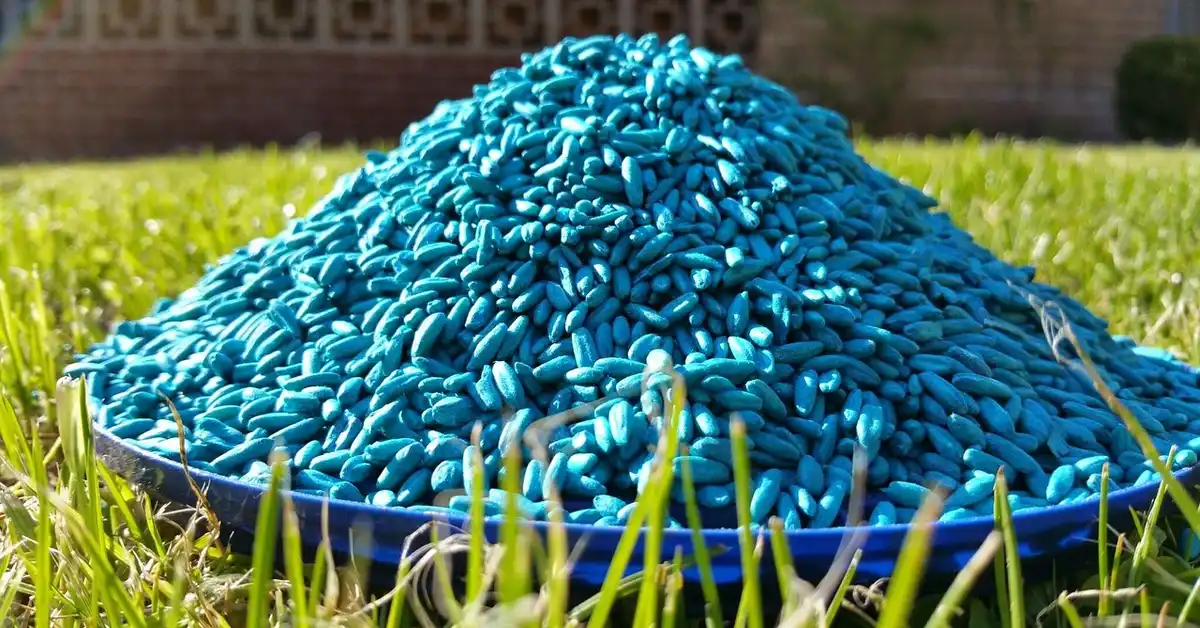
- Insecticides and Rodenticides: This one seems obvious, but these poisons are designed to be attractive and are devastatingly effective.
Creating a safe, supervised play area is the single best way to prevent accidental ingestion of these common household dangers. I never let Kenny, Gregory, or Jeffery explore without me watching their every move.
Recognizing Poisoning Symptoms in Your Pet Mouse
Mice are prey animals and instinctively hide illness, so you must be a keen observer. Symptoms can appear suddenly or develop over hours. Look for these critical signs: This visual guide outlines the universal signs of a sick mouse with clear photos and brief descriptions. Use it to quickly compare what you see and decide if veterinary care is needed.
- Lethargy or a sudden lack of movement
- Difficulty breathing or wheezing sounds
- Tremors, seizures, or a loss of coordination
- Diarrhea or a visibly distended, painful abdomen
- Loss of appetite and refusal to drink water
- Excessive drooling or pawing at the mouth
Any sudden, drastic change in behavior or appearance is a red flag that demands immediate attention. My little Jeffery once became very still and puffy after getting into something he shouldn’t have; that quick recognition made all the difference.
Immediate First Aid Steps
If you suspect your mouse has ingested a poison, stay calm. Your swift action is crucial.
- Remove the Source: Immediately take the suspected food or item away from your mouse and its cage mates.
- Do Not Induce Vomiting: Unlike with dogs or cats, this is not safe for mice and can cause more harm.
- Provide Fresh Water: Ensure clean water is available to help flush their system, but do not force them to drink.
- Keep Them Warm and Quiet: Place them in a separate, comfortable, and warm carrier with soft bedding to reduce stress.
- Contact Your Veterinarian Immediately: Call your vet or an emergency exotic pet clinic. Be ready to tell them what you think they ate, how much, and when. Time is of the essence, and professional medical care is the only true solution for poisoning.
Keeping Your Mice Safe: Prevention Strategies
The most effective way to protect your small companions is through thoughtful, proactive care. A little foresight in your daily routine builds a fortress of safety around your curious pets. I always operate on the principle that if I haven’t personally vetted an item, it does not enter their enclosure.
Creating a Safe Food List for Your Household
Clarity is your greatest ally in preventing accidental poisonings. Posting a simple, visible list on your refrigerator can be a lifesaver, especially for family members or guests who might not know the rules. This removes all guesswork and ensures everyone is on the same page.
Here is a foundational guide to get you started, separating common household items into safe and unsafe categories.
| Food Item | Safe or Unsafe? | Important Notes |
|---|---|---|
| Peanut Butter | Use Extreme Caution | Thick paste is a severe choking hazard. A tiny, rice-sized smear is the absolute maximum, and only as a very rare treat. |
| Chocolate & Candy | Unsafe | Theobromine and caffeine are toxic. Sugar content is also far too high for their systems. |
| Citrus Fruits (oranges, lemons) | Unsafe | The high acidity and essential oils can cause serious kidney and digestive damage. |
| Onions & Garlic | Unsafe | These contain compounds that destroy red blood cells, leading to life-threatening anemia. |
| Raw Beans & Potatoes | Unsafe | Contain natural lectins and solanine, which are potent toxins for small animals. |
| Cornmeal | Generally Safe | Can be part of a balanced commercial food mix. Avoid large amounts of plain cornmeal as it’s not very nutritious. |
| Baking Soda | Unsafe | This is not a food. Ingesting it can cause a dangerous electrolyte imbalance and gas buildup. |
| Coke & Soda | Unsafe | The caffeine, sugar, and carbonation are a triple threat that can cause rapid heart failure and digestive upset. |
| Cooked Pasta/Rice | Safe in Moderation | Offer a single, plain, cooked piece of pasta or a few grains of rice as an occasional carbohydrate. |
| Fresh Veggies (broccoli, carrot) | Safe | Excellent daily staples. Always wash thoroughly and serve in small, mouse-sized pieces. |
When to Contact an Exotic Animal Veterinarian
Mice are masters at hiding illness, so any noticeable change in behavior is a significant red flag, especially when it comes to grooming habits. Trust your instincts-you know your mouse’s normal routines and personality better than anyone. If something feels off, it is always better to seek professional advice immediately.
Contact your vet right away if you observe any of the following symptoms:
- Lethargy or a sudden lack of movement
- Refusal to eat or drink for more than a few hours
- Labored, wheezing, or clicking breathing sounds
- Signs of pain, such as hunched posture or puffed-up fur
- Diarrhea or a visibly wet, dirty tail
- Any form of seizure, tremoring, or loss of balance
Before you call, gather a quick mental list of information that will help your vet. Being able to tell your vet exactly what your mouse ate, how much, and when the symptoms started can dramatically impact their diagnosis and treatment plan. Time is of the essence with such small creatures, so swift, informed action is your best tool. At your mouse’s first vet visit, expect the veterinarian to ask these specific questions and to use your answers to guide the initial exam and any immediate treatment. If possible, bring food packaging, bedding samples, or notes on recent changes to help the vet assess the situation.
Frequently Asked Questions
What are the most common genuinely poisonous foods for mice?
Foods that are genuinely toxic to mice include chocolate and anything with caffeine, due to the presence of theobromine which they cannot metabolize. Citrus fruits, particularly their skins and essential oils, are also harmful as they can cause severe digestive and respiratory issues. These are examples of foods you should never feed to mice. Check a reliable care guide or veterinarian for a complete list of dangerous items and safe alternatives.
Other dangerous items are members of the allium family like onions and garlic, which can cause anemia, and the pits of fruits like cherries and apples, which can release cyanide. Always stick to a vet-recommended diet to avoid these serious health risks.
Will mice willingly eat commercial mouse poison?
Yes, mice may eat commercial rodenticides because they are specifically designed with attractive bait flavors and scents to lure them in. However, these poisons cause a slow and painful death through internal bleeding or other toxic mechanisms and should never be used or stored anywhere near a pet mouse.
For a pet owner, the concern is accidental ingestion, not deliberate use. It is crucial to ensure your pet’s environment is completely free of any such pest control products, as even a small amount can be fatal.
What foods are poisonous to both mice and rats?
Many of the same foods that are toxic to mice are also poisonous to rats due to their similar physiologies. This includes chocolate, caffeine, raw onions, garlic, and green parts of plants like potato and tomato, which contain solanine. By contrast, several fresh vegetables are safe and nutritious for mice when offered in moderation — examples include carrots, cucumber, bell peppers, peas, and leafy greens like romaine. Always introduce new vegetables gradually, wash them well, and avoid overfeeding to prevent digestive upset.
Both species also share a sensitivity to certain items like citrus oils. While their dietary needs are not identical, the general rule for toxic foods is consistent: when in doubt about a food’s safety for a rodent pet, it is best to avoid it entirely.
Your Path Forward
Your mouse’s safety truly boils down to a simple principle: stick to a high-quality commercial lab block as their dietary foundation. This single choice eliminates the vast majority of risks associated with confusing or unsafe human foods like raw peanuts, certain dairy products, and sugary concoctions.
When you do offer treats, view them as tiny, carefully chosen supplements to their main diet, not replacements for it. A small piece of fresh vegetable or a bit of cooked egg provides far more joy and nutrition than any risky, processed item ever could, keeping your curious companions like Kenny and Jeffery both happy and healthy for years to come.
Further Reading & Sources
- 16 Foods That Kill Mice Instantly
- All About Mice » Things To Avoid
- Foods Not to Give a Mouse | Pets on Mom.com
Isabella is a passionate small pet enthusiast with over 8 years of experience in caring for mice. She loves sharing practical tips and heartfelt stories to help fellow mouse owners provide the best care for their tiny companions.
Household Hazards