
Popcorning and Zoomies: The Ultimate Signs of a Happy Mouse
Have you ever seen your mouse suddenly bounce like a kernel of corn or race around in a blur of energy and felt a mix of curiosity and concern about what it means? I’ve been there too, and I’m here to reassure you that those quirky behaviors are often the clearest indicators your tiny friend is thriving. This guide will decode those joyful antics and show you exactly how to spot and nurture your mouse’s happiness.
We’ll break down the differences between popcorning and zoomies, explain why they signal contentment, and share tips to encourage more of these delightful displays in your pet’s daily life.
Recognizing Popcorning in Your Pet Mouse
What Popcorning Actually Looks Like
Picture a tiny, joyful leap where your mouse suddenly springs upward, twisting its body mid-air before landing with a soft patter. This spontaneous, bouncy motion resembles popcorn kernels popping, which is exactly how it earned its charming name. You might notice their fur fluffing slightly and their whiskers twitching with excitement during these bursts.
- Sudden, vertical jumps with little twists or kicks
- Brief, repeated hops in one spot or while moving
- Relaxed body posture-no tense muscles or flattened ears
- Often accompanied by soft, happy squeaks or chirps
From my own experience, watching Kenny popcorning is like seeing a tiny firework of happiness-he’ll zip around, then stop to bounce straight up before scurrying off again. It’s a clear, unmistakable signal that your mouse is feeling playful and content in their environment.
When Mice Popcorn Most Often
Mice tend to display this adorable behavior during specific moments that spark their joy. You’re most likely to see popcorning right after they wake from a nap or during their active hours in the evening. It frequently happens when they’re exploring new toys or enjoying a favorite treat.
- During or after play sessions with cage mates
- When introduced to fresh bedding or a clean cage setup
- Following a satisfying meal or a special snack
- In response to gentle interaction or your calm presence nearby
I’ve noticed Gregory, who is usually more reserved, will sometimes popcorn after a small piece of aged cheese-it’s a brief but heartfelt celebration. Keeping an eye on these patterns helps you understand what truly delights your pet.
Understanding Mouse Zoomies and Burst Activity
The Difference Between Zoomies and Stressed Running
Zoomies are those delightful, frantic sprints where your mouse darts around with purpose and glee. Happy zoomies involve quick, looping paths, playful pauses, and an overall relaxed demeanor-it’s like they’re having a miniature party. In contrast, stressed running is more frantic and escape-oriented.
- Zoomies: Erratic but joyful movement, often with popcorning mixed in
- Stressed running: Straight-line dashes, hiding immediately after, with a hunched posture
- Happy bursts include sniffing and investigating; fear-based running avoids interaction
When Jeffery gets the zoomies, he’ll race in circles but then stop to groom himself or nibble a crumb-it’s controlled chaos. Recognizing this distinction ensures you can respond appropriately to your mouse’s emotional state.
Why Mice Get Random Energy Bursts
These sudden explosions of activity are a natural part of a mouse’s behavior, rooted in their instincts and well-being. Zoomies often occur when a mouse feels safe and has pent-up energy to release, much like a child bursting with excitement after sitting still. It’s a healthy way for them to exercise and express happiness.
- Instinctual need to explore and patrol their territory
- Response to environmental enrichment like new tunnels or wheels
- Social excitement from interacting with cage mates
- Pure, uncontainable joy from a comfortable and stimulating home
I’ve seen all my mice, from impulsive Kenny to calm Gregory, experience these bursts-it’s a universal sign of a thriving pet. Providing ample space and engaging toys encourages this natural, happy behavior without any cause for concern.
What Triggers These Happy Behaviors in Pet Mice
Environmental Setup That Encourages Play Behavior
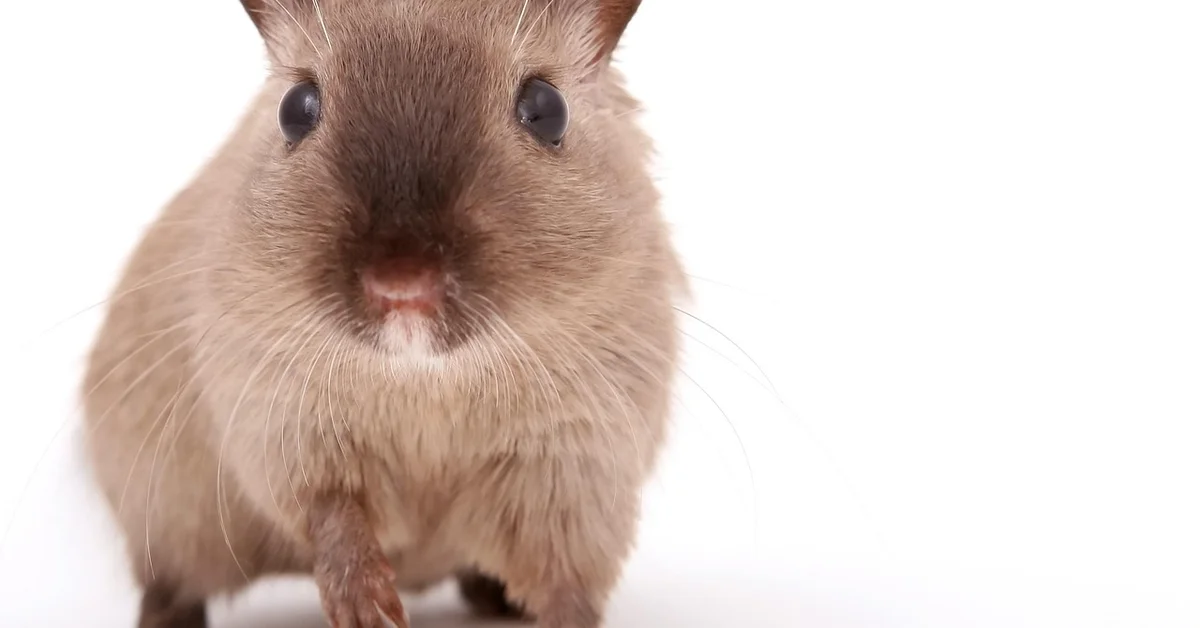
A mouse’s habitat is the stage for their joyful performances, and the right setup acts like a director, cueing the fun to begin. The most critical element is providing ample, uninterrupted floor space for them to build up speed and change direction during a zoomie session. Cramped cages with too many permanent fixtures can stifle this natural urge to run wild. In our ultimate guide to mouse cages, we’ll show how to choose and arrange enclosures that maximize floor space and flexibility. Read on for quick tips on layouts, cage types, and must-have accessories to create a zoomie-friendly home.
Think of their home as a dynamic playground, not a static display. I’ve found that my mice, like Kenny, become most animated when their environment changes slightly from day to day. Rotating a portion of their toys and tunnels every few days prevents boredom and constantly presents new exploration opportunities. This novelty is a powerful trigger for both curious investigation and the explosive bursts of energy we love to see.
- A deep layer of safe, diggable bedding for burrowing and tunneling.
- Multiple levels connected by ramps, ropes, or bridges for 3D exploration.
- Paper towel tubes, cardboard boxes, and untreated wood pieces to chew and rearrange.
- A solid-surface exercise wheel that is large enough for their back to remain straight.
The Role of Socialization and Cage Mates
Mice are profoundly social creatures, and their happiness is often a shared experience. Watching one mouse initiate a zoomie often acts like a contagion, sparking a chain reaction of popcorning and chasing among the entire group. This social mirroring is a clear sign of a bonded, content colony, which is why understanding their social nature is crucial.
My trio-Kenny, Gregory, and Jeffery-demonstrate this perfectly. Kenny’s bold, adventurous zoomies will often inspire a more hesitant Jeffery to join in, while Gregory observes with what I can only describe as a patient, grumpy approval. The presence of compatible cage mates provides a sense of security that allows their most playful, uninhibited selves to emerge. A solitary mouse may still popcorn, but the joyful group dynamics are a spectacle unto themselves.
Creating a Mouse Environment That Promotes Happiness
Essential Enrichment Items for Active Mice
Enrichment is not just about having things to do; it’s about providing choices that cater to a mouse’s natural instincts. Foraging toys, like puzzle feeders or seed balls, turn mealtime into a stimulating brain game that can precede a happy burst of energy. The satisfaction of “working” for their food seems to fill them with a specific kind of joyful pride. To help you choose, look for compact, chew-proof puzzle feeders and treat-dispensing balls designed specifically for mice. Below are some of the best enrichment puzzle toys for mice and how to use them safely.
I always include items that satisfy their need to climb, hide, and nest. A well-stocked cage offers a safe retreat for quiet moments and an exciting landscape for active ones, allowing each mouse to regulate their own stimulation. Jeffery, for instance, feels most secure when he can quickly dart from a high climbing rope into a cozy, enclosed hut. When adding natural pieces, consult a guide to safe woods and branches for mouse cages—use untreated apple, aspen, or willow and avoid cedar or treated wood. Always clean and securely fix branches before placing them in the cage.
- Climbing Structures: Bird ladders, hemp ropes, and grapevine wood encourage natural agility.
- Hiding Spots: Multiple hideouts, from ceramic huts to coconut shells, reduce stress.
- Digging Boxes: A small container filled with coconut fiber or crinkle paper satisfies burrowing urges.
- Chew Toys: Untreated wooden blocks, loofahs, and seagrass items keep teeth healthy and minds occupied.
Diet and Treat Rewards That Spark Joy
Nutrition forms the foundation of your mouse’s vitality, and certain foods can directly influence their energy levels and mood. A high-quality lab block should be the staple of their diet, providing all the essential nutrients for sustained health and energy. Think of this as their daily bread, the fuel that keeps their little engines running smoothly. That said, seed mixes and treats are common but often lack balanced nutrition, so it’s helpful to compare them directly to lab blocks. In the deep dive on seed mixes vs lab blocks, we’ll weigh their pros and cons and explain how to incorporate treats without compromising health.
Where the real magic happens, though, is with treats and fresh foods. The anticipation and receipt of a special reward, like a tiny piece of scrambled egg or a single sunflower seed, can trigger immediate popcorning. I see this every time I offer Kenny his beloved sunflower seeds-he literally jumps for joy before he even eats it. Offer these sparingly, as the excitement is as much about the novelty and interaction with you as it is about the food itself.
How Often Should Healthy Mice Show These Behaviors
Age and Personality Differences in Play Behavior
Just like people, every mouse has a unique personality that dictates their play style and frequency. You should expect to see these happy displays most days, often during their most active periods at dawn and dusk. A complete absence of zoomies or popcorning over many days, especially in a young mouse, can be a sign to check their environment or health.
Age is a significant factor in the type and intensity of play you will observe. Younger mice and juveniles are veritable popcorn kernels, bursting with energy and exhibiting frequent, high-arcing jumps and frantic zoomies. My little Jeffery, though small and sometimes anxious, has these incredible, twitchy little popcorns when he’s overcome with excitement.
Conversely, older mice like my Gregory express their contentment differently. Senior mice may trade explosive popcorning for more subdued “pop-hops” or leisurely zoomies that resemble a happy, meandering trot. Gregory’s joy is in a slow, deliberate exploration of a new item or a peaceful grooming session with his cage mates. Their happiness is just as profound, simply expressed with the grace of experience.
When Absence of These Behaviors Signals a Problem
Distinguishing Between Calm Contentment and Stress
Not every quiet mouse is an unhappy mouse. My older fellow, Gregory, is a perfect example of calm contentment; he prefers gentle sniffs and deliberate exploration over frantic zoomies. The key difference lies in their overall body language and engagement with their environment. A content mouse will still show interest in food, groom itself thoroughly, and have bright, clear eyes. A stressed or unhappy mouse, however, often appears withdrawn and lethargic.
Watch for these subtle but critical signs of stress that go beyond a simple lack of popcorning:
- Hiding Excessively: While mice need hideouts, refusing to come out even for favorite treats is a red flag.
- Puffed-Up Fur: A mouse that constantly looks fluffed up, like a little puffball, is often trying to conserve heat or signal illness.
- Lack of Grooming: A scruffy, unkempt coat is a very common indicator that something is wrong.
- Changes in Social Dynamics: A previously social mouse that suddenly isolates itself from cage mates needs your attention.
Physical Health Issues That Reduce Activity
A sudden drop in energy can be one of the first and only signs of a physical ailment. Mice are prey animals and excel at hiding weakness, so a lack of zoomies can be their way of telling you they don’t feel well. Any significant or sudden change in your mouse’s normal activity level warrants a closer look. I’ve learned to treat a quiet cage as a quiet alarm bell.
Several common health problems can directly cause a decrease in those joyful bursts of energy:
- Respiratory Infections: Labored breathing saps energy and makes any strenuous activity, like popcorning, feel impossible.
- Dental Issues: Overgrown teeth can cause pain and make eating difficult, leading to weakness and lethargy from poor nutrition.
- Arthritis or Injury: Especially in older mice like Gregory, joint pain can make running and jumping painful, so they simply stop doing it.
- Digestive Troubles: An upset stomach or other internal discomfort will understandably curb anyone’s enthusiasm for play.
Practical Ways to Encourage More Happy Moments
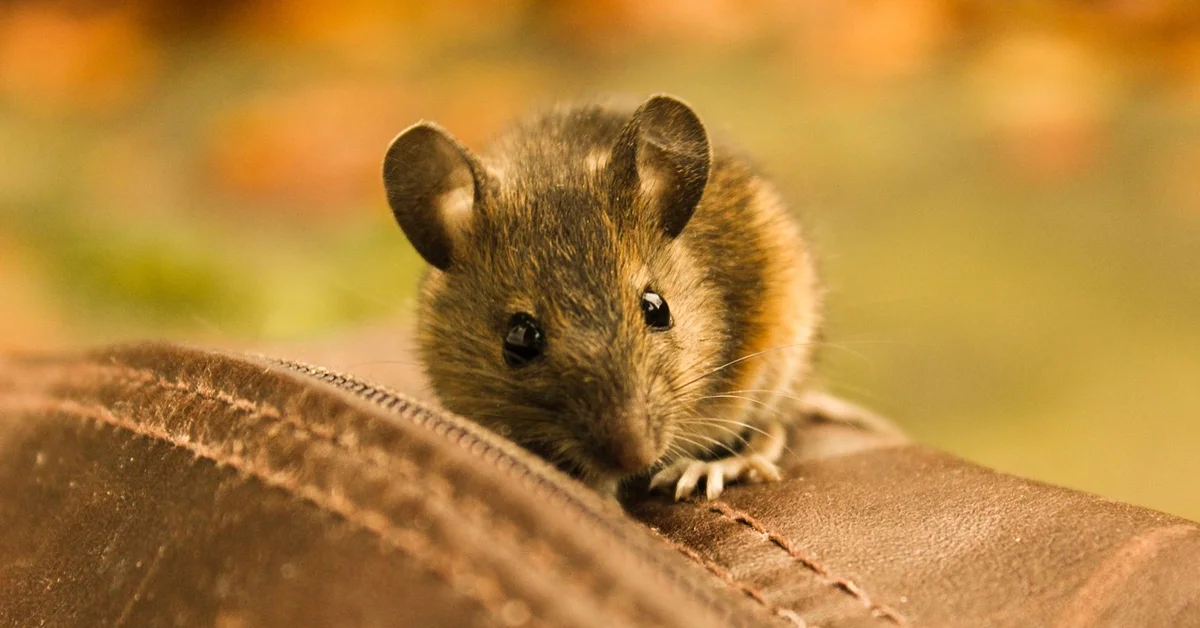
Creating an environment that sparks joy for your mice is one of the most rewarding parts of pet ownership. It’s about building a habitat that appeals to their natural instincts to explore, forage, and climb. A stimulating cage setup is the foundation for a popcorning-prone pet.
Start by upgrading their living space with these elements:
- Multi-Level Terrain: Use ropes, branches, ladders, and platforms to create a vertical world. The more climbing options, the more zoomie pathways they have.
- A Solid-Surface Wheel: Ensure the wheel is large enough that their tail doesn’t arch (8+ inches is ideal). A silent spinner is a favorite for midnight marathon sessions.
- Deep Bedding for Burrowing: Provide several inches of safe, dust-free paper or aspen bedding. There’s nothing like a good dig to get the energy flowing.
Beyond the cage itself, your daily interactions are crucial. I’ve found that novelty is the spice of a mouse’s life.
- Rotate Toys Frequently: Introduce new cardboard tubes, untreated wicker balls, or a ping pong ball once a week. A “new” item reinvigorates their curiosity.
- Create a Foraging Paradise: Instead of a food bowl, hide their daily ration of lab blocks and treats throughout the bedding and in puzzle toys. My mouse Kenny will zoom across the cage after hearing a single sunflower seed drop.
- Schedule Supervised Exploration: A secure, mouse-proofed playpen outside the cage provides immense mental stimulation. Watching them cautiously and then excitedly investigate a new space is a pure delight.
Frequently Asked Questions
Where can I find videos of mice popcorning and zoomies?
You can often find examples of these joyful behaviors on video-sharing platforms like YouTube or pet care forums by searching terms like “happy mouse popcorning” or “mouse zoomies compilation.” These videos can help you visually identify the signs, but nothing beats observing your own pet in a safe, enriched environment to understand their unique expressions of happiness. If you want to record these moments, try keeping your camera at mouse level with good lighting and minimal background noise. Record longer clips and be patient so you catch sudden popcorning or zoomie bursts without startling your pet.
When watching or sharing, ensure the videos depict mice in stress-free settings with proper care, as this reinforces positive examples for the pet community. Always prioritize learning from reputable sources to support your mouse’s well-being. Refer to a visual behavioral guide on signs of stress in mice to learn cues—such as freezing, hunched posture, excessive grooming, or reduced activity—so you can recognize and address issues early. Use those visual examples when evaluating videos to ensure they model good care.
Why do some mice popcorn and have zoomies more than others?
Individual differences in personality, age, and health play a significant role; for instance, young, energetic mice or those in stimulating social groups may exhibit these behaviors more frequently. Factors like genetics and past experiences can also influence how often a mouse displays popcorning or zoomies, much like how humans vary in their expressions of joy.
If you notice a sudden decrease in these activities, it might indicate environmental or health issues, so monitor for consistency rather than comparing to other mice. Providing tailored enrichment based on your mouse’s preferences can help encourage their natural, happy bursts. Enrichment beyond a wheel — like tunnels, chew toys, foraging puzzles, and climbing branches — keeps them mentally and physically stimulated. Rotating these items regularly prevents boredom and encourages natural behaviors.
Is it safe to share videos of my mouse’s popcorning and zoomies online?
Yes, it’s generally safe as long as you avoid revealing personal details like your location or home layout in the background to protect privacy. Sharing these moments can educate and delight others in the pet care community, but always ensure your mouse is in a secure, hazard-free environment during recording.
Be mindful of platform guidelines and consider adding captions to explain the behavior, which helps promote responsible pet ownership. Engaging with fellow enthusiasts can also provide valuable tips for enhancing your mouse’s happiness. As an influencer, always put mouse welfare first and avoid staging risky or stressful situations. Ethical, transparent posts set a positive example for others.
Your Journey with a Joyful Mouse
Witnessing your mouse pop and zoom is one of the most rewarding experiences a pet owner can have. These energetic bursts are the purest, most unfiltered confirmation that your tiny friend feels safe, healthy, and truly content in your care.
Let these happy displays be your guide, a delightful reminder that you are providing a wonderful life. Your attentive observation and commitment to their environment are what transform a simple cage into a home filled with joy and playful energy.
Further Reading & Sources
- r/PetMice on Reddit: Mouse zoomies??
- Excited mouse “popcorning” – YouTube
- Floor Time Vlog with Guinea Pig Zoomies and Popcorning – YouTube
Isabella is a passionate small pet enthusiast with over 8 years of experience in caring for mice. She loves sharing practical tips and heartfelt stories to help fellow mouse owners provide the best care for their tiny companions.
Understanding Mice Behavior