
The Psychology of Play: How Mice Interact with Toys
Have you ever watched your mouse repeatedly investigate a new toy and felt a mix of curiosity and confusion about their actions? I have spent countless hours with my own mice, like the adventurous Kenny or the patient Gregory, and I understand how their playful antics can both delight and puzzle you. This guide will demystify those behaviors and give you a clear, practical understanding of your mouse’s play world.
We will break down the natural instincts that make play a core part of a mouse’s life. You will learn how individual temperaments shape toy preferences, drawing from observations of my own mice’s distinct styles. I will also share simple, effective ways to select and introduce toys that encourage healthy, joyful play for your pet.
The Science Behind Mouse Play Behavior
How Object Play Differs from Social Play
Observing my own mice, I see two distinct languages of play unfolding in their habitat. Object play involves a mouse interacting with an inanimate item, like a cardboard tube or a wooden block. This solo activity is often a test of manipulation, where they gnaw, push, and carry items to understand their physical properties. Kenny, for instance, will spend minutes systematically shredding a paper bag, completely absorbed in the task.
Social play is an entirely different conversation, a dynamic dance between two or more mice. You’ll witness chasing, gentle wrestling, and even what looks like a game of tag. This interaction is less about the object itself and more about practicing social bonds, establishing hierarchy, and pure, joyful communication. Young Jeffery often initiates this by playfully pouncing on Gregory’s back, a bid for interaction that the older mouse sometimes tolerates with a resigned squeak.
The Role of Cognitive Development and Exploration
Play is not just frivolous fun; it’s a critical workout for a mouse’s growing brain. Every new toy is a puzzle to be solved, a landscape to be mapped. When a mouse navigates a new climbing structure, it is actively building neural pathways related to spatial awareness and problem-solving. I’ve watched them learn from failed attempts, figuring out a better route to the top on the second try.
This exploratory drive is fundamental to their well-being. A mouse in a barren cage is a mind being underutilized. Providing opportunities for exploration through play directly combats boredom and stimulates their natural curiosity, which is a core part of their psychological health. It satisfies an innate need to investigate and master their environment, making them more confident and engaged companions. Without enrichment, mice in barren cages can develop learned helplessness. They may stop attempting to explore or respond because past efforts produced no results.
What Types of Toys Appeal to Pet Mice?
Understanding Toy Preference Through Sensory Stimulation
Mice experience the world through their senses, and the best toys engage more than one at a time. Think of their playthings as a multi-sensory buffet. The most successful toys in my habitat offer a combination of interesting textures, sounds, and even smells. To stimulate a mouse’s mind, choose toys that encourage curiosity and problem-solving. The best options combine sensory appeal with cognitive challenges like puzzle feeders and foraging toys. Here is a breakdown of what captivates them:
- Touch & Texture: They love items they can manipulate. Crinkly paper, smooth pebbles, rough untreated wood, and soft nesting material all provide different tactile feedback.
- Sound: A bell inside a ball or the crinkle of paper triggers their auditory curiosity and can signal “fun” from across the cage.
- Smell: Introducing a new pinecone or a piece of apple wood brings a novel scent into their world, encouraging investigation through sniffing and nibbling.
- Taste (Safe Chewing): Edible toys, like loofah or seagrass mats, satisfy their constant need to gnaw while providing a rewarding taste.
Novelty vs. Familiarity in Toy Rotation
Striking the right balance between new adventures and comforting routines is key to a happy mouse. A toy that was exciting on Monday might be boring by Friday. I maintain a simple rotation system, swapping out about a third of the toys in their enclosure every few days. This keeps the environment feeling fresh and stimulating without being overwhelming. I include toy rotation on my daily mouse care checklist to make it easy to remember. Here are 5 quick tips to keep their routine consistent and thriving.
However, never underestimate the power of a favorite. While novelty sparks curiosity, familiarity provides security and comfort; a well-chewed wooden hut can be a mouse’s favorite safe haven. Gregory, for example, has a specific cork log he always retreats to for a quiet nap. The goal is not to remove all old items, but to cycle in new ones to reignite that spark of exploration, ensuring your mice remain active, interested, and mentally sharp.
Reading Your Mice’s Play Signals and Behavior
Normal Play Patterns vs. Stereotypic Behavior
Observing your mice at play is one of the most rewarding parts of being an owner. You’ll start to notice distinct patterns that signal a happy, engaged mind. Healthy play includes brief, hopping movements called ‘popcorning,’ gentle wrestling with cage mates, and curious, investigative sniffing and climbing. My mouse Kenny, for instance, will often perform a series of quick, bouncy hops before tackling a new tunnel, a clear sign of joyful anticipation.
It’s vital to distinguish this from stereotypic behavior, which are repetitive, fixed actions with no obvious goal. Be alert for constant, frantic bar-gnawing, obsessive circling of the cage perimeter, or endless, rapid digging in one spot without creating a nest. These are not games; they are distress signals indicating boredom, a habitat that’s too small, or a lack of mental stimulation. I once noticed a mouse of mine starting to pace repetitively, which stopped completely after I rearranged his cage and added a new puzzle feeder.
Do Mice Work Together During Play?
Mice are deeply social, and their play often reflects a complex group dynamic. You will frequently see them engage in coordinated activities that look very much like teamwork. It’s not uncommon to see one mouse holding a tube steady while another runs through it, or a group collaboratively trying to dismantle a complex toy to get to a hidden treat inside. Still, individual mice can vary—some are highly social while others prefer solitude. The best choice: “mouse social behavior guide” can help distinguish these tendencies and inform appropriate housing and enrichment choices.
In my own colony, I see a clear hierarchy during play. Gregory, the older, calmer mouse, often acts as a watchful observer while the younger ones, Kenny and Jeffery, tumble and chase. Jeffery, being more anxious, will usually wait for bold Kenny to test a new toy before he cautiously approaches to join in. This social learning is a fundamental part of their play and helps maintain group harmony.
Introducing New Toys to Your Mouse Colony
Creating an Enrichment Schedule
Mice are intelligent and need novelty, but introducing too much too fast can be stressful. A consistent enrichment schedule prevents boredom without causing anxiety. The key is to rotate a selection of toys rather than leaving everything in the cage at once. I follow a simple system that keeps my mice interested and engaged. Beyond the wheel, I rotate tunnels, chew toys, foraging puzzles, and hiding spots to provide varied mental and physical stimulation. I swap items on a regular schedule so each mouse frequently encounters something new.
- Daily: Offer a simple, destructible item like a plain cardboard tube or a paper twist stuffed with hay.
- Twice Weekly: Introduce a more complex puzzle toy, like a treat ball or a small maze they must navigate.
- Weekly: Perform a “big change.” This is when I swap out several major fixtures, like the main hideout, the rope bridge, and the digging box substrate.
When you first introduce a new item, place it near the cage entrance without disrupting their entire home. Rubbing a new toy with used, scent-marked bedding from their nest helps them accept it more quickly, as it already smells familiar and safe. Watch their body language; eager sniffing and gentle exploration means it’s a hit, while avoidance or alarm calls mean you should try a different type of toy.
Safety Considerations for Mouse Play Items
Their small size and constant chewing mean safety is the number one priority when selecting playthings. Any toy you provide must be non-toxic, free of small, detachable parts, and unable to trap a limb or head. I meticulously check every item for sharp edges, loose threads, or gaps smaller than a dime.
- Avoid Soft Plastics: Items like cheap plastic igloos can be chewed into sharp shards that cause internal injuries.
- Beware of Loops: Never use toys with closed loops, like wire bird ladders, as a mouse can easily get its head stuck.
- Choose Natural Materials: Untreated wood, seagrass, and thick cardboard are generally safe for chewing and destruction.
- Supervise New Items: Always watch your mice the first few times they interact with a new toy to ensure they are using it safely.
I learned this lesson when my smallest mouse, Jeffery, managed to squeeze into a toilet paper tube and then got momentarily stuck because it had gotten slightly damp and collapsed. Supervised playtime is not just for bonding; it is a critical safety practice to ensure your curious friends stay out of trouble.
Making Your Own Mouse Play Objects
Crafting playthings for your mice is not only cost-effective, it’s a wonderfully creative way to engage with their world. The best mouse toys often come from your recycling bin, transformed with a little imagination. I’ve found that my mice, especially the curious ones like Kenny, often prefer a simple homemade creation over a fancy store-bought item. To put that creativity into practice, I put together a DIY Foraging Toys—ten easy, budget-friendly puzzles you can make for mice like Kenny. Each design encourages natural foraging and problem-solving to keep them mentally stimulated.
Safe and Simple Materials to Use
Your primary goal is safety. Always choose materials that are non-toxic and easy for your mice to shred or climb without risk of injury. Good chew choices are untreated wood, cardboard, plain paper, and natural cotton rope. Avoid painted, treated or pressure‑treated wood and anything with long threads or elastic that could cause choking or entanglement.
- Cardboard: Toilet paper tubes, small boxes, and egg cartions are perfect for chewing and hiding.
- Untreated Wood: Popsicle sticks and small, sanded branches from fruit trees (like apple) make great chewables.
- Paper: Plain paper bags, tissues, and unscented paper towels are fantastic for nesting material that doubles as a plaything.
- Natural Fibers: Untreated sisal or seagrass rope can be used to create little rope bridges or hanging toys.
A Few of My Favorite DIY Projects
You don’t need to be an expert crafter. These projects take minutes but provide hours of enrichment.
The Toilet Paper Tube Maze
Take three or four empty tubes and cut a few entry and exit holes in each. Connect them in a loose cluster using a small amount of pet-safe, flour-based glue or simply by wedging them together. This creates a dynamic, changeable tunnel system that satisfies their instinct to explore confined spaces. I scatter a few crumbs inside to motivate investigation.
The Digging Box
Fill a small, shallow cardboard box with a deep layer of chemical-free soil, coconut fiber, or shredded paper. Bury a few of their favorite treats, like sunflower seeds for Kenny or a crumb of aged cheese for Gregory. This single activity taps into their powerful foraging instincts and provides immense mental stimulation. I watch Jeffery for ages, his little nose twitching with excitement as he digs.
The Hanging Kabob
String a selection of mouse-safe veggies (like a pea, a small piece of broccoli, and a slice of carrot) onto a piece of untreated seagrass rope. Tie it securely to the top of the cage. This turns a simple meal into a physical and mental challenge, encouraging them to climb and work for their food.
What Interactive Toys Actually Mean for Mouse Owners
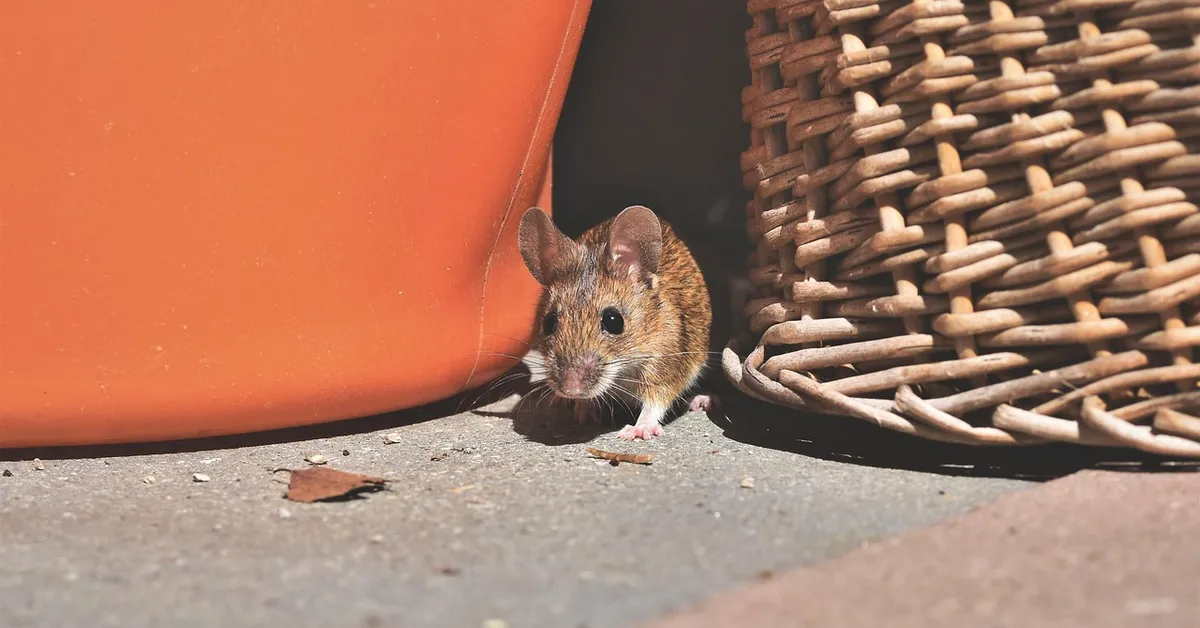
Providing toys is often framed as something we do for our pets, but the benefits flow powerfully in both directions. Observing your mice at play offers a rare and precious window into their unique personalities and emotional states. It’s where you truly learn who they are. That insight makes it much easier to choose the best enrichment puzzle toys for mice—items that match their curiosity and encourage natural foraging and problem-solving. The right puzzles keep them engaged, mentally stimulated and physically active.
When I introduced a new complex climbing frame, Kenny was the first to scale it recklessly, while Gregory watched patiently from below, only attempting it once he’d observed the route. Jeffery needed gentle encouragement, happily settling for a lower platform once he found a hidden berry there. Their individual approaches to the same object told me everything about their confidence levels and problem-solving styles.
The Bonding Power of Play
Interactive play is one of the most effective ways to build trust with a nervous mouse.
- It shifts their association with you from a large, potentially scary creature to a source of fun and positive experiences.
- Using a toy as an intermediary, like a feather teaser or a treat puzzle you hold, allows a shy mouse like Jeffery to engage without feeling pressured by direct contact.
- This shared positive experiences build a foundation of trust that makes all other interactions, like handling and health checks, significantly easier.
Watching your mice play is more than just entertainment; it’s a form of active care. You are not just a provider of food and shelter, but an architect of their happiness and mental well-being. The time you invest in creating and rotating their play environment pays dividends in their health, vitality, and the strength of your bond with them.
Frequently Asked Questions
What is a mouse interactive toy?
A mouse interactive toy is designed to engage your pet’s natural instincts through activities that require mental or physical effort. These toys often involve puzzles, moving parts, or hidden treats that encourage exploration, problem-solving, and sustained play, helping to prevent boredom and promote cognitive health. When setting up a safe, stimulating mouse playpen, arrange a variety of these toys around the space to create enrichment zones and encourage movement and curiosity. Choose sturdy, non-toxic items and secure the playpen so that all toys and materials are appropriately sized and escape-proof.
How many mice are in a mouse family?
In a domestic setting, a mouse family or colony typically consists of 2 to 5 mice, as they are highly social animals that thrive in small groups. Keeping them in compatible pairs or small groups supports their well-being by allowing for natural social behaviors, though the exact number can depend on the enclosure size and individual temperaments to minimize stress. In the wild, however, many mice often nest together, forming larger communal burrows for warmth and protection. When many mice live together, caretakers should provide extra space, nesting materials, and monitoring to prevent overcrowding and disease.
Are mouse toys suitable for cats?
No, mouse toys are generally not suitable for cats due to differences in size, safety requirements, and play styles. Toys designed for mice are often made from materials that could be hazardous if chewed or swallowed by a cat, and they may not withstand a cat’s strength or interest, so it’s best to use species-specific toys for each pet’s safety and enjoyment.
Your Path Forward
Watching your mice engage with toys opens a window into their minds, showing how play shapes their confidence, reduces stress, and strengthens social bonds. Each squeak, scamper, and curious nibble tells a story about their individual needs and joys, helping you tailor their environment for a happier, healthier life.
From my time with Gregory’s patient mentoring or Jeffery’s timid yet optimistic explorations, I’ve learned that thoughtful play setups transform routine care into a shared adventure. Trust your observations, experiment with different toys, and enjoy the rewarding connection that grows when you nurture their playful spirits.
Further Reading & Sources
- Matchbox Mice & Toy Mouse Collection – Maileg – Maileg USA
- Best Toys for Pet Mice: Our Picks to Keep Mice Entertained | Animallama
- r/PetMice on Reddit: What types of toys do your mice enjoy most?
Isabella is a passionate small pet enthusiast with over 8 years of experience in caring for mice. She loves sharing practical tips and heartfelt stories to help fellow mouse owners provide the best care for their tiny companions.
Enrichment Ideas