
The Self-Cleaning Mouse: Nature’s Tidy Pets
Have you ever worried about keeping your tiny, fast-moving mouse clean, only to find them already impeccably groomed?
This guide will show you exactly how your mouse manages its own hygiene so effectively. You’ll learn about their detailed grooming techniques, the social aspects of their cleaning rituals, and how to spot the difference between normal behavior and a sign that your pet needs help.
Why Mice Are Self-Cleaning Champions
You’ll rarely, if ever, need to give your mouse a bath. Mice are meticulous groomers by instinct, dedicating a significant portion of their waking hours to self-maintenance. This behavior is deeply rooted in their survival; in the wild, staying clean helps them avoid predators by minimizing scent and keeps their coat in prime condition for insulation. My mouse Kenny, for instance, will often pause mid-adventure for a quick grooming session, as if remembering a vital task.
Their bodies are perfectly designed for the job. They possess grooming claws on their hind feet and remarkably flexible spines that allow them to contort and reach nearly every part of their body. This natural toolkit means they are far more effective at cleaning themselves than we could ever be with any soap and water intervention. Gregory, my older gentleman, performs his grooming with a slow, methodical precision that shows just how practiced this art is.
For you as a pet owner, this innate behavior is a tremendous gift. A healthy mouse that is grooming regularly is a visible sign of their overall well-being and comfort in their environment. It means they feel safe enough to engage in this vulnerable activity, which is a wonderful indicator you’re providing a good home. Observing such grooming signs can give you peace of mind about the health of your pet.
The Complete Grooming Sequence: What Your Mouse Is Actually Doing
Mouse grooming isn’t random; it’s a detailed, multi-step process you can learn to recognize. Watching the sequence unfold is like seeing a tiny, efficient cleaning ritual performed with expert consistency. If you’re preparing a mouse for shows, recognizing this ritual is essential for effective grooming and taming. Knowing the sequence helps you handle the mouse calmly and keep its coat show-ready.
Face Washing and Paw Licking: The Starting Ritual
Almost every grooming session begins at the face. Your mouse will:
- Repeatedly lick its front paws until they are damp.
- Wipe the wet paws over its face, starting from behind the ears and moving forward over the snout and whiskers.
- Repeat this “paw-lick-wipe” motion multiple times, ensuring the entire facial area is thoroughly cleaned.
This initial face-washing phase is crucial for removing food particles and keeping their highly sensitive whiskers clean and functional. It’s often the first thing I see Jeffrey do after he’s finished nibbling on a berry.
Body Grooming: The Full-Body Cleanup
After the face is clean, the focus shifts to the rest of the body. This is where their flexibility truly shines. You will observe your mouse:
- Using its teeth to gently nibble and comb through the fur on its shoulders, sides, and back.
- Scratching with its hind legs, using those special grooming claws to address hard-to-reach spots like the neck and behind the ears.
- Curling into a C-shape to meticulously clean its belly and genital area, ensuring no part is overlooked.
The entire process is a full-body workout that leaves their coat sleek, smooth, and free of debris.
How Often Mice Groom Throughout the Day
Grooming is not a once-a-day event but a frequent activity woven into their daily rhythm. A healthy mouse will groom itself dozens of times throughout both its active and rest periods. The frequency can change based on their activities.
- After Eating: A quick groom to clean the face and paws is almost guaranteed.
- After Waking Up: A more thorough session to straighten out fur ruffled during sleep.
- During Social Interactions: Mice may groom each other (allogrooming) to strengthen social bonds.
- When Stressed or Anxious: You might see an increase in grooming as a self-soothing behavior.
Here is a simple breakdown of a typical day:
| Trigger | Typical Grooming Intensity |
|---|---|
| After a meal | Brief, focused on face and paws |
| Upon waking | Long, full-body session |
| During quiet moments | Short, intermittent sessions |
Observing these patterns helps you understand your mouse’s normal behavior, making it easier to spot any changes that might signal a health issue. A sudden lack of grooming, leading to a ruffled or greasy coat, is one of the clearest signs that something is wrong and a vet visit is needed.
What Grooming Actually Does: The Hidden Benefits
Hygiene and Parasite Prevention
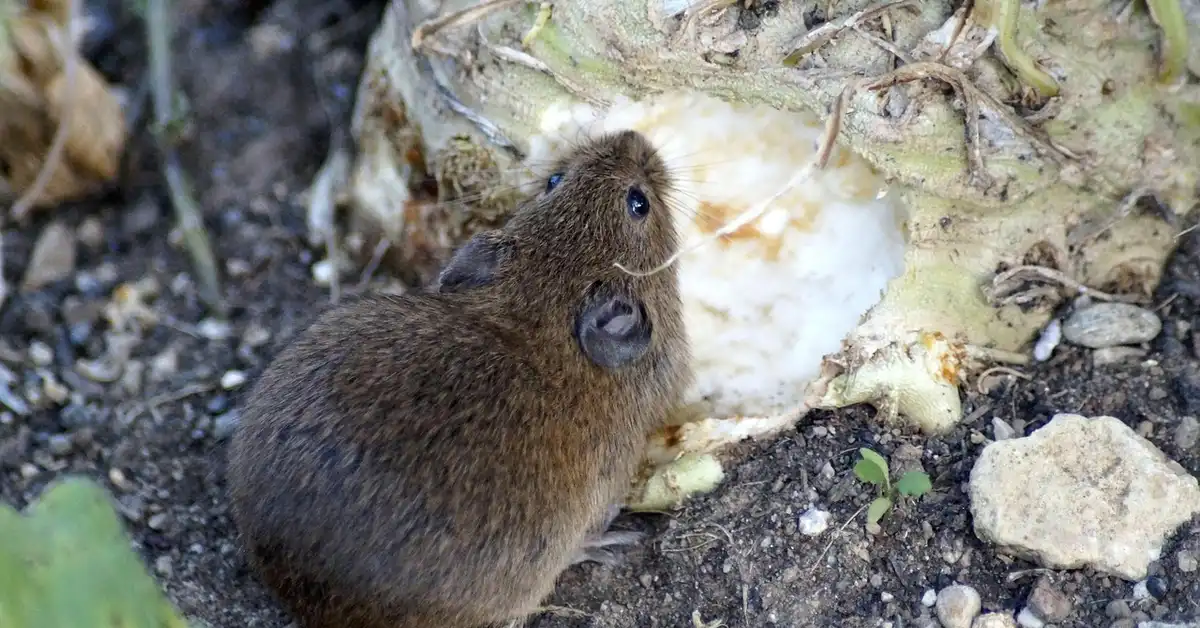
Mice dedicate a surprising amount of time to licking their fur and paws, which acts as a natural cleaning system. This constant self-care removes dirt, loose fur, and external parasites like mites before they can become a problem. I’ve watched my own mice, like the ever-curious Kenny, pause his explorations for a thorough wash, ensuring he stays free from irritants.
Their saliva has mild antibacterial properties, helping to keep small wounds clean. Regular grooming sessions significantly reduce the risk of skin infections and keep your mouse’s coat in prime condition. You might notice them paying extra attention to their feet and face, areas prone to buildup.
- Distributes natural skin oils for a waterproof, healthy coat
- Removes food particles and environmental debris
- Dislodges and consumes potential parasites
Temperature Control Through Fur Maintenance
Grooming is a mouse’s built-in thermostat, allowing them to adapt to changing temperatures. By meticulously arranging their fur, they can trap a layer of insulating air to stay warm or flatten it to release excess heat. Think of it like them putting on or taking off a tiny, furry jacket.
On cooler days, you might see them fluff up their coat through vigorous licking and nibbling. This behavior is a crucial survival skill that helps maintain their core body temperature without shivering or panting. My older mouse, Gregory, often grooms more deliberately when the room feels a bit drafty, his steady pace a testament to this instinct.
Scent Communication and Marking
Every grooming session is also a way for mice to manage their unique scent signature. They spread natural oils from glands across their body, leaving a personalized scent mark on themselves and their environment. This scent acts as a familiar comfort and a signal to cage mates.
This is why a newly introduced mouse might groom excessively-they are covering foreign scents with their own. This scent-marking through grooming reinforces group identity and reduces tension within the social hierarchy. It’s a silent language of belonging that I’ve observed in my trio, especially with Jeffery, who seems to find reassurance in it.
Social Grooming: When Mice Groom Each Other
Allogrooming and Social Bonding
When mice groom each other, a behavior called allogrooming, it’s a clear sign of a bonded group. This mutual care strengthens social ties and builds trust, much like friends sharing a secret handshake. Such frequent, reciprocal grooming is one of the telltale signs of a strong bond between mice. Other common signs include huddling together, sharing nests, and cooperative behaviors. It often focuses on hard-to-reach spots like the head and neck, areas a mouse can’t easily clean alone.
Allogrooming releases endorphins, making it a calming, pleasurable experience for both the giver and receiver. Watching my mice take turns grooming is a beautiful display of their affection and cooperative nature. It’s a cornerstone of their social structure.
- Reinforces peaceful coexistence and reduces aggression
- Provides comfort and reduces stress in the group
- Helps maintain hygiene for the entire colony
Barbering: When Social Grooming Goes Wrong
Sometimes, social grooming can become excessive, leading to barbering where one mouse over-grooms another, causing hair loss. Barbering is often a sign of stress, boredom, or social tension within the group. It typically appears as patches of missing fur, usually on the face, back, or whiskers.
If you notice this, it’s time to assess their environment for changes. Providing more enrichment, like tunnels and chew toys, can redirect this behavior and restore harmony. In my experience, ensuring each mouse has enough space and hiding spots can prevent barbering from starting. Understanding the motivations behind barbering—such as social dominance, stress, or boredom—helps you choose the most effective interventions. Observing patterns and triggers makes it easier to address the root causes.
- Identify the mouse doing the barbering and observe their interactions
- Increase cage complexity with new toys and climbing structures
- Monitor for signs of stress or illness in all cage mates
The Brain Behind the Behavior: What Drives Grooming
Grooming is driven by a complex mix of instinct, brain chemistry, and environmental cues. It’s a self-rewarding behavior triggered by the brain’s release of feel-good chemicals like endorphins. This makes grooming a natural stress-reliever and a way to self-soothe after excitement or fear.
Even newborn mice show grooming motions, proving it’s a hardwired instinct for survival. The sequence of grooming-starting with the face and moving to the body-is controlled by specific neural pathways that ensure thoroughness. It’s a rhythmic, almost meditative process that helps them feel in control.
External factors like a dirty environment or social changes can increase grooming frequency. Understanding these drivers helps you create a home where your mice feel secure enough to groom normally. I’ve seen how a calm routine encourages my mice to engage in healthy, balanced grooming throughout their day.
When Grooming Signals a Problem: Recognizing Abnormal Patterns
Over-Grooming and Bald Patches
While mice are fastidious creatures, a sudden obsession with cleaning can be a red flag. Obsessive licking or chewing that creates visible bald spots, especially on the shoulders, flanks, or face, is a clear sign something is amiss. This isn’t the same as the occasional scratch; it’s a persistent, frantic behavior that removes fur entirely, sometimes leaving red or irritated skin underneath.
Common triggers for this over-grooming include external parasites like mites, which cause intense itching. I’ve found that skin infections or even allergies to a new type of bedding can also provoke this reaction. It’s a physical manifestation of discomfort, and your mouse is trying desperately to find relief. Pay close attention to the location of the grooming, as it can offer clues to the source of the irritation.
Under-Grooming and Unkempt Fur
The opposite problem is just as concerning. A healthy mouse has a soft, sleek coat. If your mouse’s fur becomes greasy, matted, or develops a spiky “staring” coat, it’s a strong indicator they are not feeling well enough to perform basic self-care. You might notice crumbs or bedding stuck in their fur, which a healthy mouse would never tolerate. Pain can make a mouse reluctant to groom, so a poor coat is often a sign they are in discomfort. If you suspect pain, watch for other signs like decreased activity, hunched posture, or flinching when touched.
Under-grooming is often a symptom of a deeper issue. This unkempt appearance frequently points to pain, advanced age making movement difficult, or a systemic illness that saps their energy. My older mouse, Gregory, went through a brief period like this when he had a minor respiratory infection; his once-pristine coat lost its luster because all his energy was focused on getting better.
Stress-Related Grooming and Stereotypy
Sometimes, the grooming itself is the illness. Repetitive, functionless grooming that serves no cleaning purpose is a stereotypy-a behavior often born from chronic stress or boredom. This isn’t a quick clean-up; it’s a rhythmic, almost trance-like motion that can go on for long periods.
Look for a cage environment that might be causing this anxiety.
- Is the cage too small or lacking in hiding places?
- Is it placed in a high-traffic, noisy area?
- Are there constant conflicts with cage mates?
This behavior is a cry for help, signaling that your mouse’s mental well-being needs as much attention as its physical health. Addressing the root cause of the stress is the only path to a real solution.
Supporting Your Mouse’s Natural Grooming Habits
Creating a Clean, Comfortable Habitat
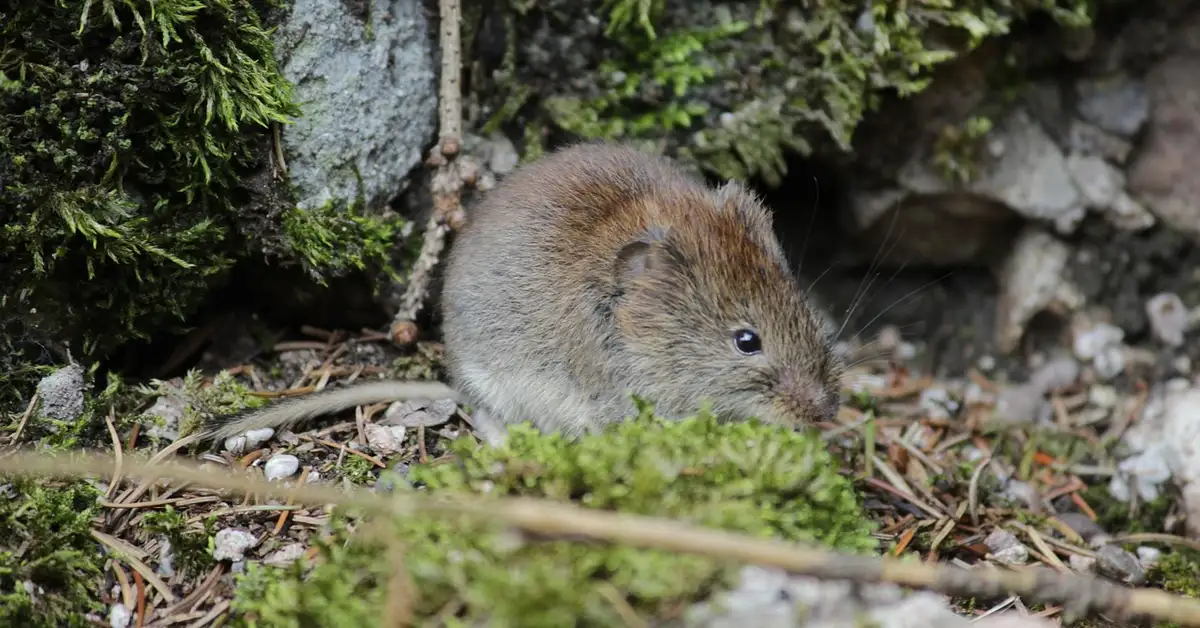
A clean cage is the foundation of good grooming. Providing a stable, low-stress environment is the single best thing you can do to support your mouse’s natural instincts. Mice feel secure and in control when their home is predictable and safe, which encourages normal, healthy behaviors. Simple daily, weekly, and monthly cleaning help keep the environment predictable and hygienic. Maintaining that cleaning routine reduces stress and supports your mouse’s normal behaviors.
Focus on these key elements for their habitat:
- Bedding: Use a soft, absorbent, dust-free substrate like aspen shavings or paper-based bedding. Avoid cedar or pine, as the fumes can irritate their respiratory systems and skin.
- Cleanliness: Perform spot-cleans of soiled areas daily and a full cage clean weekly to prevent ammonia buildup from urine, which can harm their delicate lungs and skin.
- Enrichment: Include multiple hideouts, tunnels, and a deep layer of bedding for burrowing. A calm mouse is a grooming mouse.
When and How to Help With Grooming
For the most part, your mouse is a self-sufficient expert. Your role is typically that of a supportive observer, stepping in only when nature needs a little assistance. Intervention should be gentle, minimal, and stress-free for your pet.
There are a few scenarios where a helping hand is appropriate:
- Sticky Substances: If they get something like a bit of fruit or honey stuck in their fur, use a soft, damp cloth or a cotton swab with warm water to gently wipe the area. Never use soaps or shampoons unless specifically instructed by a vet.
- Elderly or Ill Mice: For mice like Gregory who might struggle, you can mimic grooming by very gently stroking their fur with a soft-bristled toothbrush or your finger.
- Social Bonding: Some mice enjoy being gently pet, which can reinforce social grooming bonds between you. My curious mouse, Kenny, often sits still for a quick head stroke after a handling session.
Recognizing When to Seek Veterinary Care
Knowing when home care isn’t enough is a vital part of responsible ownership. Any significant change in grooming behavior that persists for more than a day warrants a closer look and potentially a vet visit. Mice are prey animals and excel at hiding weakness, so visible symptoms mean the problem is likely advanced. If you spot these signs, expect to schedule a prompt first vet visit; the vet will perform a full physical exam and ask about diet, housing, and recent behavior. Basic diagnostics or treatments may be recommended based on their findings.
You should contact an exotic veterinarian immediately if you observe:
- Large, rapidly expanding bald patches with inflamed skin.
- Visible parasites, like tiny moving dots, in the fur or on the skin.
- Open wounds, scabs, or signs of bleeding from over-grooming.
- Lethargy, weight loss, or labored breathing accompanying the poor coat condition.
A skilled vet can diagnose underlying issues like mites, fungal infections, or hormonal problems that are impossible to treat with home remedies alone. Prompt action can make all the difference for your small friend.
Frequently Asked Questions
What is grooming behavior?
Grooming behavior is a natural, instinctive activity seen in many animals, where they clean and maintain their own bodies or those of others in their social group. It typically involves actions like licking, scratching, or preening to remove dirt, parasites, and debris, while also distributing natural oils for skin and fur health. This behavior supports overall hygiene, temperature regulation, and can strengthen social bonds in species that engage in mutual grooming.
How does mouse grooming relate to humans?
Mouse grooming shares functional similarities with human hygiene practices, such as washing hands or brushing hair, as both aim to prevent illness and maintain cleanliness. Additionally, just as humans might engage in self-soothing habits like nail-biting or hair-twirling when stressed, mice often increase grooming to manage anxiety, showing how both species use repetitive behaviors for emotional regulation.
What is mouse grooming?
Mouse grooming is the self-cleaning process where mice use their paws, teeth, and specialized grooming claws to meticulously clean their fur, face, and body. This innate behavior helps them stay free of dirt and parasites, regulate body temperature, and maintain a healthy coat, all of which are crucial for their well-being in both wild and domestic settings.
Your Path Forward
Witnessing your mouse’s meticulous self-care is a quiet privilege, a daily reminder of their innate resilience and complex nature. You now understand that their fastidious grooming is far more than just cleaning; it’s a cornerstone of their health, social structure, and personal comfort. Knowing when their grooming habits indicate a problem is crucial for any responsible mouse owner.
Your role is beautifully simple: provide a safe, stress-free habitat with quality food and nesting material, then step back and appreciate the show. Trust in their instincts, from Kenny’s quick post-adventure tidy-up to Gregory’s slow, deliberate method, and know you are supporting a profoundly natural and essential behavior.
Further Reading & Sources
- Mouse Ethogram: Self-Grooming Behavior – Maze Engineers
- How to Get Your Computer Mouse Squeaky Clean | PCMag
- How to Clean a Smelly Mouse: 11 Steps (with Pictures) – wikiHow
Isabella is a passionate small pet enthusiast with over 8 years of experience in caring for mice. She loves sharing practical tips and heartfelt stories to help fellow mouse owners provide the best care for their tiny companions.
Mice Grooming