
Signs of Stress in Mice: A Complete and Behavioral Guide
Have you ever watched your mouse and felt a pang of worry, noticing small changes in their behavior that you can’t quite explain? I’ve been there with my own mice, and this guide is designed to give you the clarity and confidence to understand what your pet is communicating. Learning to read these subtle cues allows you to intervene early, turning a potentially stressful situation into an opportunity for deeper bonding and care.
We will break down the physical and behavioral red flags into easy-to-identify categories, offering straightforward solutions you can implement right away. This article covers key stress indicators, from altered grooming habits and vocalizations to shifts in social interaction and appetite, along with proven methods to help your mouse feel safe and secure.
How Stress Actually Affects Your Pet Mice
Stress isn’t just a fleeting mood for a mouse; it’s a physiological state that can profoundly impact their entire system. Chronic stress triggers a constant release of cortisol, a hormone that, over time, suppresses their immune function and leaves them vulnerable to illness. I’ve seen this firsthand-a mouse under constant pressure often seems to catch every sniffle that goes around the cage. Their little bodies are working overtime, which can shorten their lifespans and diminish their overall zest for life. It directly attacks their quality of life, turning a normally curious explorer into a reclusive, anxious creature.
Beyond the physical toll, stress reshapes their entire world. A stressed mouse perceives its environment as threatening, which can halt natural behaviors like exploring, playing, and social bonding. Imagine feeling too on-edge to enjoy your favorite activities or even eat a proper meal. This mental strain can lead to a cycle where fear breeds more fear, making recovery a slower process. It’s heartbreaking to watch a naturally social animal withdraw from its cage mates and hide away, especially when fear and anxiety are at its core.
Physical Signs Your Mouse Is Stressed
Your mouse’s body will often tell you what its voice cannot. Learning to read these physical cues is your first and most powerful tool in identifying distress early. These signs can be subtle, so consistent, gentle observation is key. A change in their normal physical presentation is almost always a signal that something in their world is out of balance.
Changes in Grooming and Fur Quality
A mouse’s coat is a brilliant barometer of its internal state. Watch for these specific changes:
- A once-glossy coat becoming dull, ruffled, or unkempt is a classic sign of a mouse that feels too unwell or anxious to maintain its usual fastidious grooming.
- Over-grooming, leading to bald patches, especially on the shoulders, face, or forelegs. The skin underneath may look red or irritated.
- Noticeable grease or matting in the fur, which indicates a complete breakdown of their grooming routine.
- I once had a mouse, Kenny, who developed a small, ragged patch on his back during a particularly noisy week in our home-a clear signal he was overwhelmed.
Body Language and Posture Indicators
Mice communicate volumes through their posture. A stressed mouse often looks like it’s trying to disappear. Be alert for these postures:
- Hunching or puffing up their fur to appear larger when no immediate threat is present.
- Constantly flattening themselves against the cage floor, ears pinned back, in a frozen posture.
- Twitching or vibrating intensely while sitting still, which is different from the gentle whisker twitches of a curious mouse.
- A noticeable startle response, jumping dramatically at small sounds or movements that never used to bother them.
- Reluctance to stretch out fully, even when sleeping, always keeping their body tightly coiled.
Weight and Appetite Changes
Stress and digestion are intimately linked. Any shift in eating habits deserves your attention.
- A sudden loss of interest in favorite treats is one of the most reliable red flags. If Jeffrey turns down a berry, something is definitely wrong.
- Significant, rapid weight loss, making their spine or hip bones more prominent.
- Conversely, some mice may eat more compulsively but still lose weight due to the metabolic demands of constant anxiety.
- Hoarding behavior might increase dramatically, with the mouse frantically stashing all food away without eating it.
- Changes in water consumption, either drinking far more or far less than usual.
Behavioral Signs That Signal Mouse Stress
Repetitive and Stereotypic Behaviors
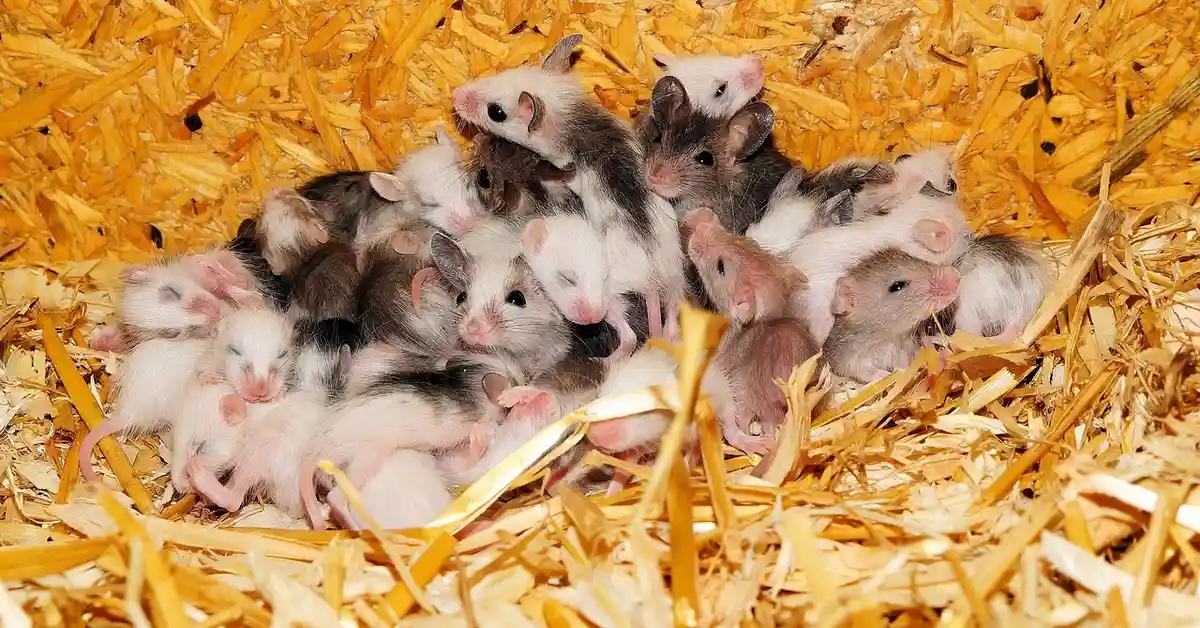
One of the most telling signs of a distressed mouse is the development of repetitive, seemingly pointless actions. These stereotypic behaviors are a clear cry for help, indicating that your mouse’s environment is not meeting its needs. Watch for relentless bar-biting, where a mouse gnaws on the cage bars for extended periods, or persistent circling in a tight pattern. Another common sign is repetitive weaving or jumping in a specific corner of the enclosure. I’ve seen this firsthand; it’s a heartbreaking sight that means immediate changes are required.
- Bar-biting or wire-chewing
- Pacing in a fixed, predictable route
- Repetitive circling or flipping
- Constant, frantic digging in one spot without purpose
- Over-grooming to the point of creating bald patches
Aggression and Social Stress Signals
Mice are social creatures, but stress can shatter their peaceful coexistence. Unprovoked aggression is a major red flag that the social structure within the cage has become toxic. You might notice one mouse relentlessly chasing another, preventing access to food or water. Look for patchy fur, small scabs, or bite marks on the back and rump, which are common targets during fights. My mouse Gregory, usually a calm mentor, will sometimes get grumpy and vocal if his younger cage-mates are too boisterous, a subtle sign of social fatigue. Distinguish normal dominance from bullying: dominance is usually brief and ritualized, while bullying is repetitive, one‑sided, and causes injury or stress. If you see ongoing targeting, isolation, or resource guarding, the relationship has likely turned unhealthy and needs intervention.
- Frequent, intense chasing that isn’t playful
- Blocking access to resources like food bowls or wheels
- Puffed-up fur and an arched back during interactions
- Audible, angry-sounding squeaks during confrontations
- An individual being excluded from the main sleeping nest
Activity Level Changes
A shift in your mouse’s normal energy is a powerful indicator of its mental state. A previously active mouse becoming lethargic, or a calm mouse turning hyperactive, both signal that something is wrong. A stressed mouse might stop using its exercise wheel entirely or, conversely, run on it with a frantic, obsessive intensity. You may also see a general slowing down, where the mouse moves with less purpose and seems disinterested in exploring its surroundings, even during their normally active dawn and dusk hours.
- Sudden lethargy and lack of interest in play
- Frantic, non-stop running on the wheel
- Abandoning previously loved activities and toys
- Moving with a slow, hunched posture
Hiding and Avoidance Behaviors
While mice naturally seek cozy, dark spaces, excessive hiding is a symptom of fear. If your mouse consistently flees and remains hidden long after you’ve entered the room, it’s feeling profoundly unsafe. A stressed mouse will often choose a single, difficult-to-reach hideout and spend almost all its time there, only venturing out for absolute necessities. This is different from healthy napping; it’s a constant state of alertness and retreat. My little Jeffery used to do this, and it took patience and environmental tweaks to help him feel secure enough to explore.
- Spending the vast majority of the day in one hide
- Bolting for cover at the slightest sound or movement
- Reluctance to come out for favorite treats
- Choosing hides with only one entrance for a perceived sense of security
Nesting Behavior Changes
Observing how your mice build and maintain their nests provides a window into their well-being. A healthy, content mouse will create a soft, messy, and well-structured nest, while a stressed one will either neglect this task or perform it destructively. You might find nesting material scattered everywhere instead of gathered, or a complete lack of a nest altogether. Some mice under duress will shred an excessive amount of bedding but fail to assemble it into a proper home, a sign of anxious, displaced energy. In the wild, nesting behavior is closely tied to territory and reproductive cycles—nests mark home ranges and serve as nurseries during breeding. Watching nest changes can therefore also tell you about social status and lifecycle stage.
- Failure to build a nest despite available materials
- Shredding bedding obsessively without forming a nest
- Constantly destroying and rebuilding the nest
- Sleeping in the open on bare plastic, away from the group
Vocal and Subtle Communication Signs
Mice have a complex language of squeaks and ultrasonic vocalizations we can’t hear, but the sounds we can detect are very informative. These squeaks carry specific meanings—pitch, loudness, and context can indicate whether a mouse is curious, anxious, or in pain. Learning these common squeak meanings helps you respond appropriately. A happy, exploring mouse is often a quiet mouse, so frequent, loud squeaking usually indicates displeasure, fear, or pain. Listen for sharp, high-pitched squeaks during handling or social squabbles. Beyond sound, watch their whiskers. A relaxed mouse has whiskers that twitch and sweep forward and back calmly. A stressed mouse may hold its whiskers stiffly forward or pinned back against its face. Even the way they hold their ears—flattened against the head—can signal anxiety or submission.
- Loud, frequent squeaking during interactions
- Chattering or grinding teeth (bruxing) when not resting
- Stiff, unmoving whiskers or ears pinned back
- A noticeable lack of the soft, contented bruxing sounds
What Triggers Stress in Pet Mice
Environmental Stressors
Your mouse’s cage is its entire world, and small details we overlook can be major stressors for them. Inconsistent or overly bright lighting, loud sudden noises, and unpleasant smells are among the top environmental triggers for anxiety. Placing the cage in a high-traffic area with constant foot traffic or in direct sunlight can make a mouse feel exposed and vulnerable. Even using strong-smelling cleaning products or air fresheners near their home can be overwhelming to their sensitive noses.
- Lack of sufficient hiding places and clutter
- Bright, overhead lighting without a dark cycle
- Loud noises from TVs, speakers, or household appliances
- Vibrations from washing machines or slamming doors
- Predator smells from other pets like cats or dogs
Social and Housing Stressors
Getting the social mix wrong is a common cause of chronic stress. Housing a single mouse alone is a profound stressor, as they are inherently colony animals who need companionship. Mice are social animals that form complex hierarchies and bonds. They use scent and subtle behaviors to communicate and depend on stable group structures for wellbeing. Conversely, overcrowding a cage can lead to intense competition and aggression. Introducing new mice incorrectly or maintaining an unstable group hierarchy also creates immense social tension. An enclosure that is too small or barren fails to provide the mental stimulation mice need, leading to boredom and frustration.
- Inadequate space for the number of mice
- Isolation or inappropriate group dynamics (e.g., too many males)
- Lack of enrichment like tunnels, wheels, and chew toys
- Territorial disputes over limited resources
Handling and Routine Disruptions
Mice are creatures of habit who find comfort in a predictable daily rhythm. Sudden changes in their routine or improper handling techniques can shatter their sense of security and trigger a stress response. Grabbing a mouse from above, like a predator would, is terrifying for them. Frequent, lengthy handling sessions, especially with new or shy mice, can do more harm than good. Even simple changes like cleaning the cage on a different day or rearranging all the furniture at once can be deeply unsettling. That stress often shows up as sudden aggression — defensive biting, lunging, or hissing — so recent disruptions in routine or handling are common reasons a previously calm mouse may become aggressive.
- Being grabbed or scooped up suddenly
- Loud, noisy interactions around the cage
- Infrequent or overly aggressive cage cleaning
- Changes in feeding times or diet
- Travel or moving the cage to a new location
Immediate Steps When You Notice Stress Signs
Quick Environmental Adjustments
If your mouse starts showing stress, act fast to calm their nerves. Begin by dimming bright lights and lowering any loud noises, as sudden changes in light and sound can startle sensitive mice. I often use a soft cloth to cover part of Kenny’s cage when he gets overstimulated—it helps him feel secure. Move the cage to a quieter, low-traffic area away from drafts or direct sunlight. Add an extra hideout or tunnel for immediate refuge; even a small cardboard box can work wonders. Ensure fresh water and a small, familiar treat are easily accessible to reassure them. These immediate calming steps are the first part of a complete guide to taming a scared, skittish mouse. Later sections cover step-by-step desensitization and gentle handling techniques to build lasting trust.
- Reduce noise and bright lighting immediately
- Relocate the cage to a calm, stable spot
- Provide extra hiding places with simple items
- Offer a favorite snack and check water supply
When to Contact Your Vet
Some stress signs point to underlying health issues needing professional care. Reach out to your vet if you notice persistent changes like refusal to eat, labored breathing, or unexplained weight loss over 24 hours. With Gregory, I once saw him hunched and lethargic for a day-turns out he had a mild respiratory infection that needed treatment. Contact a vet right away for visible injuries, excessive scratching leading to bald spots, or if a mouse isolates itself constantly from the group. These could signal pain or illness that home adjustments can’t fix.
- Persistent lack of appetite or drinking
- Breathing difficulties or wheezing sounds
- Visible wounds, swelling, or hair loss
- Prolonged isolation or aggression in social settings
Long-Term Solutions to Reduce Mouse Stress
Optimizing Cage Setup and Enrichment
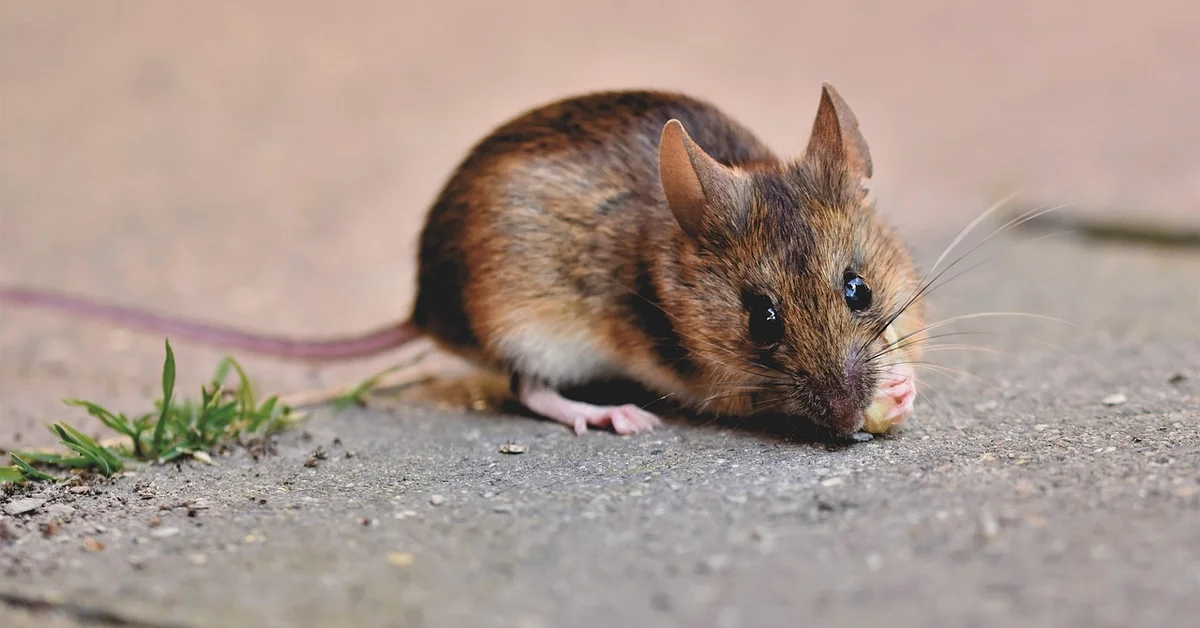
A well-designed habitat prevents stress from building up over time. Choose a cage with multiple levels and solid floors to encourage natural climbing without risk of falls. I use a mix of aspen shavings and paper-based bedding for my trio-it’s cozy and controls odors. Rotate toys and tunnels weekly to keep things fresh; Jeffery loves exploring new cardboard mazes. Include chew toys and foraging opportunities to satisfy their instinct to gnaw and search for food. A deep bedding layer lets them burrow, which mimics their wild behavior and reduces anxiety.
- Select spacious cages with secure platforms
- Use safe, absorbent bedding changed regularly
- Introduce variety in toys and structures
- Incorporate foraging puzzles and chew items
Managing Social Groups Successfully
Mice thrive in stable groups, but conflicts can arise without careful oversight. Introduce new mice gradually in a neutral space and watch for positive interactions like gentle sniffing or grooming. I’ve found that Kenny’s boldness sometimes upsets Jeffery, so I give them separate areas to retreat. Avoid overcrowding-aim for at least 2 square feet per mouse to prevent territorial disputes. If bullying occurs, provide multiple food and water stations to reduce competition. Regularly observe their dynamics; a harmonious group will sleep huddled together and share resources peacefully. If you’re unsure about how to handle aggressive behavior, find out the causes and solutions for mice fighting.
- Introduce newcomers slowly in neutral zones
- Monitor for friendly behaviors post-introduction
- Ensure ample space and resources for all
- Intervene if persistent chasing or fighting occurs
Creating Predictable Routines
Mice feel safer when their days follow a consistent pattern. Stick to regular feeding times, ideally twice daily, so they anticipate meals without anxiety. In my home, Gregory knows that evening brings a tiny piece of aged cheese, and he’s always waiting calmly. Schedule cage cleanings on the same day each week to avoid surprising them. Keep handling sessions gentle and at similar times-short, positive interactions build trust. A stable routine helps mice like Jeffery, who’s naturally jumpy, feel more in control of their environment.
- Feed at consistent times morning and evening
- Clean the cage on a fixed weekly schedule
- Handle mice gently during predictable intervals
- Maintain steady light-dark cycles if possible
Recognizing Happy, Unstressed Mice
Content mice display clear, joyful behaviors that show they’re at ease. Look for frequent grooming sessions, where they meticulously clean themselves and cage mates—it’s a sign of comfort and social bonding. Happy mice explore their surroundings with curiosity, nibble on food enthusiastically, and engage in playful chasing or wrestling without aggression. You might see them popcorn—little joyful jumps—or nestle together in a cozy pile for naps. Their breathing is steady, and their eyes are bright and alert, free from any frantic movements. Use these signs as a quick behavior checklist to tell if your mouse is happy. Check for them regularly to monitor your pet’s wellbeing.
- Active grooming and social interactions
- Curious exploration and steady appetite
- Playful behaviors like jumping or gentle tussling
- Relaxed posture and calm, even breathing
Frequently Asked Questions
Can mice die from stress?
Yes, mice can die from stress if it becomes chronic and severe. Prolonged stress weakens their immune system, making them susceptible to illnesses like respiratory infections or digestive issues, which can be fatal if untreated. Additionally, extreme stress may lead to anorexia or dehydration, directly threatening their survival without prompt care.
What are the signs of stress in mice?
Signs of stress in mice often manifest as deviations from their normal behavior, such as sudden aggression toward cage mates or a loss of interest in activities they usually enjoy. Physically, you might notice weight fluctuations or a decline in grooming, but it’s the combination of these changes that indicates underlying stress rather than a single symptom.
What are the mouse signs in house?
In a household setting, signs that your pet mouse is stressed can include reactions to environmental factors like loud noises or poor cage placement, leading to behaviors such as constant hiding or refusal to eat. These signs often stem from a lack of security or routine disruptions, so ensuring a calm, consistent environment is key to reducing their anxiety.
Your Path Forward
Recognizing the subtle signs of stress is the first, most powerful step toward providing a truly peaceful life for your mouse. You are now equipped to notice the small changes in posture, appetite, and social habits that signal your pet needs a little extra support.
Your attentive care, guided by this knowledge, will build a foundation of trust and comfort that transforms your relationship. By listening to these tiny signals and adjusting their world with patience, you are not just solving a problem-you are creating a home where your curious companion can feel genuinely safe, secure, and happy.
Further Reading & Sources
- Long-term effects of chronic stress models in adult mice – PMC
- Recognition and Assessment of Stress and Distress – Recognition and Alleviation of Distress in Laboratory Animals – NCBI Bookshelf
- How do you study stress in mice? :: Understanding Animal Research
Isabella is a passionate small pet enthusiast with over 8 years of experience in caring for mice. She loves sharing practical tips and heartfelt stories to help fellow mouse owners provide the best care for their tiny companions.
Common Behavioral Issues