
The Link Between Stress and Illness in Mice (And How to Reduce It)
Have you ever watched your mouse seem off-perhaps hiding more, eating less, or showing signs of sickness after a noisy day or a cage move? I’ve been there with my own mice, and it’s a worry that many owners share. This guide will demystify why stress makes mice vulnerable to illness and give you a straightforward path to ease their anxiety. Recognizing stress as a root cause of health issues is the first step toward building a happier, resilient mouse.
We’ll break down how chronic stress weakens a mouse’s immune system, pinpoint everyday stressors in their habitat, and share simple adjustments to lower tension. You’ll find actionable advice on enrichment, handling, and environment tweaks that can shield your mouse from stress-related sickness.
Key Takeaways
- Chronic stress directly weakens your mouse’s immune system, making them far more susceptible to common illnesses.
- Observing subtle changes in behavior is your most powerful tool for identifying stress before it becomes a health crisis.
- Creating a stable, predictable environment is the single most effective way to protect your mouse’s long-term health.
- Simple, consistent routines for feeding and handling build a foundation of security that buffers against stress.
Understanding the Stress-Illness Connection in Pet Mice
When your mouse feels constantly on edge, their body shifts all its resources into survival mode, leaving little energy for maintaining health. This physiological trade-off is why a chronically stressed mouse will almost always have a weaker immune response than a content one. I have seen this play out in my own mischief; a sudden change in their room’s layout once led to a series of minor sniffles in my usually bold mouse, Kenny, a clear sign his defenses were down.
What Happens Inside Your Mouse’s Body During Stress
The moment your mouse perceives a threat, its body releases a flood of hormones like cortisol. In the short term, this is beneficial—it sharpens their reflexes and provides a burst of energy. The real danger lies in a constant state of high alert, which keeps cortisol levels elevated and begins to suppress the immune system. Their body simply cannot sustain a war on two fronts, and fighting off invisible internal threats becomes a lower priority than facing a perceived external one. In social groups, this chronic stress often stems from ongoing dominance disputes or repeated bullying; subordinate mice exposed to persistent aggression show the highest cortisol levels. Distinguishing normal dominance interactions from harmful bullying is key to spotting and addressing unhealthy mouse relationships.
You might notice these physical and behavioral signs of a stressed-out immune system:
- Frequent sneezing, wheezing, or other respiratory issues that seem to linger.
- Recurring skin conditions or a dull, unkempt coat from lack of grooming.
- A general lethargy and lack of interest in exploring or playing.
- Changes in eating habits, either eating much more or much less than usual.
Why Research Uses Mice as Experimental Models for Stress Studies
Scientists rely on mice for stress research because their biological stress response is remarkably similar to our own. The same hormonal pathways that govern a mouse’s reaction to a new, intimidating toy are fundamentally the same as those activated in a person facing a tight deadline. This biological parallel means the findings from these studies give us direct, actionable insights for our pets at home. By studying fear and anxiety in mice, researchers identify the triggers and coping strategies that calm stressed animals. Those insights point to simple, evidence-based steps owners can use to help a scared pet feel safer.
Research has consistently shown that environmental factors we can control have a massive impact. For instance, studies measuring cortisol levels prove that mice with hiding places and complex cages show significantly lower stress markers. Applying these findings is straightforward: providing ample bedding for burrowing and multiple hideouts isn’t just enrichment; it’s a direct prescription for better health. My older mouse, Gregory, spends much of his time in his favorite ceramic hut, and his steady, calm demeanor is a testament to the security a good hiding spot provides.
Recognizing Stress Signals in Your Mice
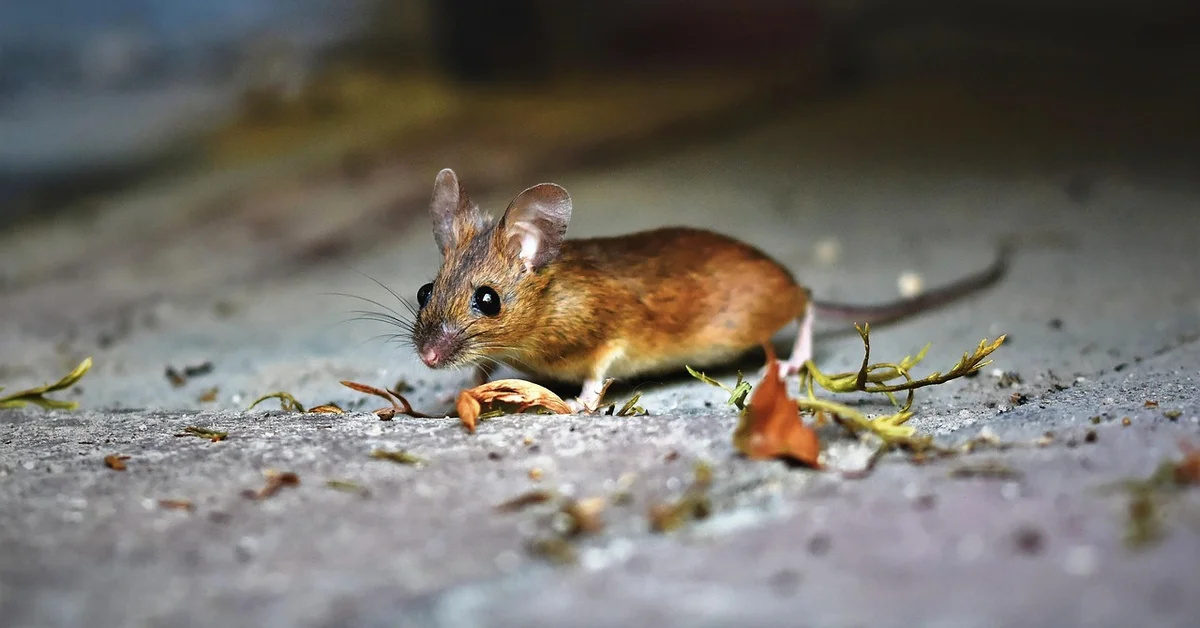
Your mice are masters of subtle communication, and their stress signals can be easy to miss if you don’t know what to look for. Observing changes in their normal, daily habits is the single most reliable way to spot a problem early. A mouse that suddenly stops running on its wheel or interacting with its cage mates is sending a clear, albeit quiet, message. They do communicate (they do communicate), though much of it is subtle—via scent, posture and ultrasonic vocalizations. Recognizing these cues helps answer the question “do mice communicate” and lets you respond to their needs sooner.
- Over-grooming or Barbering: You might notice bald patches, often on the face or shoulders, where a mouse is compulsively licking or chewing its own fur or that of a cage mate.
- Changes in Appetite or Drinking: A stressed mouse may eat or drink significantly more or less than usual, leading to rapid weight gain or loss.
- Lethargy or Hiding: While mice need sleep, a mouse that is constantly tucked away in a hide and avoids all interaction is likely feeling overwhelmed.
- Aggression or Irritability: Nipping at your hand, chasing cage mates relentlessly, or frequent, loud squabbling are signs of a tense environment.
- Repetitive Behaviors: Watch for actions like pacing the same route, weaving back and forth at the cage bars, or obsessively digging in one spot.
- Physical Symptoms: Look for squinted eyes, a hunched posture, rapid breathing, or a puffed-up coat, which can all indicate discomfort or pain.
Common Stress-Related Illnesses in Pet Mice
Chronic stress directly weakens the immune system, leaving your mice vulnerable to a host of health issues. I’ve found that many sudden illnesses in my own mischief can be traced back to a period of unnoticed stress. Their small bodies simply can’t fight off pathogens effectively when they are constantly on high alert. One common sign of stress is a repetitive “rolling” behavior; mice may roll or tumble as a displacement or self-soothing action. Understanding why mice roll can help you spot stress early and address its causes before illness develops.
- Respiratory Infections (Mycoplasma): The most common illness, often flaring up after a stressful event like a cage change or introduction of a new mouse, presenting as sneezing, wheezing, and labored breathing.
- Skin Conditions and Mites: A healthy mouse can typically keep mite populations in check, but a stressed one cannot, leading to intense itching, scabs, and hair loss.
- Digestive Upsets: Stress can cause diarrhea or, conversely, a dangerous slowdown of the gut, known as ileus.
- Weeping Eye (Chromodacryorrhea): This red, porphyrin-stained discharge around the eyes and nose is a direct physical manifestation of stress or pain.
What Causes Stress in Pet Mice
Understanding the root of the problem is your first step toward solving it. Mice are prey animals, so their world is built on the principles of safety and predictability. Anything that disrupts their sense of security can be interpreted as a life-threatening danger. Their tiny hearts beat fast with fear over things we might consider trivial. When mice suddenly start fighting, it’s often because changes—like overcrowding, new scents or objects, or shifts in food and territory—make them feel threatened. Identifying those triggers is the key to finding practical solutions.
- Loud Noises and Vibrations: Vacuum cleaners, loud music, or a cage placed near a rumbling appliance are constant sources of alarm.
- Predator Sights and Smells: The presence of cats, dogs, or even just their scent on your hands can trigger a deep-seated panic.
- Improper Social Dynamics: Housing a single mouse alone is profoundly stressful, but so is housing incompatible groups or introducing new mice incorrectly.
- Boredom and Lack of Stimulation: A barren cage with nothing to do is a psychological prison that leads to chronic stress and depression.
- Frequent or Improper Handling: Being grabbed from above, held too tightly, or handled by unfamiliar people is terrifying.
- Unclean or Unstable Environments: A dirty cage, drastic temperature swings, or constantly rearranging their entire home destroys their need for a stable territory.
Proven Ways to Reduce Stress in Your Pet Mice
Creating a Stress-Free Housing Setup
Your mouse’s cage is their entire universe, and its design is the foundation of their mental well-being. A well-planned habitat provides security, stimulation, and comfort, acting as a constant buffer against the outside world. I think of it as building them a fortress where they are the kings and queens, safe from all perceived harm. In this ultimate guide to mouse cages, we’ll walk you through choosing the right enclosure, layout, bedding, and enrichment to create that perfect habitat. Follow along for practical tips and product recommendations to make your pet’s home as safe and stimulating as possible.
Essential Cage Features That Lower Stress
- A Solid Base: Choose a tank or bin cage over a wire-floored one to protect their delicate feet and prevent drafts.
- Multiple Hiding Places: Provide at least two to three enclosed hides per mouse so everyone can have their own private retreat.
- Deep Bedding for Burrowing: A layer of bedding at least 4-6 inches deep allows for natural digging and tunneling behaviors, which are incredibly soothing.
- Clutter, Not Clean Lines: Fill the vertical and horizontal space with platforms, ropes, branches, and toys to break up sightlines and make them feel less exposed.
- A Quiet, Stable Location: Place the cage in a calm area of your home away from direct sunlight, drafts, and the hustle and bustle of daily life.
Choosing the Right Bedding for Stress Reduction
Bedding is more than just absorbent material; it is the landscape of your mouse’s world. The ideal bedding supports their instinct to burrow while being soft on their feet and safe for their respiratory systems. I’ve experimented with nearly every type, and the difference in my mice’s behavior with the right substrate is night and day. This guide will compare common bedding substrates and explain their pros and cons. You’ll learn how to choose the safest, most comfortable bedding for your mice.
- Aspen Shavings: A safe, economical wood-based bedding that holds burrow structures well.
- Paper-Based Beddings: Soft, highly absorbent, and virtually dust-free, making them an excellent choice for mice with sensitive respiratory systems.
- Hemp or Flax Bedding: These are super absorbent, low-dust, and have great odor-control properties.
- Texture Mixes: Combine a base bedding with a handful of hay or shredded paper towels to add variety and strengthen burrows.
Avoid cedar and pine shavings, as the aromatic phenols in these woods are toxic to mice and cause severe respiratory and liver damage.
Proper Handling Techniques to Minimize Anxiety
Building trust through gentle handling transforms you from a terrifying giant into a safe and welcome part of their world. Always let the mouse approach you first, and never grab them from above like a predator would. My mouse Jeffery was incredibly skittish, but by using a small cup to transport him, he learned that my hands were a source of treats and gentle pets, not fear.
- The Scoop Method: Gently scoop your mouse up from below with cupped hands, supporting their entire body.
- Tunnel or Cup Transfer: Encourage your mouse to walk into a tube or small container to be moved, giving them a sense of control.
- Hand Taming: Sit by the open cage and let them investigate your still hand, rewarded with a tiny treat like a sunflower seed or crumb.
- Handle Close to the Ground: Always interact with your mouse over a soft, secure surface like a bed or playpen in case they jump.
Environmental Enrichment That Prevents Chronic Stress
Enrichment is the art of giving your mice a job and a purpose, which is the ultimate antidote to stress. A busy mouse is a happy mouse, and providing novel challenges keeps their minds sharp and their stress levels low. I rotate my boys’ toys weekly, and watching them explore the new layout is one of my greatest joys. Choosing the best enrichment toys that stimulate a mouse’s mind—like puzzle feeders, foraging toys, tunnels, and climbable structures—makes that rotation even more effective. These brain-stimulating toys encourage problem-solving and natural behaviors, keeping your mice curious and fulfilled.
12 Types of Enrichment Your Mice Need
- Climbing Structures: Bird ropes, ladders, and grapevine wood.
- Chew Toys: Whimzees dog chews, seagrass balls, and applewood sticks.
- Foraging Opportunities: Scatter their daily food ration instead of using a bowl.
- Digging Boxes: A small container filled with coconut fiber or orchid bark.
- Paper Towel & Toilet Paper Tubes: The classic, cheap, and endlessly entertaining toy.
- Puzzle Feeders: Make simple puzzles out of egg cartons or paper bags stuffed with hay.
- Multi-Level Platforms: Create a multi-story landscape using safe woods and plastics.
- Natural Materials: Pine cones (baked to sterilize), leaves, and seed pods.
- A Solid-Surface Exercise Wheel: 8-10 inches in diameter to prevent back injuries.
- Nesting Materials: Provide strips of unscented paper towel or tissues.
- Secure Playpens: A safe, enclosed area outside the cage for supervised exploration.
- Novel Scents: Occasionally introduce a new, mouse-safe herb like basil or mint in a dish.
Social Considerations and Stress Management
Mice are profoundly social creatures who live in complex colonies in the wild. Housing at least three females or two males together provides the companionship and social grooming that is vital for their psychological health. My trio, Kenny, Gregory, and Jeffery, have a clear dynamic; Gregory’s calm presence is a grounding force for the impulsive Kenny and the anxious Jeffery. That said, not every mouse thrives in a group—illness, persistent aggression, or extreme stress can make solitary housing necessary. A mouse social behavior guide can help you recognize these signs and decide when to keep mice solitary or social.
- Introduce New Mice Carefully: Always use the split-cage method for introductions to prevent serious fighting.
- Provide Multiple Resources: Have more than one water bottle, food pile, and favorite hide to minimize competition.
- Observe Group Dynamics: Watch for bullying, which can include one mouse preventing others from eating or sleeping.
- Understand Male vs. Female Needs: Male groups can be stable but require more space and careful monitoring, while female groups are generally larger and more active.
Daily Monitoring and Preventative Care
The best treatment for stress is always prevention, and that comes from knowing what is normal for your specific mice. Spending just five minutes each day quietly observing your mice can help you catch subtle shifts in behavior before they become major health crises. I make it part of my evening routine to watch my boys interact, noting who is running on the wheel, who is eating well, and who is snuggled up with whom.
- Perform a Daily Health Check: Look for clear eyes, clean fur, normal breathing, and active movement from each mouse.
- Monitor Food and Water Intake: Notice if one mouse isn’t visiting the food scatter areas or water bottle as often.
- Keep a Simple Journal: Jot down any unusual behaviors, no matter how small, to track patterns over time.
- Maintain a Consistent Routine: Mice thrive on predictability, so try to feed them and turn their lights on/off at similar times each day.
When Stress Turns Into Serious Illness
Chronic stress doesn’t just make a mouse unhappy; it actively wears down their body’s defenses. A mouse under constant pressure has an immune system that is perpetually overtaxed, leaving them vulnerable to infections they would normally fight off with ease. I’ve seen this play out in my own mischief, where a period of household chaos directly preceded a respiratory flare-up in one of my more sensitive boys. A visual behavioral guide to signs of stress in mice can help caretakers spot subtle changes—like hunched posture, ruffled fur, or reduced grooming—before health declines. Early detection lets you intervene or adjust the environment to reduce stress and prevent immune-related illness.
How to Tell If Your Mouse Has a Stress-Induced Illness
Watch for changes that go beyond simple nervousness. These signs indicate their body is struggling to cope.
- Respiratory Distress: Listen for audible clicking or wheezing sounds, not just the occasional sneeze. You might also notice they are breathing from their sides, a sign of labored effort.
- Drastic Behavioral Shifts: A normally adventurous mouse, like my Kenny, becoming withdrawn and hiding constantly is a major red flag. Conversely, a usually calm mouse may become unusually irritable or aggressive.
- Physical Deterioration: Look for a hunched posture, a puffy or unkempt coat (barbering from cage mates counts too), and rapid, unexplained weight loss despite a normal appetite.
- Repetitive, Compulsive Behaviors: This includes non-stop bar biting, obsessive circling, or over-grooming to the point of creating bald spots or sores. These are clear cries for help from an overwhelmed mind.
- Lethargy and Loss of Interest: A mouse that stops exploring, playing, or interacting with its companions is signaling that something is profoundly wrong.
When to Contact Your Veterinarian
Trust your instincts. You know your mouse’s normal behavior better than anyone. If you observe any combination of the symptoms above for more than 24 hours, it is time to make the call. Waiting can allow a manageable condition to become critical.
- Any audible breathing sounds like clicking, wheezing, or congestion.
- Visible discharge from the eyes or nose.
- Sudden lethargy or refusal to eat and drink.
- Signs of pain, such as flinching when touched or a severely hunched back.
- Any wound, bald spot, or skin irritation that appears infected.
What Your Vet Will Look For
A good exotic veterinarian will perform a thorough examination to connect the physical symptoms back to potential stressors.
- A Full Physical: They will listen to the heart and lungs carefully, check the teeth for malocclusion, and palpate the abdomen for any abnormalities.
- Discussion of Habitat and Social Life: Be prepared to answer questions about your cage size, the number of cage mates, their hierarchy, recent changes, and the location of the cage in your home. The vet is building a complete picture of your mouse’s world to find the stressor.
- Assessment of Mental State: The vet will observe your mouse’s behavior in the carrier and during handling, noting signs of extreme fear, aggression, or apathy.
- Diagnostic Tests: Depending on the symptoms, they may recommend tests like a fecal float to check for parasites or a culture to identify a specific respiratory pathogen.
Frequently Asked Questions
How does the Arizona climate affect stress and illness in pet mice?
The hot, dry climate in Arizona can significantly increase stress levels in pet mice, as they are sensitive to high temperatures and low humidity. Prolonged exposure to heat can lead to dehydration, heatstroke, and respiratory distress, weakening their immune systems and making them more prone to illnesses like respiratory infections. To reduce this risk, ensure their habitat is kept in a cool, shaded area with proper ventilation, provide fresh water daily, and use bedding that retains moisture without becoming damp, such as paper-based options.
What have studies revealed about stress-induced illnesses in mice?
Research has consistently shown that chronic stress in mice leads to elevated cortisol levels, which suppress immune function and increase vulnerability to diseases like respiratory infections, skin disorders, and digestive issues. Studies using mice as models highlight how environmental stressors, such as overcrowding or lack of enrichment, directly correlate with higher incidence of illness, reinforcing the importance of a stable habitat for pet mice. These findings help owners apply evidence-based care, like providing hiding spots and consistent routines, to mitigate stress-related health problems.
Can the presence of dogs cause stress and illness in pet mice?
Yes, dogs can be a major stressor for pet mice due to their predatory scent, noise, and movements, which trigger a fear response that weakens the mice’s immune systems over time. This chronic stress can lead to conditions like respiratory infections or compulsive behaviors, such as over-grooming. To protect your mice, house them in a quiet, secure area away from dogs, wash your hands after handling pets to remove scents, and supervise any interactions to prevent accidental exposure.
Your Path Forward
Recognizing the profound connection between your mouse’s stress levels and their physical health is the most powerful step you can take as a caring owner. A calm mouse isn’t just a happy mouse; they are a resilient one, better equipped to fight off illness and enjoy a vibrant life.
By observing their unique behaviors and thoughtfully adjusting their habitat and routine, you can transform their environment into a sanctuary. Your attentive care builds a foundation of trust and security, which is the ultimate medicine for a worried heart and a fragile body. The reward is a lively, curious companion thriving under your gentle guidance.
Further Reading & Sources
- Long-term effects of chronic stress models in adult mice – PMC
- Models of Depression: Unpredictable Chronic Mild Stress in Mice – Nollet – 2021 – Current Protocols – Wiley Online Library
- Long-term effects of chronic stress models in adult mice | Journal of Neural Transmission
Isabella is a passionate small pet enthusiast with over 8 years of experience in caring for mice. She loves sharing practical tips and heartfelt stories to help fellow mouse owners provide the best care for their tiny companions.
Preventive Care