
Target Training for Mice: A Step-by-Step Guide
Have you ever wished your mouse would respond to your cues more reliably, turning training sessions from frustrating to fulfilling? Target training is a gentle, rewarding method that builds communication and trust between you and your pet. This guide will walk you through a clear, easy-to-follow system that makes teaching new behaviors both successful and enjoyable for your mouse.
You will explore all the key components needed for effective target training. We will cover how to select the ideal target object based on your mouse’s preferences and personality. Next, you will learn the sequential steps to introduce and reinforce the target behavior. Finally, we will share practical tips for maintaining progress and adapting techniques to keep your mouse motivated and engaged.
Why Target Training Makes Your Mouse Happier and Healthier
Building Trust Through Positive Reinforcement
Target training transforms your relationship from one of simple care into a genuine partnership. The consistent, gentle interaction builds a bridge of trust that goes far beyond the treat in your hand. You are communicating with your mouse in a language they intrinsically understand: cause and effect with a delicious payoff. My mouse, Kenny, used to be skittish, but our daily sessions have made him boldly approach the cage door, eager to see what we’ll do together next.
This method relies entirely on rewarding the behaviors you want to see. Every time your mouse successfully touches the target and gets a treat, their brain links you with positive outcomes. There is no room for scolding or negative reactions; the process is built on mutual success. You become a source of fun and security, not just a giant hand that appears from the sky.
- Creates predictable, safe interactions that reduce fear.
- Strengthens your bond through shared, successful activities.
- Empowers your mouse, giving them a sense of control over their environment.
Mental Stimulation Your Mouse Actually Craves
Mice are incredibly intelligent creatures who can easily become bored in a static environment. A bored mouse is often a mouse that develops repetitive or destructive behaviors, but target training provides a healthy and engaging outlet for their natural curiosity. It’s like giving them a puzzle to solve that rewards them with their favorite snack. Play and interactive toys tap into the mouse’s natural urges to explore and solve problems, supporting healthy cognitive development. Combining toys with gentle interaction also reduces stress and encourages positive social behavior.
I’ve watched my thoughtful mouse, Jeffery, visibly brighten during our sessions. This kind of focused work is a fantastic form of enrichment that tires their minds as much as a wheel tires their bodies. They are learning, problem-solving, and making choices, which is profoundly satisfying for such a clever animal.
- Prevents boredom-related stress and barbering (over-grooming).
- Channels their natural foraging instincts into a constructive game.
- Builds confidence as they master new skills and challenges.
Understanding Mouse Behavior Before You Start Training
How Mice Learn: Operant Conditioning Basics
The entire foundation of target training is a simple principle called operant conditioning. In simple terms, your mouse will repeat actions that result in a good consequence-in this case, a tiny, tasty treat. You aren’t forcing them to do anything; you are strategically placing rewards to guide them toward the desired behavior.
The process breaks down into clear, manageable steps. You start by rewarding any interaction with the target, then raise the criteria slightly each time until they understand the specific action you want. My older mouse, Gregory, isn’t as quick as the youngsters, but by breaking things down, he learns at his own comfortable pace and enjoys every moment.
- Capture: Reward the mouse for any accidental touch or glance toward the target stick.
- Shape: Only reward touches that are more deliberate or last longer.
- Generalize: Practice the behavior in different parts of the cage or play area.
Reading Your Mouse’s Body Language During Sessions
Your mouse is constantly telling you how they feel, and learning to read these signals is the key to a successful training partnership. A happy, engaged mouse will have perked-up ears, bright and curious eyes, and will actively move toward the target. They might make quick, investigative sniffs or gently nibble the stick. Check out the “Tell If Your Mouse Is Happy” behavior checklist for a quick, at-a-glance guide to these cues. It will help you recognize patterns and adjust training to keep your mouse comfortable and engaged.
It is equally vital to recognize the signs that your mouse has had enough. If your mouse turns away, starts grooming excessively, or freezes in place, they are telling you the session is over for now. Grooming can be a normal self-soothing behavior, but repetitive licking, fur chewing, or bald patches often signal anxiety or discomfort. When you notice these grooming habits, stop and give your mouse time and space to calm down. Pushing a tired or stressed mouse will only break the trust you’ve worked so hard to build. Always end on a positive note, even if it’s a very small one.
- Engaged Signs: Ears forward, whiskers twitching, quick movements.
- Stress Signs: Flattened ears, puffing up fur, trying to hide, or sudden immobility.
- Content Signs: Relaxed body posture, slow blinking, taking the treat gently.
Gathering Your Mouse Training Supplies
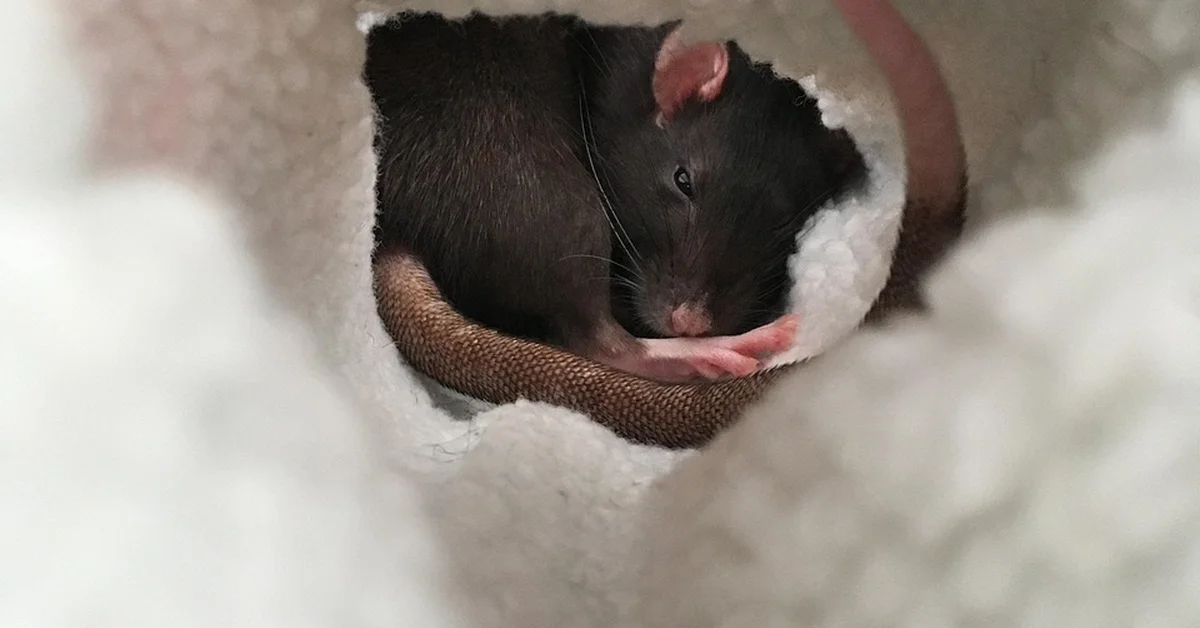
Essential Training Tools You Need
Before you begin this wonderful journey with your mouse, a small collection of simple items will set you up for success. Having the right gear transforms training from a chore into a smooth, enjoyable activity for both of you.
Choosing the Right Target Stick
A target stick is simply an object your mouse will learn to touch with its nose. You don’t need anything fancy from a pet store. I’ve found tremendous success with these simple, safe options:
- A clean, unused chopstick
- A plastic coffee stirrer
- The cap end of a pen
- A colorful pipe cleaner bent into a small loop
The ideal target stick is long enough to keep your fingers safe from accidental nips and has a distinct, consistent tip. My mouse Kenny responded best to a chopstick with a bright dot of non-toxic paint on the end, making it easy for him to spot.
Clicker vs. Marker Training: What Works Better?
This is a common question, and the answer truly depends on your mouse’s personality. A clicker is a small device that makes a consistent “click” sound, while a marker word is a short, specific sound you make with your voice, like a quick “Yes!” or a tongue click.
- Clickers offer perfect consistency, which is great for easily startled mice like my Jeffery. The sound is always the same, which can be very reassuring.
- Marker Words are more flexible because your hands remain free. My calm, older mouse Gregory seemed to prefer the gentle tone of my voice over the mechanical click.
Try both methods briefly to see which one makes your mouse’s ears perk up with curiosity instead of fear. The best tool is the one that builds your mouse’s confidence.
Best Training Treats That Actually Motivate Mice
Training treats are your most powerful tool for communication. You need something incredibly enticing that your mouse would do almost anything for. The key is size and value. Giving a treat is a clear signal that tells your mouse what you want and rewards the behavior, and mice communicate back through their responses, so treats help you read and shape their signals.
- Sunflower seed (shelled)
- Small piece of unsalted pumpkin seed
- Plain yogurt drop (broken into tiny pieces)
- Oat flake
- Minuscule bit of scrambled egg
These treats should be so small that your mouse can eat them in one quick bite and immediately look to you for more. I keep a small dish with a mix of these options handy during sessions to keep my mice guessing and engaged.
Supplies to Avoid for Mouse Safety
Your mouse’s safety is the number one priority. Some common household items can be dangerous and should never be used. When mouse-proofing your home, identify and remove or secure these hazards to prevent accidents. Simple steps like storing cleaners out of reach and covering electrical cords help keep curious mice safe.
- Avoid wooden skewers or popsicle sticks, as they can splinter.
- Never use treats with high sugar, salt, or artificial colors.
- Steer clear of any stick with a sharp or pointed end.
- Do not use loud noisemakers as a marker; the sound will frighten them.
If an item seems even slightly questionable for a tiny, delicate creature, trust your instinct and choose a safer alternative. A scared mouse cannot learn.
Step-by-Step: Training Your Mouse to Touch a Target
Step 1: Introducing the Target Stick
Start with your mouse in a familiar, quiet area. Simply place the target stick on the ground near them, but do not move it. Let your mouse approach the stick on their own terms to investigate this new object. The goal here is pure curiosity. If they sniff or look at it, that’s a win! Do this for just a minute or two.
Step 2: Creating the First Touch
Once your mouse is comfortable with the stick’s presence, hold it steady about an inch from their nose. The moment they lean forward and their whiskers touch the stick, immediately give them a treat. You are capturing the simple action of moving towards the target, not a forceful bump. Repeat this 5-10 times in a short session. Jeffery was a pro at this, his little twitchy nose making contact so gently.
Step 3: Adding Your Marker or Click
Now you’ll add the “bridge” that tells your mouse the exact moment they did the right thing. Hold the target stick out. The instant their nose makes contact, press your clicker or say your marker word (“Yes!”) and then give the treat. The sequence is critical: Touch → Click/Marker → Treat. This sound becomes a promise that a reward is coming, making the learning process much faster.
Step 4: Building Distance and Duration
After your mouse reliably touches the stick right in front of them, begin to make it slightly more challenging.
- Distance: Move the stick a few inches to the left or right. Your mouse must take a step or two to touch it. Reward every successful touch.
- Duration: Ask for a slightly longer touch. Wait for them to keep their nose on the stick for a full second before you mark and reward.
Keep training sessions to just 3-5 minutes to match your mouse’s short attention span and keep the experience positive. Always end on a successful note. When introducing clicker training, start by pairing the click with a small treat so your mouse learns the sound predicts a reward. Use these short sessions to build the click–treat association before teaching specific behaviors.
Teaching Your Mouse to Go to a Target Location
Moving the Target to Guide Your Mouse
This is where the real fun begins! You can now use the target stick to guide your mouse around. Ask them to touch the target, but slowly move it so they have to walk a short distance to reach it. Move the stick slowly and at their level, as if you are leading a tiny, curious dance partner. Reward them for following it across a small space. This is Kenny’s favorite game-he’ll eagerly follow the stick all around his playpen.
Transitioning to Stationary Target Points
The final skill is teaching your mouse to go to a specific spot without you leading them there. Place the target stick on a specific object, like a small tile or a designated platform in their cage. Use this method to train your mouse to enter the show box—place the box on the target tile so the mouse learns to go into it on cue. Then fade out the stick and replace it with a verbal cue or hand signal so the mouse will reliably enter the show box during demonstrations.
- Point to the distant target with your finger.
- When your mouse goes over and touches it, mark and reward enthusiastically!
- Gradually phase out the pointing gesture, so they learn to go to the spot on just a verbal cue or the sight of the target.
This creates a reliable “station” for your mouse, which is incredibly useful for everything from health checks to simply knowing where they should be during cage cleaning.
Structuring Effective Training Sessions
How Long Should Each Session Last?
Think of your mouse’s attention span like a tiny, glowing ember-it burns bright but fades fast. I keep every single training session to a crisp three to five minutes, never longer. You’ll notice the exact moment your mouse loses focus; my boy Kenny’s ears will twitch away from me, and he’ll start meticulously grooming a single paw. That’s your cue to end on a positive note immediately. Pushing past this point teaches your mouse that training is a boring chore, which is the opposite of our goal. These short, positive sessions are ideal for preparing a mouse for shows, grooming, and taming. Use them to reinforce calm handling and reward cooperative behavior so your mouse stays polished and confident when it’s time to perform.
Training Frequency and Consistency
Consistency builds the neural pathways that make behaviors automatic for your mouse. I aim for two or three short sessions spread throughout the day, ideally during their natural crepuscular activity periods at dawn and dusk. This routine fits their biological rhythms perfectly. Life gets busy, but even one super-sharp, focused session is infinitely better than skipping a day entirely. The name of the game is maintaining that connection and reinforcing the learning.
Keeping Training Records That Actually Help
A simple log transforms guesswork into a strategic plan. You don’t need anything fancy-a notes app on your phone works wonderfully. My own log tracks three simple things: the date, the behavior we worked on, and a single word describing my mouse’s energy level (like “focused,” “squirmy,” or “sleepy”). Over time, this reveals powerful patterns. I discovered that Jeffery, my more anxious mouse, learns best in the late afternoon after he’s had his initial burst of evening exploration. This small insight massively accelerated our progress.
Troubleshooting Common Target Training Challenges
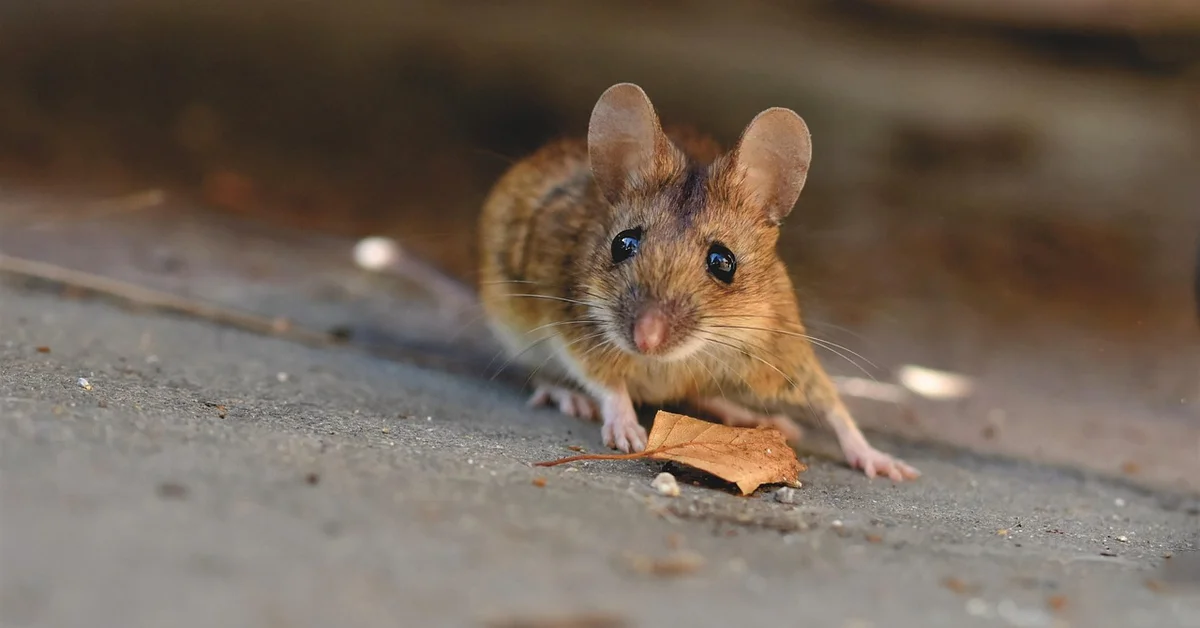
My Mouse Ignores the Target Completely
If your mouse acts like the target stick is invisible, the reward might not be motivating enough. The very first step is to find a treat so irresistible that your mouse simply cannot ignore it. Try a tiny smear of banana baby food on the tip of the target or a crumb of a stinky, freeze-dried shrimp. Sometimes, the environment is the issue. Train in a small, familiar play area with minimal distractions, not in the middle of a busy room.
My Mouse Won’t Stop Biting the Target Stick
This is a classic! Your mouse is just being a mouse—they explore the world with their teeth. Chewing helps wear down their ever-growing incisors and is also how they investigate and scent-mark their environment. That’s why they gnaw everything, and why providing safe chews matters. I solved this by switching to a target with a different texture, like a soft silicone tip, and always having an appropriate chew toy nearby. The moment my mouse Gregory turned to nibble the target, I’d redirect his attention to the approved chew item and reward him for biting that instead. They quickly learn what is and isn’t for chewing.
My Mouse Gets Too Excited and Grabs at Everything
An overeager mouse, like my Kenny, can turn a session into a frantic grab-fest. This is often a sign that your timing is a fraction of a second off. You must deliver the reward the *instant* their nose touches the target, not when they’re already lunging for your fingers. Use a quieter, calmer voice during sessions and ensure the treat is easy to consume quickly. If the excitement continues, end the session early and try again later when they are slightly more settled.
Training Progress Stalls or Regresses
Hitting a plateau is a normal part of the learning process for any animal. When progress halts, I always return to the last step where my mouse was 100% successful and rebuild from that solid foundation. Ask yourself if you’ve increased the difficulty too quickly. Maybe you need to practice in a slightly more distracting environment before adding a new cue. A temporary regression isn’t failure; it’s your mouse asking for a little more practice.
Advanced Target Training and Chaining Behaviors
Linking Multiple Behaviors into Sequences
Once your mouse reliably follows a target, you can build complex routines. Chaining is the process of linking simple, known behaviors into a fluid sequence, with the completion of one action cueing the start of the next. For example, I taught Jeffery to “target” a small hoop, which led him through it, and then immediately presented the target on a tiny platform, cueing him to “jump” onto it. You build these chains one link at a time, always working backwards from the final behavior you want.
Fun Tricks Your Target-Trained Mouse Can Learn
The possibilities are vast and delightful! With a solid target foundation, your mouse can learn to:
- Spin in a tight circle by leading their nose with the target.
- Weave through a line of miniature traffic cones.
- Push a tiny ball with their nose across a finish line.
- Stand up on their hind legs to “beg” by lifting the target upwards.
The key is to break each trick down into microscopic steps and let the target guide your mouse through each motion. The joy is in the process of discovery together.
Using Target Training for Practical Handling
This is where target training truly shines beyond simple tricks. You can use the target to calmly guide your mouse into a transport cup for cage cleanings, onto a scale for weekly weigh-ins, or even directly into your open hand. I use this daily. Instead of chasing a nervous Jeffrey around the cage, I present the target, and he confidently follows it right into my waiting hands. It transforms potentially stressful interactions into a cooperative game, building immense trust.
Frequently Asked Questions
Does Target sell mouse traps?
Yes, Target does sell mouse traps, which are typically available in the home improvement or pest control aisle. These products are designed for rodent management and are not related to the target training method used for pet mice discussed in this article. Always ensure any items purchased are used safely and appropriately for their intended purpose.
Does Target sell computer mouse?
Yes, Target sells computer mice in their electronics department as standard computer accessories. This is separate from the target training technique for pet mice, which involves using a small object like a chopstick or pen cap to guide and reward your mouse during sessions. Be mindful of the context to avoid confusion between the retail store and training terms.
Where are mouse traps in Target?
Mouse traps at Target are generally found in the home improvement section, often near other pest control supplies. Remember that these are for handling unwanted rodents and not for use in target training with pet mice, which relies on positive reinforcement and safe, small objects to build trust and skills.
Your Training Journey Begins
The true magic of target training unfolds not in a single perfect trick, but in the quiet, trusting relationship you build with your mouse. You are giving them a voice, a way to communicate and engage with their world on their own terms.
Cherish the small victories, whether it’s Kenny eagerly chasing the target stick or Jeffery tentatively touching it for the first time. Move at your mouse’s pace, keep sessions joyful, and you will be amazed at what your clever little friend can learn.
Further Reading & Sources
- Mouse Accuracy Training Game – Improve Your Aim & Precision | Free Online Tool
- Training Success. A trained mouse follows the target stick while being… | Download Scientific Diagram
- Introducing Clicker Training as a Cognitive Enrichment for Laboratory Mice – PMC
Isabella is a passionate small pet enthusiast with over 8 years of experience in caring for mice. She loves sharing practical tips and heartfelt stories to help fellow mouse owners provide the best care for their tiny companions.
Training Techniques