
Understanding Fancy Mouse Breeds and Types
Have you ever felt a bit lost when browsing fancy mouse options, unsure which breed might best suit your lifestyle and home? I’ve been there too, and over years of caring for mice like my curious Kenny and calm Gregory, I’ve learned that picking the right type can make all the difference in building a joyful bond.
This article will walk you through the common fancy mouse breeds, highlighting their distinct appearances, personalities, and care needs, so you can confidently choose a mouse that feels like a perfect match.
What Makes a Mouse “Fancy”?
The term “fancy” simply means a mouse that has been bred in captivity for companionship, rather than being a wild-caught animal. Fancy mice are the domesticated descendants of wild house mice, selectively bred over generations for specific traits that make them wonderful pets. They are not a separate species, but they are fundamentally different from their wild cousins in both temperament and appearance.
I’ve cared for wild mice that found their way indoors, and the contrast with my current boys—Kenny, Gregory, and Jeffery—is night and day. The most significant difference is temperament; a fancy mouse is typically curious, calm, and willing to interact with a trusted human. They are bred to be less fearful and more inclined to see your hand as a source of treats and head scratches, not a threat. The term “fancy” comes from the hobby of “mouse fancy”—enthusiasts who bred and showed mice for temperament and appearance. Over generations that selective breeding produced the friendly, trusting personalities I see in Kenny, Gregory, and Jeffery.
Beyond personality, their health profile is also distinct. Fancy mice are generally hardier against some ailments common in wild populations, having been raised in clean, controlled environments for generations. When you choose a fancy mouse, you are welcoming a creature specifically developed for life alongside people, which creates a much deeper and more rewarding bond. A visual guide can help you spot signs of a healthy, active mouse—bright eyes, clean fur, an alert posture and energetic movement. Use these visual cues when choosing your new pet to ensure you pick a lively, well-cared-for companion.
How Fancy Mouse Varieties Are Classified
Fancy mice are categorized by a beautiful and complex set of standards, primarily focusing on their physical appearance. This classification system helps breeders and enthusiasts identify and appreciate the vast diversity within the domestic mouse world. It’s a fascinating way to learn about the specific traits of your own pet. For newcomers, these standards are the basis for mouse fancy and for exhibiting at local and national shows. Learning them is the first step to entering the world of shows, judging, and presenting mice.
Coat Type Varieties
The texture and length of a mouse’s fur is one of the first things you’ll notice. Choosing a coat type is often about personal preference and the level of grooming you’re prepared to provide. Each type has its own unique charm and care considerations.
- Standard or Smooth Coat: This is the most common type, featuring short, sleek, and glossy fur that lies flat against the body. My mouse Gregory has this coat, and it’s wonderfully low-maintenance, requiring no special brushing.
- Longhair or Angora: These mice have long, silky fur that can grow several inches long. Their beautiful coats require regular, gentle brushing to prevent painful mats and tangles from forming. This is a commitment, but the result is a stunning, fluffy companion.
- Satin Coat: The satin gene affects the hair shaft, making it more translucent and reflective. This gives the fur an incredible, glossy sheen that seems to glow under the light, enhancing any base color. The coat itself is short and smooth to the touch.
- Rex Coat: Rex mice have a genetic mutation that causes all their hair-including their whiskers!-to be curly or kinky. This gives them a wonderfully plush, woolly appearance and irresistibly crinkled whiskers that bob as they sniff the air.
- Hairless: As the name implies, these mice have little to no fur. Because they lack the insulation of a coat, hairless mice need a consistently warm environment and often have higher metabolisms to maintain body heat. Their skin is soft and requires gentle care.
Physical Feature Varieties
Beyond fur, mice are also classified by other distinctive physical characteristics. These features add another layer of uniqueness to each little individual and are a key part of fancy mouse shows.
- Ear Type: The two main types are standard (upright) ears and dumbo ears. Dumbo ears are my personal favorite, characterized by their large, round shape that sit low and wide on the sides of the head, giving the mouse an permanently sweet and inquisitive expression.
- Eye Color and Type: Eye color can range from the common black to dark ruby, pink, and even odd-eyed (each eye a different color). Mice with pink or ruby eyes can be more sensitive to bright light, so providing plenty of shaded areas and hides in their enclosure is a thoughtful necessity.
- Markings and Colors: This is where the artistry truly shines. Mice come in a breathtaking array of patterns.
- Self: A single, solid color all over the body, like my white mouse, Jeffery.
- Marked: Patterns like “broken” (random patches of color on a white base) or “banded” (a solid colored band around the midsection).
- Tan Pattern: A specific pattern where the mouse has a colored back and a creamy, tan-colored belly.
- Tail Type: While most mice have a standard long, thin tail, some varieties can have shorter tails. A long, healthy tail is a fantastic tool for balance and communication, and watching a mouse use it is a joy.
Understanding Fancy Mouse Colors and Markings
Self Colors
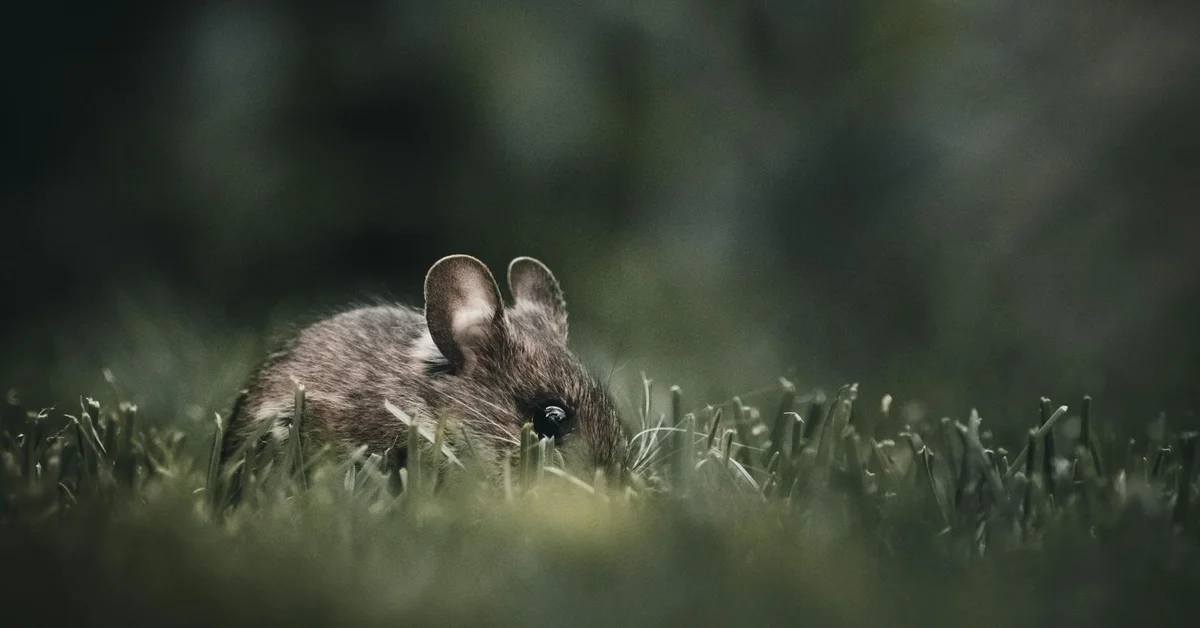
A self mouse boasts a single, uniform color from nose to tail, creating a sleek and elegant appearance. These are some of the most classic and recognizable fancy mice you’ll encounter. Common self colors include rich black, pure white (both with dark or pink eyes), chocolate, lilac, and a stunning dove gray. The simplicity of a self-colored coat makes it easy to appreciate the mouse’s graceful form and lively movements. I’ve always found my white mouse, Jeffery, looks like a little puff of snow zipping around his enclosure, his coat providing a beautiful contrast against the colorful enrichment items.
Agouti and Ticked Patterns
Agouti is one of the most ancient and natural color patterns in mice, reminiscent of their wild ancestors. Each hair on an agouti mouse is banded with multiple colors, typically a dark base with a lighter middle and a dark tip. This creates a beautiful, speckled “salt and pepper” effect that shimmers in the light. This banded fur provides excellent camouflage in the wild, but in your home, it simply gives your pet a wonderfully textured and dynamic look. Ticked patterns are similar, often featuring a solid-colored base with just the tips of the hairs being a different color, adding depth and complexity to their coat.
Marked and Patterned Varieties
This category is where fancy mice truly earn their name, showcasing a spectacular array of splashes, spots, and stripes. These are marked mice with distinct areas of white fur combined with another color.
Pointed and Shaded Varieties
Pointed and shaded mice exhibit a beautiful gradient of color that is temperature-sensitive, meaning it’s darker on the cooler parts of their body. A pointed mouse, like a Siamese cat, will have a light body with distinctly darker “points” on its nose, ears, and feet. This creates a truly elegant and refined look, as if they’ve been delicately painted. Shaded varieties, such as the Himalayan, take this a step further with a more subtle and seamless blending from a white or cream body into their darker points. The intensity of these points can even change slightly with the ambient temperature of your room.
Popular Fancy Mouse Varieties for Pet Owners
Standard Coat Varieties
The standard coat is what most people picture when they think of a mouse: short, sleek, and lying flat against the body. This coat is low-maintenance and highlights the mouse’s natural shape and color beautifully. For a first-time mouse owner, a standard coat is often the most practical and worry-free choice, allowing you to focus entirely on bonding and care. My mouse Gregory has a standard dark brown coat that always looks neat and feels wonderfully soft to the touch.
Rex Mice
Rex mice are instantly recognizable by their plush, curly fur that has a wonderful, velvety texture. Their whiskers are also curled, often giving them a delightfully comical and inquisitive expression. The rex coat requires no extra grooming from you, but it does provide a uniquely tactile experience that many owners adore. Be mindful that in very humid conditions, their coat can sometimes appear a bit more unkempt, but this is perfectly normal for the variety. If you’re comparing coat types, satin mice are prized for a glossy sheen while texels boast longer, curly locks. Each—satin, rex, or texel—offers a distinct look and feel to consider when choosing a pet.
Satin Mice
If you want a mouse that looks like it’s been dipped in liquid silk, the satin variety is for you. The satin gene affects the hair shaft, making it more translucent and reflective. This results in a spectacular, high-gloss sheen that catches the light with every movement, making even common colors look extraordinary. Their coat isn’t just beautiful; it’s also exceptionally soft and fine to the touch. Satin mice are a true testament to the fancy in “fancy mouse.”
Dumbo Mice
Dumbo mice are defined not by their fur, but by their adorable ears! Instead of being perched high on the head, a Dumbo’s ears are large, round, and set low on the sides, giving them an irresistibly sweet, infant-like face. This ear placement doesn’t affect their hearing, but it certainly wins over hearts with its perpetual baby-faced charm. They come in every possible coat type and color, so you can have a satin dumbo or a rex dumbo, making the combinations endless.
Longhair Mice
Also known as “angora” mice, longhairs are the floofiest members of the fancy mouse world. They possess a long, flowing coat that can develop a slight wave. While stunning, a longhair coat requires a bit more attention from an owner to prevent tangles and keep it clean, especially around the rear end. Regular gentle brushing and occasional careful trimming around the rump help prevent painful mats from forming. Spot-check their coat daily and detangle small knots promptly with a soft brush. Providing a dust-free environment and monitoring their grooming habits is key to keeping a longhair mouse healthy and comfortable. They are a commitment, but their majestic appearance is a true reward.
Hairless Mice
Hairless mice, as the name implies, lack fur entirely, revealing their soft, pink skin. Some may have a very fine peach-fuzz coating. Caring for a hairless mouse is a specialized task, as they are more susceptible to temperature changes, minor skin scratches, and need a slightly higher-fat diet to help them stay warm. Their enclosures must be kept draft-free and include plenty of soft, warm bedding. While they require more diligent care, many owners find their affectionate and warm-to-the-hold nature deeply rewarding.
Fancy Mouse Temperament Across Varieties
While a mouse’s individual personality is shaped by its genetics, handling, and environment, certain general traits can be observed across different types. Coat type and color have no proven direct link to personality, but the genes responsible for some physical traits can sometimes loosely correlate with temperament. The most significant factor in your mouse’s personality will always be the trust you build through gentle, consistent interaction. My adventurous standard-coated mouse, Kenny, is a whirlwind of energy, while my rex mouse was always more of a calm, cuddly observer. Dumbo mice are often perceived as docile, likely because their baby-like features evoke a sense of calm, but I’ve known feisty dumbos too! Approach each mouse as a unique individual, and you’ll be delighted by the distinct character you find hiding within every tiny body. If you’re curious about mouse personalities, you can learn more here.
Choosing the Right Variety for Your Home
When you’re picking a fancy mouse, think about how their unique traits fit into your daily life and space. Your home environment and lifestyle play a huge role in which mouse variety will thrive with you. I’ve noticed that some mice, like my curious Kenny, need plenty of enrichment to stay happy, while others are content with a calm routine. A simple mouse quality-of-life framework can help you weigh factors like activity level, social needs, and health to make that match. Use it to assess a mouse’s needs and adapt care as circumstances change.
Factors to Consider
Look at these key aspects to match a mouse to your household:
- Temperament: Active, bold mice suit lively homes; calm, patient ones like my Gregory are ideal for quieter settings.
- Size and Coat Type: Smaller or long-haired varieties might need extra attention to grooming and space.
- Activity Level: High-energy mice require more toys and interaction to prevent boredom.
Common Varieties and Their Traits
Here’s a quick guide to help you decide:
- Standard Coat Mice: Easy to care for, with short fur that doesn’t mat-perfect for beginners.
- Satin Coat Mice: Have a glossy sheen but can be more prone to skin sensitivities; they enjoy gentle handling.
- Long-Haired or “Angora” Mice: Require regular brushing to avoid tangles, making them better for owners who enjoy grooming sessions.
In my experience, observing a mouse’s behavior before bringing them home can prevent mismatches. Spending time with different varieties helps you feel which one clicks with your energy and schedule.
Show Standards and Pedigree Mice
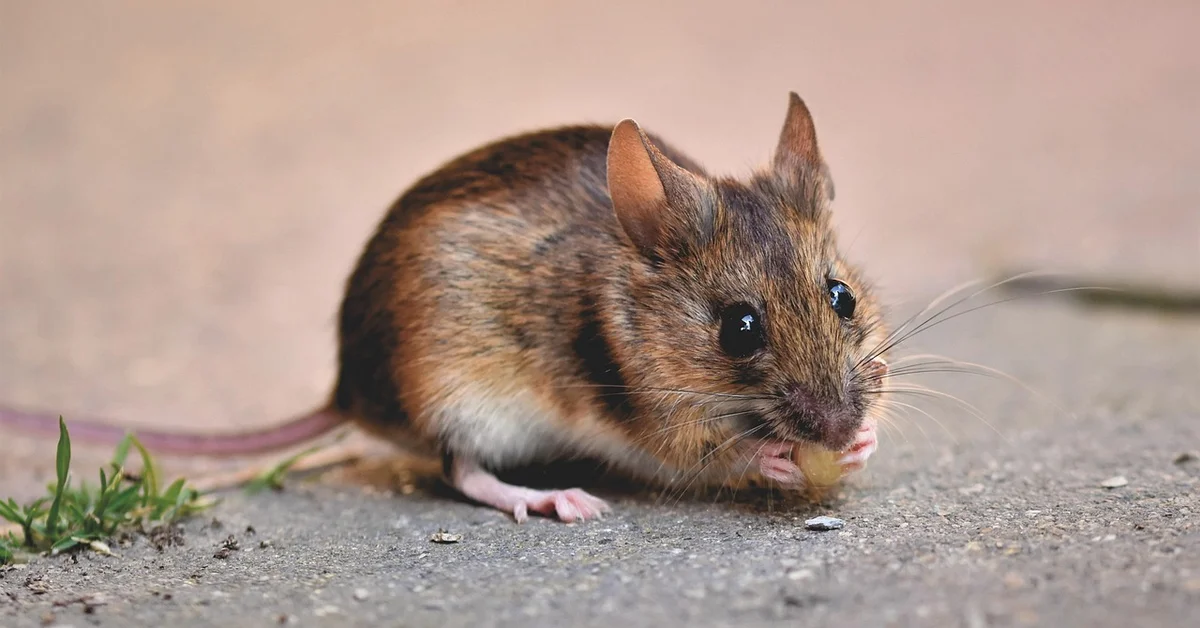
If you’re interested in the aesthetic side of mouse care, show standards outline the ideal characteristics for various breeds. These standards focus on physical attributes like coat color, pattern, and body shape, not breeding ethics. I’ve learned that pedigree mice often come from lines bred for specific looks, but remember, every mouse deserves a loving home regardless of show potential.
Key Elements in Show Standards
Judges typically evaluate based on these criteria:
- Coat Color and Pattern: Solid colors, marked patterns, or unique shades like agouti or champagne.
- Eye Color: Should complement the coat; for example, black eyes with dark fur are preferred in some standards.
- Body Conformation: A balanced, sleek body without deformities is often prized.
Understanding these standards can deepen your appreciation for the diversity in fancy mice. It’s fascinating to see how traits are passed down, but I always prioritize health and happiness over appearance in my own pets.
Popular Show Varieties
Some commonly recognized types include:
- Self Mice: Uniform color throughout, such as black or white-Jeffery’s cheerful white coat fits this category.
- Marked Mice: Have distinct patterns like broken marks or hooded designs, adding visual interest.
- Rex Coat Mice: Feature wavy or curly fur, which requires minimal grooming but has a unique texture.
Care Considerations for Different Varieties
Each mouse variety may have slight differences in care needs, so tailoring your approach ensures they stay healthy and content. Adjusting care based on their traits prevents common issues and strengthens your bond. From my years of keeping mice, I’ve seen how small changes can make a big difference for their well-being.
Grooming and Hygiene
Depending on the coat type, grooming routines vary:
- Short-Coated Mice: A weekly gentle brush with a soft toothbrush helps reduce shedding and keeps their coat shiny.
- Long-Haired Varieties: Need daily brushing to prevent mats; I use a fine-toothed comb and make it a calming ritual.
- Satin Coats: Their fur can be delicate, so avoid rough handling and check for skin irritations during grooming.
Regular grooming sessions also let you spot health problems early, like mites or wounds. For anxious mice like Jeffery, I keep sessions short and reward with a treat to build trust. Anxious mice may over-groom and develop bald patches, or under-groom and look scruffy. Both changes can signal stress or illness and deserve attention.
Diet and Nutrition
While most fancy mice thrive on a balanced diet, some varieties might need adjustments:
- High-Energy Mice: Offer protein-rich foods like mealworms or seeds to fuel their activity-Kenny loves sunflower seeds for quick energy.
- Older or Calmer Mice: Prefer softer foods; Gregory enjoys aged cheese in small amounts for easy chewing.
- Small or Anxious Types: Benefit from frequent, small meals to reduce stress; Jeffery does well with crumbs and berries scattered for foraging.
Always provide fresh water and monitor their weight to avoid obesity or malnutrition. I’ve found that variety in diet keeps them interested and supports overall health.
Habitat and Enrichment
Set up their living space to match their natural behaviors:
- For Active Mice: Include climbing structures, wheels, and tunnels to burn off energy-this keeps impulsive mice like Kenny out of trouble.
- For Calm Mice: Focus on cozy hideouts and stable platforms; Gregory prefers a quiet corner with soft bedding.
- General Tips: Use safe, non-toxic materials and clean the habitat weekly to prevent respiratory issues.
Enrichment isn’t just about toys; it’s about creating an environment where your mouse feels secure and stimulated. Rotate toys regularly to keep their minds sharp and prevent boredom. Think beyond the wheel: offer foraging toys, tunnels, chewable hides, and climbing opportunities to encourage natural behaviors. Small additions like scent trails and puzzle feeders can make their day more interesting.
Frequently Asked Questions
What is the species name of fancy mice?
Fancy mice belong to the species *Mus musculus domesticus*, which is a domesticated subspecies of the wild house mouse. They have been selectively bred over generations for traits like temperament, coat type, and color, making them distinct from their wild relatives in both behavior and appearance.
Is there a fancy mouse colors chart?
Yes, many breeders and pet care resources provide fancy mouse color charts that visually display the wide array of colors and patterns, such as self, agouti, and marked varieties. These charts can help owners identify and appreciate the diversity, but for precise standards, it’s best to refer to official breed guidelines from mouse fancier organizations.
What is the difference between fancy mice and fancy rats?
Fancy mice and fancy rats are both domesticated rodents kept as pets, but they differ significantly in size, social structure, and care needs. Rats are larger, typically more social and trainable, often thriving in pairs or groups, while mice are smaller, may be kept in same-sex groups, and have different housing and enrichment requirements due to their size and behavior.
Your Journey with Fancy Mice
Learning about the different types of fancy mice is the first step toward a wonderfully rewarding relationship. Your new knowledge helps you see your pet not just as a mouse, but as a unique individual with specific needs and potential.
Remember, the most beautiful part of mouse ownership is the bond you build. Your attentive care and daily observations will always be the most valuable tool for understanding your particular companion. Enjoy every moment of getting to know your new small friend.
Further Reading & Sources
Isabella is a passionate small pet enthusiast with over 8 years of experience in caring for mice. She loves sharing practical tips and heartfelt stories to help fellow mouse owners provide the best care for their tiny companions.
Mice Breeds & Varieties