
Understanding Show Standards: What Makes a “Winning” Mouse?
Have you ever gazed at a lineup of mice in a show and felt a twinge of curiosity about why one particular rodent earns the top honors while others don’t?
Based on my years of nurturing mice with distinct personalities like Kenny’s bold curiosity and Gregory’s steady patience, this guide will clarify the judging benchmarks so you can easily grasp the elements of a standout mouse. We will examine the critical physical features, ideal temperament qualities, and proper presentation methods that define excellence in the show ring.
What Mouse Show Standards Actually Measure
Many people think mouse shows are purely about beauty, but that’s a common misconception. Show standards are a detailed checklist designed to evaluate the overall health, structural soundness, and adherence to a specific breed’s ideal blueprint. They are less about subjective “prettiness” and more about objective qualities that indicate a robust and well-bred animal. Judges are trained to spot the subtle details that separate a good mouse from a great one.
Think of it like judging an athlete. You wouldn’t just look at their uniform; you’d assess their posture, muscle tone, and coordination. These standards ensure that the mice being celebrated and bred from are the pinnacle of physical fitness and type for their variety. It’s a system that rewards responsible ownership and breeding practices that prioritize the animal’s lifelong well-being. Understanding fancy mouse breeds is the first step to understanding these standards. They spell out the ideal traits—like size, coat, head shape, and temperament—that distinguish each variety.
Body Conformation: The Foundation of a Show Mouse
Before color or coat texture even enters the conversation, a judge assesses conformation—the fundamental architecture of the mouse. A mouse with poor conformation, no matter how striking its color, will struggle to compete against a mouse with a perfect, balanced structure. This foundation impacts everything from how the mouse moves to its long-term health. I’ve seen mice with lovely markings lose points because their underlying structure was weak or imbalanced. Only after conformation is satisfied do judges turn to color and markings, so it helps to understand how patterns are defined and judged. This pet mouse colors and markings guide will explain common colors and patterns and how they influence both show scoring and choosing a healthy pet.
Head and Facial Features
The head is the focal point, and its shape tells a story about the mouse’s breeding and type. Judges look for a specific profile depending on the variety. A clear mouse anatomy diagram guide highlights these head features and landmarks, making it easier to compare profiles. Use labeled diagrams to learn what judges look for.
- Eyes: They should be large, bright, bold, and prominent, giving the mouse an alert and intelligent expression. Any sign of cloudiness, bulging, or being deep-set is a fault.
- Ears: The ideal ear is large, thin, and translucent, set neatly on the head without drooping. They should be free of any nicks or scars. My mouse Jeffery, for instance, has perfectly shaped ears that are a joy to behold.
- Muzzle: It should be nicely tapered, neither too pointed nor too blunt. The whiskers should be long and intact, as they are a vital sensory tool for the mouse.
Body Structure and Proportions
This is where the true athletic form of the mouse is evaluated. A winning mouse has a body that is harmonious from nose to tail.
- The Topline: This is the line from the back of the neck to the base of the tail. The most sought-after topline is a smooth, continuous arch, often described as a “rainbow” curve. A flat or roached (humped) back is considered a serious fault.
- Body Length and Depth: The body should be medium in length, with good depth through the heart and a well-rounded rump. It should feel firm and muscular when handled, not bony or flabby.
- Proportion: The head, body, and tail should all be in balance. The tail itself must be long, slender, and carried gracefully, acting as a perfect counterbalance to the body. A tail that is too short, kinked, or held awkwardly will lose points.
Coat Quality and Color Genetics

Understanding Color Varieties and Markings
Mouse coat colors are a beautiful display of genetics, ranging from solid self-colors like black or white to intricate patterns like brindle or broken marked. Judges look for clarity and definition in these patterns, where the edges between colors are sharp and the distribution follows the breed standard perfectly. A mouse like my Jeffery, who is a pure white, is judged on the evenness and brilliance of his color without any yellowing or off-tones. The genetics behind these coats are fascinating; a seemingly simple tan mouse can carry hidden genes that, when paired correctly, produce stunning silver or dove-colored offspring. Understanding dominant and recessive genes explains why some colors show up every generation while others can skip one—dominant alleles mask recessive ones, which only appear when an individual inherits two copies. Breeders use this knowledge to predict and select for desired coat colors.
- Self: A single, uniform color covering the entire body, such as black, chocolate, or lilac.
- Ticked: Each hair is banded with multiple colors, creating a peppered or agouti appearance.
- Broken: A combination of a colored pattern and white, with specific point placements being critical.
- Marked: Includes varieties like Dutch (with a white blaze and saddle) or Evenly Marked (with symmetrical white patches).
Coat Condition and Texture
The feel of a mouse’s coat is just as important as its color. A winning coat lies flat and smooth against the body, feeling dense and plush to the touch. I always check my mice for a coat that feels resilient and springs back when gently pressed, a sure sign of excellent health and nutrition. Regular handling also helps distribute natural oils for a healthy sheen, which is one of the grooming signs I look for. Coats that are thin, greasy, or have a rough texture often indicate underlying health issues or poor diet. My older mouse, Gregory, has maintained a wonderfully sleek, dark brown coat his entire life thanks to a consistent, high-quality diet and a stress-free environment.
- Ideal Texture: Dense, soft, and lying perfectly flat without any ruffling or cowlicks.
- Common Flaws: Bald patches, excessive molting, greasiness, or a generally unkempt appearance.
- Maintenance Tip: Provide a balanced diet rich in protein and omega fatty acids to support coat health from the inside out.
Health, Condition, and Temperament Requirements
A truly winning mouse is a picture of vibrant health from the tip of its nose to the end of its tail. Judges assess overall condition by looking for bright, clear eyes, clean ears, and a well-rounded body that is neither too thin nor overweight. Your mouse should move with an energetic, fluid grace, showing no signs of labored breathing or hesitation. A healthy weight is crucial; you should be able to feel the ribs with a gentle press but not see them protruding. Beyond physical health, temperament is paramount. A show mouse must be calm, confident, and tolerant of handling. Most of these signs can be checked at home through regular observation and a gentle hands-on exam. Simple at-home checks make it easier to spot problems early and keep your mouse healthy and show-ready.
- Eyes: Should be bright, fully open, and free of any discharge or cloudiness.
- Body Condition: Muscular and firm, with a smooth profile and no visible spine or hip bones.
- Temperament: A calm demeanor is prized. Nervous or aggressive mice are difficult to judge fairly.
- General Vitality: The mouse should appear alert, curious, and responsive to its surroundings.
Grooming and Presentation Techniques
Pre-Show Grooming Steps
Presentation begins long before you step into the show hall. A meticulous grooming routine in the days leading up to the event ensures your mouse looks its absolute best. I start by using a soft, clean makeup brush to gently remove any loose fur or substrate from their coat, which polishes the fur and brings out its natural luster. Pay close attention to their paws, ensuring they are clean, and their face, using a damp cotton swab to gently wipe around the eyes if needed. A final, gentle wipe with a slightly damp cloth can remove any last-minute dust and make the coat lie perfectly. The best choice is a meticulous grooming routine, while regular, gentle handling during these grooming sessions also helps tame your mouse and makes them more comfortable being handled in the show ring. Short, calm practice sessions will reduce stress and improve their overall presentation.
- One Week Before: Ensure their habitat is extra clean to prevent soiling their coat.
- The Night Before: Perform a full, gentle grooming session with a soft brush.
- Show Morning: Do a final spot-check for cleanliness and overall presentation.
Handling and Presentation During Judging
How you present your mouse to the judge can significantly influence their assessment. The goal is to showcase the mouse’s conformation calmly and confidently. Always support the mouse’s entire body in your cupped hands, allowing the judge to see its structure without the mouse feeling insecure or scrambling. When the judge is ready to handle your mouse, transfer it gently and step back. Practice at home so your mouse is accustomed to being examined from all angles. My bold mouse, Kenny, used to be a bit wiggly, but with patient, positive handling sessions, he learned to sit still for those crucial moments of inspection.
- The Cup Hold: Gently cup the mouse in both hands, allowing its head to peek out between your fingers for the judge to see.
- The Table Presentation: When placed on the judging table, your mouse should stand calmly on all fours, displaying its profile.
- Stay Calm: Your mouse will pick up on your nerves, so take a deep breath and project quiet confidence.
Common Faults and Disqualifications
Stepping into the show ring means your mouse is under a microscope. Judges are looking for the pinnacle of the standard, and even small deviations can affect placement. A single fault is rarely a deal-breaker, but a combination can quickly move a mouse down the rankings. Knowing what to look for helps you assess your own pets with a more discerning eye.
Major Faults That Lead to Disqualification
These are the non-negotiable issues. A mouse with any of these faults will typically be excused from competition entirely to maintain the health and integrity of the show.
- Visible Health Problems: This includes respiratory issues (wheezing, clicking), skin conditions like mites, or any signs of injury. A judge will not risk the health of other animals.
- Malocclusion: This is when the teeth are misaligned and do not wear down properly. It’s a genetic fault and requires lifelong dental care, making the mouse unfit for the standard.
- Kinked or Broken Tail: The tail should be a straight, graceful extension of the spine. Any permanent bends or old breaks are considered a serious structural fault.
- Incorrect Toe Count: The standard is five toes on the front feet and four on the back. A missing or extra toe is a clear genetic disqualifier.
Common Minor Faults
These are the nuances that separate a good mouse from a great one. I’ve seen many promising entries marked down for these subtle points.
- Poor Coat Condition: A coat should be sleek, clean, and lie flat. Barring, which is a faint pattern in a self-colored mouse, or a coat that is too thin or rough, will lose points.
- Incorrect Body Type: The ideal is a balanced “cobby” body-neither too long and weasel-like, nor too short and stubby. An overly rotund or skinny mouse doesn’t meet the standard.
- Eye and Ear Issues: Eyes must be bright, bold, and the correct color for the variety. Small, sunken, or mismatched eyes are a fault. Ears should be well-placed, not low-set or overly large.
- Timid Temperament: While not always a formal fault, a mouse that is overly nervous, flinches, or refuses to be handled confidently can give a poor impression to the judge.
Selecting and Breeding for Show Quality
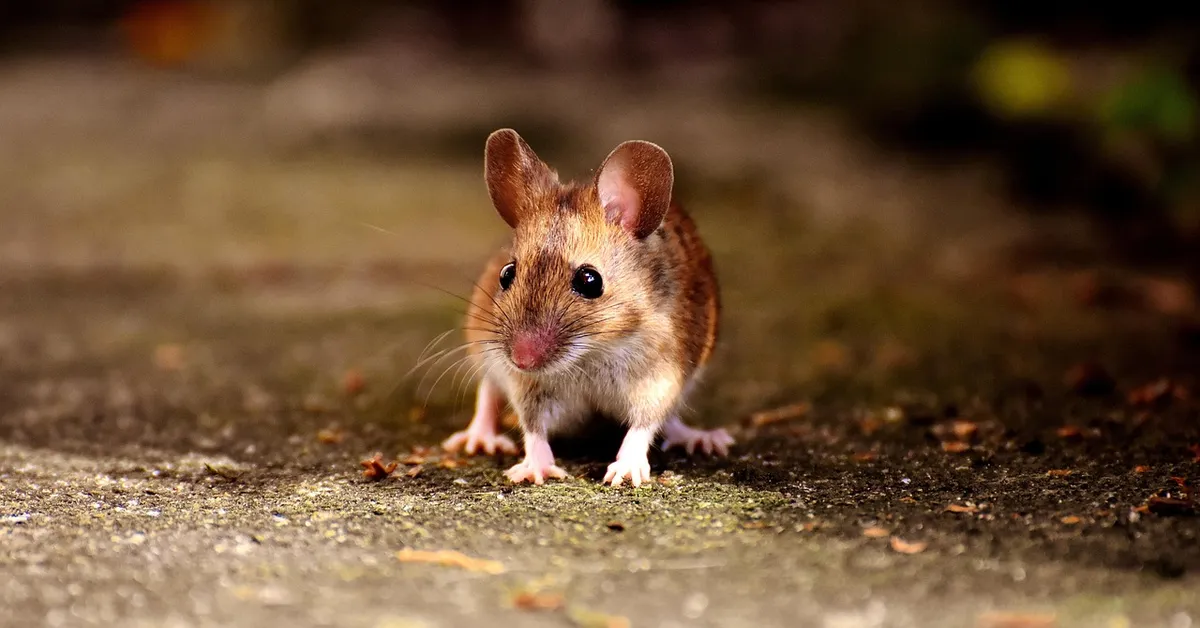
This is where art meets science. Selecting mice with an eye for the show standard is a skill built on observation and a deep knowledge of genetics. You learn to look past the adorable face and evaluate the animal as a whole against a mental checklist. Understanding mice rodent classification — species, strains and standard varieties — helps you place those traits in context. That taxonomic awareness sharpens your judgments about conformation, color and type.
What to Look For in a Potential Show Mouse
When I evaluate a new mouse, I follow a specific order of observation. Start from the front and work your way back.
- The Head: Look for a broad head with a good width between large, prominent eyes. The muzzle should be blunt, not pointed.
- Ears and Eyes: Ears should be large, rounded, thin, and set neatly on the head. The eyes must be clear, bright, and protrude nicely.
- The Body: Assess the body for a short, broad, and well-rounded shape-the “cobby” appearance. The back should have a gentle arch from neck to tail base.
- Coat and Color: The fur must be very short, sleek, and have a high-gloss sheen. The color must be even and match the variety description without fading or smudging.
- Tail and Condition: Finally, the tail must be long, thick at the base, and taper evenly to a fine point. The overall mouse should radiate vibrant health.
A Note on Responsible Selection
My personal approach has always been to prioritize health and temperament above all else. A perfect coat means nothing if the mouse is not a sound, happy animal. I’ve chosen wonderful pet mice, like my cheerful Jeffery, who would never win a ribbon but who have the most wonderful personalities. The goal is to appreciate the standard while loving each mouse for its individual charm.
Understanding Show Mouse Standards of Practice and Care
Caring for a show mouse is a dedicated practice that extends far beyond the cage. This is a holistic approach focused on presenting a healthy, confident, and well-conditioned animal. It’s about daily rituals that build trust and physical perfection. For newcomers to the mouse fancy world, these routines are the foundation of exhibiting and competing. Successful showing depends on consistent care, grooming, and handling that let an animal’s best qualities shine.
Pre-Show Conditioning and Grooming
The work for a show begins weeks, even months, in advance. A winning appearance is crafted through consistent care.
- Diet for Optimal Condition: A high-quality lab block is the foundation, supplemented with small amounts of protein (like dried mealworms) and fresh veggies to promote a glossy coat. I avoid sugary treats that can lead to weight gain.
- Coat Maintenance: A show mouse should never need a bath. Their coat is maintained through a clean habitat and, occasionally, a gentle rub with a soft, slightly damp cloth to remove any dust and enhance shine.
- Habitat and Exercise: Provide a large, clean enclosure with a solid-surface wheel to prevent tail damage. Plenty of space to run and climb ensures they develop strong, firm muscles.
Handling and Presentation Training
A judge will handle your mouse. Your pet must be prepared for this experience to show itself off to its best advantage. Make sure your mouse is comfortable with being gently picked up and held. Practice safe handling so the judge can examine it without causing stress or injury.
- Daily Handling: Get your mouse accustomed to being picked up and held in a cupped hand. This builds the confidence needed to stay calm on the judge’s table.
- Table Training: Practice having your mouse sit calmly on a smooth, non-slip surface. A nervous mouse that constantly tries to flee cannot be properly evaluated.
- The Journey to the Show: Acclimate your mouse to its travel carrier beforehand. A stressful journey can leave them looking tired and ruffled, undoing all your careful preparation.
The ultimate goal of show standards is not just to crown a winner, but to promote the continuous improvement and well-being of these fascinating little creatures we choose to share our lives with. Every mouse, from a champion to a beloved pet like my curious Kenny, benefits from the knowledge and care these standards inspire.
Frequently Asked Questions
What are the standard practices in mouse showing?
Mouse showing involves adhering to established guidelines set by organizations like the American Fancy Rat and Mouse Association (AFRMA), which outline judging criteria, entry procedures, and ring etiquette. These practices ensure fair competition by having judges evaluate mice against breed-specific standards for conformation, coat, and temperament in a structured environment.
Are there specific show mouse standards in Connecticut?
Show mouse standards are generally universal across the United States, governed by national clubs such as AFRMA, which provide consistent guidelines for judging and care. While Connecticut does not have unique state-specific standards, local mouse clubs or shows in the area may adopt additional rules, so it’s best to check with event organizers for any regional variations.
What are the care standards for show mice?
Care standards for show mice emphasize optimal health through a balanced diet, clean housing, and regular grooming to maintain coat condition and overall vitality. This includes providing a stress-free environment, proper handling to build confidence, and preventive health measures to ensure the mouse is in peak condition for competition.
Your Journey with Mouse Excellence
Ultimately, appreciating show standards is less about chasing ribbons and more about learning to see the intricate beauty and ideal form of your own companions. This knowledge gives you a deeper, more educated eye for the health, symmetry, and unique qualities that make every mouse special.
Whether your mouse is a potential champion like my bold Kenny or a wonderfully unique character like little Jeffery, the true win is the bond you share and the excellent care you provide. Use these standards as a fascinating guide to celebrate your pet’s individuality and ensure they live a happy, healthy, and vibrant life by your side.
Further Reading & Sources
Isabella is a passionate small pet enthusiast with over 8 years of experience in caring for mice. She loves sharing practical tips and heartfelt stories to help fellow mouse owners provide the best care for their tiny companions.
Mice Breeds & Varieties