
What Is Enrichment and Why It’s Crucial for Your Mouse’s Brain
Have you ever watched your mouse repeat the same behaviors in its cage, and felt a pang of concern that it might be bored or understimulated? Observing my own mice, from bold Kenny to thoughtful Jeffery, has shown me how a routine environment can dull their spark. Enrichment actively combats this by transforming their space into a dynamic world that challenges their intellect and nurtures their natural instincts.
This guide will provide a clear path to understanding and applying enrichment for your mouse’s benefit. You’ll learn the full scope of what enrichment entails, the direct link to brain health and behavior, and practical steps to create a stimulating habitat. My aim is to equip you with trustworthy methods that foster a happier, more engaged companion.
Understanding Enrichment for Pet Mice
Enrichment means providing activities and objects that spark your mouse’s natural curiosity and keep their mind engaged. Think of it as turning their habitat into a dynamic playground that challenges their instincts daily. Without enrichment, mice can become bored, leading to behaviors like over-grooming or lethargy that signal distress.
- Physical enrichment: Includes wheels, tunnels, and climbing structures that encourage movement.
- Social enrichment: Involves safe interactions with other mice, like the gentle mentoring I see between Gregory and Jeffery.
- Cognitive enrichment: Features puzzles, hidden treats, or mazes that require problem-solving.
- Sensory enrichment: Engages senses with varied textures, sounds, or safe scents to explore.
Mice thrive when their environment mimics the complexity of the wild, where every day brings new discoveries. I’ve noticed that even small changes, like rotating toys weekly, can prevent habits like cage-bar chewing in curious mice like Kenny. This approach supports their overall happiness and reduces stress-related issues. Understanding why mice chew everything is essential in providing appropriate outlets for this behavior.
Why Your Mouse’s Brain Depends on Enrichment
A stimulated brain is a healthy brain for your mouse, directly influencing their mood and longevity. Enrichment acts like mental exercise, keeping their cognitive functions sharp and resilient against age-related decline. When mice lack mental challenges, their brain activity slows, much like a muscle weakening without use.
Regular enrichment helps prevent anxiety and depression-like states, which I’ve observed in my own mice when their routines become too predictable. By offering novel experiences, you’re essentially feeding their brain the variety it craves to stay alert and content. This isn’t just about fun-it’s a core part of their well-being that supports everything from memory to emotional balance.
How Mouse Brains Work: The Basics
Mouse brains are remarkably complex for their size, with regions dedicated to memory, learning, and emotional processing. Their brains are wired for constant exploration, processing sensory inputs to navigate and survive in their environment. At the core of these abilities is the mouse nervous system. Networks of neurons in specific brain regions process sensory information and coordinate the rapid decisions that guide behavior. In the wild, this means assessing risks and rewards, like finding food or avoiding predators.
At home, this translates to a need for environments that offer choices and surprises. I often compare it to a tiny, high-speed computer that needs regular software updates to avoid glitches or slowdowns. For instance, Jeffrey’s quick, hesitant movements show how his brain is always scanning for new information, helping him learn from others in the group.
- Memory centers: Help mice remember safe paths and familiar scents.
- Learning areas: Allow them to adapt to changes, like new cage layouts.
- Emotional regions: Influence behaviors such as playfulness or caution.
Understanding this basic wiring helps you see why a stagnant cage can lead to mental fog or frustration. Providing enrichment ensures those brain pathways stay active and efficient, much like keeping a well-oiled machine running smoothly.
Neural Plasticity and Learning in Mice
Neural plasticity refers to the brain’s ability to reorganize itself by forming new connections throughout life. In mice, this means their brains can adapt and learn from experiences, especially when faced with novel challenges. Every time your mouse solves a puzzle or explores a new toy, they’re strengthening neural pathways that enhance cognitive flexibility.
Enrichment directly boosts this plasticity by encouraging problem-solving and memory recall. I’ve seen Gregory, my older mouse, show remarkable adaptability when introduced to a new foraging toy, proving that age doesn’t limit learning potential. This process helps mice recover from stress and build resilience against cognitive decline. Target training is a practical way to deliver this enrichment — a simple step-by-step guide can show you how to teach a mouse to touch a target and reinforce those same skills. Following a clear, gradual training plan makes it easy to replicate the benefits I’ve seen in Gregory.
- Introduce varied puzzles: Rotate mazes or treat-dispensing toys to keep learning fresh.
- Use positive reinforcement: Reward attempts with favorite foods, like Kenny’s sunflower seeds.
- Encourage social learning: Mice often learn by watching others, as Jeffery does with his cage mates.
Without consistent mental stimulation, neural plasticity can diminish, leading to slower learning and reduced curiosity. By prioritizing enrichment, you’re essentially giving your mouse’s brain the tools to grow and thrive in captivity. This isn’t just about intelligence—it’s about fostering a lively, engaged companion who enjoys each day to the fullest. Simple, psychology-based toys and interactive play tap into a mouse’s natural curiosity and social instincts. Puzzle feeders, tunnels, and chew toys keep their minds sharp and encourage positive interactions.
The Real Benefits of Enrichment for Your Mouse
Mental Health and Stress Reduction
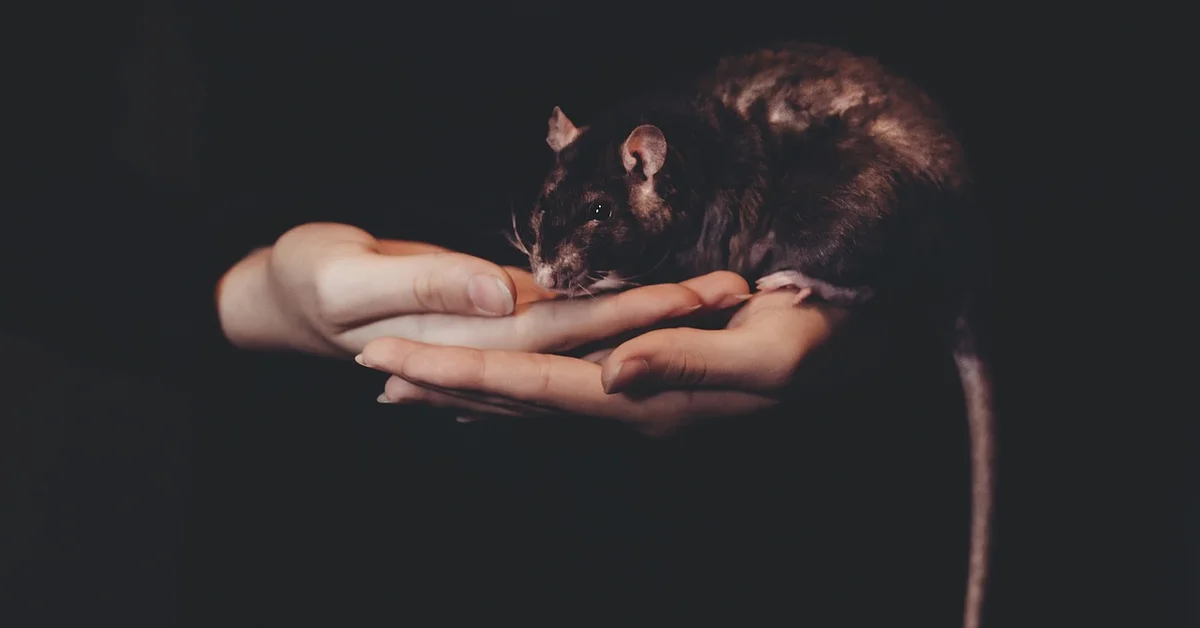
A mouse with nothing to do is a mouse with a troubled mind, often leading to repetitive, compulsive behaviors like barbering or constant circling. Providing consistent mental challenges directly combats the anxiety and boredom that can plague a captive rodent’s life. I’ve watched even my most anxious mouse, Jeffery, visibly relax when given a new puzzle to solve, his twitchy demeanor softening into focused curiosity. This isn’t just about fun; it’s about providing a fundamental sense of control and purpose in their environment. Choosing the right enrichment—puzzle feeders, foraging toys, and manipulable objects—directly targets that need for stimulation. Below are some of the best enrichment toys for stimulating a mouse’s mind.
Physical Exercise and Overall Welfare
An enriched cage naturally encourages movement, from climbing and balancing to burrowing and stretching. This daily activity is vital for maintaining muscle tone, preventing obesity, and supporting healthy joints throughout their entire life. My older mouse, Gregory, may not be as spry as he once was, but his deliberate climbs up a rope ladder keep him agile and engaged. Think of enrichment not as a gym membership, but as a landscape that invites natural, joyful movement every single day.
Social Interaction and Behavioral Health
For mice living in groups, enrichment provides the shared experiences that strengthen their social bonds. Cooperative activities, like working together to retrieve a hidden treat, build positive social dynamics and reduce the potential for conflict. I often see Kenny, the bold explorer, leading the way to a new toy, with the more cautious Jeffery learning by watching before joining in. This shared exploration mimics the complex social learning they would experience in the wild, creating a more harmonious group. Choosing the best enrichment puzzle toys for mice—such as treat mazes, foraging balls, and simple lockbox puzzles—encourages cooperative problem-solving and keeps them mentally stimulated. These kinds of toys mimic natural foraging and help reinforce social learning while reducing boredom.
Core Enrichment Categories Every Mouse Needs
Physical Enrichment: Movement and Exercise
This category focuses on creating a dynamic, three-dimensional world for your mouse to navigate.
- Climbing Structures: Ropes, ladders, and branches of varying thicknesses.
- Tunnels and Tubes: Paper towel rolls, PVC pipes, and commercial plastic tunnels.
- Exercise Wheels: A solid-surface wheel, large enough that their back doesn’t curve.
- Digging Boxes: A deep container filled with coconut fiber or crinkle paper for burrowing.
Sensory Enrichment: Engaging All the Senses
Mice perceive the world through smell, touch, and sound far more than we do.
- Smell: Introduce new, safe scents like dried herbs (mint, basil) or a piece of untreated wood.
- Touch: Offer a variety of bedding textures, from soft paper to crinkly aspen shavings.
- Sound: A quiet environment is best, but the gentle crinkle of paper or rustle of hay is stimulating.
- Taste: The ultimate sensory experience comes from foraging for a variety of healthy foods.
Cognitive Enrichment: Problem-Solving and Novelty
This is where you challenge your mouse’s brain and satisfy their innate curiosity.
- Puzzle Feeders: Make them work for their food with a rolled-up paper packet or a commercial puzzle ball.
- Training Sessions: Use their favorite treat, like a sunflower seed, to teach them simple tricks like coming when called.
- Novel Objects: A new cardboard box or a ping pong ball provides a fresh mystery to investigate.
Social Enrichment: Interaction and Play
This encompasses interactions with both their mouse companions and with you.
- Bonded Companions: The single most important form of social enrichment is housing them with at least one other compatible mouse.
- Human Interaction: Gentle handling, talking to them, and offering treats from your hand builds trust.
- Playtime Outside the Cage: A secure, mouse-proofed play area allows for exploration and interaction with you in a new space.
Setting Up an Enriched Mouse Habitat
Layering Your Cage for Maximum Complexity
Think of the cage not as a flat space, but as a multi-level landscape. Start with a deep layer of bedding for burrowing, then use platforms, shelves, and hammocks to create a vertical world. Connect these levels with bridges, ropes, and ramps. I always ensure there are multiple routes to get from the top to the bottom, which encourages natural decision-making and exploration. Don’t just fill the floor space; utilize the entire height of the cage to mimic the complex terrain they would naturally inhabit. It’s especially important to know how to build ledges, platforms, and ramps for cages to create an engaging environment.
Rotating Toys and Adding Novelty
A toy that is always there becomes part of the scenery, not a source of enrichment.
- Create a “Toy Box”: Keep a separate box of toys, tunnels, and chews that are not in the cage.
- Establish a Rotation Schedule: Every few days, swap out a couple of items from the cage with items from your toy box.
- Observe Their Reactions: Notice which items they gravitate towards and which they ignore, and tailor your selections accordingly.
- Introduce Something New Regularly: Even a simple item like a new cardboard toilet paper tube can reinvigorate their interest.
This constant, gentle change prevents habituation and keeps their environment feeling fresh and exciting. When I rotate toys, it’s like my mice are rediscovering their home all over again, with Kenny immediately darting to investigate every new arrangement.
Daily and Weekly Enrichment Activities
Providing mental exercise for your mouse doesn’t need to be a complex chore. A simple rotation of predictable daily tasks and more involved weekly projects creates a rhythm that keeps their minds engaged and curious. I’ve found my trio, Kenny, Gregory, and Jeffery, thrive on this mix of routine and surprise. One great way to add surprise is foraging — try 10 DIY puzzles that make your mouse think. These simple games tap into natural foraging instincts and sharpen their problem-solving skills.
Quick Daily Brain Boosters
These are small tasks you can do during your regular cage maintenance or feeding time.
- Scatter Feeding: Instead of using a bowl, toss their daily food ration throughout the bedding and hides. This forces them to use their natural foraging instincts.
- The Toilet Paper Tube Test: Fold the ends of a cardboard tube, drop a single treat inside, and watch them problem-solve to get it.
- Hide and Seek with Treats: Place a high-value treat, like a piece of walnut, under a paper cup or inside a small cardboard box. They will spend happy minutes figuring out the puzzle.
- New Scent of the Day: Rub a tiny piece of a new, safe fruit or vegetable on a clean rock or piece of wood in their cage. They will spend ages investigating the unfamiliar aroma.
Engaging Weekly Projects
Once a week, dedicate a little extra time to create a novel environment.
- Cage Rearrangement Day: Move all their hides, wheels, and platforms to new locations. This simple act completely refreshes their territory, making them re-map their entire world.
- Build a Dig Box: Fill a shallow, sturdy container with organic soil, coconut fiber, or crinkled paper strips. Bury some of their favorite seeds and watch them dig for treasure.
- Create a New Obstacle Course: Use cardboard, untreated wood blocks, and paper bags to build a new maze or climbing structure for a few days before recycling it.
- Introduce a New Toy: This doesn’t mean buying something new each week. Rotate toys from a “toy box” you keep aside, so an old toy feels exciting and novel after a few weeks of absence.
Recognizing Poor Mental Stimulation in Your Mouse
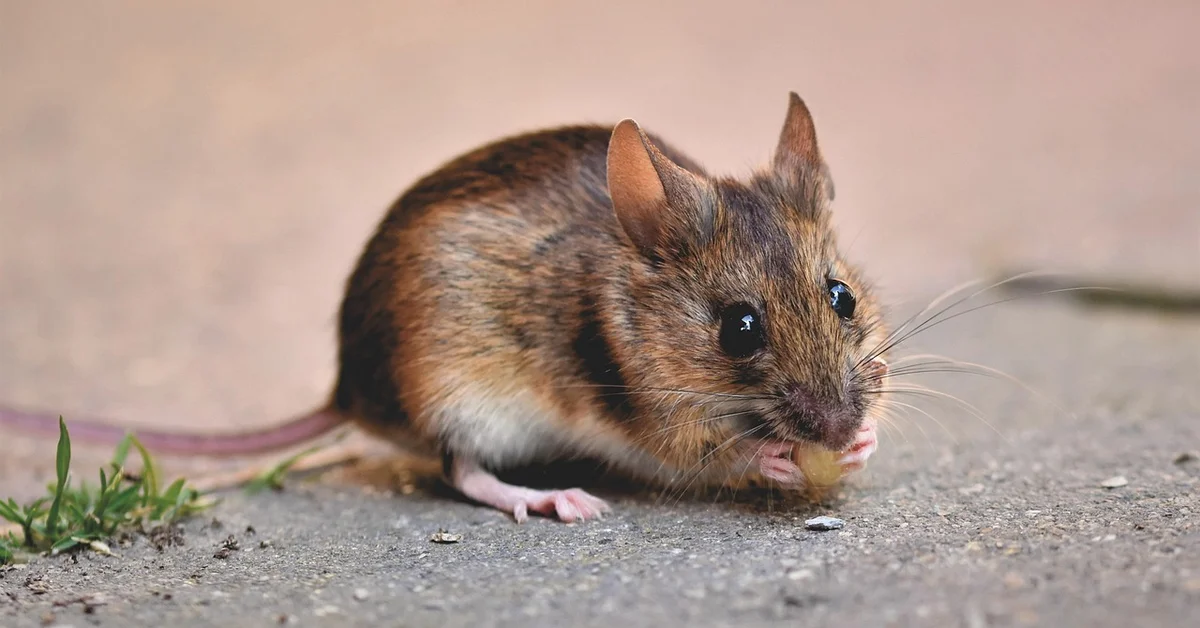
A bored mouse will tell you they are unhappy, but you have to know how to listen. Their behavior speaks volumes about their mental state, often long before any physical health issues appear. Being observant is your greatest tool. This visual behavioral guide outlines common signs of stress in mice. Learn to recognize changes in grooming, posture, activity, and social interactions so you can respond early.
- Repetitive Pacing or Circling: If your mouse constantly traces the exact same path along the cage walls, this is a classic sign of stress and frustration from a lack of stimulation.
- Excessive Bar Chewing: While some chewing is normal, a mouse that obsessively gnaws the cage bars for long periods is often desperately seeking an outlet for its energy and curiosity.
- Over-Grooming or Barbering: A mouse that pulls out its own fur or the fur of its cage mates is displaying a compulsive behavior often linked to anxiety and boredom.
- Lethargy and Lack of Interest: A healthy mouse is an inquisitive mouse. If yours shows little reaction to your presence, new food, or changes in its environment, it may be suffering from apathy.
- Aggression: An under-stimulated mouse can become irritable and may start squabbling more with its companions over resources, even when there is plenty to go around.
- Nest Destruction: Constantly tearing apart a perfectly good nest instead of adding to it or sleeping in it can be a sign of pent-up energy with no positive outlet.
Common Enrichment Mistakes to Avoid
We all want the best for our tiny friends, but sometimes our best intentions can miss the mark. Effective enrichment is about quality and safety, not just quantity. I’ve learned from my own missteps over the years.
- The “Set It and Forget It” Cage: Leaving the cage layout identical for months on end creates a profoundly boring existence. Novelty is not a luxury for a mouse; it’s a necessity.
- Overwhelming with Too Much at Once: While variety is good, completely changing every single item in the cage in one day can be stressful. Introduce one or two new elements at a time.
- Using Unsafe Materials: Avoid soft plastic toys they can chew and ingest, untreated pine or cedar wood (the phenols are toxic), and any fabrics with loose threads that can tangle tiny toes.
- Ignoring Individual Personalities: Not all mice enjoy the same things. My mouse Kenny is a fearless climber, while Jeffery prefers ground-level puzzles. Tailor activities to your mouse’s unique confidence and curiosity level.
- Relying Solely on a Running Wheel: A wheel is excellent for physical exercise but does very little for cognitive development. It should be one part of a larger enrichment plan, not the entire plan itself.
- Neglecting the Power of Scents: We are visual creatures, but mice live in a world of smell. Forgetting to introduce new, safe scents is like ignoring one of their primary senses.
- Using Food as the Only Reward: Mix it up! Sometimes the reward for completing a puzzle can be access to a new digging area or a novel item to investigate, not just a treat.
Frequently Asked Questions
What is the timeline of mouse brain development?
Mouse brain development follows a rapid timeline, with critical periods from birth through early adulthood. Key milestones include the formation of neural connections in the first week and the refinement of sensory and motor areas by 3-4 weeks, when mice are weaned. This accelerated growth means that providing enrichment during these stages can significantly enhance cognitive abilities and resilience.
What are the cell types in the mouse brain?
The mouse brain contains diverse cell types, primarily neurons and glial cells, which work together to support brain function. Neurons handle communication and processing, while glial cells like astrocytes and oligodendrocytes provide structural support, insulation, and nutrient transport. Enrichment activities can stimulate these cells, promoting healthier neural networks and overall brain vitality.
How does the mouse brain compare to the human brain?
The mouse brain is much smaller and less complex than the human brain, but they share fundamental structures like the hippocampus for memory and the cortex for decision-making. This similarity allows researchers to use mice as models for understanding brain function, and it underscores why enrichment-though scaled for their size-can support cognitive health in ways that mirror benefits for larger-brained species.
Your Journey Together
Enrichment is far more than a collection of toys; it is the daily practice of nurturing your mouse’s brilliant mind and joyful spirit. By weaving these activities into your routine, you transform their habitat from a simple cage into a dynamic world that challenges their intellect and honors their instincts. Keeping your mouse entertained goes beyond the wheel; offer foraging puzzles, tunnels, chewable hides, and supervised play to stimulate both body and brain. These simple additions turn routine exercise into varied, instinct-driven enrichment.
Every new tunnel explored and every puzzle solved is a step toward a more vibrant life for your small companion. Your thoughtful efforts will be rewarded with a happier, more engaged pet, and a bond built on mutual curiosity and trust.
Further Reading & Sources
- Enrichment and isolation of neurons from adult mouse brain for ex vivo analysis – PubMed
- Enrichment and isolation of neurons from adult mouse brain for ex vivo analysis – ScienceDirect
- Spatial cell-type enrichment predicts mouse brain connectivity – ScienceDirect
Isabella is a passionate small pet enthusiast with over 8 years of experience in caring for mice. She loves sharing practical tips and heartfelt stories to help fellow mouse owners provide the best care for their tiny companions.
Enrichment Ideas